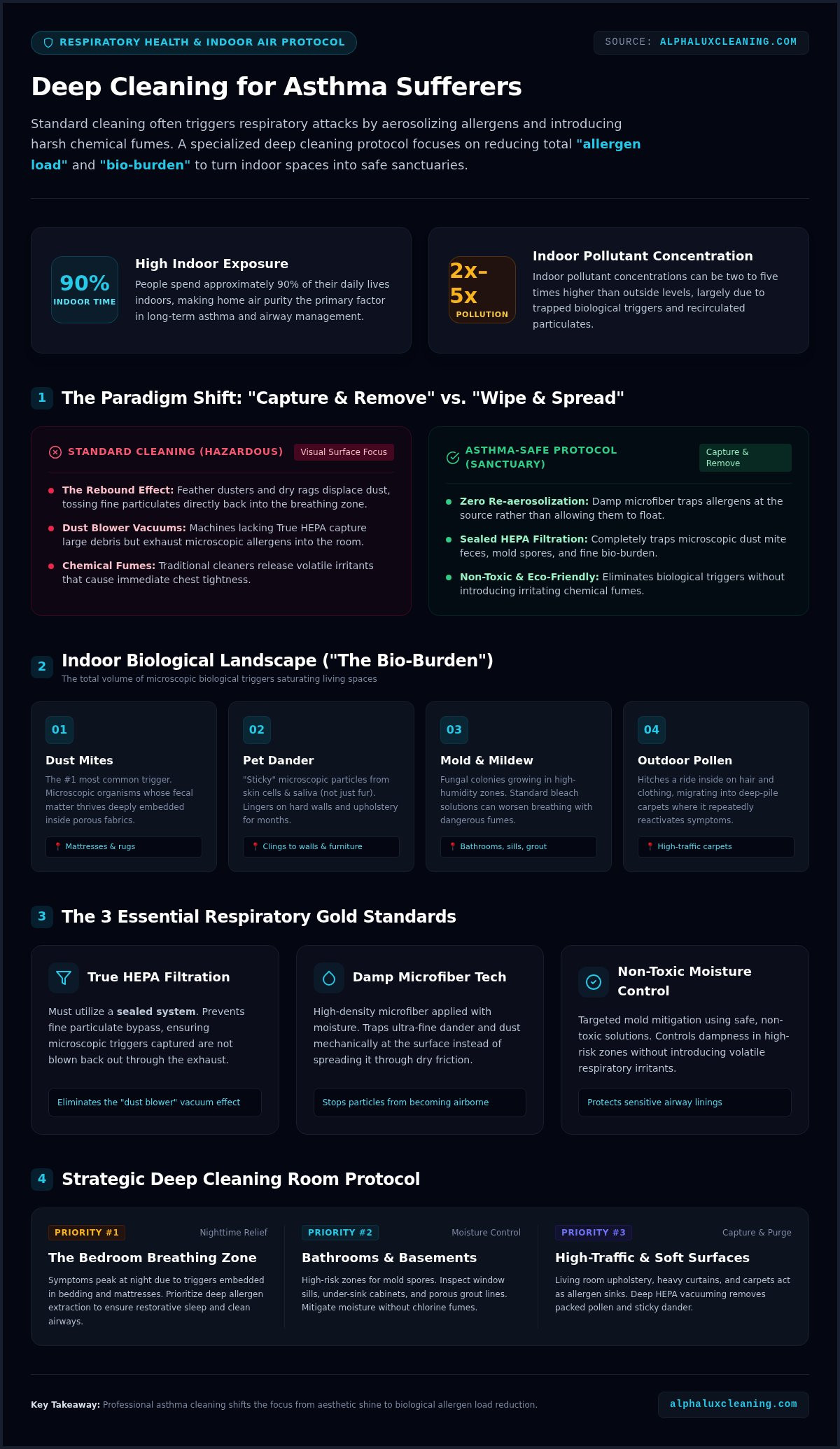
For millions of people, “cleaning day” is actually the most hazardous time of the week for their respiratory health. It’s a frustrating irony: the very act of vacuuming or dusting often sends a storm of microscopic allergens into the air, while the fumes from standard cleaners cause immediate chest tightness. Since we spend approximately 90% of our time indoors, where pollutant concentrations can be two to five times higher than outside, your home should be a refuge, not a source of stress. Effective deep cleaning for asthma sufferers requires moving beyond the surface to address the hidden mold spores and dust mites that thrive in high-traffic areas.
We understand that a clean home is about more than just a polished appearance; it’s about the quiet satisfaction of breathing easily in your own space. You deserve a system that prioritizes your health without the use of harsh, irritating chemicals. This guide will show you how a specialized deep cleaning strategy can eliminate hidden respiratory triggers and transform your home into a safe, breathable sanctuary. We’ll walk through the essential tools, such as sealed HEPA filtration and moisture control, and explain how a meticulous, non-toxic approach can reclaim your time and mental peace. You’ll gain a clear roadmap to a truly healthy environment.
Key Takeaways
- Distinguish between a home that looks clean and one that is truly respiratory-safe by understanding how to stop recirculating fine particulates during your routine.
- Locate and eliminate common indoor triggers like dust mites in upholstery and mold in damp areas using targeted, moisture-conscious removal strategies.
- Learn why True HEPA filtration and high-density microfiber technology are the essential gold standards for effective deep cleaning for asthma sufferers.
- Apply a meticulous room-by-room protocol that prioritizes the bedroom’s breathing zone to ensure restorative sleep and a trigger-free environment.
- Discover the lifestyle benefits of switching to non-toxic, eco-friendly cleaning methods that protect sensitive lungs while reclaiming your mental peace and physical energy.
The Connection Between Deep Cleaning and Asthma Management
A spotless living room doesn’t always equal a safe environment. For those dealing with chronic airway inflammation in asthma, the real enemies are microscopic. Standard cleaning routines often focus on what we can see, like clutter and surface stains. However, deep cleaning for asthma sufferers targets the “allergen load,” which is the total volume of triggers present in your home at any given time. Reducing this load is vital for long-term health management and daily comfort.
Visual Results vs. Internal Health
You might find relief in a sparkling kitchen, but microscopic triggers like dust mite fecal matter and pet dander can still saturate the air. These particles are invisible to the naked eye. When a space is professionally sanitized with non-toxic methods, it provides more than just a clean surface; it offers psychological peace. You can rest easy knowing your environment isn’t working against your lungs. This improved air quality often leads to better sleep, as nighttime is frequently when symptoms peak due to triggers embedded in bedding and carpets. It’s a shift from aesthetic maintenance to a true health investment.
Why Standard Cleaning Isn’t Enough
Traditional cleaning methods can actually backfire. Using a feather duster or a dry cloth simply displaces dust, tossing it back into your breathing zone. Standard vacuums are often the worst offenders. Without a True HEPA filter, these machines act as “dust blowers,” capturing large debris but exhausting fine particulates back into the room. This creates a “rebound effect” where your symptoms might feel worse immediately after you finish your chores. If you’re looking for Professional cleaning services near me, ensure the team prioritizes specialized tools like high-density microfiber and sealed HEPA systems.
Professional deep cleaning for asthma sufferers goes beyond the surface. It involves a “capture and remove” philosophy rather than “wipe and spread.” By using eco-friendly, non-toxic supplies, experts ensure that no new chemical irritants are introduced while the old biological ones are eliminated. This meticulous approach prevents the re-aerosolization of dust and ensures that triggers are actually removed from the home rather than just moved around. It’s the difference between a house that looks clean and a sanctuary where you can breathe freely.
Identifying and Eliminating Common Indoor Asthma Triggers
Understanding the biological landscape of your home is the first step toward lasting relief. We define “bio-burden” as the total amount of biological material, including allergens and microorganisms, present in a living space. For those seeking deep cleaning for asthma sufferers, reducing this burden means looking past the surface. Pollen, for instance, doesn’t just stay outside. It hitches a ride on clothing and hair, eventually finding a permanent home in your carpets and upholstery where it can trigger symptoms for weeks. Addressing these hidden reservoirs is essential for creating a truly breathable sanctuary.
The Hidden Danger of Dust Mites and Dander
Dust mites are the most common indoor triggers, yet they’re entirely invisible. These microscopic organisms thrive in soft, porous materials like mattresses, heavy curtains, and deep-pile rugs. They don’t just sit on the surface; they embed themselves deep within the fibers. Pet dander presents a similar challenge due to its “sticky” nature. It clings to walls and furniture, lingering for months even after a pet has left the room. It’s a common misconception that “hypoallergenic” breeds solve this issue. Since dander originates from skin cells and saliva rather than just fur, every pet contributes to the home’s allergen load. To manage this effectively, we use damp-dusting techniques. By using a slightly damp microfiber cloth, you can trap these particles at the source instead of letting them become airborne during your cleaning routine.
Mold Mitigation Without Harsh Fumes
In New York, damp basements and bathrooms are high-risk zones for mold and mildew growth. These triggers frequently appear on window sills, under-sink cabinets, and within porous grout lines where moisture lingers. While some traditional advice suggests using bleach, this is actually counterproductive for respiratory health. Bleach emits high concentrations of volatile organic compounds (VOCs) that can cause immediate chest tightness. According to the EPA guide to indoor asthma triggers, the goal should be moisture control and safe removal. We prioritize natural, eco-friendly inhibitors that stop mold growth without polluting your air. If you’re feeling overwhelmed by these hidden risks, a professional deep cleaning assessment can help identify the specific hotspots in your home that need immediate attention.
By focusing on these specific biological triggers, you move from simply tidying a room to scientifically improving its air quality. Meticulous attention to these details ensures that your home remains a place of recovery rather than a source of irritation. This proactive approach to managing your environment is a vital component of a well-balanced, healthy life.
Essential Tools and Non-Toxic Methods for Respiratory Health
Achieving a truly healthy home requires more than effort; it requires the right technology. For effective deep cleaning for asthma sufferers, we move beyond the basic broom and bucket. Professional-grade tools are designed to trap microscopic irritants that standard household equipment often misses. By focusing on “capture and remove” technology, you can significantly reduce the allergen load in your environment without introducing new risks to your breathing.
The Role of HEPA and Microfiber
A vacuum is only as good as its filtration system. A True HEPA filter is the gold standard, engineered to capture at least 99.97% of airborne particles as small as 0.3 microns. However, the filter alone isn’t enough. A truly asthma-friendly vacuum must have a sealed system to prevent air leaks from exhausting dust back into the room. This aligns with CDC indoor trigger control recommendations, which emphasize the importance of high-efficiency filtration and moisture control in home maintenance.
Microfiber technology complements these machines by providing superior surface capture. When comparing particle capture rates, microfiber consistently outperforms traditional cotton. Use these differences to your advantage:
- Cotton: Often smears dust and requires more chemical assistance to lift grime.
- Microfiber: Uses high-density fibers to trap 99% of bacteria and fine dust mechanically.
This mechanical action allows for effective cleaning with minimal moisture, which is crucial for preventing the mold growth discussed in previous sections. It ensures that triggers are actually removed from your living space rather than just displaced.
Choosing Green and Fragrance-Free
Many people equate the smell of bleach or pine with a clean home. In reality, these “clean” scents are often Volatile Organic Compounds (VOCs) that can trigger acute airway inflammation. Research suggests that over 50% of common household cleaners contain ingredients that can harm respiratory tissues. For sensitive lungs, fragrance-free and non-toxic supplies are non-negotiable standards. They provide the quiet satisfaction of a well-maintained environment without the hidden cost of chest tightness.
AlphaLux remains committed to using exclusively eco-friendly, non-toxic cleaning agents. These solutions effectively break down grime and biological matter without leaving behind hazardous chemical residues or irritating fumes. We also utilize the power of steam sanitization. Vapor steam, reaching temperatures above 200°F, naturally kills dust mites and neutralizes dander proteins on hard surfaces and upholstery. This method provides the deep sanitization required for a healthy home while maintaining a zero-VOC environment. It’s a meticulous approach that prioritizes your internal health as much as the visual results.
A Room-by-Room Deep Cleaning Protocol for Allergy-Free Living
Cleaning your home shouldn’t be a gamble with your respiratory health. While medical guides often list what triggers an attack, they rarely explain how to remove those triggers without kicking up a storm of dust. Deep cleaning for asthma sufferers requires a methodical, scientific approach that captures irritants before they can enter your breathing zone. By following a structured protocol, you can systematically reduce the bio-burden of your home while maintaining the quiet satisfaction of a truly pristine environment.
Sanitizing the Sleeping Sanctuary
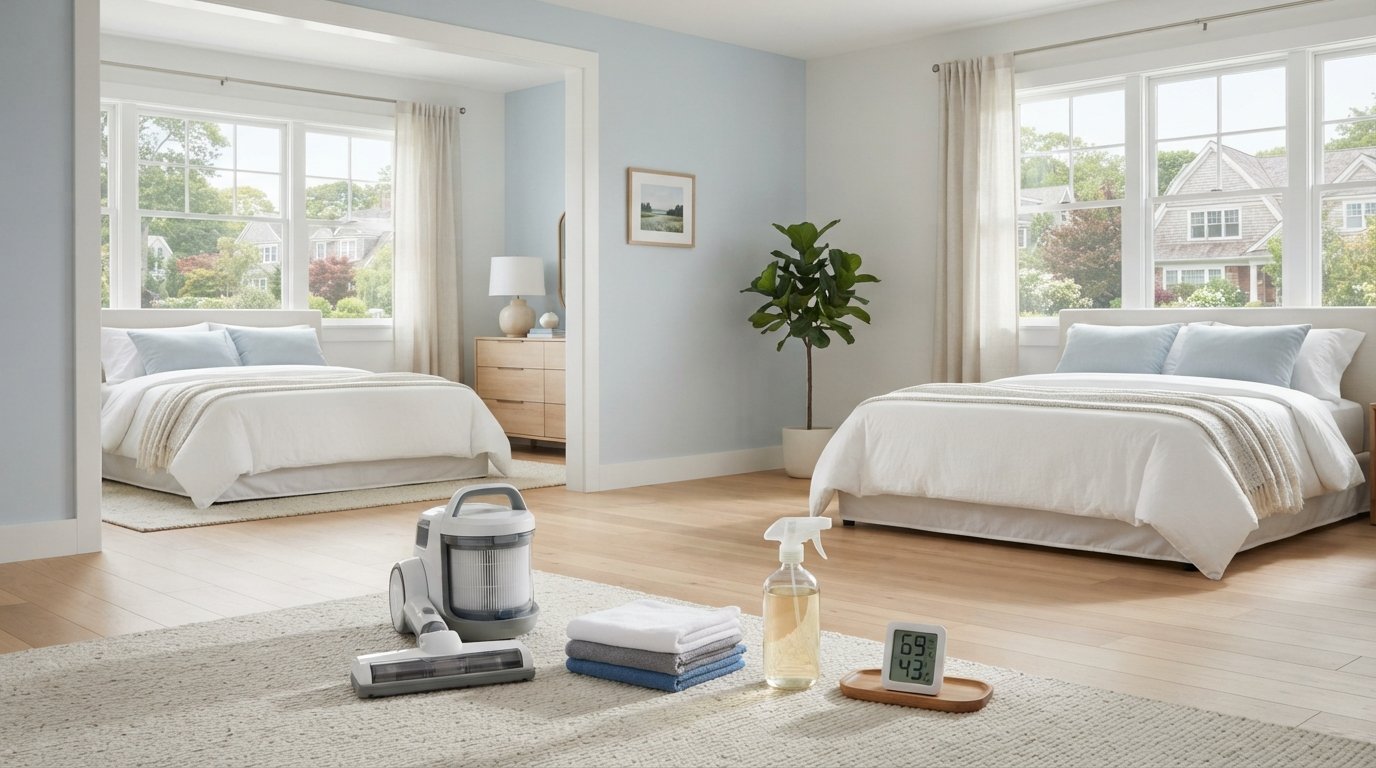
The bedroom is the most critical area to address because it’s where you spend the most time breathing deeply. We focus on a four-step mattress sanitization process to eliminate dust mites at their source. This begins with a sealed HEPA vacuuming of all surfaces, followed by a non-toxic deodorizing treatment. If necessary, we use vapor steam to neutralize proteins before finishing with a high-quality allergen encasement. This creates a barrier that prevents future infestations from taking root in your mattress.
Window treatments also play a significant role in air quality. Heavy drapes are notorious for trapping pollen and dander; we recommend switching to easy-to-clean blinds or washable cotton curtains. When addressing dust, don’t forget the areas that are easily overlooked. Ceiling fan blades should always be wiped with a damp microfiber cloth to prevent dust from raining down when the fan is turned on. Similarly, under-bed storage areas must be cleared and vacuumed to prevent them from becoming stagnant reservoirs for allergens.
Deep Cleaning High-Traffic Zones
Living areas require a “top-to-bottom” strategy. This rule ensures that any particulates disturbed during the process are eventually captured at the floor level rather than settling on already-cleaned surfaces. We start with the highest points, such as crown molding and light fixtures, and work our way down to the baseboards and door frames. These vertical surfaces are often forgotten dust collectors that can harbor significant amounts of pet dander and pollen.
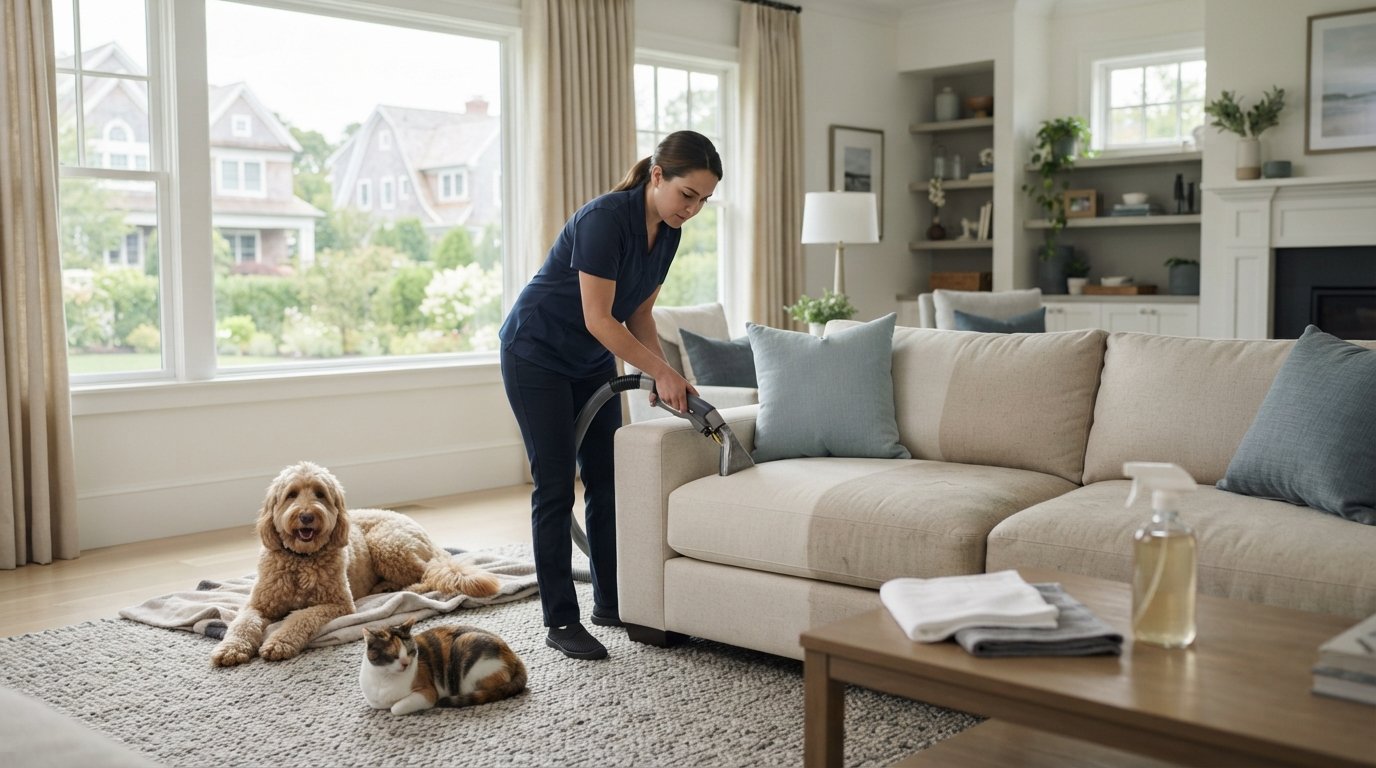
Soft surfaces in these rooms need specialized care. Standard vacuuming isn’t enough for sofas and armchairs; they require deep upholstery extraction to remove embedded allergens. In the kitchen and bathroom, the focus shifts to moisture and grease. Grease acts as an adhesive for dust, while moisture facilitates mold growth in grout and under-sink cabinets. For a detailed look at maintaining every corner of your property, explore our house cleaning services guide. Maintaining this level of detail ensures that your home remains a safe, breathable sanctuary for everyone. If you’re ready to transform your living space into a trigger-free environment, schedule your professional deep cleaning service today.
Why Professional Deep Cleaning is a Vital Health Investment
Managing a chronic condition is a full-time commitment that leaves little room for the physical strain of high-intensity housework. Deep cleaning for asthma sufferers isn’t just a luxury; it’s a strategic health investment that protects your energy and your lungs. While DIY efforts might address surface dust, they often lack the specialized equipment and rigorous training required to truly sanitize a space without triggering a flare-up. Outsourcing this task to experts ensures that the “capture and remove” philosophy is executed with professional precision, leaving you with a home that supports your recovery rather than hindering it.
The AlphaLux Cleaning Difference for NY Families
Our team understands the specific challenges faced by New York residents, from Long Island humidity to the unique dust profiles of urban apartments. We don’t believe in a one-size-fits-all approach. Instead, we provide vetted and insured professionals who follow customized plans tailored to your specific triggers and household needs. By adhering to New York State’s high environmental standards, we ensure that every technician in your home treats the environment with the same respect they show your family. This level of meticulous care provides a sense of relief and mental clarity that visual cleanliness alone can’t offer. If you aren’t sure where to start, learning how to choose a cleaning company is the first step toward a healthier, more balanced household.
Transitioning to Recurring Relief
A comprehensive initial service does more than solve immediate problems; it establishes a baseline of hygiene that makes daily maintenance effortless. Once the deep-seated bio-burden is removed from upholstery, carpets, and hidden corners, standard deep cleaning for asthma sufferers or recurring housekeeping becomes significantly more effective. This preventative approach to home maintenance can reduce the frequency of acute episodes, potentially lowering the long-term stress associated with managing respiratory health. It’s a proactive way to ensure your environment stays ahead of the allergens.
You deserve the peace of mind that comes from knowing every corner, vent, and baseboard in your home is safe for your family to breathe. It’s about reclaiming your space and your time, allowing you to focus on your life rather than your triggers. By choosing a professional partner who prioritizes non-toxic standards, you’re choosing a lifestyle solution that values your health as much as you do. Take the first step toward a restorative environment and reclaim your home’s air quality today.
Reclaiming Your Home as a Breathable Sanctuary
Creating a trigger-free environment is a journey from visual tidiness to scientific sanitization. By focusing on the removal of hidden bio-burdens and utilizing advanced tools like sealed HEPA filtration, you transform your house into a true refuge. We’ve explored how avoiding harsh chemical fumes and prioritizing a room-by-room protocol can significantly reduce the allergen load in your living space. This meticulous approach to deep cleaning for asthma sufferers ensures that your home supports your respiratory health every single day.
You don’t have to manage this complex process alone. Our vetted and insured NY professionals are dedicated to maintaining the highest eco-friendly and non-toxic standards, providing you with a 100% satisfaction guarantee. We believe that a healthy home is a vital component of a balanced life, offering the quiet satisfaction of mental peace and physical relief. Breathe easier with AlphaLux; book your eco-friendly deep cleaning today! Your journey to a safer, more restorative environment starts with a single step toward professional care.
Frequently Asked Questions
Is deep cleaning safe for someone with severe asthma?
Yes, deep cleaning is safe as long as the person with asthma is out of the house during the process and for several hours afterward. Professional deep cleaning for asthma sufferers uses non-toxic products to avoid triggering symptoms. It’s safer than DIY efforts because professionals use sealed HEPA vacuums that don’t recirculate fine dust. Always ensure the space is well-ventilated before returning to enjoy the improved air quality.
What cleaning products should I avoid if I have asthma?
You should strictly avoid products containing chlorine bleach, ammonia, and quaternary ammonium compounds. These substances emit high levels of Volatile Organic Compounds (VOCs) that cause acute airway inflammation. Fragranced sprays and aerosol propellants are also major triggers. Instead, look for third-party certified, fragrance-free, or eco-friendly solutions that clean effectively without leaving behind a “chemical” scent that irritates sensitive lungs and causes chest tightness.
How often should an asthma sufferer’s home be deep cleaned?
Most professionals recommend a thorough deep clean every three to six months to maintain a low allergen baseline. This frequency prevents the accumulation of dust mites and mold spores in high-traffic areas like carpets and upholstery. Between these sessions, you should maintain the environment with recurring cleaning services that focus on high-touch surfaces. If you have pets or live in a high-pollen area, you might benefit from quarterly interventions.
Can professional cleaning help reduce my dependence on asthma medication?
While professional cleaning can significantly reduce environmental triggers, it’s not a medical cure and you shouldn’t change your medication without consulting a doctor. Removing biological irritants like pet dander and dust mites can lead to fewer flare-ups. By lowering the “bio-burden” in your home, you create a space that’s less likely to provoke symptoms. Many families find that a cleaner environment leads to better daily management.
What is the difference between green cleaning and asthma-safe cleaning?
Green cleaning focuses on environmental impact, while asthma-safe cleaning specifically targets respiratory health. Some “natural” green products contain essential oils or terpenes like limonene, which are actually potent asthma triggers. An asthma-safe approach uses fragrance-free, non-toxic agents and specialized tools like HEPA filtration. It’s a more meticulous standard that prioritizes internal health and air quality over just using biodegradable ingredients that might still irritate sensitive airways.
How do I manage pet dander if I can’t part with my pet?
Managing dander requires a combination of high-frequency filtration and targeted surface cleaning. You should keep pets out of the bedroom to protect your “breathing zone” during sleep. Regularly washing pet bedding in water at least 130°F helps kill mites and denature proteins. Using a professional service for deep cleaning for asthma sufferers ensures that “sticky” dander is extracted from upholstery and carpets where standard household vacuums often fail.
Do air purifiers replace the need for deep cleaning?
Air purifiers only capture particles that are already airborne; they don’t remove the reservoirs of dust and dander settled in your home. Triggers often live deep in carpets, curtains, and mattresses. When you sit on a sofa or walk across a rug, these particles are launched into the air. Deep cleaning removes the source of the problem, while air purifiers act as a secondary defense to catch what escapes.
What should I look for in an asthma-friendly cleaning company?
Look for a company that uses vetted, insured professionals and exclusively eco-friendly, non-toxic products. They should utilize True HEPA vacuums with fully sealed systems to prevent dust leakage during the process. Ask if they offer customizable plans that focus on moisture control and high-traffic areas. A reputable provider like AlphaLux Cleaning will prioritize your health by avoiding fragrances and harsh chemicals, ensuring a safe and restorative environment.