Summary:
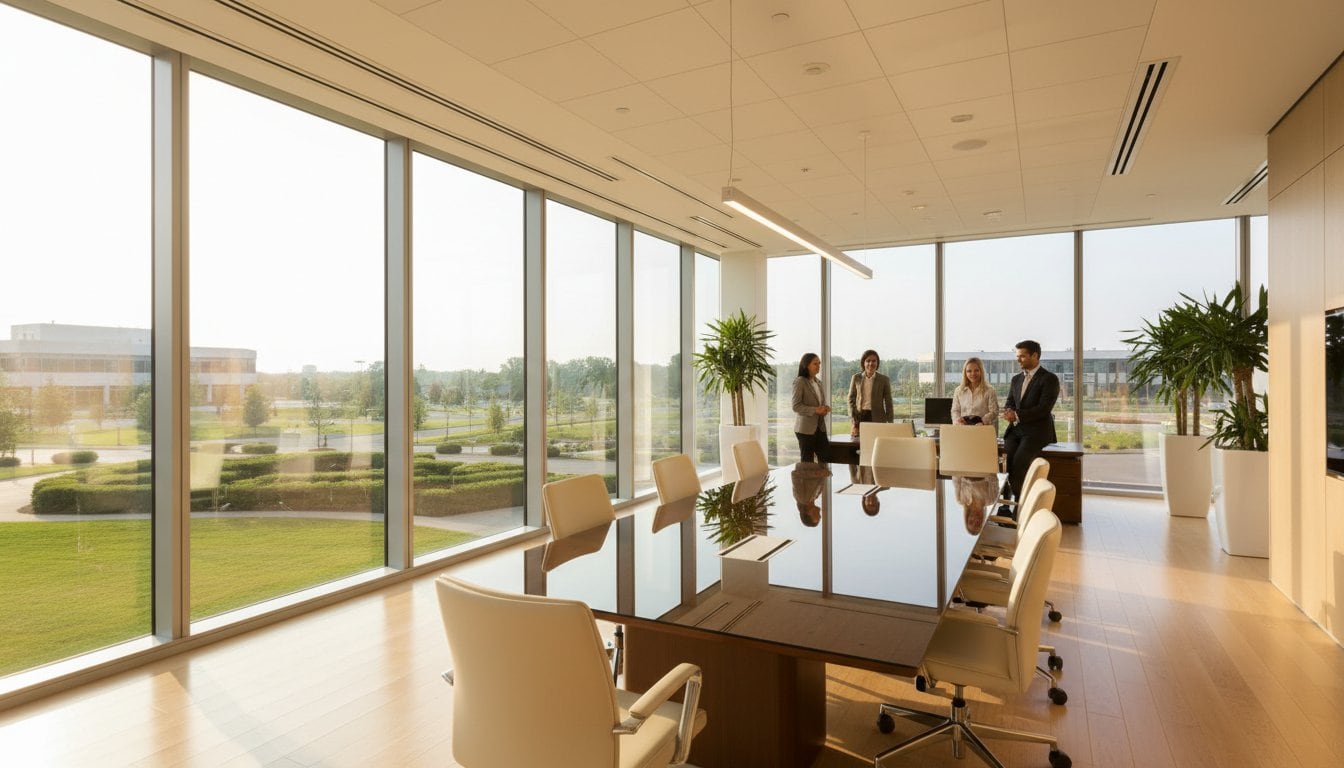
You’re not looking for a perfect cleaning company. You’re looking for one that actually shows up, does the job right, and doesn’t make you regret handing over a key. That’s a reasonable bar — and somehow, it’s still hard to clear. Whether you’re running a professional office near Garvies Point in Glen Cove, managing a commercial space along Route 112 in Medford, or overseeing a business anywhere from Commack to Bay Shore, the frustration tends to be the same. This guide is here to help you cut through the noise and figure out what to look for — and what to walk away from.
What to Look for in a Commercial Cleaning Company on Long Island
The first thing most people do is search for the cheapest option. That’s understandable — cleaning feels like a background expense until the day it becomes a problem. But price is genuinely the worst starting point when evaluating a commercial cleaning service on Long Island.
What actually matters is reliability, consistency, and trust. Can we show up on schedule, every time? Will the quality hold up after the third month, not just the first visit? And do you actually know who’s walking into your office after hours? Those three questions will tell you more than any price comparison ever will.
How to Tell If an Office Cleaning Company Is Actually Trustworthy
The most common complaint we hear from businesses switching cleaning companies isn’t about price. It’s about the honeymoon effect — great first clean, then a slow and steady decline. Corners get cut. High-touch surfaces get skipped. The bathroom looks passable but not clean. And when you call to say something, you get a voicemail.
Trustworthiness in this industry comes down to a few specific things. First, we should be licensed, bonded, and insured — not just as a legal formality, but because it protects you if something gets damaged or goes wrong on your property. If a company can’t confirm that clearly and quickly, that’s your answer.
Second, ask about staff. High turnover is one of the biggest problems in commercial cleaning, and it creates two real risks: inconsistent quality and unfamiliar people in your space on a rotating basis. We vet our employees, run background checks, and maintain consistent staffing assignments — that’s worth paying more for. You’re not just buying a clean office — you’re giving someone access to your building.
Third, look at how we communicate during the sales process. If it takes three days to get a response to a quote request, that’s a preview of what support will look like when something goes wrong. Responsiveness before the contract is signed is one of the best predictors of responsiveness after.
Finally, read the reviews — but read them carefully. Look for language about long-term consistency, not just first impressions. A review that says “they’ve been cleaning our office for two years and the quality has never slipped” is worth ten five-star ratings that say “great first clean.”
Why the Products a Cleaning Company Uses Actually Matter for Your Office
This one gets overlooked more than it should. Most commercial cleaning companies use standard industrial chemicals — effective on surfaces, but not exactly gentle on the people who work in the space every day. If your employees are dealing with headaches, respiratory irritation, or a lingering chemical smell when clients walk in, that’s not a minor inconvenience. It’s a problem with a direct solution.
Eco-friendly, non-toxic cleaning products have come a long way. Microfiber technology removes up to 99% of bacteria from surfaces — compared to about 30% for traditional mop-and-bucket methods. The idea that green cleaning means less effective cleaning is simply outdated. What it actually means is a deep, thorough clean without the residue, the smell, or the health concerns.
For offices in Glen Cove’s professional districts or the medical and dental practices scattered across Babylon, Baldwin, Bay Shore, and throughout Long Island, this matters even more. A client who walks into your office and catches a sharp chemical smell isn’t thinking about how clean the floors are. They’re thinking about getting out. The right cleaning products protect your space and the impression it makes.
We use non-toxic, eco-conscious products across all of our commercial cleaning work — not as a marketing angle, but because it’s the right way to clean a space where people spend eight hours a day. If a company you’re evaluating can’t tell you specifically what products they use or why, that’s worth pressing on.

What Office Cleaning Should Actually Include — and What Gets Missed
A lot of commercial cleaning contracts look thorough on paper and fall short in practice. The scope of work gets agreed on, the first few visits go well, and then the shortcuts start. Baseboards stop getting wiped. Breakroom appliances get a surface wipe instead of a real clean. The bathroom looks presentable but the grout and fixtures tell a different story.
A genuinely complete office cleaning covers the areas that accumulate bacteria and buildup over time — not just the visible surfaces. That means high-touch points like door handles, light switches, keyboards, and elevator buttons. It means restrooms cleaned to an actual standard, not a visual one. And it means a breakroom that your employees actually want to use.
How Often Does a Long Island Office Actually Need Professional Cleaning?
The honest answer is: more often than most businesses are currently scheduling it. Research consistently shows that clean workspaces reduce sick days by up to 30%, and that employees in cleaner environments are measurably more productive.
For Long Island offices specifically, there are seasonal factors that push cleaning needs higher than in other markets. From November through March, road salt gets tracked in from parking lots across Amityville, Babylon, Baldwin, Bay Shore, Bayport, Commack, Glen Cove, Medford, and throughout the island. Salt residue doesn’t just look bad; it accelerates floor damage and creates genuine slip hazards. Professional floor care during winter months isn’t optional if you care about your space.
Summer brings its own challenges. Long Island’s humidity — especially on the South Shore — creates conditions that favor mold and mildew growth in poorly ventilated areas. Spring pollen, particularly on the North Shore around Glen Cove, affects air quality and settles on surfaces throughout commercial spaces. These aren’t abstract concerns; they’re the seasonal reality of running a business on Long Island.
For most offices, a recurring weekly or bi-weekly cleaning schedule is the right baseline. Businesses with higher foot traffic — retail in Babylon or Bay Shore, medical practices in Glen Cove, commercial spaces near the Route 112 corridor in Medford — often benefit from more frequent service. We’ll assess your space honestly and recommend a schedule that actually fits your needs, not just the one that’s easiest to sell.
One-Time Deep Clean vs. Recurring Office Cleaning: Which One Do You Need?
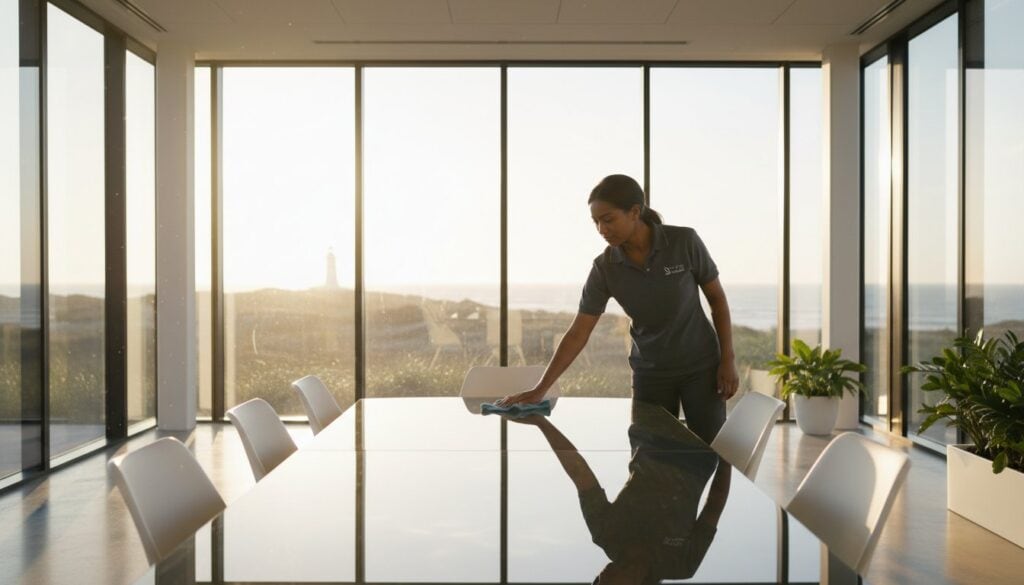
This is one of the most common questions we get, and the answer usually depends on where you’re starting from. If your current space has been under-maintained — or if you’ve just moved into a new commercial unit, finished a renovation, or taken over a space from a previous tenant — a deep clean is the right first step. It covers the areas that a standard recurring service maintains but doesn’t reset: baseboards, blinds, interior cabinets, appliances, corners, and the buildup that accumulates over months or years.
Post-construction cleaning is a specific version of this, and it’s something we see consistent demand for across Long Island right now. The Garvies Point development in Glen Cove alone has brought a wave of new commercial tenants to the North Shore — and every one of those spaces needs a thorough clean before it’s ready for employees or clients. Construction dust, debris, and residue require a different approach than standard office maintenance, and it’s not something a general janitorial crew handles well without specific experience.
Once a space is properly reset — whether through a deep clean or post-construction service — recurring maintenance is what keeps it there. The productivity and health benefits of a clean office are only realized through consistency. A one-time deep clean followed by months of neglect doesn’t protect your employees or your business. It just delays the problem.
If you’re not sure which you need, we’ll walk through your space, ask the right questions, and give you a straight answer. There’s no reason a cleaning assessment should feel like a sales pitch. You should leave that conversation knowing exactly what your space needs and why.
Finding the Right Office Cleaning Service on Long Island
The bar for a great commercial cleaning company isn’t that high — but a surprising number of companies still miss it. Show up reliably. Clean thoroughly. Communicate clearly. Use products that are safe for the people in the space. Staff the account consistently. That’s it. The problem is that finding a company that does all of those things, every time, takes more than a quick Google search.
If you’re evaluating options in Glen Cove, Medford, Commack, Bay Shore, Babylon, Amityville, Baldwin, or Bayport, use the framework in this guide. Ask about insurance. Ask about staff vetting. Ask what products we use and why. Ask what happens if you’re not satisfied. The answers will tell you everything.
We’re Alphalux Cleaning, and we work with businesses across Long Island because this is our community — not just a service area. If you’re ready to talk about what your office actually needs, reach out and we’ll start there.