
Think about the last time you walked into a cluttered, dusty office. Maybe the trash bins were overflowing, or the breakroom counter was sticky. How did it make you feel? Probably not motivated. The benefits of a clean office go far beyond appearances, they directly affect how your team thinks, feels, and performs every single day.
A messy workspace creates distractions, spreads germs, and quietly chips away at employee morale. On the flip side, a well-maintained office signals professionalism and respect, both to your staff and to anyone who walks through the door. It’s one of the simplest investments a business can make, yet it’s often overlooked until problems start piling up (literally).
At AlphaLux Cleaning, we help businesses across New York maintain workspaces that support health and productivity. We’ve seen firsthand how a consistent cleaning routine transforms the energy of an office. Below, we’re breaking down five specific ways a clean office boosts morale and sharpens focus, backed by real reasons you can bring to your next budget meeting.
1. Professional cleaning reduces distractions and saves time
A cluttered office pulls your team’s attention away from actual work. When desks are disorganized and common areas are messy, employees spend mental energy managing the disorder rather than focusing on their tasks. One of the clearest benefits of a clean office is that it removes visual and physical noise that slows people down before the first meeting of the day even starts.
What changes in productivity when the office stays tidy
When your workspace is clean and organized, your team can find what they need without wasted effort. Focused environments support focused people, and research consistently shows that organized physical spaces reduce cognitive load. Your employees make better decisions and move through tasks faster when they’re not fighting their surroundings.
Where clutter steals time in a typical workday
You might not notice the small time losses, but they accumulate fast. Workers can lose significant time each day dealing with disorganization, whether directly or through the distraction it creates. Common culprits include:
- Searching for misplaced documents or supplies before starting a task
- Waiting for a coworker to clear a shared workspace
- Navigating around clutter in hallways or storage areas
- Resetting a conference room before a scheduled meeting
A single cluttered common area can disrupt the flow of an entire team, not just the person responsible for the mess.
What a consistent cleaning schedule covers that spot cleaning misses
Spot cleaning handles what’s visible, but it leaves gaps. A professional cleaning schedule covers high-traffic floors, shared surfaces, storage areas, and equipment that rarely gets attention during a quick tidying session. Your team shouldn’t need to think about whether the conference room is ready or whether the breakroom is usable. Removing that responsibility from your staff frees up real work time every single week.
How to measure time saved and smoother workflows
Start by tracking small friction points before and after introducing a regular cleaning routine. Ask your team how often they delay work to tidy their area, or how long it takes to set up for a client meeting. You can also monitor task completion rates and focused work time through tools your team already uses. The numbers typically show a clear improvement within the first few weeks.
2. A clean office reduces illness and improves air quality
One of the most practical benefits of a clean office is a healthier team. When illness spreads through a workplace, you lose productivity and pay for it through sick days and reduced output. Regular professional cleaning breaks that cycle before it starts.
How germs spread in shared offices and common areas
Shared spaces are where bacteria and viruses travel fastest. When one person gets sick and touches a doorknob, a coffee machine, or a shared keyboard, contamination spreads within hours. Without consistent cleaning, your common areas quietly stay in that cycle week after week.
High-touch surfaces that drive most contamination
Most offices underestimate how many high-contact points exist in a typical workday. Targeting these with disinfecting protocols makes a real difference in how often your team gets sick:
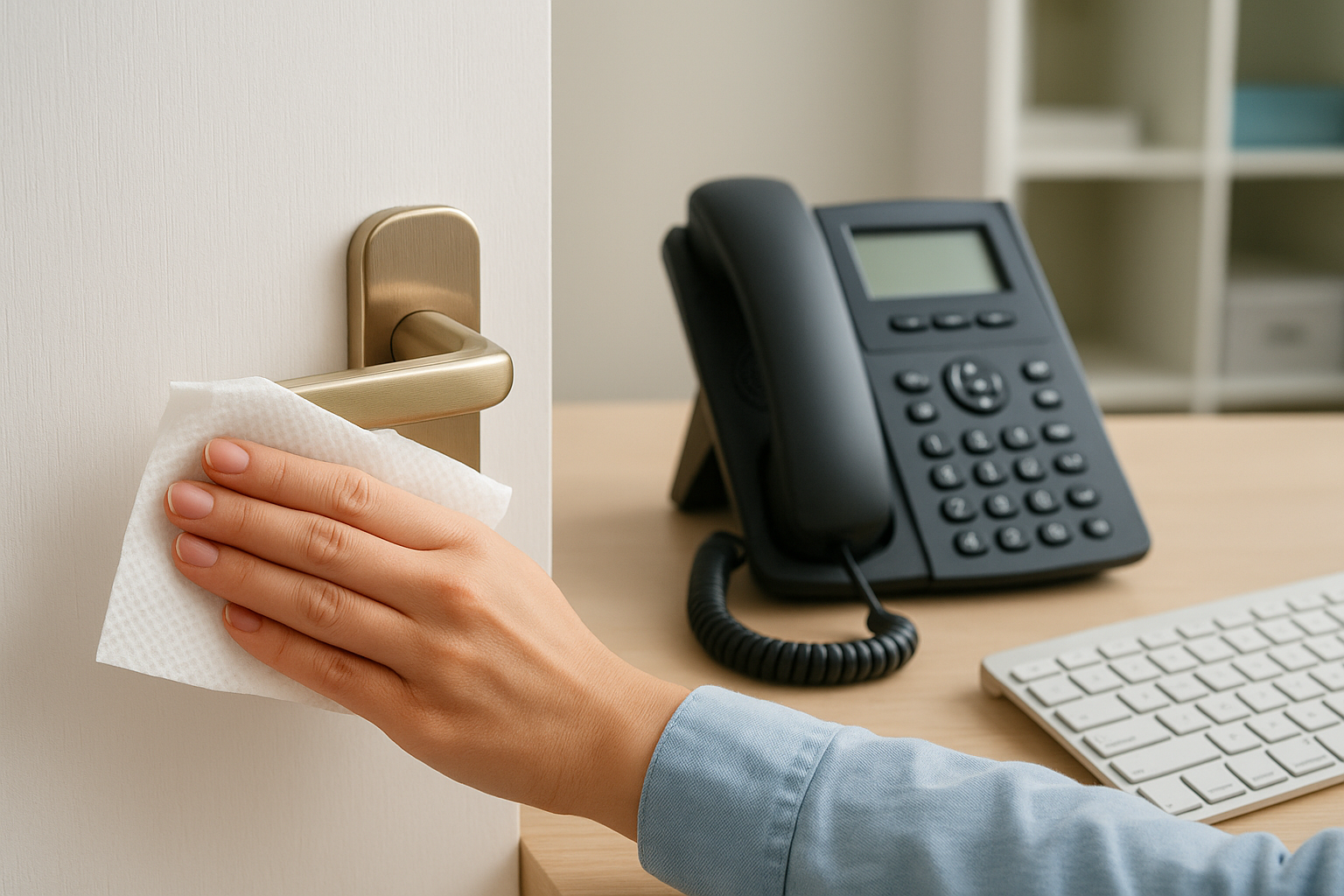
- Door handles, light switches, and elevator buttons
- Shared keyboards, office phones, and printer controls
- Kitchen surfaces and appliance controls
Disinfecting high-touch surfaces daily can significantly reduce the spread of common illnesses across your office.
How dust control and vacuuming improve indoor air quality
Dust accumulates fast around vents, carpets, and under desks. Poor indoor air quality triggers allergies and respiratory issues that drain your team’s focus and energy. Regular vacuuming and vent cleaning keep airborne particles low and make the space noticeably easier to breathe in.
How to track fewer sick days and fewer complaints
Start by logging sick day frequency before and after introducing a professional cleaning routine. Also track informal complaints about stuffy air or visible dust buildup. Over time, that data gives you a clear picture of how consistent cleaning protects both your team and your bottom line.
3. A clean workspace improves morale and reduces stress
Among the most overlooked benefits of a clean office is what it does to your team’s emotional state. When people enjoy the space they work in, they show up differently, and that shift in energy carries through everything from daily tasks to client interactions.
How visual clutter affects focus, mood, and mental load
Your brain processes everything in your visual field, even when you’re trying to ignore it. Cluttered environments increase cortisol levels and make it harder to concentrate, which means your team spends more mental effort just staying on task. A clean, organized space reduces that invisible strain and gives people room to think clearly.
A tidy workspace doesn’t just look better, it actively lowers the mental overhead your team carries through every hour of the workday.
What cleanliness signals about respect and workplace standards
When you maintain a clean office, you send a direct message to your staff that their comfort and wellbeing matter. People notice when leadership invests in their environment. That signal builds trust and professional pride in ways that a memo or motivational poster never will.
Shared-space rules that prevent resentment and finger-pointing
Shared areas like breakrooms and bathrooms are common sources of friction between coworkers. Relying on individuals to self-manage those spaces leads to resentment. Professional cleaning takes that responsibility off your team entirely, removing a persistent source of low-level conflict before it builds.
How to measure morale shifts with simple team feedback
Run a short anonymous survey before and after establishing a regular cleaning routine. Ask your team directly about workplace comfort, stress levels, and pride in their environment. Even a simple monthly pulse check reveals trends that help you justify the investment and refine your approach.
4. A clean office improves safety and protects equipment
Safety risks and damaged equipment are two costs that grow fast. Among the less obvious benefits of a clean office is how directly a well-maintained space protects both your people and the assets your business depends on.
Common trip, slip, and fire risks that cleanliness prevents
Clutter on floors, wet surfaces without signage, and paper stacked near heat sources create real liability for your business. Regular cleaning removes these hazards before someone gets hurt. Spills that go untreated and cords left across walkways are among the leading causes of workplace accidents that a consistent routine catches early.
Restrooms, breakrooms, and entryways that need safety-level attention
These three areas carry the highest risk of slip hazards and bacterial buildup. Entryways collect moisture and debris from foot traffic. Breakrooms develop grease and food residue that attract pests and create slip risks. Keeping all three on a structured cleaning schedule raises the safety baseline for your entire building.
Neglecting high-traffic areas like entryways and breakrooms is where most preventable workplace accidents start.
How grime and dust shorten the life of electronics and fixtures
Dust buildup inside computers, printers, and HVAC vents forces those systems to work harder and overheat faster. Equipment that runs dirty fails sooner and costs more to replace. Routine cleaning around workstations and mechanical equipment extends the usable life of assets you have already paid for.
How to track incidents, maintenance tickets, and replacement costs
Log your workplace incidents and equipment repair requests against your cleaning schedule. When you compare those numbers over two or three months, patterns emerge. Teams that clean consistently typically see fewer maintenance tickets and lower replacement costs, giving you concrete data to justify the investment.
5. A clean office builds trust with clients and visitors
One of the most direct benefits of a clean office is the immediate signal it sends to every person who walks through your door. Clients and visitors form judgments about your business within seconds of arriving, and those impressions carry into every conversation that follows.
How first impressions form before a meeting even starts
Your office environment communicates your professionalism and standards before you say a single word. A visitor who spots dirty floors or smudged glass in the lobby will already question your attention to detail long before the meeting begins.
Your client’s impression of your business is formed in the lobby, not the conference room.
The most noticeable areas visitors judge first
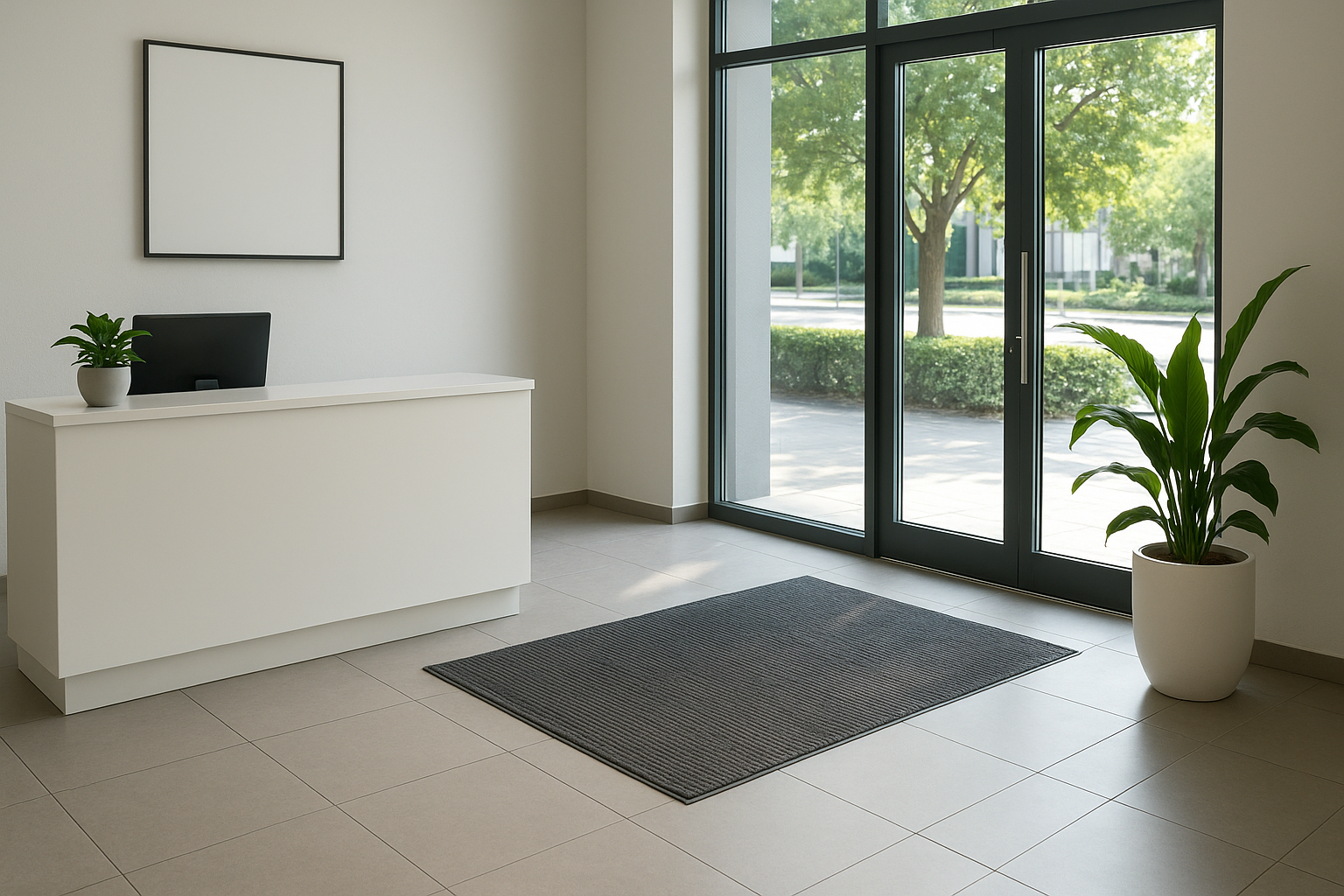
The spaces that shape first impressions fastest are your entryway, reception area, and restrooms. Keeping these areas consistently clean protects the credibility you’re building with every client who visits your space.
How cleanliness supports recruiting and retention
Job candidates evaluate your workspace during interviews just as carefully as clients do. A clean, organized office signals that you take your environment seriously, which influences whether strong candidates choose your company over a competitor. Employees also stay longer in workplaces where the space itself shows that their comfort matters.
How to align your cleaning standard with your brand
Your physical space reflects your brand directly. If you position your business as professional and reliable, your office needs to match that promise visually. Work with a cleaning provider to set a consistent maintenance standard that reinforces the image you want clients and staff to hold.
Quick recap and next steps
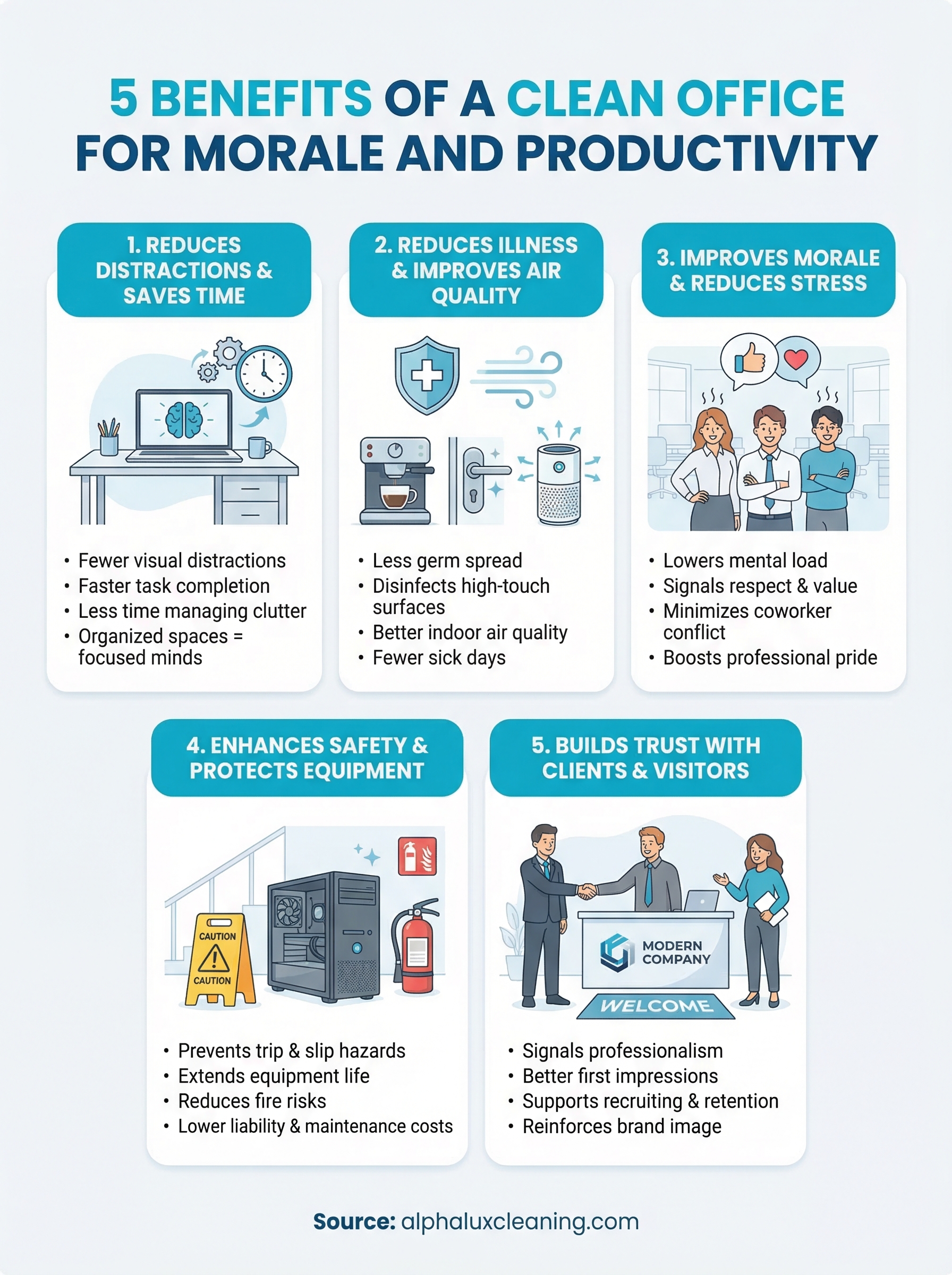
The benefits of a clean office are measurable and consistent across every business type. A well-maintained workspace reduces distraction, cuts illness rates, lifts morale, prevents accidents, and builds trust with every client and candidate who walks through your door. These aren’t small gains. They compound over time and show up directly in your team’s output and your company’s reputation.
Your next step is simple: stop relying on your team to manage cleaning on top of their actual jobs. A professional routine handles all of it, from high-touch surface disinfection to restroom safety and equipment dust control, on a schedule that works for your business. If you’re ready to give your team a workspace that actually supports them, get a free cleaning estimate from AlphaLux Cleaning and find out what a consistent, professional standard looks like for your office.