What Does a Move Out Cleaning Include? The Ultimate 2026 Checklist

You have spent the last 14 hours packing boxes, only to realize your property manager is arriving at 9:00 AM for a final inspection. According to a 2024 survey of rental managers, 65% of security deposit deductions are the direct result of inadequate cleaning in areas like oven interiors and baseboards. It’s exhausting to wonder what does a move out cleaning include when you’re already physically drained. You deserve to focus on your new beginning rather than scrubbing tiles until midnight, yet the fear of losing your deposit remains a heavy burden. At AlphaLux Cleaning, we believe your home shouldn’t just look clean; it should feel clean. We’ve designed this guide to provide the precision and care needed to leave your property in pristine condition. You’ll discover our comprehensive 2026 checklist that breaks down every essential task, from sanitizing high-touch surfaces to deep-cleaning appliances. This clarity provides the peace of mind you need to close this chapter with confidence and focus on what matters most in your new space. Key Takeaways Learn why a standard “broom clean” rarely satisfies modern lease requirements and how to meet the higher expectations of 2026 landlords. Understand exactly what does a move out cleaning include with a detailed breakdown of deep-cleaning tasks for every room in your home. Gain the expertise to navigate the “reasonable wear and tear” debate and avoid common DIY mistakes that often lead to deposit deductions. Follow a proven two-step strategy to document your home’s condition and ensure the full return of your security deposit. Discover how professional, meticulous cleaning provides the peace of mind you need to focus on your new beginning. Table of Contents Understanding the Standard: What Does a Move Out Cleaning Actually Include? The Essential Room-by-Room Move Out Cleaning Checklist Deep Cleaning vs. Broom Clean: Meeting Landlord Expectations in NY Pro Tips: How to Ensure You Get Your Security Deposit Back Experience a Higher Standard of Clean with AlphaLux Understanding the Standard: What Does a Move Out Cleaning Actually Include? A move-out clean is a comprehensive, deep-level restoration of a property after all furniture and personal belongings have been removed. It’s the process of resetting a home to its original state. While many tenants believe a “broom clean” effort satisfies their legal obligations, this is often a costly misconception. In 2026, standard New York lease agreements frequently specify that properties must be returned in a condition that mirrors the initial move-in date, minus normal wear and tear. A simple sweep rarely meets this threshold. The primary objective is to create a blank slate. Every footprint, smudge, and lingering scent must be erased so the next resident feels they’re the first person to ever live there. Investing in a professional service isn’t just about aesthetics; it’s a strategic move to protect your security deposit. Statistics from local property management groups show that 85% of deposit disputes stem from cleanliness issues rather than structural damage. Understanding exactly what does a move out cleaning include ensures you meet these rigorous expectations from day one. The Difference Between Standard and Move-Out Cleaning Standard cleaning focuses on routine maintenance like dusting surfaces and vacuuming high-traffic areas. Move-out cleaning focuses on restoration. Once a room is empty, hidden dirt that’s been trapped behind sofas or under beds for years becomes visible. This scope includes vertical surfaces like walls, doors, and trim that are usually ignored during weekly chores. We ensure these areas are spotless; transforming a lived-in space back into a pristine environment that feels fresh and welcoming. Why Real Estate Agents and Landlords Demand Professional Results First impressions dictate turnover rates in the competitive New York market. A professionally cleaned unit can reduce vacancy periods by an average of 12 days. Landlords and agents prioritize these results because a “clean” feel builds immediate trust with prospective renters. Professional documentation also serves as your shield. Having a receipt from a vetted service provider provides tangible proof of your efforts. This makes it much harder for a landlord to justify unfair deposit deductions. It’s about providing peace of mind for both parties and focusing on what matters most during your transition. The Essential Room-by-Room Move Out Cleaning Checklist Understanding what does a move out cleaning include starts with recognizing that every inch of the property must return to its original state. It’s a meticulous process. This restoration transforms a lived-in space back into a pristine canvas for the next occupant. We focus on the precision and care required to satisfy even the most demanding landlords. This level of detail ensures you receive 100% of your security deposit back without unnecessary disputes or delays. Kitchen Deep-Cleaning Requirements The kitchen is the most labor-intensive room in any move-out project. It requires 100% degreasing of the range hood and filters to ensure fire safety and hygiene. Our professionals clean the interior and exterior of all four major appliances: the oven, fridge, freezer, and dishwasher. We scrub every one of the 15 to 25 cabinets and drawers found in a typical kitchen to remove crumbs and food stains. Sanitizing countertops and polishing the stainless steel sink provides a welcoming, fresh environment. Bathroom Sanitation Standards Bathrooms demand clinical precision to remove biological traces and hard water buildup. We perform deep scrubbing of tiles and grout to eliminate 100% of visible mildew and soap scum. Disinfecting toilets, tubs, and showers inside and out is a non-negotiable standard. We polish mirrors, glass doors, and chrome fixtures to a streak-free finish that glows. A spotless bathroom for New York inspectors requires zero visible biological residue and a mirror-like shine on every chrome fixture. This meticulous approach offers the peace of mind that your home doesn’t just look clean, it feels clean. Floors and General Surfaces The final layer of what does a move out cleaning include involves the total restoration of flooring and vertical surfaces. We detail every surface from the ceiling down. This includes wiping every light switch, window sill, and baseboard throughout the home. Vacuuming covers 100% of
First Advantage Background Screening: Status, Process & Time
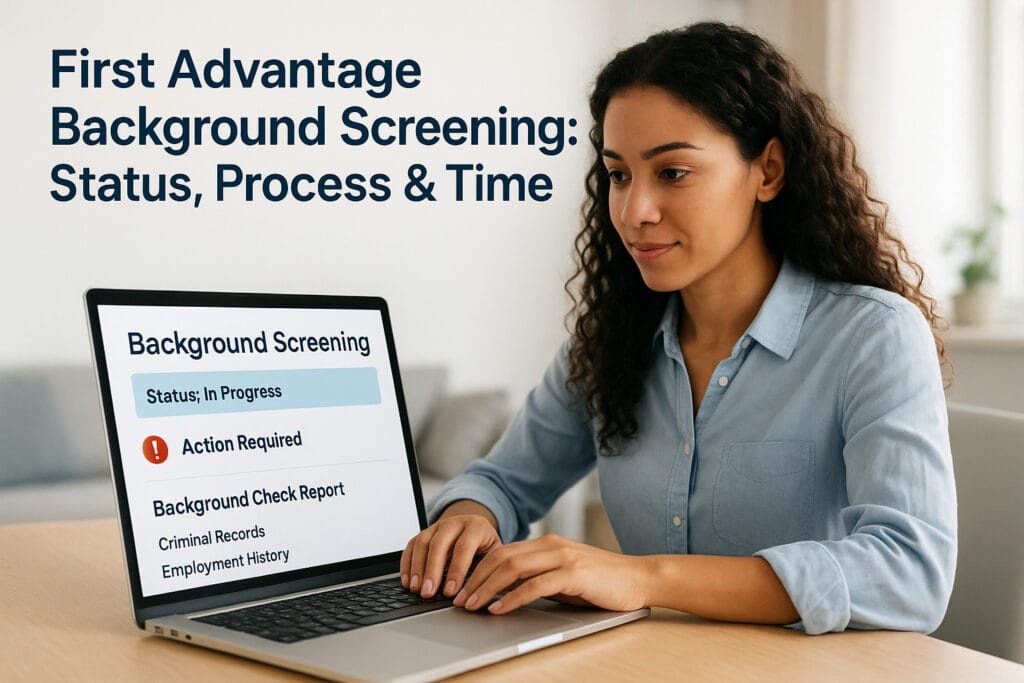
When you’re waiting on a hiring decision or managing employee onboarding, few things cause more anxiety than wondering where your first advantage background screening stands. Whether you’re a job candidate refreshing your inbox or an employer trying to bring on trusted staff, understanding how the process works, and how long it actually takes, matters. At AlphaLux Cleaning, we run background checks on every team member before they ever step foot in a client’s home or business, so we’ve seen this process from the employer side plenty of times. That firsthand experience is exactly why we put this guide together. Below, you’ll find a clear breakdown of how First Advantage conducts background screenings, what each stage looks like, and realistic timelines you can expect. We’ll also cover how to check your status so you’re not left guessing. Why First Advantage screening matters Background checks aren’t just a formality. When a company uses First Advantage background screening, they’re making a deliberate decision to verify the information candidates provide, including employment history, education credentials, and criminal records. For you, whether you’re the one being screened or the one doing the hiring, the outcome of that report can directly affect whether a job offer moves forward or falls through. For job candidates If you’re going through the screening process, understanding what First Advantage checks can prevent surprises. Errors in public records are more common than most people realize, and a report with inaccurate information can delay or derail an offer you’ve already earned. Knowing the process in advance gives you a chance to catch mistakes early, dispute them properly, and keep your timeline on track. Reviewing your own background record before an employer does can save you weeks of unnecessary delays. Your credit history, prior addresses, and criminal record all feed into the final report, and each data source carries its own update frequency. Some courthouse records take longer to process than others, which directly affects how long you wait. For employers and hiring teams On the employer side, running thorough background checks protects your business, your existing staff, and the people you serve. At AlphaLux Cleaning, we use pre-employment screening on every hire because our team works inside clients’ homes and offices. Trust isn’t optional in that context. A single overlooked check can create serious liability. Consistent screening practices also help employers stay compliant with federal and state hiring laws. Cutting corners on this process isn’t just a safety risk; it can expose your company to legal challenges if something goes wrong after hire. How First Advantage background screening works The first advantage background screening process starts the moment an employer submits a request through the First Advantage platform. You receive an email invitation with a secure link to enter your personal details, provide consent, and confirm the information the employer already has on file. That consent step is legally required before any data collection begins, so watch your inbox closely when you know a check is coming. What the process looks like step by step Once you submit your information, First Advantage pulls data from multiple independent sources: criminal record databases, employment verification contacts, and education institutions. Each source operates on its own timeline, which is why some reports close quickly while others stretch out longer. First Advantage compiles all returned results into a single report that the employer then reviews. Submitting accurate, complete information on your consent form directly reduces the chance of delays caused by mismatched records. Here is a simplified breakdown of the main stages: Employer initiates the order through the First Advantage dashboard Candidate receives a consent link via email and fills out their details Data collection begins across all requested check types Results are compiled into a final report Employer reviews the report and makes a hiring decision How to check your First Advantage status Once your first advantage background screening is underway, you can track its progress directly through the candidate portal at fadv.com. First Advantage includes a login link in your original consent email, so keep that message accessible. Checking your status as a candidate Log into the portal with your email address and the access code from your invitation. The dashboard breaks your check into individual components, each with its own status. Here is what you will typically see listed: Criminal record search Employment verification Education verification Identity confirmation If your invitation email never arrived, check your spam folder before contacting the employer or First Advantage support. What the status labels mean Each label tells you exactly where things stand. “In progress” means data collection is still active. “Action required” means First Advantage needs more information from you, so log in and respond right away to avoid holding up the report. Once all components finish, the status moves to “Complete,” which tells you your employer now has the full report and the next step belongs to them. How long First Advantage checks take Most first advantage background screening reports complete within one to five business days. That range assumes all data sources respond quickly and you submitted complete, accurate information on your consent form. Some straightforward checks, like a basic identity confirmation, finish within hours of you submitting your details. Standard timelines by check type Different components of your report wrap up at different speeds. Criminal record searches at the federal level typically return within one to two business days, while county-level courthouse searches can take three to five days because clerks process requests manually. The table below gives you a practical reference. Employment and education verifications depend entirely on how fast the institution or employer on record responds, which adds variability outside your control. Check Type Typical Turnaround Identity verification Same day to 1 business day Federal criminal search 1 to 2 business days County criminal search 2 to 5 business days Employment verification 2 to 5 business days Education verification 2 to 5 business days What slows things down Incomplete information on your consent form is the most common cause of
Deep Cleaning Before Baby Arrives: The Ultimate Nesting Checklist for 2026

Imagine standing in your nursery at 34 weeks pregnant, looking at dusty ceiling fans while your back aches with every movement. You aren’t alone; a 2024 survey showed that 73 percent of expectant parents feel significant anxiety about home hygiene during their third trimester. It is natural to feel overwhelmed by the scale of deep cleaning before baby arrives, especially when you’re balancing physical exhaustion with a valid fear of exposing your newborn to toxic chemical residues. You deserve a space that offers comfort, not a list of unfinished chores. At AlphaLux Cleaning, we understand that your home should be a pristine sanctuary for your growing family. This guide provides a professional, non-toxic roadmap to eliminate 99 percent of common household allergens like dust mites and pet dander. We’ll share our expert checklist and meticulous techniques to ensure your environment doesn’t just look spotless, it feels truly clean. By following this 2026 strategy, you’ll gain the peace of mind to focus entirely on welcoming your little one home. Key Takeaways Learn why the nesting instinct is a vital biological cue to improve indoor air quality and protect your newborn’s developing respiratory system. Follow a targeted checklist for sanitizing high-impact zones, from deep cleaning the fridge for meal prep to disinfecting every corner of the nursery. Identify hidden VOCs and learn why non-toxic, fragrance-free standards are crucial for maintaining a safe environment for sensitive infants. Assess your third-trimester energy levels to determine if a professional deep cleaning before baby arrives is the right choice for your family’s health and comfort. Discover how a meticulous, expert-led approach ensures your home doesn’t just look spotless, but truly feels clean and ready for your new arrival. Table of Contents Why the ‘Nesting’ Deep Clean is Vital for Newborn Health The Ultimate Pre-Baby Deep Cleaning Checklist Choosing Baby-Safe, Non-Toxic Cleaning Standards DIY vs. Professional Deep Cleaning: The Energy Audit Experience a Higher Standard of Clean with AlphaLux Why the ‘Nesting’ Deep Clean is Vital for Newborn Health The third trimester often brings a sudden, intense surge of energy known as the nesting instinct. This biological drive prepares your home for a new arrival, yet it serves a purpose far beyond simple organization. For a newborn, the home environment is their entire world. Performing a thorough deep cleaning before baby arrives is about more than aesthetics; it’s about creating a biologically safe sanctuary for a developing immune system. Infants are particularly vulnerable to indoor air quality. A newborn takes between 40 and 60 breaths per minute, which is nearly triple the respiratory rate of an adult. This means they inhale a higher volume of indoor pollutants, such as dust mites and pet dander, relative to their body weight. A standard surface clean often misses these microscopic triggers that settle deep into the fibers of your home. To protect a child’s respiratory health, you must look past the visible tidy room and focus on the microbial level. Identifying Hidden Germ Hotspots A home that looks spotless can still harbor significant allergens in overlooked areas. It’s essential to focus on low-level zones. Babies spend nearly 90% of their time near the floor once they begin to move. Soft surfaces like carpets and heavy upholstery act as massive filters, often trapping up to 100,000 dust mites in a single square yard of fabric. HVAC vents and baseboards are also critical corridors of household dust. These areas circulate fine particles every time your climate control system cycles on, making them high-priority targets for a professional-grade clean. The Link Between Cleanliness and Parental Peace of Mind A comprehensive deep cleaning before baby arrives provides a vital psychological reset. At AlphaLux, we believe your home shouldn’t just look clean; it should feel clean. Research indicates that a clutter-free, sanitized environment can reduce cortisol levels in new parents by up to 20%. This reduction in stress is essential during the early weeks of parenthood. By removing heavy household chores from your immediate to-do list, you create space to focus on bonding. You’re not just preparing a room; you’re securing the quiet satisfaction and relief that comes from knowing your baby’s first home is a precision-cleaned environment. The Ultimate Pre-Baby Deep Cleaning Checklist The nesting instinct often peaks around the 35th week of pregnancy. It’s a biological drive to ensure your home is a sanctuary for your newest member. A thorough deep cleaning before baby arrives transforms your living space into a healthy, welcoming environment where you can focus on bonding rather than dust bunnies. Start in the kitchen by emptying the refrigerator completely. Wipe down every shelf and drawer to prepare for the 15 to 20 freezer meals you’ll likely prep for postpartum recovery. A clean pantry prevents pests and ensures your late-night snacks are stored in a hygienic space. Living areas require a different level of care. Steam cleaning carpets is vital because infants spend significant time near floor level. High-touch surfaces like doorknobs, light switches, and remote controls should be disinfected to reduce household bacteria by up to 99%. In the bathroom, swap harsh bleach for non-toxic agents like citric acid or hydrogen peroxide to remove soap scum and mold. Don’t overlook the “invisible” list; cleaning the tops of ceiling fans and scrubbing window tracks can reduce airborne dust by 25%, ensuring the air your baby breathes is as fresh as possible. This level of meticulous detail is why many parents choose to delegate these labor-intensive tasks to professionals, allowing them to rest during their final trimester. Room-by-Room Sanitization Strategy Kitchen: Use a high-heat cycle to sanitize the dishwasher before you begin cleaning bottles. Degrease the oven to prevent smoke or odors from lingering in the house later. Bedrooms: Launder all linens, including duvet covers and decorative pillows, at 140 degrees Fahrenheit to eliminate dust mites and allergens. Entryways: Establish a strict “no-shoe” zone. Research shows that 90% of floor bacteria is tracked in from the soles of shoes, so cleaning high-traffic entry points is a top priority. Specific Tasks
Rug Doctor Carpet Cleaner Rental: Prices, Locations & Tips
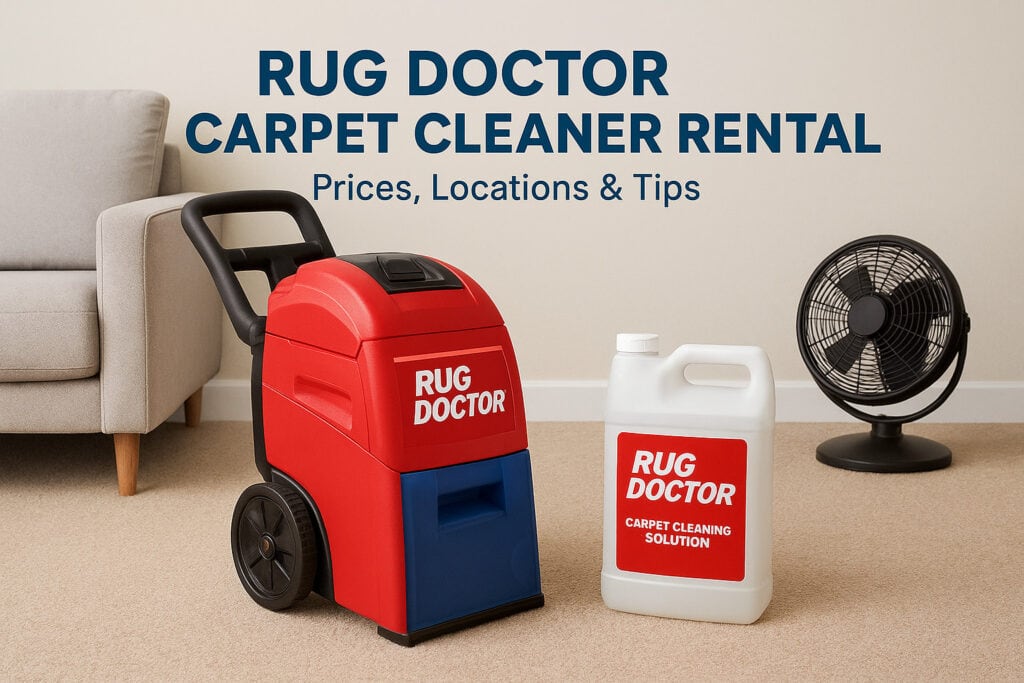
Sometimes your carpets need more than a regular vacuum can deliver, pet stains, high-traffic grime, or that mystery spot in the hallway that won’t budge. A Rug Doctor carpet cleaner rental is one of the most popular DIY solutions for tackling these problems without calling in a pro. But before you head to the nearest store, you’ll want to know exactly what it costs, where to find one, and how to get the best results. At AlphaLux Cleaning, we handle deep carpet cleaning across New York as part of our professional services. We know what works, and what doesn’t, when it comes to getting carpets truly clean. That hands-on experience gives us a practical perspective on DIY carpet cleaning machines and when they make sense for your situation. This guide breaks down Rug Doctor rental prices, pickup locations at stores like Walmart and Home Depot, machine operation tips, and the cleaning solutions you’ll need. Whether you decide to rent a machine yourself or hire a professional team to handle the job, you’ll walk away knowing your options inside and out. What to know before renting a Rug Doctor A Rug Doctor carpet cleaner rental works by injecting hot water and cleaning solution deep into carpet fibers, then suctioning the dirty water back out. This process, called hot water extraction, lifts embedded dirt, pet dander, and odors that a regular vacuum simply can’t reach. Before you pick one up at the store, you need a clear picture of what you’re renting, what it costs upfront, and how much time the whole job will take. The two machine models Rug Doctor offers two machines at most rental locations: the Wide Track and the Mighty Pro X3. The Wide Track has a 12-inch cleaning path and handles most standard rooms without issue. The Mighty Pro X3 features a wider cleaning head and stronger suction, which makes it the better choice for large areas or heavily soiled carpets. Both machines require Rug Doctor-brand cleaning solution, sold separately at the rental counter. Here’s a quick comparison to help you choose: Machine Cleaning Path Best For Wide Track 12 inches Single rooms, apartments Mighty Pro X3 16 inches Multiple rooms, heavy stains Pick the Wide Track for a single room and the Mighty Pro X3 if you’re cleaning multiple rooms or dealing with deep-set stains. What Rug Doctor can and can’t do The machine handles general dirt, pet odors, and surface-level staining well in most medium-pile carpets. However, old stains like dried wine, ink, or pet urine that has soaked into the carpet padding often need professional-grade pre-treatment and equipment to fully remove. You should also plan for carpet drying time. Most carpets stay damp for 6 to 12 hours after cleaning, so schedule your rental day around that window and move all furniture out of the room before you start. Step 1. Find a Rug Doctor rental near you Finding a Rug Doctor carpet cleaner rental near you takes less than a minute. Rug Doctor has a store locator on their official website where you enter your zip code to pull up nearby rental locations. Most rental kiosks sit near the entrance or in the cleaning supply aisle of major retailers, so you won’t need to ask for help locating them. Major retailers that carry Rug Doctor rentals Most large national chains stock Rug Doctor machines, so you likely have several options within a few miles of your home. Below are the most common stores where you can pick one up: Walmart (most locations nationwide) The Home Depot Lowe’s Kroger and affiliated grocery chains Fred Meyer Call your local store before driving over, since availability varies by location and some smaller stores may not carry both machine models. These stores keep machines at self-service kiosks, so you pay directly at the kiosk with a credit card and walk out with the machine the same day. Bring your credit card since most locations require it for the deposit hold, which we cover in the next step. Step 2. Understand pricing, deposits, and add-ons Knowing what you’ll pay before you get to the kiosk saves you from surprises at checkout. A rug doctor carpet cleaner rental comes with a base rental fee, a refundable deposit, and optional add-on products that can push the total higher than expected. Rental rates and deposit Most locations charge $35 to $45 for a 24-hour Wide Track rental and $50 to $60 for the Mighty Pro X3. On top of that, expect a deposit hold of $25 to $50 on your credit card, which the store releases once you return the machine undamaged. Return the machine on time; late returns often trigger an additional full-day charge. Item Typical Cost Wide Track (24 hours) $35-$45 Mighty Pro X3 (24 hours) $50-$60 Deposit hold $25-$50 Add-ons worth considering Rug Doctor sells cleaning solution, pet formula, and pre-treatment spray separately at the kiosk. Plan to spend an extra $15 to $30 on solution depending on how many rooms you’re cleaning. One bottle typically covers one to two average-sized rooms, so grab enough before you leave the store to avoid a second trip mid-job. Step 3. Get the right solution and prep the room Grabbing the machine is only half the job. Choosing the correct cleaning solution and setting up your room properly before you start will determine whether your rug doctor carpet cleaner rental delivers satisfying results or leaves you frustrated with damp, still-dirty carpets. Choose the right cleaning solution Rug Doctor sells several formula options at the rental kiosk. Picking the right formula for your situation makes a real difference in the final result. Use the guide below to match your needs: Situation Recommended Formula General dirt and grime Rug Doctor Carpet Cleaner Pet stains and odors Rug Doctor Pet Formula Tough or set-in stains Rug Doctor Spot and Stain Never substitute generic detergents or dish soap in the machine; they create excessive foam that can damage the motor and void your rental
Janitorial Services Long Island: The 2026 Guide to Commercial Facility Care
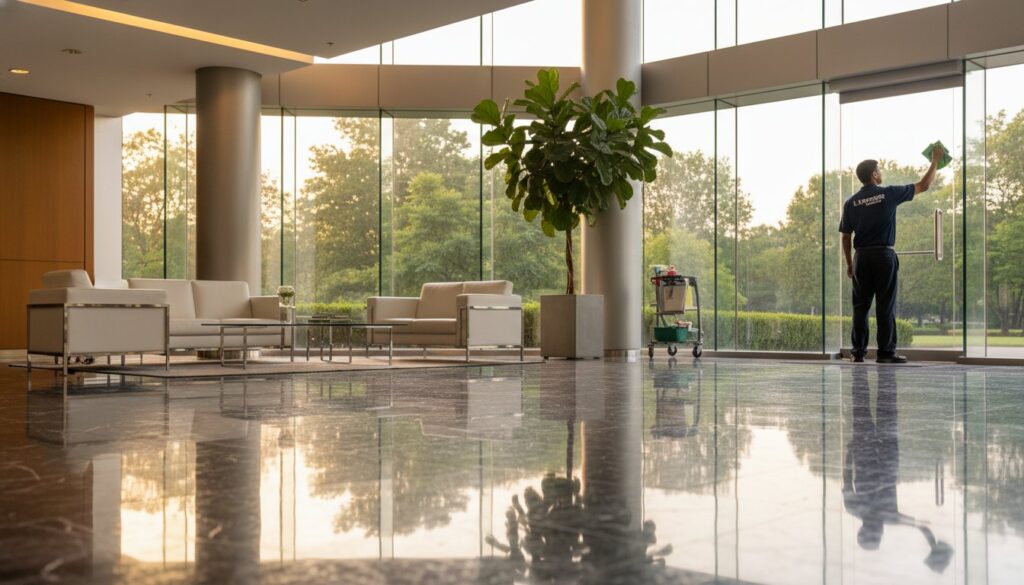
A 2024 facility management study revealed that 62% of office employees feel their productivity drops when they notice neglected corners or smell harsh, industrial chemicals. You already know that a clean workspace is the foundation of a professional reputation. You’ve likely dealt with the headache of unreliable crews who skip steps or fail to answer the phone when issues arise. It’s frustrating to settle for a service that leaves you worried about liability gaps or lingering bleach smells that irritate your team’s senses. When you invest in janitorial services Long Island businesses rely on, you deserve a partner who treats your facility with genuine precision and care. This 2026 guide will help you select a premium janitorial partner that elevates your environment from merely looking tidy to feeling truly pristine. We’ll show you how to find a vetted team that uses eco-friendly products to protect your staff’s health while providing the peace of mind that comes with full insurance coverage. We’ll break down the five critical standards for commercial care this year to ensure your facility remains a healthy, welcoming space that impresses every client who walks through your doors. Key Takeaways Understand the evolution of facility care and why modern standards shift the focus from visual cleanliness to biological health. Identify the five essential criteria for evaluating premium janitorial services long island to ensure your property is protected by vetted and insured professionals. Learn how to tailor maintenance protocols to your specific industry, from high-traffic retail centers in Garden City to specialized medical environments. Discover how to calculate the true ROI of professional care by protecting long-term assets and avoiding the hidden costs of subpar cleaning. Experience the peace of mind that comes when your commercial space doesn’t just look spotless but feels meticulously pristine and welcoming. Table of Contents What Defines Premium Janitorial Services on Long Island? 5 Essential Criteria for Evaluating a Janitorial Partner Tailoring Services to Long Island’s Diverse Business Needs Calculating the Real ROI of Professional Janitorial Services Why AlphaLux is the Premier Janitorial Choice on Long Island What Defines Premium Janitorial Services on Long Island? Premium janitorial services long island providers treat facility care as a recurring, high-stakes partnership rather than a simple checklist of chores. By 2026, the definition of a clean office has moved beyond the absence of dust. It’s now measured by biological health and atmospheric quality. While 78% of facilities previously prioritized visual aesthetics, modern Long Island businesses now demand data-backed sanitization. This shift means your cleaning partner must use hospital-grade disinfectants and HEPA-filter vacuums to ensure the air and surfaces are truly decontaminated. The AlphaLux philosophy centers on the idea that your workspace shouldn’t just look clean. It needs to feel clean. There is a specific, quiet satisfaction in walking into a room where the air is crisp and every surface is pristine. We move away from the “spray and wipe” tactics of national franchises. Instead, we focus on a boutique approach that prioritizes precision. When you choose a local expert, you’re investing in a team that takes pride in the health of the local community. Janitorial vs. Commercial Cleaning: Understanding the Difference Janitorial services provide the daily or weekly heartbeat of your facility. This includes tasks like restroom sanitation, trash removal, and floor maintenance. Commercial cleaning refers to heavy-duty, one-time projects such as carpet steaming or window washing. In 2025, 82% of corporate offices in areas like Melville and Hauppauge adopted a hybrid model. This gold standard combines consistent daily janitorial upkeep with scheduled quarterly deep cleans. It’s the most effective way to protect your building’s long-term value. The Local Advantage: Why Proximity Matters in Nassau and Suffolk Proximity is a strategic asset for your business operations. National chains often rely on distant call centers, but local janitorial services long island experts provide immediate accountability. Local teams understand the specific environmental challenges here, such as salt-air humidity in coastal towns or the strict waste management codes in the Town of Hempstead. Response times for emergencies, like a sudden spill or a last-minute VIP visit, often drop to under 90 minutes with a local partner. This reliability is why 64% of facility managers have transitioned away from national franchises since 2023. Faster Response: Emergency cleanups handled in hours, not days. Compliance: Deep knowledge of New York State health and safety mandates. Personalized Care: Direct access to owners who care about their reputation on the Island. 5 Essential Criteria for Evaluating a Janitorial Partner Selecting a provider for janitorial services long island requires looking far beyond a competitive price tag. A 2024 survey of New York facility managers revealed that 68% of businesses switched providers within the first year due to inconsistent quality or security concerns. To protect your investment, you must evaluate partners based on their operational depth and commitment to safety. A high-end partner should provide more than just a mop and bucket. They should offer a sophisticated management system that includes: Comprehensive Insurance: Verify at least $2,000,000 in General Liability and $1,000,000 in Workers’ Compensation. Direct Employment: Ensure the company uses W-2 employees rather than 1099 subcontractors to maintain strict quality control. Digital Quality Audits: Modern providers use GPS-verified reporting and monthly digital inspections to ensure standards never slip. Customized Scope: Avoid the “franchise trap” of rigid, pre-set packages that don’t account for your specific high-traffic zones. Sustainable Practices: Prioritize companies that use Green Seal certified products to protect your building’s long-term assets. When you request a personalized cleaning proposal, look for a partner who asks detailed questions about your facility’s unique traffic patterns and material finishes. The Importance of Vetted and Insured Professionals Security is the foundation of any commercial partnership. You should always ask to see a current Fidelity Bond, which protects your business against theft or property damage. While many low-cost providers use subcontracted labor to save on costs, this often leads to high turnover and security gaps. In-house teams are more reliable because they’re invested in the company’s culture and your facility’s
Home Depot Carpet Cleaner Rental: Cost, Process & Tips
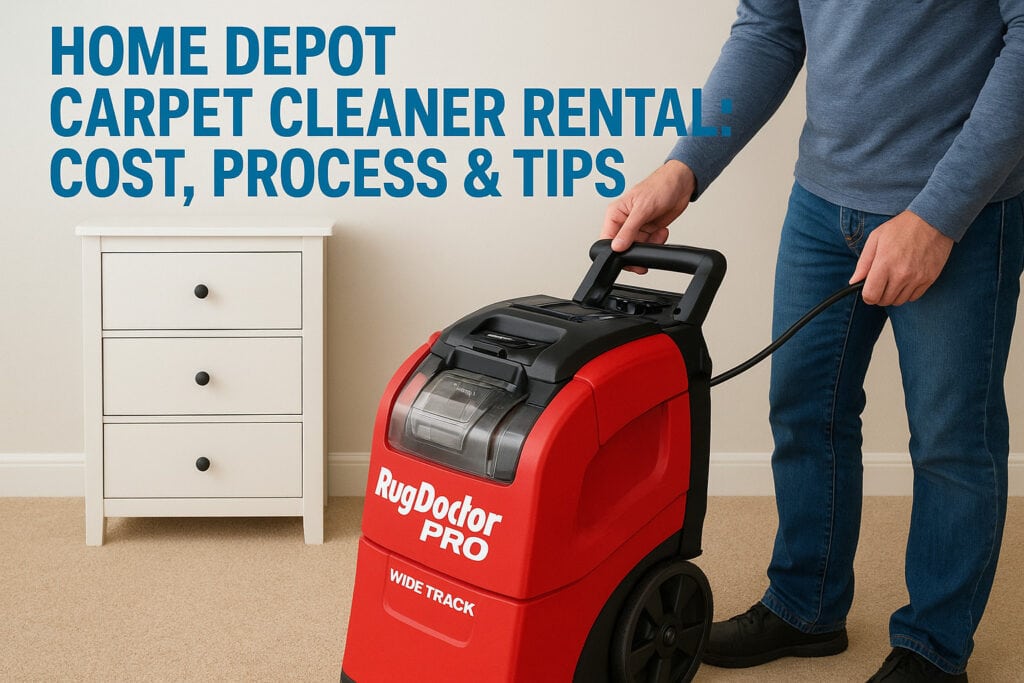
Carpets take a beating, foot traffic, pet accidents, spilled coffee, and everyday dust all add up fast. Sometimes a standard vacuum just isn’t enough, and that’s when a home depot carpet cleaner rental starts looking like a smart move. It’s one of the most accessible ways to deep clean your carpets without hiring out the job. At AlphaLux Cleaning, we handle carpet and deep cleaning jobs across New York every week, so we know exactly what these machines can (and can’t) do. We put this guide together to give you honest, practical details on Home Depot’s rental process, from costs and available machines to tips that actually make a difference in your results. Below, you’ll find everything you need to rent with confidence, avoid common mistakes, and decide whether a DIY rental or professional cleaning service is the better fit for your situation. What to know before you rent Before you head to the store, it helps to understand what the rental actually includes and what Home Depot expects from you. The home depot carpet cleaner rental program runs through a partnership with Rug Doctor, so the equipment, cleaning solutions, and rental terms are all managed under that arrangement. Knowing this upfront saves you from surprises at the counter. The machine you’ll get Home Depot carries the Rug Doctor Pro Wide Track as its primary rental unit. This is a full-sized, heavy upright machine with a wide cleaning path that works well on standard wall-to-wall carpeting. It uses a combination of hot water extraction and suction to pull dirt out of carpet fibers, which is the same general method professional cleaners use. Keep in mind that this machine is bulky and weighs around 40 pounds when filled, so if you have stairs or very tight spaces, plan ahead for how you’ll move it around. The Rug Doctor Pro Wide Track performs best on low-to-medium pile carpets. Very high-pile or shag rugs are harder to clean effectively with this machine, and you risk leaving excess moisture behind. What to bring and expect at checkout When you arrive, bring a valid government-issued ID and a credit or debit card. Home Depot requires a card on file for the rental deposit, which typically ranges from $50 to $100 depending on the machine and location. Staff will ask you to sign a rental agreement that covers return time, damage terms, and cleaning solution requirements. Most locations stock Rug Doctor-brand cleaning solutions right next to the rental area, and you’ll need to purchase those separately from the rental fee itself. How much it costs and what’s included Understanding the full cost of a home depot carpet cleaner rental before you go helps you budget accurately and avoid surprises at checkout. The rental fee only covers the machine itself, so factor in cleaning solution and the deposit when planning your trip. Rental rates and deposit The Rug Doctor Pro Wide Track typically rents for around $29.99 for a 24-hour period or roughly $39.99 for 48 hours, though rates can vary slightly by location. Home Depot holds a refundable deposit of $50 to $100 on your card until you return the machine in good condition. Rental Period Approximate Cost 24 hours ~$29.99 48 hours ~$39.99 Deposit (refundable) $50 to $100 Cleaning solution costs Rug Doctor cleaning solution is sold separately and runs about $20 to $30 per bottle depending on the formula. For a standard home, one bottle covers roughly 400 to 600 square feet, so larger spaces will require more than one. Pick up your solution at the same rental station to make sure you grab a formula that works with the machine. Always buy more solution than you think you need. Running out mid-job means stopping, driving back to the store, and cutting into your rental window. How to rent a carpet cleaner at Home Depot The process for a home depot carpet cleaner rental is straightforward once you know what to expect. You can walk in directly or check availability online before you make the trip, which saves time. Step-by-step rental process Follow these steps to pick up your rental without delays: Check availability at your local Home Depot on the Rug Doctor website or by calling the store directly. Bring a valid ID and a credit or debit card to the rental counter. Sign the rental agreement and confirm your exact return time with the associate. Buy your cleaning solution at the rental station before you leave. Load the machine into your vehicle. The Rug Doctor Pro Wide Track fits in most SUVs with the rear seats folded down. Confirm your return time before you leave the counter. Going over your rental window even slightly can trigger extra charges. What to do if stock is unavailable Availability varies by location, so call ahead or check the Rug Doctor website before you drive over. If the unit is not available at your store, staff can point you to a nearby Home Depot that has one in stock. How to use the rental to get better results Getting the machine home is only half the job. How you prepare your space before cleaning and how you operate the machine both shape the final result. A few targeted steps make the difference between carpets that look refreshed and ones that come out damp and streaky when using a home depot carpet cleaner rental. Prep the room before you start Vacuum the entire area thoroughly before you fill the machine with water. This removes loose dirt, pet hair, and debris that would otherwise clog the Rug Doctor or get pushed deeper into the fibers. Move all furniture out of the room, or shift it to one side so you can work in long, uninterrupted passes without stopping mid-row. Run the machine slowly and in straight lines Slow, steady passes give the machine time to inject solution deep into the fibers and suction it back out. Rushing leaves excess moisture in the pile, which leads to longer
One Time Deep Clean Apartment NYC: The 2026 Luxury Standard

Have you ever spent an entire Saturday scrubbing your kitchen, only to realize the air still carries that unmistakable scent of old NYC dust? It’s a…
Lowe’s Carpet Cleaner Rental: Cost, Process & Tips (2026)
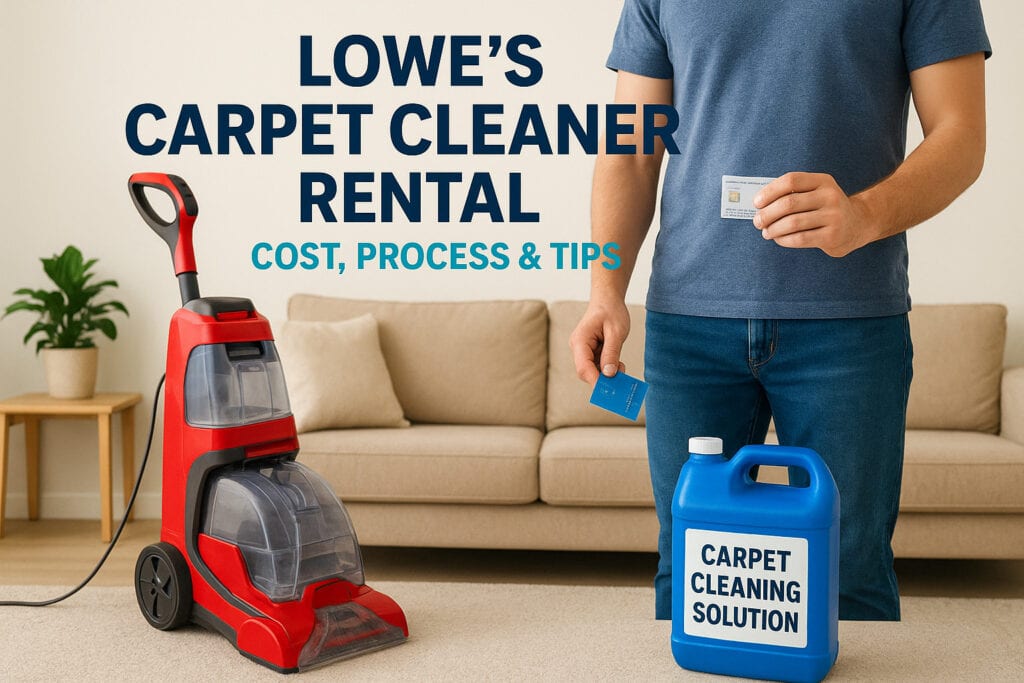
Renting a carpet cleaner can save you a significant amount compared to hiring a one-time carpet cleaning service, especially if you’re tackling a quick refresh between professional deep cleans. A Lowe’s carpet cleaner rental is one of the most accessible options out there, available at hundreds of locations and ready to pick up the same day you need it. At AlphaLux Cleaning, we handle deep cleaning for homes and businesses across New York, and we know that sometimes clients prefer to maintain their carpets themselves between scheduled visits. That’s exactly why we put this guide together. Whether you’re prepping a space for move-in day or just dealing with stubborn stains, knowing what Lowe’s charges, which machines they carry, and how the rental process works will help you make a confident decision before you drive to the store. Below, we break down the current rental costs, walk you through the step-by-step process from pickup to return, and share practical tips to get the best results from your rented machine, so you’re not left wondering if you missed a step or overpaid for the wrong option. What to know before you rent from Lowe’s Lowe’s partners with Rug Doctor and BISSELL to offer carpet cleaner rentals at most store locations. Before you show up expecting a specific machine, it’s worth calling ahead or checking the Lowe’s website to confirm what’s available at your store. Availability varies by location, and some smaller stores only stock one brand. Always confirm availability online or by phone before making the trip, since stock can be limited on weekends and holidays. Which machines Lowe’s carries A Lowe’s carpet cleaner rental typically gives you a choice between two main machine types. The Rug Doctor Mighty Pro X3 is a heavy-duty upright machine suited for whole-room cleaning. The BISSELL BigGreen is another commercial-grade option you’ll find at select locations. Both machines handle most carpet types, but they differ in tank size and water pressure, so the better pick depends on how large an area you’re cleaning. Machine Best For Approx. Tank Size Rug Doctor Mighty Pro X3 Large rooms, heavy soiling 1.5 gallons BISSELL BigGreen Medium rooms, general maintenance 1.75 gallons What you’ll need to bring You’ll need a valid photo ID and a credit or debit card to complete the rental transaction. Lowe’s places a hold on your card for the rental period, so make sure your card has enough available balance to cover both the rental fee and the deposit. Cash is generally not accepted for equipment rentals. Beyond your payment method, keep your vehicle size in mind before heading to the store. These machines are bulky, and a standard sedan trunk may not fit a Rug Doctor without folding down the back seats. An SUV or minivan makes transport much easier. Step 1. Check current pricing and availability Before you load anything into your car, check the Lowe’s website to confirm pricing and verify your local store has a machine in stock. Rental rates can shift slightly by location, but the numbers below reflect typical pricing for a Lowe’s carpet cleaner rental in 2026. Current rental prices Rug Doctor and BISSELL rentals are priced by rental period, not by square footage. You pay a flat rate and return the machine when your time is up. Machine 24-Hour Rental 48-Hour Rental Rug Doctor Mighty Pro X3 ~$29.99 ~$49.99 BISSELL BigGreen ~$34.99 ~$54.99 Cleaning solution is sold separately and typically adds $10 to $25 to your total cost, depending on the formula you choose. How to check availability before you go Visit the Lowe’s tool rental page, enter your zip code, and filter by "carpet cleaner" to see what your nearest store carries. You can also call the store directly and ask the tool rental desk to hold a machine for you, which is especially useful on weekends when stock tends to move fast. Step 2. Pick up the machine and the right supplies When you arrive at Lowe’s, go straight to the tool rental desk with your ID and payment card. Staff will process the rental and hand over the machine. Confirm exactly when your rental period ends before you leave so you can plan your cleaning schedule accordingly. Choose the right cleaning solution Lowe’s sells Rug Doctor and BISSELL branded formulas right next to the rental machines. Standard carpet detergent handles routine dirt and light soiling well, but if you’re dealing with pet odors or heavy stains, grab a formula specifically designed for those issues since a basic solution won’t cut through odor-causing residue effectively. Standard carpet formula: light soiling and routine refreshing Pet odor formula: biological stains and odor removal Spot treatment spray: pre-treating stubborn stains before machine cleaning What to check at pickup Inspect the machine before you leave the store. Confirm that both tanks are present, the hose connects properly, and there are no visible cracks or damage on the body. Both water tanks present and securely attached Hose connection is tight with no cracks Brush roll spins freely Ask the rental desk to demonstrate basic operation if this is your first Lowe’s carpet cleaner rental. Step 3. Clean your carpets and return the rental Before you run the machine, vacuum the entire area to remove loose debris and pet hair. Skipping this step forces the carpet cleaner to work against dry dirt, which reduces suction and leaves residue behind. Fill the clean water tank with hot tap water and the amount of cleaning solution listed on the bottle. How to run the machine correctly Work in slow, overlapping passes moving backward so you never step on freshly cleaned carpet. Press the trigger on the forward stroke to spray and scrub, then release it on the pull-back stroke to extract dirty water. Repeat each pass twice over stained or high-traffic areas to pull up more residue. Allow 4 to 6 hours of drying time before placing furniture back or walking on the carpet in shoes. Returning the machine on time Empty and
The Ultimate Checklist for a Stress-Free Move Out Cleaning in 2026
You’ve spent 14 hours packing boxes and navigating narrow New York stairwells, yet the hardest part still looms: the final walk-through. A single…
Post Construction Cleaning Company: Services, Costs & Tips
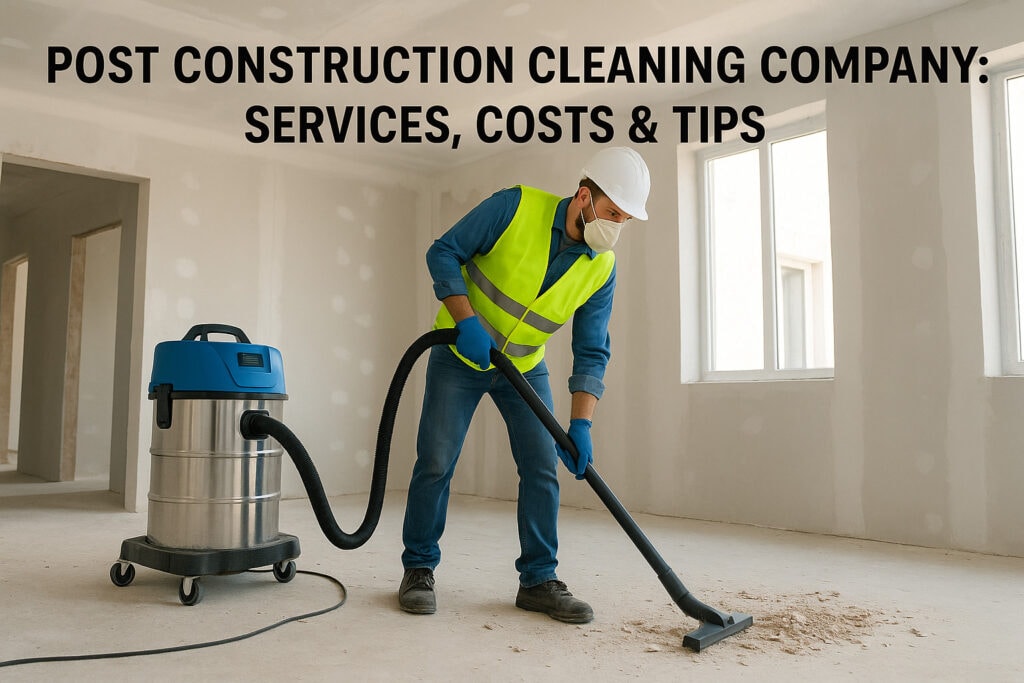
A finished renovation or new build should feel exciting, but that excitement fades fast when you’re staring at layers of dust, adhesive residue, and debris covering every surface. That’s exactly where a post construction cleaning company comes in. These specialized crews handle the heavy-duty cleanup that regular cleaning can’t touch, turning a construction zone into a move-in-ready space you can actually use and enjoy. At AlphaLux Cleaning, we’ve seen firsthand how much work goes into restoring a property after construction wraps up. Our team serves homes and businesses across New York, and we know that post-construction cleanup is one of the most demanding, and most misunderstood, types of cleaning work out there. It requires specific methods, the right products, and a crew that won’t cut corners on the details. Whether you’re a homeowner finishing a kitchen remodel, a property manager preparing units for new tenants, or a contractor who needs a reliable cleaning partner, this guide breaks it all down. We’ll walk through what post-construction cleaning actually involves, what it typically costs, and practical tips for choosing the right company. By the end, you’ll have a clear picture of what to expect, and what to look for, before you hire. What a post construction cleaning company does A post construction cleaning company specializes in removing the debris, dust, and residue that construction work leaves behind. This isn’t your standard weekly tidy-up. Construction sites generate fine silica dust, adhesive film, paint splatter, grout haze, and leftover materials that require specialized equipment and techniques to remove safely and completely. Regular cleaning crews typically aren’t trained or equipped to handle this level of buildup, which means you need a crew with the right expertise to get the job done properly. The scope goes beyond basic cleaning When a construction project finishes, every surface in the building has been touched by debris. Drywall dust settles into vents, window tracks, and cabinet interiors. Workers leave behind adhesive residue, caulk smears, and concrete splatter on floors, counters, and fixtures. A post-construction cleaning crew addresses all of this systematically, working from top to bottom so that dust and debris don’t fall onto surfaces that have already been cleaned. The goal isn’t just visible cleanliness – it’s getting your space to a standard where you can move in, work, or operate without any trace of the construction process. What’s typically included in the work Most post construction cleaning companies cover a detailed checklist of tasks across every room and surface. Here’s what that typically includes: Vacuuming and wiping all surfaces, including ceilings, walls, and baseboards Cleaning windows, sills, and removing protective film from glass and hardware Scrubbing floors and removing adhesive or grout haze Cleaning inside cabinets, drawers, and closets Sanitizing bathrooms and kitchens after fixture installation Clearing debris from vents and light fixtures Each task requires the right tools. HEPA-filter vacuums pull fine construction dust from surfaces that regular vacuums miss, and professional-grade degreasers handle adhesive residue that standard cleaners simply can’t dissolve. When to hire one and who handles cleanup The right time to bring in a post construction cleaning company is after the last contractor leaves and before anyone moves in or starts using the space. At that point, construction debris and fine dust have had time to settle across every surface, and the space needs a thorough pass before it’s safe or functional. Scheduling your cleaning crew too early, while trades are still working, wastes money and effort. Waiting until construction is fully complete before booking your cleaning crew saves you from paying for the same work twice. Who is responsible for post-construction cleanup Responsibility depends on your contract. On residential projects, the homeowner typically arranges cleanup independently. On commercial builds or major renovations, a general contractor may include post-construction cleaning in their scope, but often they only handle rough debris removal, not the detailed work a professional cleaning crew provides. If you’re a property manager or landlord, the responsibility falls on you to ensure the unit meets tenant expectations before move-in. Regardless of who signs the check, the actual cleaning work should always go to a trained, insured crew with the right equipment to do the job properly. Services and the three-phase cleaning process A reputable post construction cleaning company structures its work into three phases rather than one big sweep. This phased approach ensures that no surface gets contaminated again after it’s been cleaned, and that every detail gets the right attention at the right time. Phase one: rough clean The first phase focuses on removing bulk debris from the site. Crews haul out leftover materials, sweep floors, and pull protective coverings from fixtures and surfaces. This pass clears the space enough for the detailed work to begin. Phase two: detail clean Phase two is where the intensive work happens. Crews vacuum all surfaces with HEPA-filter equipment, wipe down walls, scrub floors, clean inside cabinets, and remove adhesive residue from glass and fixtures. This phase takes the most time and requires the sharpest attention. Skipping or rushing the detail clean is where most cleanup jobs fall short, and where a professional crew makes the biggest difference. Phase three: final clean The final phase is a thorough walkthrough and touch-up pass. Crews check every room for missed spots, polish surfaces, and confirm the space meets the standard required for occupancy. You get a property that’s genuinely ready to use. Cost factors and typical pricing in New York Post-construction cleaning costs in New York depend on several variables, not just square footage. Most post construction cleaning companies quote based on property size, but debris volume, surface types, and timeline all shift the final number significantly. Getting an on-site estimate rather than a phone quote gives you a much more accurate price. What drives the price up or down Several factors affect your final quote. Property size drives the base cost, but surface complexity matters just as much. Floors with adhesive residue or textured walls take more labor than open concrete. Accessibility and the