Cleaning Services for Immunocompromised Individuals: A Guide to Health-First Home Care
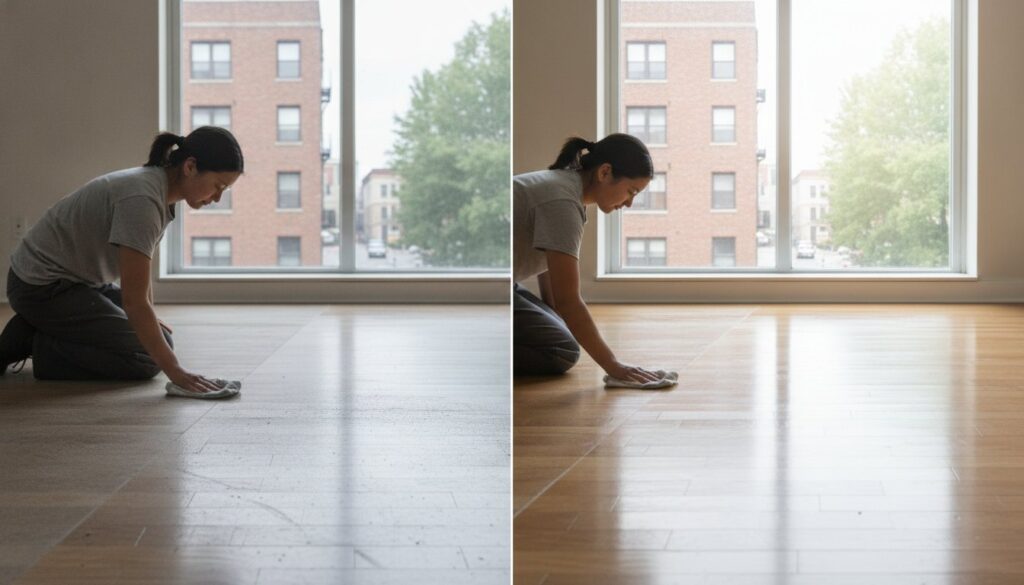
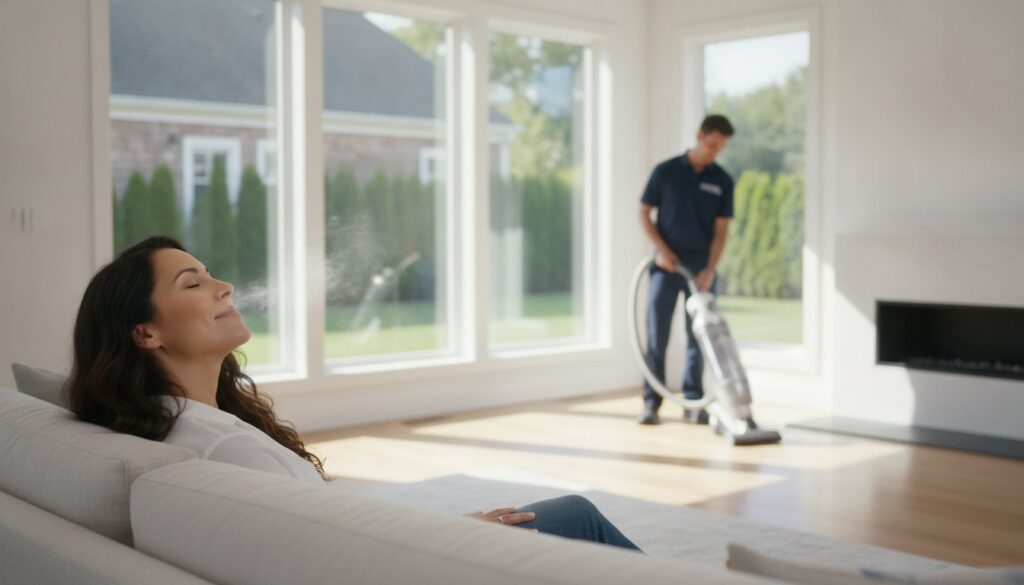
What if the very products meant to sanitize your living space are actually making it harder for your body to heal? For many, the traditional scent of bleach doesn’t signal safety; it signals a potential respiratory trigger. You understand that maintaining a home for someone with a weakened immune system requires more than just a tidy appearance. It demands a level of precision that is often physically exhausting to achieve alone. When you consider professional cleaning services for immunocompromised individuals, the fear of cross-contamination or harsh chemical exposure can feel like a significant barrier to getting the help you need. We believe your home should be a restorative sanctuary rather than a source of stress. In this guide, you’ll discover how specialized, health-first protocols use non-toxic supplies to achieve a clinically clean environment without compromising your comfort. We will examine the rigorous safety standards established by the New York HERO Act, the effectiveness of EPA Safer Choice certified products, and the specific techniques professionals use to reduce pathogens while protecting your health. By the end, you will see how a meticulously managed cleaning routine can provide the lasting peace of mind you deserve. Key Takeaways Understand why true health-first care prioritizes microscopic pathogen reduction and indoor air quality over simple surface aesthetics. Learn how professional cleaning services for immunocompromised individuals employ HEPA filtration and color-coded microfiber systems to eliminate the risk of cross-contamination. Discover the critical importance of using non-toxic, low-VOC cleaning supplies to protect sensitive respiratory systems from harsh chemical inflammation. Identify the essential credentials to verify when choosing a cleaning partner, including specialized training and comprehensive insurance protections. Explore how a meticulous, professional approach to recurring cleaning provides the peace of mind necessary for a restorative home environment. Table of Contents What is Specialized Cleaning for Immunocompromised Individuals? Professional Protocols for a Pathogen-Free Home The Myth of Harsh Chemicals: Why Non-Toxic is Safer How to Choose the Right Cleaning Partner in New York AlphaLux Cleaning: Your Partner in Health and Safety What is Specialized Cleaning for Immunocompromised Individuals? Specialized cleaning is more than just a luxury; it’s a medical necessity for those living in an immunocompromised state. While standard housekeeping focuses on removing clutter and dust, health-first cleaning prioritizes the reduction of invisible pathogens and the improvement of indoor air quality. It’s the difference between a room that looks tidy and one that is biologically safe. For anyone whose immune system is suppressed, the presence of bacteria, viruses, or mold spores isn’t just an inconvenience. It’s a direct threat to their physical well-being. A home can appear spotless while still harboring dangerous microbes on high-touch surfaces. Professional cleaning services for immunocompromised individuals move beyond the aesthetic. These experts focus on “log reduction,” which is a mathematical term used to describe the percentage of germs killed during the cleaning process. By targeting high-touch points like door handles, remote controls, and light switches, specialized cleaners disrupt the most common pathways for opportunistic infections. This meticulous approach ensures that the environment supports healing rather than hindering it. Standard housekeeping often relies on the same tools throughout a home, which can inadvertently spread germs from the bathroom to the kitchen. In contrast, specialized cleaning services for immunocompromised individuals utilize strict protocols, such as color-coded systems and HEPA filtration, to ensure that no cross-contamination occurs. This level of intentionality transforms a routine chore into a professional craft that supports your long-term health and mental clarity. It provides a sense of control and relief that visual tidiness alone cannot offer. Who Benefits from Health-Centric Cleaning? This level of care is essential for several vulnerable groups whose bodies cannot easily fight off environmental pathogens. We focus on providing a safe haven for: Post-operative and transplant recovery patients who require near-sterile environments to prevent complications during the critical healing phase. Individuals managing chronic autoimmune conditions like Lupus or Rheumatoid Arthritis, where reducing environmental triggers is key to managing inflammation. Families with medically fragile members, including children with underlying health issues or seniors who are more susceptible to severe respiratory infections. The Difference Between Sanitization and Disinfection It’s vital to understand that sanitizing and disinfecting are not the same thing. Sanitizing reduces bacteria to levels considered safe by public health standards, while disinfecting actually kills the majority of viruses and fungi. Effective cleaning for sensitive health needs requires products that achieve high log reduction without introducing toxic fumes or Volatile Organic Compounds (VOCs). We choose “green” solutions that are EPA-certified to be tough on pathogens but gentle on your lungs. To ensure these products work correctly, the disinfectant must remain wet on a surface for a specific period, known as dwell time, to fully neutralize harmful microbes. Professional Protocols for a Pathogen-Free Home Creating a safe environment for those with sensitive health needs requires more than effort; it requires a systematic methodology. Professional cleaning services for immunocompromised individuals rely on specific workflows designed to move pathogens out of the home rather than simply shifting them around. We utilize a strict top-to-bottom approach, ensuring that any dust or particulates disturbed during the process are captured as we work toward the floor. This logic extends to the order of rooms, where we always move from the cleanest areas to the most heavily used spaces. This sequence is a fundamental safeguard against the accidental transfer of bacteria from high-risk zones into personal sanctuaries. Touchpoint management is another critical pillar of a medical-grade clean. Objects that are handled dozens of times a day, such as doorknobs, light switches, and television remotes, often serve as reservoirs for germs. Our technicians treat these surfaces with intentionality, ensuring that disinfectants receive the necessary contact time to be effective. When selecting the agents for these tasks, we prioritize products recognized by the EPA’s Safer Choice program. This ensures that the high-touch areas you interact with most are free from both harmful microbes and aggressive chemical residues. If you’re looking for a partner who understands these nuances, our recurring cleaning options provide a consistent layer
Deep Kitchen Cleaning Services NYC: The Ultimate Professional Guide for 2026
What if the heart of your Manhattan home is harboring layers of urban soot and hidden grease that a standard wipe-down simply cannot reach? You likely spend significant time maintaining your living space, yet the persistent film on your cabinets and the dust infiltrating from the busy streets often feel like an endless challenge. It’s difficult to feel truly at ease in a kitchen when you’re worried about hidden bacteria or the harsh chemicals found in many store-bought cleaners. We understand that your time is a premium resource and your health is a top priority. By choosing professional deep kitchen cleaning services nyc, you can transform your high-traffic cooking area into a pristine, health-conscious sanctuary. This guide will show you exactly how a meticulous, professional approach eliminates deep-seated allergens and restores your appliances to a showroom-quality finish. We’ll walk through the essential 2026 standards for a thorough restoration and provide the clarity you need to select a dependable partner who treats your home with the respect it deserves. Key Takeaways Understand how NYC’s unique environmental factors, such as urban soot and grease accumulation, make periodic restorative cleaning a necessity for a healthy home. Identify the specific high-touch areas and “top-to-bottom” techniques that distinguish a professional restoration from a standard surface tidy. Compare the specialized tools and heavy-duty degreasers used in deep kitchen cleaning services nyc against the equipment used for standard weekly maintenance. Learn the essential vetting criteria for NYC service providers, focusing on insurance for high-rise buildings and the use of professional-grade HEPA filtration. Discover how eco-friendly, high-performance products can transform your kitchen into a pristine culinary sanctuary without the use of harsh, toxic chemicals. Table of Contents Why Professional Deep Kitchen Cleaning is Essential in NYC Residences The Anatomy of a Comprehensive Deep Kitchen Cleaning Service Standard vs. Deep Kitchen Cleaning: Which Do You Need? What to Look for in NYC Deep Kitchen Cleaning Services Experience the AlphaLux Cleaning Standard in Your NYC Kitchen Why Professional Deep Kitchen Cleaning is Essential in NYC Residences Maintaining a kitchen in Manhattan or Brooklyn involves more than just clearing the counters. In a city where life moves at a relentless pace, your kitchen often bears the brunt of daily activity. Professional deep kitchen cleaning services nyc offer a restorative process that goes far beyond the capabilities of a standard weekly tidy. While a typical cleaning focuses on surface aesthetics, a deep clean targets the deep-seated grime and bacteria that accumulate in the shadows of your most high-traffic health zone. High-density living in New York means that your kitchen is likely working harder than its suburban counterparts; this leads to an accelerated rate of wear and tear that requires specialized attention to correct. The unique environmental factors of the city present a constant challenge for local residents. Urban soot, a fine particulate matter caused by dense traffic and city air, has a way of infiltrating even the most well-sealed apartments. This dust settles into porous surfaces and mixes with the microscopic particles of oil that escape your stovetop during cooking. Over time, this creates a stubborn, tacky film that traps allergens and compromises the integrity of your cabinetry and appliance finishes. Addressing this buildup requires more than a simple sponge. It demands a professional approach to ensure the environment remains healthy and functional. The “Invisible” Grime of Urban Living Microscopic pollutants often find a permanent home on top of high cabinets and behind heavy appliances where standard tools cannot reach. These areas become magnets for aerosolized cooking oils, which act as an adhesive for dust and pet dander. Neglecting these hidden corners doesn’t just affect the look of your space. It has direct implications for food safety and hygiene. When grease is allowed to sit, it can become a breeding ground for bacteria, potentially contaminating the very surfaces where you prepare your meals. Professional deep kitchen cleaning services nyc utilize specific techniques to neutralize these invisible threats, ensuring every inch of your kitchen is truly sanitized. Reclaiming Your Culinary Sanctuary Your kitchen is the heart of your home and a primary site for wellness and creativity. It’s difficult to find culinary inspiration when you’re distracted by persistent grease or the feeling that the space is never truly sanitized. A deep clean provides more than just a visual transformation; it offers profound psychological relief. Walking into a kitchen that feels showroom-quality allows you to focus on your cooking rather than your to-do list. By outsourcing this intensive labor, you reclaim your valuable weekend time to enjoy the city while knowing your food preparation area is a safe, pristine sanctuary. The Anatomy of a Comprehensive Deep Kitchen Cleaning Service A professional restoration follows a strict, logical sequence designed to achieve a level of cleanliness that maintenance wipes simply cannot reach. This process begins with a top-to-bottom philosophy. Technicians start at the highest points of the room, such as ceiling fans, recessed light fixtures, and the tops of high cabinets. By working from the ceiling down to the floor, we ensure that any dislodged dust or particulates land on surfaces that haven’t been sanitized yet. This systematic approach prevents cross-contamination and ensures every inch of the space receives attention. High-touch surfaces like light switches, cabinet pulls, and faucet handles are treated with focused care to eliminate germs in these high-traffic contact zones. During a deep clean, moving small appliances is a mandatory step. Toasters, blenders, and coffee makers are relocated to scrub the countertops and backsplashes underneath them where crumbs and grease often hide. We pay special attention to grout lines, using specialized tools to lift stains and bacteria from these porous areas. This meticulous attention to detail is what defines premium deep kitchen cleaning services nyc provided by our team. By addressing these hidden areas, we create a kitchen that isn’t just visually clean, but fundamentally sanitized. Beyond the Surface: Professional Degreasing Standard household cleaners often fail against the stubborn film that develops in active kitchens. Professional-grade degreasing is the removal of polymerized
Post-Construction Cleaning Prices Per Square Foot 2026: The Complete NY Guide

What if the most overlooked risk to your new New York renovation isn’t the plumbing or the electrical, but the microscopic silica dust that settles long after the contractors leave? It’s a common frustration to find fine white powder reappearing on surfaces just days after you thought the job was finished. You want a space that feels like a sanctuary, not a construction site. Gaining clarity on post construction cleaning prices per square foot 2026 helps you move past the uncertainty of unpredictable costs and focus on the relief of a pristine, healthy environment. We agree that your new investment deserves more than a standard sweep; it requires a meticulous restoration that protects both your surfaces and your peace of mind. This article will show you how to budget for a professional, white-glove finish that ensures your space is truly move-in ready without any hidden fees. We’ll explore the industry-standard three-phase cleaning process, the impact of local NYC labor trends, and the essential steps to safeguard your property for the long term. Key Takeaways Understand why post-construction cleaning is a technical restoration process that requires specialized equipment to remove hazardous silica and drywall dust. Discover the transparent factors driving post construction cleaning prices per square foot 2026 to ensure your New York project stays within budget. Learn the three essential phases of a professional cleanup, from the initial rough debris removal to the final white-glove touch-up. Evaluate the differences between square foot pricing and hourly rates to choose the most predictable model for your specific renovation size. Identify how AlphaLux Cleaning standards and eco-friendly practices protect your new investment and provide immediate mental clarity upon moving in. Table of Contents The True Scope of Post-Construction Cleaning in 2026 Factors Influencing Price Per Square Foot in New York The Three Essential Phases of a Professional Cleanup Evaluating Pricing Models: Square Foot vs. Flat Fee The AlphaLux Cleaning Standard for Post-Construction Excellence The True Scope of Post-Construction Cleaning in 2026 Post-construction cleaning is far more than a final sweep or a quick wipe-down. In 2026, we define this service as a technical restoration of the property. Once the construction process concludes, the environment is often saturated with microscopic debris that standard methods simply cannot reach. Moving from a “job site” to a “healthy living environment” requires a deliberate, meticulous approach. This transition ensures that your new investment isn’t just visually appealing but also safe for immediate occupancy. It’s about the relief of knowing every corner is truly clean and free from the remnants of heavy labor. The 2026 shift toward health-focused cleaning standards reflects a broader understanding of indoor environmental quality. We no longer just look for a surface-level “sparkle”; we look for the complete absence of health risks. This involves neutralizing the fine sawdust and drywall particulates that settle in the most inconspicuous places, such as inside cabinet hinges or along the tops of door frames. When you consider the post construction cleaning prices per square foot 2026, you aren’t just paying for a cleaner space. You’re investing in a specialized craft that prioritizes the health and safety of everyone who enters the building. Why Standard Cleaning Isn’t Enough Standard cleaning focuses on visible soil and daily dust. However, construction creates heavy, abrasive particulates like silica and gypsum that require professional-grade intervention. Using a residential vacuum on these materials is often counterproductive. These machines usually lack the high-performance seals required to trap fine dust, effectively venting irritants back into your breathing zone. True air quality is only achieved through industrial-grade HEPA filtration, which captures 99.97% of particles as small as 0.3 microns. This technical precision is a key factor when evaluating post construction cleaning prices per square foot 2026 in the New York market. Professional teams use specialized tools to pull dust from porous surfaces rather than just moving it around. The Health and Safety Imperative Your respiratory health is the primary concern during any post-build phase. Fine dust can linger in HVAC systems and behind intricate moldings for months if it isn’t professionally addressed. By removing these hidden allergens and irritants, we create a space that supports long-term wellness and mental clarity. It’s a commitment to your physical comfort and the protection of your new surfaces. New building materials often undergo an “off-gassing” period where they release volatile organic compounds, and a thorough, professional cleaning helps mitigate these odors and chemical residues by removing the dust that traps them. This meticulous care transforms a building into a sanctuary. Factors Influencing Price Per Square Foot in New York New York City presents a unique economic environment for any service industry. When calculating post construction cleaning prices per square foot 2026, labor rates remain the most significant variable. Because the cost of living in New York is roughly 130% higher than the national average, professional teams must compensate skilled technicians accordingly to maintain the high standards you expect. Beyond labor, the complexity of the architecture itself plays a role. A minimalist loft with flat surfaces is priced differently than a historic brownstone featuring intricate crown moldings and delicate marble finishes. These details require specialized care and slower, more intentional movements to protect your new investment. Project size also influences the final quote through economies of scale. While larger spaces often see a lower per-unit cost, 2026 has seen a rise in construction waste disposal fees due to stricter environmental regulations. These costs are often reflected in the total project estimate. Adhering to OSHA housekeeping standards ensures that debris is handled safely and legally, which is a standard practice for reputable firms. If you’re currently planning a renovation, it’s helpful to partner with experts who understand these regional complexities and can provide a reliable, unhurried service. Residential vs. Commercial Pricing Drivers Residential projects often demand a higher level of detail. Homeowners expect a “white-glove” finish where every drawer and light fixture is hand-wiped. Commercial projects, while often larger, carry different overhead costs. These include higher insurance premiums and strict compliance with building
Eco-Friendly Apartment Cleaning NYC: The 2026 Guide to a Healthier Home

While most traditional vacuums simply redistribute fine dust, professional-grade HEPA filtration systems capture 99.97% of particles as small as 0.3 microns. For New Yorkers living in dense high-rise environments, this technical precision is the difference between a surface that looks clean and a home that truly supports your health. You shouldn’t have to choose between a spotless floor and the safety of your children or pets who play on it. It’s exhausting to manage a high-stress career while worrying about the chemical residues and volatile organic compounds left behind by standard detergents. This 2026 guide reveals how professional eco-friendly apartment cleaning nyc transforms your living space into a genuine sanctuary through advanced green technology and meticulous care. You’ll discover how to achieve a home that smells naturally fresh while reclaiming your precious personal time for the things that matter most. We will cover the latest New York State VOC regulations, the science of third-party certified disinfectants, and how a customized housekeeping routine provides the lasting peace of mind you deserve. Key Takeaways Understand how NYC-specific environmental factors like street soot and urban dust compromise high-rise air quality and how to effectively mitigate them. Identify the essential 2026 non-toxic certifications and plant-based standards required for a truly effective eco-friendly apartment cleaning nyc. Learn to evaluate your home’s specific needs to choose between a restorative deep clean or a reliable recurring maintenance schedule. Discover simple daily habits and natural air purification techniques that help maintain a sanctuary-like environment between professional visits. Explore how a meticulous housekeeping service serves as a vital lifestyle solution for achieving mental clarity and reclaiming your personal time. Table of Contents The Importance of Eco-Friendly Apartment Cleaning in NYC’s Urban Environment Defining the Standard: What Qualifies as Non-Toxic Cleaning in 2026? Standard vs. Deep Green Cleaning: Choosing the Right Service Sustainable Maintenance: Keeping Your NYC Apartment Green Between Visits AlphaLux Cleaning: Elevating NYC Living Through Meticulous Care The Importance of Eco-Friendly Apartment Cleaning in NYC’s Urban Environment True Green cleaning is far more than a marketing label or a pleasant scent. It represents a meticulous, science-based approach to maintaining a home that supports human health and environmental longevity. In a city where living spaces are often compact and shared with millions of neighbors, the quality of your indoor environment directly impacts your daily vitality. Most New Yorkers view their apartments as a sanctuary from the frantic energy of the streets, yet the air inside can often be more polluted than the air outside. New York City apartments face a unique set of environmental challenges. High-rise living doesn’t protect you from the fine particulate matter rising from the avenues below. Street soot, rubber particles from tires, and industrial dust constantly infiltrate even the most modern Manhattan and Brooklyn residences. When you choose eco-friendly apartment cleaning nyc, you aren’t just tidying up; you’re actively removing these urban pollutants that settle into your upholstery and floorboards. This process is essential for creating a space where you can truly breathe and recover. Combating the NYC “Urban Dust” Phenomenon Fine particulate matter is a persistent guest in NYC homes. Traditional cleaning methods often rely on aggressive chemicals that create a sticky residue. This residue actually traps urban dust rather than eliminating it, creating a cycle where pollutants remain embedded in your carpets and fabrics. Professional green cleaning disrupts this cycle. By utilizing HEPA filtration vacuums, we can capture 99.97% of particles as small as 0.3 microns. This technology ensures that microscopic soot and allergens are removed from your home entirely, rather than being exhausted back into the air you breathe. It’s a technical solution to a pervasive urban problem. Indoor Air Quality and the Wellness Connection Many standard cleaning agents contain Volatile Organic Compounds (VOCs). In the tightly sealed environments of modern NYC buildings, these chemicals linger long after the cleaning is finished. Poor ventilation frequently exacerbates the issue, leading to a build-up of invisible toxins that can cause headaches or respiratory irritation. Transitioning to non-toxic methods changes the sensory experience of your apartment. Instead of the sharp, artificial odor of bleach, your home smells naturally fresh. This shift provides more than just physical relief; it creates a sense of mental clarity. A toxin-free sanctuary allows you to decompress from the city’s intensity, knowing your personal environment is safe, restorative, and managed with professional care. Defining the Standard: What Qualifies as Non-Toxic Cleaning in 2026? The term “green” is no longer a sufficient metric for a healthy home. In a city where greenwashing is common, discerning residents now require a higher standard of transparency and technical precision. To ensure your living space remains a genuine sanctuary, it’s vital to look beyond vague marketing and verify that your service follows established EPA guidelines on greener products. Modern eco-friendly apartment cleaning nyc relies on a sophisticated understanding of chemistry to eliminate pathogens without introducing harmful residues. A truly non-toxic service in 2026 adheres to strict ingredient standards. This means using 100% biodegradable, plant-based surfactants that break down naturally without leaving a film. It also requires compliance with New York State’s revised VOC limits, such as the 1% threshold for non-aerosol bathroom and tile cleaners. Choosing a provider that understands these nuances ensures your home isn’t just visually tidy, but fundamentally safe. For those seeking this level of precision, professional housekeeping can bridge the gap between basic maintenance and true environmental wellness. Your “No-Go” list for 2026 should include several common but hazardous substances: Phthalates: Often hidden in synthetic fragrances, these are known endocrine disruptors. Ammonia: A common respiratory irritant that can exacerbate asthma in high-rise environments. Chlorine Bleach: While a powerful disinfectant, its fumes are toxic and it can damage high-end finishes. Formaldehyde: Sometimes used as a preservative in cheaper cleaning agents. While DIY solutions like vinegar and baking soda are safe, they often lack the surfactant power to cut through heavy NYC grime and street soot. Professional-grade green products are engineered to provide the same efficacy as traditional chemicals without the biological cost.
The Ultimate Post Construction Final Clean Checklist for 2026

Imagine walking into your newly renovated Manhattan loft after 18 months of meticulous planning, only to find that every surface is coated in a stubborn, ghostly film of white dust. You’ve spent hundreds of hours selecting premium materials, yet the air feels heavy and the new Italian marble looks dull. It’s a common frustration for New York homeowners who realize that the end of construction is often the beginning of a different kind of stress. You want to settle in, but the fear of scratching a high-end appliance or breathing in lingering silica dust keeps you from feeling at home. We believe that a home shouldn’t just look clean; it needs to feel clean to be truly livable. By following our comprehensive post construction final clean checklist, you can transition from a dusty worksite to a pristine sanctuary with absolute confidence. This professional-grade guide for 2026 covers everything from HEPA-filtered air purification to the meticulous detailing of custom cabinetry. You’ll learn how to protect your investment and ensure your property is move-in ready, giving you the peace of mind to finally focus on what matters most in your new space. Key Takeaways Learn the vital difference between a standard house clean and the microscopic removal of construction-grade residues for a safe environment. Discover the professional three-phase architecture required to eliminate “reappearing dust” and ensure a lasting, spotless finish. Master every high-impact area of your home, from kitchens to baths, using our professional-grade post construction final clean checklist. Identify why specialized industrial tools and eco-friendly products are necessary to protect your new surfaces and your family’s health. Transition your New York renovation from a dusty site into a tranquil sanctuary that doesn’t just look clean, but truly feels clean. Table of Contents Beyond the Surface: Why a Post-Construction Final Clean is Vital in 2026 The Three-Phase Architecture of Post-Construction Cleanup The Definitive Post-Construction Final Clean Checklist: Room-by-Room Professional Standards: Tools, Safety, and the DIY vs. Pro Debate The AlphaLux Standard: Transforming Your Construction Site into a Sanctuary Beyond the Surface: Why a Post-Construction Final Clean is Vital in 2026 A final clean represents the vital bridge between a completed project and a livable home. It involves the microscopic removal of construction-grade particulates, heavy residues, and chemical off-gassing that linger long after the contractors have packed their tools. A standard house clean is insufficient for these environments because it lacks the specialized equipment needed to capture fine, abrasive dust. The principles of cleaning in a post-renovation context focus on industrial decontamination rather than just surface-level tidying. Following a comprehensive post construction final clean checklist ensures that every square inch of your investment is handled with precision. This process facilitates the psychological shift where a dusty work site finally becomes a sanctuary. It’s the difference between seeing a house and feeling a home. Beyond aesthetics, the financial impact is significant. Improper cleaning techniques can void manufacturer warranties on high-end appliances or hardwood flooring, many of which require specific pH-neutral solutions during their first 90 days of installation. Hidden Hazards: Silica Dust and VOCs Drywall and masonry work leave behind fine silica dust, which is a significant health hazard if inhaled. These microscopic particles settle deep within HVAC vents and on top of door frames, recirculating through the air for months if not properly extracted. New materials also emit Volatile Organic Compounds (VOCs) from adhesives, sealants, and fresh paint. These chemicals can degrade indoor air quality by 200 percent to 500 percent compared to outdoor levels. Expert teams use HEPA-filtration vacuums and air scrubbers to trap these pollutants. Seeking professional cleaning services near me provides the peace of mind that your family is breathing safe, clean air from the very first night in your new space. Protecting Your Investment: Preventing Damage to New Finishes New finishes like quartz, marble, and brushed brass are highly vulnerable to improper handling. Using an abrasive sponge or the wrong scouring pad can leave permanent micro-scratches on a surface that cost over $10,000 to install. Many new fixtures arrive with a stubborn “construction film” or adhesive residue that requires specific chemical neutralizers. Without these, the residue remains tacky, attracting more dust and eventually staining the material. Meticulous detailing is a professional craft that extends the lifespan of your new installations. A proper post construction final clean checklist prevents the heartbreak of discovering permanent damage on your brand-new surfaces after the construction crew has been paid and gone. At AlphaLux, we believe your home shouldn’t just look clean; it should feel clean, providing you with the quiet satisfaction of a truly pristine environment. The Three-Phase Architecture of Post-Construction Cleanup Achieving a pristine finish after a renovation or build isn’t a single event. It’s a systematic progression that requires precision and care. Professionals follow a specific timeline to ensure every microscopic particle is captured. Without this structured approach, sites often suffer from “reappearing dust” syndrome. This occurs when fine particulates, often smaller than 2.5 microns, remain suspended in the air and settle back onto surfaces 48 to 72 hours after the initial sweep. The AlphaLux approach involves layering the clean, ensuring the environment doesn’t just look clean, it feels clean. Phase 1: The Rough Clean This initial stage begins once the heavy trades have exited the site. The focus is on removing bulk debris, leftover materials, and protective floor coverings. We follow established Construction waste management standards to ensure debris is handled responsibly. Our team performs an initial vacuuming of subfloors and major surfaces to prevent dust migration. We also clear out window tracks and door frames where heavy grit settles during the build process, preventing future mechanical issues with hardware. Phase 2: The Light/Deep Clean This is the most labor-intensive part of the post construction final clean checklist. We use HEPA-rated equipment to vacuum every vertical and horizontal surface, including walls and ceilings. Our specialists wipe down the interiors of all cabinets, drawers, and closets to remove the fine sawdust that often hides in corners. This phase includes the
How Often to Get a Deep Clean: The 2026 Guide to a Pristine Home

What if the persistent allergies and that nagging feeling of a “never-quite-clean” home aren’t due to your daily chores, but to the 40 pounds of dust the average six-room house collects every year? You likely spend hours each week vacuuming and wiping surfaces, yet those neglected baseboards and hidden corners behind appliances remain a source of silent stress. It’s exhausting to put in the effort only to feel like your indoor air quality is still falling short of the professional standard you deserve. We understand that a truly pristine environment is about more than just a polished surface; it is about the quiet relief of a space that feels healthy and restored. In this 2026 guide, you will discover exactly how often to get a deep clean to suit your unique lifestyle, whether you are managing a pet-friendly household or a bustling Manhattan office. We will provide you with a clear, personalized schedule that removes the guesswork from your maintenance routine. We are going to break down the specific intervals needed to ensure your home doesn’t just look spotless but provides the lasting peace of mind that comes with a higher standard of clean. Key Takeaways Understand the vital difference between surface maintenance and a thorough professional scrub to ensure your home remains a healthy, pristine sanctuary. Learn how often to get a deep clean based on your unique lifestyle factors, such as high-traffic pet ownership or the quiet pace of a New York apartment. Identify the subtle sensory triggers and hidden indicators that signal your living space is overdue for a professional intervention, even if it appears tidy. Discover how to maximize your service value by preparing your home for experts who prioritize eco-friendly, non-toxic cleaning standards. Recognize why professional vetting and the AlphaLux standard are essential for achieving a home that doesn’t just look spotless but truly feels restored. Table of Contents What is a Deep Clean and Why Does Frequency Matter? The Lifestyle Audit: How Often to Get a Deep Clean Signs Your NY Home is Overdue for a Deep Clean Maximizing the Value of Your Professional Deep Clean Experience the AlphaLux Standard of Clean What is a Deep Clean and Why Does Frequency Matter? Understanding how often to get a deep clean starts with defining what the process actually involves. Many people confuse it with a standard weekly tidy-up, but the two services serve very different roles in home maintenance. While the term deep cleaning is also used in dentistry to describe gum therapy, this guide focuses exclusively on restoring your residential environment to a professional, pristine standard. A deep clean isn’t just about appearances; it’s about a meticulous level of hygiene that regular dusting cannot achieve. Standard vs. Deep Cleaning: The Key Differences Standard cleaning focuses on surface-level tasks like mopping floors, wiping counters, and dusting visible areas to maintain a baseline of tidiness. In contrast, deep cleaning targets accumulated grime in “invisible” zones like grout lines, ceiling fan blades, and HVAC vents. It involves moving furniture to reach hidden corners and scrubbing inside appliances like ovens or refrigerators. A deep clean is a top-to-bottom sanitization of every reachable surface. This process creates what we call the Reset Effect. It restores your home to its highest possible standard, making the space feel brand new again. The history of deep cleaning suggests that these intensive sessions are essential for clearing out the literal and metaphorical dust of the past season, ensuring the home remains a healthy sanctuary. The Health Benefits of Regular Deep Sanitization When deciding how often to get a deep clean, you must consider your household’s unique lifestyle and health needs. In the New York climate, homes are subject to high humidity and urban pollutants that settle into carpets and upholstery. According to the Asthma and Allergy Foundation of America, indoor air can be two to five times more polluted than outdoor air. Regular deep sanitization is the only way to effectively reduce: Allergens and Pet Dander: Microscopic particles that trigger sneezing and respiratory issues. Mold Spores: Fungi that thrive in damp areas like bathroom tile grout or window sills. Bacteria on High-Touch Surfaces: Pathogens on light switches, doorknobs, and remote controls. This level of precision directly improves the respiratory health of children and seniors. Beyond the physical benefits, there is a profound psychological relief in living in a truly spotless environment. With AlphaLux Cleaning, your home doesn’t just look clean. It feels clean. This peace of mind allows you to reclaim your time and enjoy your sanctuary without the weight of neglected chores hanging over your head. The Lifestyle Audit: How Often to Get a Deep Clean Determining how often to get a deep clean depends entirely on your household’s unique rhythm. A quiet, single-occupant apartment in a high-rise faces different environmental stressors than a bustling family home. In New York, the external environment plays a significant role in your indoor air quality. Spring weather often brings a 20% spike in airborne pollen that settles deep into fabric fibers. Conversely, winter months introduce abrasive salt and slush that can damage floor sealants if not professionally addressed. While commercial spaces typically require deep sanitization every 30 days to meet health standards, residential schedules are more personalized to your daily habits. Frequency for Homes with Pets and Children Living with furry companions or active children changes your maintenance timeline. For homes with shedding pets, a professional deep clean every 2 to 3 months is the gold standard for managing dander and stubborn odors. Toddlers spend much of their time on the floor, making frequent sanitization of low surfaces a health necessity. Professional teams focus on the hidden messes behind play areas and under high-chair zones where organic food particles can accumulate. This proactive approach ensures your home doesn’t just look tidy, it feels truly safe for your family’s smallest members. Guidance for Allergy Sufferers and the Health-Conscious If respiratory health is a priority, a quarterly deep cleaning schedule is the most effective way to
Child Safe Cleaning Services NYC: The Ultimate Guide to Non-Toxic Home & Daycare Cleaning

What if the very products used to protect your children are actually compromising their respiratory health? A 2018 study published by the American Thoracic Society revealed that regular exposure to common household cleaning sprays can be as damaging to lung function as smoking 20 cigarettes a day over a 20 year period. In a city like New York, finding authentic child safe cleaning services nyc is about more than just aesthetics; it’s about protecting the air your family breathes. You likely already know that a home should be a sanctuary, yet the sharp, artificial scent of bleach often lingers long after the cleaners have left, raising concerns about hidden toxins. We understand that you deserve a pristine environment without the stress of “greenwashing” or unvetted contractors. This guide reveals how to achieve a medical-grade level of hygiene using non-toxic protocols that prioritize your child’s safety and your peace of mind. You’ll discover the specific benchmarks of professional eco-friendly care and how Alphalux Cleaning ensures your space doesn’t just look clean, it feels clean. We will walk through the science of chemical-free disinfection, the importance of background-checked experts, and how to establish a reliable routine for a healthier home. Key Takeaways Learn why true safety in NYC requires moving beyond basic non-toxic labels to health-first protocols that address urban dust and limited ventilation. Discover how botanical, EPA-registered disinfectants provide a medical-grade clean that is as effective as bleach without leaving any toxic residues. Master a professional framework for auditing your current routine and vetting child safe cleaning services nyc to ensure your home meets the highest safety standards. Explore how customized cleaning plans bridge the gap between aesthetic tidiness and the specialized sanitization required for daycare centers and newborn environments. Gain the peace of mind that comes from a home that doesn’t just look spotless but feels truly healthy and safe for your children to thrive in. Table of Contents What Defines Child Safe Cleaning Services in NYC? Non-Toxic Products vs. Medical-Grade Disinfection Specialized Solutions: From Newborn Arrivals to Daycare Centers How to Audit Your NYC Space for Child Safety AlphaLux Cleaning: Experience a Higher Standard of Child-Safe Clean What Defines Child Safe Cleaning Services in NYC? True child safe cleaning services nyc involve more than just swapping bleach for vinegar. It’s a health-first protocol designed for the most vulnerable residents of our city. In New York, where 8.8 million people create high-traffic environments, cleaning must address unique urban challenges. We face microscopic soot, heavy metal dust from construction, and pathogens that thrive in high-density areas. A child-safe approach ensures that the methods used to remove these threats don’t introduce new chemical hazards into the home. Many providers focus only on the visual result. At AlphaLux, we believe there’s a profound difference between a room that looks tidy and one that feels clean. A space that feels clean has a neutral, fresh atmosphere because it’s free from the heavy perfumes used to mask odors. Our standards are guided by rigorous benchmarks, including the EPA Safer Choice program and Green Seal certifications. To better understand the foundation of these methods, you can explore What is Green Cleaning? to see how it prioritizes human health and environmental quality. The Problem with Traditional Cleaning Residues Traditional cleaners often rely on Volatile Organic Compounds (VOCs) that linger in the air long after the technician leaves. In NYC apartments, where ventilation is often limited by pre-war architecture or sealed windows, these gases concentrate quickly. Data from the CDC in 2021 shows that 1 in 11 children in the United States has asthma. Harsh floor cleaners and synthetic “lemon” or “pine” scents are common triggers for respiratory distress. These artificial fragrances often hide phthalates, which are endocrine disruptors that shouldn’t be near a developing child. Identifying High-Risk Areas for Children Cleaning for adults is different than cleaning for toddlers. We prioritize the “Floor-Level Reality” because children under the age of three spend 90% of their indoor time within two feet of the ground. This makes floor sanitation the primary goal for any child safe cleaning services nyc. We also focus on high-touch, mouth-contact surfaces that standard services might overlook. These include: Crib rails and high chair trays: These surfaces require food-grade safety standards. Toy bins and play mats: These are magnets for urban dust and allergens. Shared airspaces: We address dust mites and pet dander that settle into nursery carpets and curtains. By focusing on these specific zones, AlphaLux provides parents and daycare operators with total peace of mind. We handle the technical details of sanitation so you can focus on what matters most. It’s not just about a spotless floor; it’s about creating a sanctuary where your family can breathe easily and grow safely. Non-Toxic Products vs. Medical-Grade Disinfection A common misconception persists among NYC parents that a home only reaches true sterility through the harsh, lingering scent of bleach. This outdated belief suggests that eco-friendly products lack the power to neutralize aggressive pathogens. At AlphaLux, we challenge this by utilizing hospital-grade, EPA-registered botanical disinfectants that match the efficacy of traditional chemicals without the respiratory risks. Choosing Safer Choice certified products ensures your family isn’t exposed to volatile organic compounds (VOCs) that can trigger asthma or allergies in children. Our child safe cleaning services nyc prioritize health by selecting solutions that are lethal to viruses but gentle on developing lungs. Preserving the integrity of high-end NYC home finishes is another critical factor. Acidic or highly alkaline cleaners often strip the sealants on Carrara marble or dull the sheen of custom walnut flooring. We utilize pH-neutral cleaners specifically formulated to protect these expensive investments while removing grime. To ensure the air is as clean as the surfaces, our teams use vacuums equipped with HEPA filtration. These systems capture 99.97% of particles as small as 0.3 microns, including pollen, pet dander, and dust mites that standard vacuums simply recirculate back into your living space. The Science of Botanical Disinfectants The efficacy of our process relies on active
The Ultimate Deep Cleaning Checklist for Spring 2026: A Room-by-Room Guide

Did you know the EPA reports that indoor air levels of many pollutants are often 2 to 5 times higher than outdoor levels? After months of closed windows, your home has likely accumulated a hidden layer of winter dust that requires a professional-grade deep cleaning checklist for spring 2026 to resolve. We believe your home shouldn’t just look clean; it should feel clean. We understand that facing a full house of neglected corners feels overwhelming, especially when you’re unsure which eco-friendly products actually deliver the results you expect. You deserve the peace of mind that comes from a meticulous, healthy environment for your family. Our comprehensive framework is designed to remove the guesswork and provide a systematic plan for your seasonal refresh. We’ll guide you through an expert-approved, room-by-room guide that prioritizes indoor air quality and precision care. From reviving high-traffic areas to sanitizing hidden surfaces, this article ensures your home becomes a true sanctuary for the year ahead. Key Takeaways Discover how a holistic approach to home health can eliminate the pollutants accumulated during the New York winter, restoring your peace of mind and mental clarity. Follow our expert-approved deep cleaning checklist for spring 2026 to systematically refresh every room while focusing on high-impact areas that standard routines often miss. Learn to identify and remove hidden pathogens and VOCs using eco-friendly strategies that ensure your sanctuary feels as clean as it looks. Implement the “Zone Cleaning” method to tackle your home efficiently over a single weekend without the burnout of traditional deep cleaning. Determine when to utilize professional-grade steam extraction and industrial equipment to achieve a deeper level of hygiene than standard DIY tools can provide. Table of Contents Why the Spring 2026 Deep Clean is Essential for Home Wellness The Master 2026 Room-by-Room Deep Cleaning Checklist The ‘Invisible Clean’: Targeting Air Quality and Hidden Pathogens Expert Strategies for an Efficient Spring Clean When to DIY vs. Hiring a Professional Cleaning Company Why the Spring 2026 Deep Clean is Essential for Home Wellness The deep cleaning checklist for spring 2026 represents a significant evolution in how we maintain our living spaces. It is no longer just about scrubbing floors or dusting shelves; instead, it’s a holistic approach to home health and mental clarity. After a long winter of closed windows and heavy insulation, your home naturally accumulates a layer of stagnant energy and microscopic debris. At AlphaLux, we focus on the “AlphaLux feeling.” This is the moment you walk through the door and realize your home doesn’t just look clean; it feels restorative. This sensation of peace of mind is vital for your daily well-being and productivity. A professional-grade deep clean serves as a total reset for your environment. By removing the buildup of the previous year, you create a space that supports your health rather than taxing it. In 2026, the standard for a clean home has shifted. It’s about precision, care, and the quiet satisfaction of knowing every corner has been addressed with expert attention. This process transforms your house from a mere shelter into a pristine sanctuary where you can truly focus on what matters most. The New York Seasonal Shift: Combatting Northeast Allergens Residents across Long Island and NYC are preparing for a particularly intense transition this year. The 2026 pollen forecast indicates that tree allergen counts will peak 12 days earlier than the historical average, according to regional environmental projections. Throughout the winter, New York heating systems trap pollutants, pet dander, and dust mites within the ductwork and soft surfaces. These contaminants require more than a surface wipe to remove. While you can learn how to clean for basic weekly maintenance, the spring shift demands professional-grade extraction. Removing these particles is essential to prevent respiratory irritation and ensure your family breathes clean, filtered air as the weather warms. Essential 2026 Cleaning Kit: Modern Tools for Success Achieving a higher standard of clean requires the right technology. In 2026, the shift toward non-toxic, eco-friendly cleaning is a standard requirement for a healthy household. We’ve moved away from harsh chemicals that leave behind volatile organic compounds (VOCs). Instead, modern success relies on precision tools that deliver results without compromise: HEPA-13 Filtration: Standard vacuums often exhaust fine dust back into the room. HEPA-13 filters capture 99.97 percent of microscopic triggers as small as 0.3 microns. Advanced Microfiber: Split-fiber technology allows for the mechanical removal of 99 percent of bacteria using only water or mild, plant-based surfactants. Vapor Steam Sanitization: Using heat at 212 degrees Fahrenheit provides a high-level kill rate for germs on hard surfaces without the need for traditional bleach. Your deep cleaning checklist for spring 2026 should prioritize these professional-grade assets. By choosing surfactants derived from natural sources over aggressive acids, you protect your home’s surfaces and your family’s health simultaneously. This meticulous attention to detail ensures your environment remains a spotless sanctuary that supports a vibrant, healthy lifestyle. The Master 2026 Room-by-Room Deep Cleaning Checklist To achieve a home that doesn’t just look tidy but truly feels clean, you need a systematic strategy. Efficiency starts with the top-to-bottom rule. Dust naturally falls downward. Starting at the ceiling and working toward the floor prevents the frustration of re-cleaning surfaces you’ve already addressed. This deep cleaning checklist for spring 2026 focuses on high-impact zones that standard weekly routines usually miss. By breaking the home into specific zones, you avoid the mental fatigue that often stalls a spring cleaning project before it’s finished. The Heart of the Home: Kitchen and Dining Areas Kitchens are high-traffic areas where grime is often invisible but persistent. Degreasing the tops of cabinets and light fixtures is a critical first step. In these spots, airborne cooking oils act as an adhesive for dust; this creates a sticky film that standard dusting cannot remove. You should also pull out the dishwasher filter and clear the debris. Maintaining this filter every 3 to 6 months can extend the appliance’s functional lifespan by 3 to 5 years. Don’t forget the pantry. Removing every item
Chemical-Free Home Cleaning Services: The 2026 Guide to a Healthier Haven

What if the “clean smell” you’ve been taught to trust is actually a warning sign of hidden respiratory irritants? You likely strive for a spotless environment, yet the heavy scent of synthetic detergents often leads to immediate allergy flare-ups or concerns about children playing on treated floors. With indoor air pollutants often measuring 2 to 5 times higher than outdoor levels according to the EPA, chemical-free home cleaning services have become essential for New York families. At AlphaLux, we believe your home shouldn’t just look clean, it should feel clean and be safe for every family member. This 2026 guide reveals how professional non-toxic methods eliminate hidden toxins while delivering a deeper, more sustainable clean. You’ll discover how advanced eco-friendly standards ensure your living space feels genuinely fresh without any artificial residues or lingering odors. We will explore the specific techniques that transform your home into a healthier haven while providing the peace of mind you deserve. Key Takeaways Identify the hidden dangers of VOCs in traditional cleaners and learn how to recognize the new 2026 standard for a truly non-toxic home. Compare the sanitization power of hydrogen peroxide against bleach to see how chemical-free home cleaning services deliver superior results without the health risks. Discover the AlphaLux “Three-Tier” filtration methodology used to capture urban pollutants like subway dust and seasonal allergens unique to the New York area. Learn the essential steps of the “Detox Phase” to effectively remove years of chemical buildup and residue from your floors and surfaces. Understand how a professional, EcoLogo-certified approach ensures your haven doesn’t just look spotless but provides the lasting peace of mind of a home that feels truly clean. Table of Contents The Evolution of Chemical-Free Home Cleaning Services Chemical-Free vs. Traditional Cleaning: Performance Analysis The AlphaLux Methodology: A Higher Standard of Clean Transitioning Your New York Home to a Non-Toxic Environment Why AlphaLux is the Trusted Choice for Chemical-Free Care The Evolution of Chemical-Free Home Cleaning Services By 2026, the benchmark for residential sanitation has shifted from visual sparkling to verifiable biological safety. Modern chemical-free home cleaning services no longer rely on the harsh “melting” of grime with corrosive agents. Instead, the industry has adopted a holistic approach that prioritizes indoor air quality and surface longevity. For decades, consumers associated a sharp, synthetic pine or lemon scent with a job well done. We now understand those “clean” smells are actually Volatile Organic Compounds (VOCs) that contribute to indoor air pollution levels. A 2024 environmental study revealed that indoor air is often 2 to 5 times more polluted than outdoor air, largely due to traditional cleaning residues. AlphaLux Cleaning addresses this by utilizing Green cleaning methodologies that eliminate these toxic off-gassing risks entirely. The transition to non-toxic standards involves moving away from petroleum-based detergents. These legacy products leave behind a microscopic film that actually attracts more dust and allergens over time. By 2026, the focus is on total extraction. This evolution ensures your home doesn’t just look clean, it feels clean. We use professional-grade equipment and refined techniques to remove contaminants rather than simply neutralizing them with chemicals. This shift provides peace of mind for families, particularly those with pets or children who spend significant time on floor surfaces. The Science of Botanical Surfactants Botanical surfactants represent a massive leap in cleaning technology. These solutions use citric acid and corn-derived alcohols to break down complex lipids and proteins found in household messes. Citric acid acts as a natural chelating agent, dissolving mineral deposits and soap scum without etching delicate fixtures. Corn-derived alcohols provide a streak-free finish by dissolving grease on contact. These plant-based formulas maintain a balanced pH, which helps preserve the finish of stone and wood surfaces up to 15% longer than aggressive industrial cleaners. Essential oils like thyme and eucalyptus are integrated not for fragrance, but for their documented antimicrobial properties that disrupt bacterial cell walls naturally. Mechanical Action vs. Chemical Reaction The 2026 standard for chemical-free home cleaning services relies on the physics of mechanical removal. High-density, split-fiber microfiber is a game-changer in this field. These cloths are engineered with millions of tiny hooks that physically lift and trap 99% of bacteria and viruses from hard surfaces using minimal moisture. This process is supplemented by HEPA filtration vacuums that capture 99.97% of airborne particles as small as 0.3 microns. Our professionals also prioritize “dwell time,” which is the 5 to 10 minute window a botanical solution needs to sit on a surface. This patience allows the natural ingredients to work effectively, replacing the need for the violent chemical reactions found in traditional bleach or ammonia products. Chemical-Free vs. Traditional Cleaning: Performance Analysis Many homeowners believe that choosing chemical-free home cleaning services means sacrificing the deep-clean results of industrial solvents. This is a misconception that 2025 performance data has thoroughly debunked. When we compare sanitization levels, hydrogen peroxide at a 3% concentration is as effective as bleach for killing common household pathogens. Unlike bleach, which is corrosive and leaves toxic residues, hydrogen peroxide breaks down into simple water and oxygen. It’s a professional-grade solution that protects your family while delivering a spotless finish. The “Grout and Brightness” objection is another common hurdle. Traditional services often rely on harsh acids to whiten grout, but these chemicals actually eat away at the sealant over time. By 2026, advanced vapor steam technology has become the gold standard. Utilizing steam heated to 320 degrees Fahrenheit lifts deeply embedded dirt from porous surfaces without the need for corrosive agents. This method preserves the structural integrity of your tile work while achieving a level of brightness that chemicals can’t match. The hidden cost of traditional cleaning is the impact on your home’s air. Studies show that indoor VOC levels can spike by 500% during a standard cleaning session using ammonia-based products. To help families make safer choices, the EPA provides guidance on Identifying Greener Cleaning Products to mitigate these respiratory risks. Protecting your indoor air quality is a vital part of our commitment to your
Cleaning Services for Homes with Allergies: A Guide to Breathable Spaces

What if the traditional vacuuming routine you perform every Saturday is actually making your indoor air quality worse? For the 50 million Americans who struggle with indoor sensitivities, a visually tidy room often hides a layer of trapped pet dander and microscopic dust mites. You’ve likely noticed that even after a thorough dusting, the sneezing and congestion don’t stop. This is why specialized cleaning services for homes with allergies are becoming a vital health investment rather than a luxury. At AlphaLux Cleaning, we believe a home shouldn’t just look pristine; it needs to be a sanctuary where you can finally breathe deeply. It’s exhausting to rely on daily antihistamines just to feel comfortable in your own living room. You deserve the peace of mind that comes from knowing your upholstery is free from the triggers that affect your children and pets. In this guide, you’ll discover how professional grade HEPA filtration and VOC-free products can reduce household allergens by up to 99 percent. We’ll walk through the specific techniques that eliminate deep-seated irritants so you can reclaim your comfort and focus on what matters most. Key Takeaways Understand why a home that looks spotless can still harbor irritants and how specialized protocols eliminate microscopic triggers for a truly breathable space. Discover the critical role of medical-grade HEPA filtration and specialized equipment in capturing particulates that standard vacuums often recirculate. Evaluate which level of care fits your needs by comparing standard, deep, and specialized cleaning services for homes with allergies to maximize your health and comfort. Use our professional vetting checklist to find a trusted partner in New York, ensuring every technician is fully insured and committed to your peace of mind. Learn how the AlphaLux Signature Approach addresses local environmental factors like Long Island’s humidity and seasonal pollen to ensure your home feels as fresh as it looks. Table of Contents Beyond the Surface: Why Standard Cleaning Often Misses Allergy Triggers The Anatomy of Professional Allergy Cleaning Services Comparing the Options: Standard vs. Deep vs. Allergy-Focused Cleaning Evaluation Checklist: Finding the Best Allergy Cleaning Service in NY Breathing Easier on Long Island: The AlphaLux Signature Approach Beyond the Surface: Why Standard Cleaning Often Misses Allergy Triggers Most people believe a house is healthy if the floors shine and the counters are clear. At AlphaLux, we know that true health begins where the eye stops seeing. Professional cleaning services for homes with allergies focus on the meticulous removal of microscopic particulates rather than just surface debris. According to the Asthma and Allergy Foundation of America, 50 million Americans deal with various allergies annually. For these individuals, a home that looks spotless might still be a source of significant respiratory distress. Our philosophy is simple: your home shouldn’t just look clean; it must feel clean. Four primary microscopic invaders compromise your indoor air quality every day: Dust mites: These microscopic organisms thrive in soft surfaces. Understanding what dust mite allergies are helps homeowners realize why simple dusting isn’t enough to stop the sneezing. Pet dander: These are tiny proteins found in skin flakes that can remain airborne for several hours. Mold spores: These fungi colonize quickly in damp environments where humidity levels exceed 50 percent. Pollen: These outdoor particulates enter your sanctuary through open windows and on the fabric of your clothing. The Problem with Traditional Cleaning Methods Standard cleaning routines often create a “dust kick-up” effect that worsens air quality. Feather dusters don’t actually capture allergens; they simply launch them into the air where they remain suspended for up to 30 minutes. Standard vacuums without sealed HEPA systems are equally problematic. These machines often leak particles as small as 0.3 microns back into your breathing zone through porous filters and loose seals. Furthermore, a 2016 study found that 34.7 percent of the population reports sensitivity to synthetic fragrances. These “fresh” scents are often volatile organic compounds that act as direct respiratory irritants. Why a Deep Clean is the Essential Starting Point A professional deep clean targets “reservoir” areas that daily maintenance ignores. We focus on the precision cleaning of baseboards, the tops of ceiling fans, and the hidden coils behind refrigerators where dust accumulates over 6 to 12 months. This process is designed to significantly reduce the bio-burden of your living space. Bio-burden is the total accumulation of biological material, including bacteria and allergens, residing within a residential environment. By resetting this level to near zero, cleaning services for homes with allergies provide a vital foundation for long-term health and peace of mind. The Anatomy of Professional Allergy Cleaning Services Professional cleaning services for homes with allergies rely on specialized tools that go far beyond a standard broom or retail vacuum. The core of this process involves a combination of mechanical filtration and advanced textile science to remove allergens rather than just moving them around. At AlphaLux, we understand that for a home to truly support your health, every piece of equipment must be chosen with precision and care. HEPA Filtration: The Gold Standard A standard vacuum often exhausts fine dust back into the air. True HEPA filters are different. They’re engineered to trap 99.97% of particles as small as 0.3 microns, which includes pollen, mold spores, and pet dander. It’s vital to distinguish True HEPA from HEPA-style filters. True HEPA meets strict Department of Energy standards, while the latter lacks the same rigorous testing. For the 25 million Americans living with asthma, professional-grade filtration is a necessity to prevent respiratory flare-ups during the cleaning process. Microfiber technology is another essential component of the AlphaLux toolkit. These synthetic fibers are split to be 1/16th the thickness of a human hair. This creates a massive surface area that uses a natural positive charge to grab negatively charged dust particles. Instead of pushing dirt, these cloths lock it in until they’re laundered at high temperatures. This ensures that surfaces are physically cleared of irritants, leaving a spotless finish that you can actually feel. Green Chemistry and Low-VOC Solutions Traditional cleaners often contain