Deep Cleaning Your Apartment After Illness: A 2026 Guide to a Healthy Home
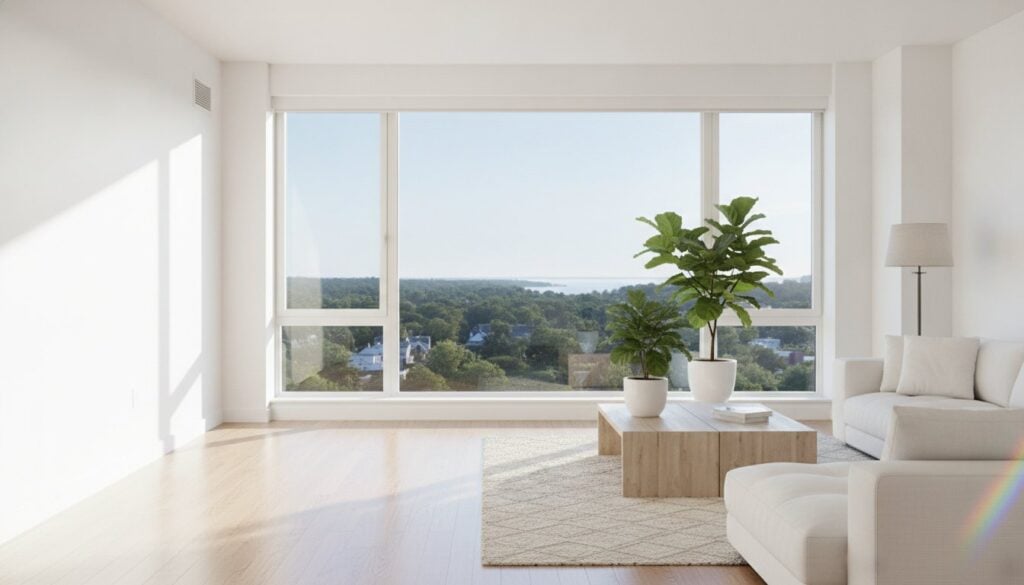
Deep Cleaning Your Apartment After Illness: A 2026 Guide to a Healthy Home

You finally wake up without a fever, yet as you look around your home, the air feels heavy and every surface seems like a potential source of re-infection. It’s an exhausting realization that the space where you should be recovering feels like the very thing keeping you from a full return to health. Most people feel a sense of dread at the prospect of a deep cleaning apartment after illness while their energy is still rebounding. It’s natural to worry that a simple wipe-down isn’t enough to protect your family or ensure that stale, lingering smell is truly gone. Restoring your home is about more than just aesthetics; it’s about biological safety and emotional relief. We’ve designed this guide to provide a professional, scientifically backed protocol to sanitize your living space effectively without relying on harsh, toxic fumes that can overwhelm smaller urban homes. You’ll learn the specific CDC-recommended disinfection steps for 2026, how to verify EPA-approved solutions for emerging pathogens, and the best methods to restore your indoor air quality so you can finally reclaim your sanctuary and your peace of mind. Key Takeaways Learn the essential three-tier hierarchy of home hygiene to distinguish between a simple visual clean and true biological sanitization. Identify and prioritize “invisible” touchpoints using the Zone Cleaning method, focusing on overlooked areas like thermostats and cabinet pulls. Understand the technical benefits of a professional deep cleaning apartment after illness, including the use of HEPA filtration to improve indoor air quality. Discover how botanical disinfectants provide a meticulous, hospital-grade clean without leaving behind the harsh chemical residues common in small spaces. Reclaim your physical energy and mental clarity by transitioning your home from a place of recovery back into a sensory sanctuary. Table of Contents Understanding the Difference: Cleaning, Sanitizing, and Disinfecting Your Space The High-Touch Protocol: Essential Areas to Sanitize After Being Sick DIY vs. Professional Deep Cleaning: Reclaiming Your Health and Time An Eco-Friendly Approach to Post-Illness Sanitization Restoring Sanctuary: Professional Post-Illness Cleaning in New York Understanding the Difference: Cleaning, Sanitizing, and Disinfecting Your Space A home that looks tidy isn’t necessarily a home that is healthy. After a bout of illness, the distinction between visual order and biological safety becomes a vital part of your recovery. Achieving a thorough deep cleaning apartment after illness requires a structured approach that moves beyond traditional dusting. In 2026, professional standards emphasize a three-tier hierarchy of hygiene: cleaning, sanitizing, and disinfecting. Each level serves a specific purpose in restoring your sanctuary. Because New York apartments often have compact floor plans and shared air systems, pathogens can settle in concentrated patterns on specific surfaces. Understanding the Difference: Cleaning, Sanitizing, and Disinfecting Your Space allows you to apply the right protocol to the right area. Cleaning vs. Sanitizing: The First Line of Defense Cleaning is the essential precursor to chemical disinfection. It uses soap, water, and physical friction to remove dirt and organic matter from surfaces. While this process doesn’t kill every germ, it physically lifts them away, making the surface more receptive to further treatment. Sanitizing is a step above; it reduces the number of bacteria to levels deemed safe by public health standards. This is often sufficient for low-risk areas like dining tables or decorative shelving. However, relying solely on sanitization in a high-traffic bathroom after a viral infection may leave your roommates or family members at risk. Disinfecting: When and Where It Is Mandatory Disinfecting is the only way to ensure that lingering viruses and bacteria are actually destroyed. This process is mandatory for “hot zones” where pathogens are known to thrive, such as light switches, faucet handles, and electronics. The science of effective disinfection relies heavily on dwell time, which is the duration a product stays wet on a surface. If you spray a disinfectant and immediately wipe it away, you aren’t giving the chemicals enough time to work. Most EPA-registered products require between three and ten minutes of contact time to be effective. When working in the smaller square footage of a typical city apartment, always prioritize ventilation. Open windows and use air purifiers to manage fumes, ensuring your path to a healthy home doesn’t involve inhaling harsh chemical residues. The High-Touch Protocol: Essential Areas to Sanitize After Being Sick The “Zone Cleaning” method is the most efficient way to approach a deep cleaning apartment after illness. By categorizing your home into high-risk zones, you ensure that pathogens are systematically eliminated rather than just moved around. Start with the areas where you spent the most time while symptomatic. For most, this means the bedroom and bathroom. However, a truly healthy home requires a meticulous look at the “invisible” touchpoints. These include cabinet pulls, appliance handles, and even your thermostat. These surfaces are frequently touched but rarely cleaned with the precision required for biological safety. In the kitchen, the risk of cross-contamination is high. If you prepared tea or simple meals while ill, every handle you touched is a potential reservoir for germs. Focus on microwave buttons, kettle handles, and refrigerator grips. When selecting your supplies, you might look for An Eco-Friendly Approach to Post-Illness Sanitization to ensure you aren’t trading viral risks for chemical ones. Electronics also require a delicate touch. Use 70% isopropyl alcohol wipes on remote controls, keyboards, and smartphone screens. Avoid spraying liquids directly onto devices to prevent moisture from damaging sensitive internal components. The Bedroom Sanctuary: Bedding and Soft Surfaces Your bed is the primary recovery site, making it a critical focus for sanitization. Strip all linens and launder them on the warmest setting recommended by the manufacturer. If your washer has a steam cycle, use it to penetrate deeper into the fibers. For items that cannot be laundered, such as decorative pillows or “soft” clutter, use a handheld steamer or a fabric-safe disinfectant spray. Mattresses and pillows should be vacuumed with a HEPA-filtered machine and treated with a light mist of an EPA-registered disinfectant to ensure the sanctuary is truly restored. Apartment-Specific Touchpoints: Shared Spaces and Ventilation

Cleaning Services for Immunocompromised Individuals: A Guide to Health-First Home Care
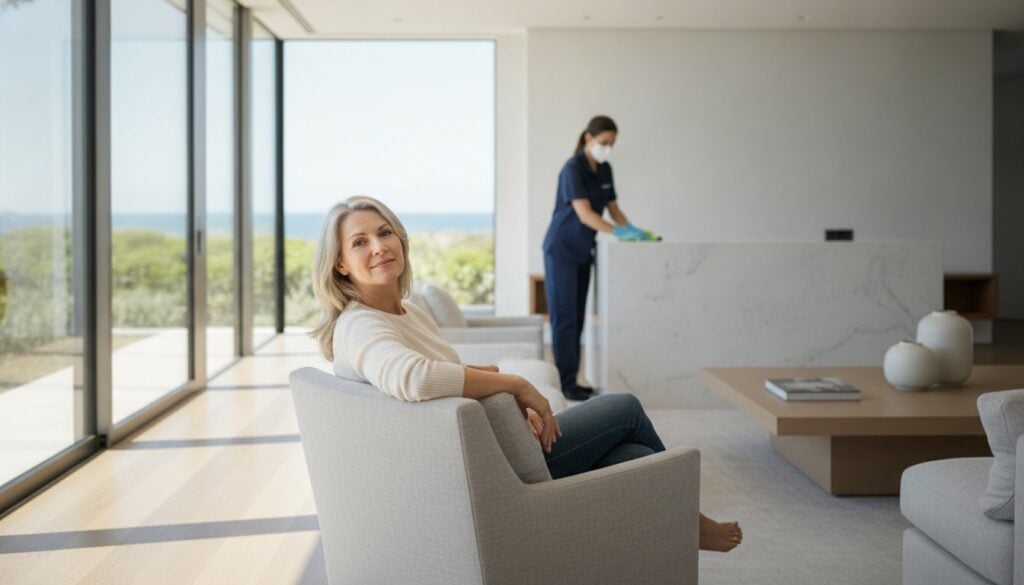
Cleaning Services for Immunocompromised Individuals: A Guide to Health-First Home Care

What if the very products meant to sanitize your living space are actually making it harder for your body to heal? For many, the traditional scent of bleach doesn’t signal safety; it signals a potential respiratory trigger. You understand that maintaining a home for someone with a weakened immune system requires more than just a tidy appearance. It demands a level of precision that is often physically exhausting to achieve alone. When you consider professional cleaning services for immunocompromised individuals, the fear of cross-contamination or harsh chemical exposure can feel like a significant barrier to getting the help you need. We believe your home should be a restorative sanctuary rather than a source of stress. In this guide, you’ll discover how specialized, health-first protocols use non-toxic supplies to achieve a clinically clean environment without compromising your comfort. We will examine the rigorous safety standards established by the New York HERO Act, the effectiveness of EPA Safer Choice certified products, and the specific techniques professionals use to reduce pathogens while protecting your health. By the end, you will see how a meticulously managed cleaning routine can provide the lasting peace of mind you deserve. Key Takeaways Understand why true health-first care prioritizes microscopic pathogen reduction and indoor air quality over simple surface aesthetics. Learn how professional cleaning services for immunocompromised individuals employ HEPA filtration and color-coded microfiber systems to eliminate the risk of cross-contamination. Discover the critical importance of using non-toxic, low-VOC cleaning supplies to protect sensitive respiratory systems from harsh chemical inflammation. Identify the essential credentials to verify when choosing a cleaning partner, including specialized training and comprehensive insurance protections. Explore how a meticulous, professional approach to recurring cleaning provides the peace of mind necessary for a restorative home environment. Table of Contents What is Specialized Cleaning for Immunocompromised Individuals? Professional Protocols for a Pathogen-Free Home The Myth of Harsh Chemicals: Why Non-Toxic is Safer How to Choose the Right Cleaning Partner in New York AlphaLux Cleaning: Your Partner in Health and Safety What is Specialized Cleaning for Immunocompromised Individuals? Specialized cleaning is more than just a luxury; it’s a medical necessity for those living in an immunocompromised state. While standard housekeeping focuses on removing clutter and dust, health-first cleaning prioritizes the reduction of invisible pathogens and the improvement of indoor air quality. It’s the difference between a room that looks tidy and one that is biologically safe. For anyone whose immune system is suppressed, the presence of bacteria, viruses, or mold spores isn’t just an inconvenience. It’s a direct threat to their physical well-being. A home can appear spotless while still harboring dangerous microbes on high-touch surfaces. Professional cleaning services for immunocompromised individuals move beyond the aesthetic. These experts focus on “log reduction,” which is a mathematical term used to describe the percentage of germs killed during the cleaning process. By targeting high-touch points like door handles, remote controls, and light switches, specialized cleaners disrupt the most common pathways for opportunistic infections. This meticulous approach ensures that the environment supports healing rather than hindering it. Standard housekeeping often relies on the same tools throughout a home, which can inadvertently spread germs from the bathroom to the kitchen. In contrast, specialized cleaning services for immunocompromised individuals utilize strict protocols, such as color-coded systems and HEPA filtration, to ensure that no cross-contamination occurs. This level of intentionality transforms a routine chore into a professional craft that supports your long-term health and mental clarity. It provides a sense of control and relief that visual tidiness alone cannot offer. Who Benefits from Health-Centric Cleaning? This level of care is essential for several vulnerable groups whose bodies cannot easily fight off environmental pathogens. We focus on providing a safe haven for: Post-operative and transplant recovery patients who require near-sterile environments to prevent complications during the critical healing phase. Individuals managing chronic autoimmune conditions like Lupus or Rheumatoid Arthritis, where reducing environmental triggers is key to managing inflammation. Families with medically fragile members, including children with underlying health issues or seniors who are more susceptible to severe respiratory infections. The Difference Between Sanitization and Disinfection It’s vital to understand that sanitizing and disinfecting are not the same thing. Sanitizing reduces bacteria to levels considered safe by public health standards, while disinfecting actually kills the majority of viruses and fungi. Effective cleaning for sensitive health needs requires products that achieve high log reduction without introducing toxic fumes or Volatile Organic Compounds (VOCs). We choose “green” solutions that are EPA-certified to be tough on pathogens but gentle on your lungs. To ensure these products work correctly, the disinfectant must remain wet on a surface for a specific period, known as dwell time, to fully neutralize harmful microbes. Professional Protocols for a Pathogen-Free Home Creating a safe environment for those with sensitive health needs requires more than effort; it requires a systematic methodology. Professional cleaning services for immunocompromised individuals rely on specific workflows designed to move pathogens out of the home rather than simply shifting them around. We utilize a strict top-to-bottom approach, ensuring that any dust or particulates disturbed during the process are captured as we work toward the floor. This logic extends to the order of rooms, where we always move from the cleanest areas to the most heavily used spaces. This sequence is a fundamental safeguard against the accidental transfer of bacteria from high-risk zones into personal sanctuaries. Touchpoint management is another critical pillar of a medical-grade clean. Objects that are handled dozens of times a day, such as doorknobs, light switches, and television remotes, often serve as reservoirs for germs. Our technicians treat these surfaces with intentionality, ensuring that disinfectants receive the necessary contact time to be effective. When selecting the agents for these tasks, we prioritize products recognized by the EPA’s Safer Choice program. This ensures that the high-touch areas you interact with most are free from both harmful microbes and aggressive chemical residues. If you’re looking for a partner who understands these nuances, our recurring cleaning options provide a consistent layer

Post-Construction Cleaning Safety Checklist: The 2026 Guide to a Move-In Ready Space
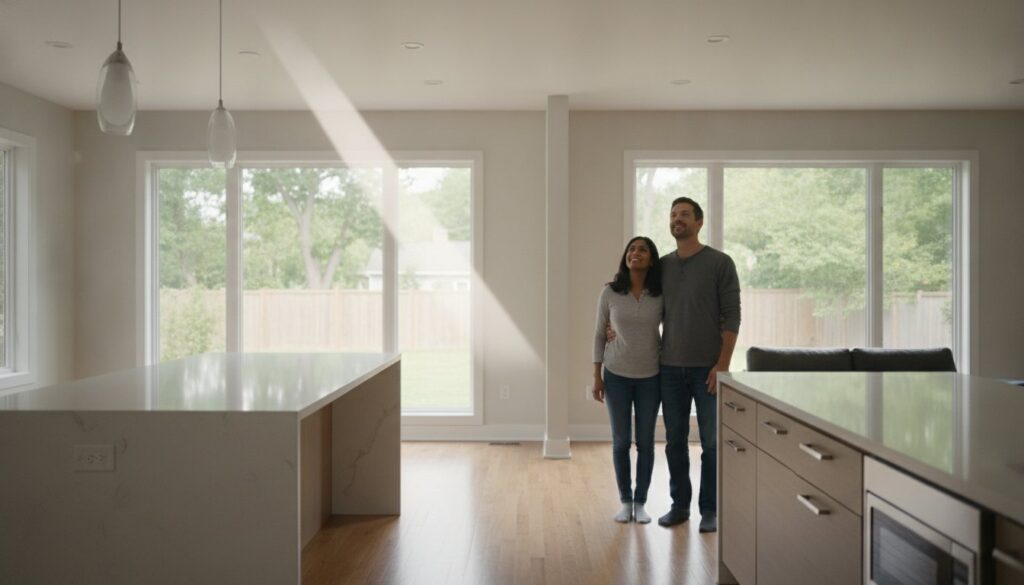
Post-Construction Cleaning Safety Checklist: The 2026 Guide to a Move-In Ready Space

What if the most significant health risks in your newly renovated home aren’t the power tools or heavy machinery, but the invisible particles left behind after the contractors have gone? You’ve spent months planning and investing to bring your vision to life, and it’s natural to feel a sense of relief when the builders finally pack up. However, the presence of fine drywall dust, hidden sharp debris, and lingering chemical odors from adhesives can quickly turn that excitement into a health concern. We understand that you want your space to feel like a sanctuary, not a lingering job site. Our expert-approved post construction cleaning safety checklist is designed to bridge the gap between a finished project and a truly healthy environment. We’re here to help you ensure your transition into this new chapter is defined by comfort and mental clarity rather than respiratory irritation. This 2026 guide provides a meticulous roadmap to identify overlooked risks and improve indoor air quality. You’ll discover how to follow a professional process that transforms a dusty site into a certified-safe home or office where you can finally breathe easy. Key Takeaways Identify the invisible environmental hazards, such as silica dust and chemical off-gassing, that require more than a simple surface wipe-down. Learn how to implement a phased cleaning strategy that prioritizes the removal of physical debris before addressing microscopic particulates. Use our professional post construction cleaning safety checklist to ensure every corner of your kitchen and bathroom is sanitized and ready for use. Discover the essential safety gear and high-efficiency filtration tools needed to protect your health and improve indoor air quality. Understand the value of a meticulous, tailored approach that transitions your renovated space into a serene and healthy environment. Table of Contents Why Safety is the Foundation of Post-Construction Cleanup The Three Phases of a Safe Construction Site Clean Essential Safety Gear and Eco-Friendly Filtration The Comprehensive Post-Construction Safety Checklist Professional Precision: AlphaLux’s Approach to Post-Construction Safety Why Safety is the Foundation of Post-Construction Cleanup Safety in a post-build environment is far more complex than simply sweeping up sawdust or removing leftover lumber. It’s a specialized discipline that aligns with industrial housekeeping standards to ensure a space is truly habitable and healthy. While many homeowners focus on the visual “reveal,” a professional post construction cleaning safety checklist prioritizes the neutralization of invisible threats. This meticulous approach transforms a potentially hazardous construction zone into a refined living or working space that feels like a sanctuary rather than a job site. Hidden dangers like silica dust, volatile organic compounds (VOCs) from fresh paint, and microscopic debris often linger in the air and on surfaces long after the contractors have left. Standard residential cleaning tools often fail in these scenarios because they lack the specialized filtration power to capture fine drywall dust. Instead of removing the particles, standard vacuums often recirculate these irritants back into the room. Investing in a meticulous clean isn’t just about immediate comfort; it’s a strategic move to preserve your property’s long-term value. By removing abrasive dust before it settles into HVAC systems or scratches new finishes, you’re protecting the premium materials you’ve just installed. The Health Risks of Construction Dust Fine particulates generated during a renovation are small enough to penetrate deep into the lungs, causing immediate respiratory discomfort or long-term health issues. These particles often include common allergens and irritants that can trigger asthma or skin sensitivities in sensitive individuals. Silica dust is a hazardous byproduct of cutting or grinding materials like concrete, brick, stone, and mortar that can cause permanent lung damage if inhaled. Addressing these specific risks requires specialized equipment and a post construction cleaning safety checklist that emphasizes air quality as much as surface cleanliness. Protecting New Surfaces and Finishes New installations are particularly vulnerable to damage during the final cleanup phase. Using the wrong cleaning agents can permanently etch fresh stone or dull the luster of newly finished hardwood. It’s vital to use pH-neutral cleaners and soft, non-abrasive tools that respect the integrity of your new materials. Choosing professional cleaning services ensures that these complexities are managed with expert care. A tailored plan ensures that every surface is treated with precision, allowing you to enjoy your new space with complete confidence and peace of mind. The Three Phases of a Safe Construction Site Clean Transforming a renovation site into a move-in ready environment requires more than a single sweep. It’s a tiered process that systematically eliminates risks, moving from heavy debris to microscopic particulates. By following a structured post construction cleaning safety checklist, you ensure that no hazard is overlooked. This phased approach guarantees that the final result isn’t just visually stunning but also safe for your family or employees to inhabit. Each stage serves a specific purpose in neutralizing the physical and environmental remnants of the building process. Phase 1: Clearing the Major Hazards The initial phase focuses on the physical safety of the site. This involves removing large debris, such as lumber scraps, metal shards, and discarded packaging. It’s the ideal time to check for exposed wiring or potential plumbing leaks that may have been obscured during the final days of construction. In New York, managing this waste requires careful attention to local regulations. The NYC Department of Sanitation has strict guidelines for construction and demolition debris, often necessitating private carting services for larger volumes to ensure compliance and neighborhood safety. Adhering to OSHA demolition and cleanup guidelines during this stage prevents common site injuries and ensures that heavy materials are handled with professional care. We also perform an initial vacuuming of floors and window tracks to prevent abrasive grit from scratching new finishes. Phase 2: The Deep Safety Clean Once the major hazards are gone, the focus shifts to the invisible. This phase is the most critical for indoor air quality. We pay close attention to air ducts and HVAC filtration systems, as these are primary collection points for fine drywall dust. If the scale of this technical process feels overwhelming,

Hypoallergenic Cleaning Services NYC: The Ultimate 2026 Guide to Allergy-Free Living
Hypoallergenic Cleaning Services NYC: The Ultimate 2026 Guide to Allergy-Free Living

In New York City, the dust on your windowsill isn’t just “dirt.” It’s a complex cocktail of subway iron filings, microscopic soot, and urban allergens that standard wiping simply can’t touch. You might find yourself cleaning constantly yet still waking up with persistent respiratory irritation or a heavy feeling in your chest. It’s a common frustration for many residents who realize that a visually tidy home doesn’t always equate to a healthy one. Seeking out specialized hypoallergenic cleaning services nyc is the most effective way to address these microscopic triggers. True hypoallergenic care goes beyond the surface. It involves using HEPA filtration systems capable of capturing 99.97% of particles as small as 0.3 microns, ensuring that the very air you breathe is medically clean. By adhering to New York’s strict VOC regulations, which limit volatile organic compounds in bathroom and general cleaners to just 1%, these services remove irritants without introducing new chemical burdens. You deserve a home that feels like a sanctuary rather than a source of stress. In this guide, we’ll clarify the confusion between “green” and “hypoallergenic” labels and explain how technical interventions can improve your mental clarity. You’ll learn exactly what to look for in a meticulous, vetted professional to ensure your space is finally, fundamentally breathable. Key Takeaways Learn how NYC’s pre-war architecture traps century-old dust and why specialized interventions are necessary to break the cycle of “Old Building Syndrome.” Understand the technical distinction between standard green cleaning and professional hypoallergenic cleaning services nyc that prioritize human respiratory health. Identify the “essential oil trap” where organic scents act as hidden irritants, and learn how to select products that are truly free of volatile organic compounds. Discover the specific equipment standards, such as 4-stage HEPA filtration, required to capture microscopic urban triggers as small as 0.3 microns. Master the vetting process for cleaning partners to ensure your home is managed by professionals who treat health-focused cleaning as a meticulous craft. Table of Contents Understanding Hypoallergenic Cleaning in the NYC Urban Environment The Science of Allergen Removal: HEPA Filtration and VOC Mitigation Professional Hypoallergenic Services vs. Standard 'Green' Cleaning How to Choose an Allergy-Safe Cleaning Partner in New York AlphaLux Cleaning: Your Meticulous Partner for a Healthier NYC Home Understanding Hypoallergenic Cleaning in the NYC Urban Environment Hypoallergenic cleaning is far more than a marketing label. It’s a systematic, technical intervention designed to remove microscopic allergens like dust mites, pet dander, mold, and pollen from your living space. While standard cleaning focuses on what you can see, professional hypoallergenic cleaning services nyc prioritize what you can’t. In a city as dense as New York, your home is constantly bombarded by external pollutants that settle deep into the fibers of your environment. Addressing these triggers isn’t just about tidiness; it’s about reclaiming your health and mental clarity. Many New Yorkers live in beautiful pre-war buildings that unfortunately suffer from “Old Building Syndrome.” These historic structures often have hollow wall cavities and porous floorboards that have trapped century-old dust and debris. This legacy dust doesn’t stay put. It slowly migrates into your living areas, creating a persistent cycle of respiratory irritation. Compounding this is “NYC Black Dust,” a unique urban pollutant composed of subway iron filings, tire rubber, and industrial soot. This oily residue is incredibly fine, allowing it to bypass standard vacuum filters and settle into upholstery and rugs where it lingers for years. Why NYC Homes Need More Than Just ‘Standard’ Cleaning Living in a high-rise environment means you share more than just a wall with your neighbors. In these high-density buildings, allergens like pet dander and smoke travel easily through shared hallways and ventilation systems. Standard cleaning often fails to address the way HVAC systems circulate these urban pollutants through your apartment. A surface might look spotless, yet the air remains thick with microscopic triggers. True relief requires HEPA filtration technology capable of capturing particles as small as 0.3 microns. Without this level of precision, a cleaning routine is simply moving dust from one corner to another. The Health Benefits of Targeted Allergen Removal The transition to a medically clean home offers immediate physical and emotional rewards. By removing the specific triggers that cause nighttime coughing and congestion, you significantly improve your sleep quality. This reduction in asthma triggers and seasonal allergy symptoms allows your body to rest and recover fully. We call this the “AlphaLux Relief.” It’s the moment you stop worrying about the air in your bedroom and start enjoying the quiet satisfaction of a breathable sanctuary. When your environment is managed as a meticulous craft, domestic peace follows naturally. You move from a state of environmental anxiety to a lifestyle defined by comfort and reclaimed energy. The Science of Allergen Removal: HEPA Filtration and VOC Mitigation Effective allergen removal relies on physics rather than just fragrance. Many people assume a fresh lemon or pine scent means a home is clean. In reality, those scents often indicate the presence of Volatile Organic Compounds (VOCs) that can trigger the very respiratory issues you’re trying to avoid. True hypoallergenic cleaning services nyc rely on specialized equipment and materials that capture pollutants instead of redistributing them. This technical approach ensures that your home isn’t just visually tidy but is fundamentally healthier at a microscopic level. Microfiber technology plays a vital role in this process. Traditional cotton rags have round fibers that tend to push dust and allergens across surfaces. In contrast, advanced microfiber features split fibers that create a massive surface area. This structure allows the cloth to grip and hold onto microscopic triggers until they are properly laundered. For residents in multi-unit NYC buildings, preventing cross-contamination is equally critical. Using the same tools across different zones can migrate mold spores or pet dander from one room to another, undermining the entire goal of an allergy-free space. Medical-Grade Equipment vs. Household Vacuums Standard household vacuums often lack the seal integrity required to keep fine dust contained. As they pull in debris, they frequently exhaust microscopic particles

Residential Post Construction Cleaning: The Essential Guide to Protecting Your New Investment

Residential Post Construction Cleaning: The Essential Guide to Protecting Your New Investment

What if the final step of your home renovation is actually the most critical for protecting your investment? You’ve spent months selecting the perfect finishes, yet a layer of fine, abrasive silica dust likely covers every square inch. Professional residential post construction cleaning is about more than just aesthetics; it’s a specialized preservation service. You’re likely exhausted from the construction process and ready to simply enjoy your new space. It’s frustrating to realize that no matter how many times you wipe down a counter, that persistent white film keeps settling back down, often hiding in HVAC vents and deep within new cabinetry. Discover why a meticulous cleaning strategy is vital for protecting your home’s new materials and ensuring your indoor air quality meets modern safety standards. This guide explains how professional care transforms a construction site into a healthy, fresh, and move-in-ready sanctuary. We’ll explore the three essential phases of cleaning, the importance of HEPA filtration for removing microscopic debris, and how to ensure your brand-new surfaces remain pristine for years to come. Key Takeaways Understand why a contractor’s “broom clean” standard is insufficient for achieving a healthy, move-in-ready living environment. Learn how specialized HEPA filtration captures microscopic silica and drywall dust that standard household vacuums cannot manage. Protect your investment by identifying the specific cleaning techniques required for curing paint and delicate stone surfaces within the first 30 days. Discover a systematic room-by-room methodology for residential post construction cleaning that ensures zero dust resettlement in your new space. Gain peace of mind by prioritizing non-toxic, eco-friendly cleaning practices tailored to the unique architectural needs of New York residences. Table of Contents Beyond 'Broom Clean': Why Renovated Homes Need Specialized Care The Hidden Danger of Construction Dust: Health and HVAC Risks Protecting Your Investment: Cleaning New Surfaces Without Damage The AlphaLux Cleaning Post-Construction Checklist: A Room-by-Room Standard Professional Post-Construction Cleaning in Long Island and New York Beyond ‘Broom Clean’: Why Renovated Homes Need Specialized Care The moment your contractors pack their tools and head for the door, you expect to see the home of your dreams. Instead, you often find a space that still feels like a job site. This gap between construction completion and move-in readiness is where residential post construction cleaning becomes essential. It isn’t a simple wipe-down; it’s a technical, multi-phase preservation process designed to protect your new finishes from the microscopic remains of the building process. While a standard maid service focuses on living debris like dust bunnies or kitchen spills, this service addresses industrial-grade particulates that can actually damage your home if handled incorrectly. In many New York construction contracts, you’ll see a “Broom Clean” clause. This legal standard sounds promising, but it’s often a source of frustration for homeowners. To a contractor, “broom clean” means the large debris is hauled away, the floors are swept, and the structural work is complete. It doesn’t mean the air is breathable or that your new marble countertops are free from abrasive grit. There’s a stark contrast between a contractor’s debris removal and the specialized cleaning required to remove fine particulates. To achieve a truly pristine result, the process typically follows three distinct phases. First, the Rough Clean removes large trash and stickers. Next, the Light Clean involves a deep, detailed pass over every surface. Finally, a Touch-up Clean catches any dust that settled after the initial phases were complete. The Limitations of Standard Contractor Cleanup Contractors focus on structural integrity and safety, not aesthetic hygiene. Their priority is finishing the build, which means they often overlook the fine white film that coats the interior of your new cabinets or the tops of light fixtures. Standard shop vacuums used by construction crews often lack the filtration necessary to trap fine dust, essentially blowing it back into the air. This leads to the phenomenon of “settling dust,” where surfaces you’ve just wiped appear coated again within 48 hours. Without professional residential post construction cleaning, these particles stay in your vents and on your walls, compromising both your home’s beauty and your family’s health. The Emotional Transition to Your New Space Moving into a renovated home should be an aspirational experience, yet the presence of construction grit keeps you stuck in a “job site” mindset. Professional cleaning provides the final closure to a stressful renovation, physically and mentally transforming the space into a sanctuary. It’s about the quiet satisfaction of running your hand over a countertop and feeling only the smooth stone, not a layer of grit. We prioritize a fresh, neutral environment that smells like a new beginning rather than a chemical factory. This meticulous attention to detail allows you to reclaim your time and finally enjoy the investment you’ve worked so hard to create. The Hidden Danger of Construction Dust: Health and HVAC Risks Construction dust is a complex cocktail of microscopic materials that goes far beyond simple household dirt. It typically consists of crystalline silica from stone and concrete, gypsum particulates from drywall, and jagged wood fibers. These particles are often smaller than 10 microns. This makes them invisible to the naked eye but highly invasive to your respiratory system and home electronics. Understanding the Hidden Danger of Construction Dust is the first step in realizing why a basic sweep isn’t enough to protect your new investment. Standard household vacuums are designed for hair, crumbs, and surface-level debris. They lack the airtight seals and specialized filtration necessary to trap industrial-grade particulates. In many cases, a consumer-grade vacuum will actually exhaust the finest dust back into the room, creating a persistent haze that settles hours later. Professional residential post construction cleaning utilizes industrial HEPA-filtered equipment. These machines are engineered to capture 99.97% of particles down to 0.3 microns, ensuring the air you breathe is as pristine as your new finishes look. This technical approach is vital for maintaining long-term indoor air quality and preventing that “renovation cough” that often plagues new homeowners. Protecting Your HVAC System from Clogging Dust is the silent killer of brand-new HVAC units.

Organic House Cleaning Services in Brooklyn: The Ultimate Guide for a Healthier Home

Organic House Cleaning Services in Brooklyn: The Ultimate Guide for a Healthier Home

Your Brooklyn apartment might be harboring more than just memories. According to a 2023 report from the New York State Department of Health, indoor air in urban environments often contains pollutant levels two to five times higher than outdoor air. You likely already know that keeping a home spotless in NYC is a constant battle against soot and street dust. It’s frustrating when the very products you use to sanitize your space leave behind harsh chemical residues that trigger allergies or irritate your family’s skin. We understand that you want a home that doesn’t just look clean; it should feel truly safe. By choosing professional organic house cleaning services brooklyn families can eliminate these hidden toxins and create a sanctuary that supports their long-term well-being. This guide explores how non-toxic methods neutralize urban pollutants, explains why specialized green techniques can reduce indoor allergens by up to 90 percent, and shows you how to reclaim your weekend with total peace of mind. Discover how a meticulous, eco-friendly approach transforms your living space into a healthy haven where you can finally focus on what matters most. Key Takeaways Understand why Brooklyn’s urban density makes non-toxic, plant-based cleaning essential for maintaining superior indoor air quality and family health. Discover the science of organic ingredients and how natural surfactants like citric acid outperform harsh petroleum-based chemicals. Learn how specialized organic house cleaning services brooklyn residents trust can preserve historic architectural details like original woodwork and crown molding. Master our 5-point vetting checklist to ensure your cleaning partner provides full ingredient transparency and comprehensive insurance coverage. Explore the AlphaLux philosophy of creating a sanctuary that doesn’t just look spotless, but truly feels clean and restorative. Table of Contents Why Organic House Cleaning Services in Brooklyn are Essential in 2026 Decoding ‘Non-Toxic’ and ‘Organic’: What Actually Goes Into Your Home? The Organic Advantage for Brooklyn’s Unique Architecture Choosing Your Brooklyn Cleaning Partner: A 5-Point Vetting Checklist AlphaLux Cleaning: Brooklyn’s Trusted Choice for Organic Excellence Why Organic House Cleaning Services in Brooklyn are Essential in 2026 Organic house cleaning services brooklyn have evolved from a niche luxury into a fundamental health requirement. By 2026, the definition of a clean home has shifted significantly. It’s no longer just about a lack of visible clutter; it’s about a holistic environment maintained with plant-based, biodegradable ingredients. Green cleaning practices ensure that every surface is treated with precision and care, removing the risk of chemical residues that linger in your living space. This approach prioritizes the long-term well-being of your family over the temporary convenience of harsh chemicals. Brooklyn’s unique urban landscape demands this specialized approach. With a population density exceeding 36,000 residents per square mile, indoor air quality is a constant challenge for locals. Fine particulate matter, often called street soot, and dust from the 42 major construction projects currently active across the borough infiltrate even the most modern apartments. Traditional cleaning often just moves these pollutants around or masks them with artificial scents. AlphaLux focuses on health-focused sanitization that actually removes these irritants. With our service, your home doesn’t just look clean. It feels clean. The Health Impact of Traditional vs. Organic Products Standard household cleaners often contain Volatile Organic Compounds (VOCs) that degrade indoor air quality. In neighborhoods like Park Slope and Brooklyn Heights, where 2025 census data shows a 12% increase in households with young children, the move toward non-toxic alternatives is driven by a need to reduce respiratory irritation. Organic cleaning eliminates the harsh fumes that can trigger asthma or allergies. By choosing plant-based solutions, families see a measurable difference in their home environment, including: Reduced VOC Exposure: Eliminating synthetic fragrances that linger for days. Improved Respiratory Health: Lowering the presence of airborne irritants in confined urban spaces. Safe Surfaces: Ensuring floors and countertops are safe for pets and toddlers who spend time close to the ground. Sustainability in the Heart of Kings County Choosing organic services also protects the local ecosystem. Every gallon of chemical cleaner used eventually impacts the New York City water system and the surrounding harbor. AlphaLux utilizes concentrated formulas and biodegradable packaging to minimize this chemical footprint. Our commitment to environmental stewardship means providing a professional, reliable service that respects both your home and the heart of Kings County. We believe that a spotless home should not come at the cost of the planet. This dedication to sustainability provides our clients with the peace of mind that their lifestyle choices support a greener, healthier Brooklyn for everyone. Decoding ‘Non-Toxic’ and ‘Organic’: What Actually Goes Into Your Home? Labels in the cleaning industry are often intentionally vague, leaving homeowners to guess what remains on their surfaces after a service leaves. A true organic clean relies on transparent, food-grade ingredients like citric acid for mineral deposits, baking soda for gentle abrasion, and pure essential oils for natural antimicrobial properties. Unlike petroleum-based detergents that can linger in your indoor air and water systems, plant-based surfactants break down safely. These surfactants lower the surface tension of water, allowing it to lift dirt and oils without leaving a film of synthetic residue behind. Choosing these alternatives protects more than just your floors. Understanding the dangers of cleaning chemicals is vital for anyone spending time in a freshly scrubbed room, as traditional solvents can irritate the lungs and skin. Premium organic house cleaning services brooklyn prioritize your respiratory health by strictly avoiding “fragrance,” a catch-all term that often hides phthalates. We focus on fragrance-free options or scents derived strictly from plants to ensure sensitive Brooklyn households breathe easy. The hardware used during the process is just as important as the solutions. Professional services utilize HEPA (High-Efficiency Particulate Air) filtration vacuums that trap 99.97% of particles as small as 0.3 microns, including pollen and pet dander. When combined with split-fiber microfiber technology, which physically removes bacteria rather than just spreading it around, your home reaches a level of purity that traditional cotton mops simply cannot achieve. Standard Certifications to Look For Look for the Green Seal or

The Ultimate Deep Cleaning Checklist for Spring 2026: A Room-by-Room Guide

The Ultimate Deep Cleaning Checklist for Spring 2026: A Room-by-Room Guide

Did you know the EPA reports that indoor air levels of many pollutants are often 2 to 5 times higher than outdoor levels? After months of closed windows, your home has likely accumulated a hidden layer of winter dust that requires a professional-grade deep cleaning checklist for spring 2026 to resolve. We believe your home shouldn’t just look clean; it should feel clean. We understand that facing a full house of neglected corners feels overwhelming, especially when you’re unsure which eco-friendly products actually deliver the results you expect. You deserve the peace of mind that comes from a meticulous, healthy environment for your family. Our comprehensive framework is designed to remove the guesswork and provide a systematic plan for your seasonal refresh. We’ll guide you through an expert-approved, room-by-room guide that prioritizes indoor air quality and precision care. From reviving high-traffic areas to sanitizing hidden surfaces, this article ensures your home becomes a true sanctuary for the year ahead. Key Takeaways Discover how a holistic approach to home health can eliminate the pollutants accumulated during the New York winter, restoring your peace of mind and mental clarity. Follow our expert-approved deep cleaning checklist for spring 2026 to systematically refresh every room while focusing on high-impact areas that standard routines often miss. Learn to identify and remove hidden pathogens and VOCs using eco-friendly strategies that ensure your sanctuary feels as clean as it looks. Implement the “Zone Cleaning” method to tackle your home efficiently over a single weekend without the burnout of traditional deep cleaning. Determine when to utilize professional-grade steam extraction and industrial equipment to achieve a deeper level of hygiene than standard DIY tools can provide. Table of Contents Why the Spring 2026 Deep Clean is Essential for Home Wellness The Master 2026 Room-by-Room Deep Cleaning Checklist The ‘Invisible Clean’: Targeting Air Quality and Hidden Pathogens Expert Strategies for an Efficient Spring Clean When to DIY vs. Hiring a Professional Cleaning Company Why the Spring 2026 Deep Clean is Essential for Home Wellness The deep cleaning checklist for spring 2026 represents a significant evolution in how we maintain our living spaces. It is no longer just about scrubbing floors or dusting shelves; instead, it’s a holistic approach to home health and mental clarity. After a long winter of closed windows and heavy insulation, your home naturally accumulates a layer of stagnant energy and microscopic debris. At AlphaLux, we focus on the “AlphaLux feeling.” This is the moment you walk through the door and realize your home doesn’t just look clean; it feels restorative. This sensation of peace of mind is vital for your daily well-being and productivity. A professional-grade deep clean serves as a total reset for your environment. By removing the buildup of the previous year, you create a space that supports your health rather than taxing it. In 2026, the standard for a clean home has shifted. It’s about precision, care, and the quiet satisfaction of knowing every corner has been addressed with expert attention. This process transforms your house from a mere shelter into a pristine sanctuary where you can truly focus on what matters most. The New York Seasonal Shift: Combatting Northeast Allergens Residents across Long Island and NYC are preparing for a particularly intense transition this year. The 2026 pollen forecast indicates that tree allergen counts will peak 12 days earlier than the historical average, according to regional environmental projections. Throughout the winter, New York heating systems trap pollutants, pet dander, and dust mites within the ductwork and soft surfaces. These contaminants require more than a surface wipe to remove. While you can learn how to clean for basic weekly maintenance, the spring shift demands professional-grade extraction. Removing these particles is essential to prevent respiratory irritation and ensure your family breathes clean, filtered air as the weather warms. Essential 2026 Cleaning Kit: Modern Tools for Success Achieving a higher standard of clean requires the right technology. In 2026, the shift toward non-toxic, eco-friendly cleaning is a standard requirement for a healthy household. We’ve moved away from harsh chemicals that leave behind volatile organic compounds (VOCs). Instead, modern success relies on precision tools that deliver results without compromise: HEPA-13 Filtration: Standard vacuums often exhaust fine dust back into the room. HEPA-13 filters capture 99.97 percent of microscopic triggers as small as 0.3 microns. Advanced Microfiber: Split-fiber technology allows for the mechanical removal of 99 percent of bacteria using only water or mild, plant-based surfactants. Vapor Steam Sanitization: Using heat at 212 degrees Fahrenheit provides a high-level kill rate for germs on hard surfaces without the need for traditional bleach. Your deep cleaning checklist for spring 2026 should prioritize these professional-grade assets. By choosing surfactants derived from natural sources over aggressive acids, you protect your home’s surfaces and your family’s health simultaneously. This meticulous attention to detail ensures your environment remains a spotless sanctuary that supports a vibrant, healthy lifestyle. The Master 2026 Room-by-Room Deep Cleaning Checklist To achieve a home that doesn’t just look tidy but truly feels clean, you need a systematic strategy. Efficiency starts with the top-to-bottom rule. Dust naturally falls downward. Starting at the ceiling and working toward the floor prevents the frustration of re-cleaning surfaces you’ve already addressed. This deep cleaning checklist for spring 2026 focuses on high-impact zones that standard weekly routines usually miss. By breaking the home into specific zones, you avoid the mental fatigue that often stalls a spring cleaning project before it’s finished. The Heart of the Home: Kitchen and Dining Areas Kitchens are high-traffic areas where grime is often invisible but persistent. Degreasing the tops of cabinets and light fixtures is a critical first step. In these spots, airborne cooking oils act as an adhesive for dust; this creates a sticky film that standard dusting cannot remove. You should also pull out the dishwasher filter and clear the debris. Maintaining this filter every 3 to 6 months can extend the appliance’s functional lifespan by 3 to 5 years. Don’t forget the pantry. Removing every item

Chemical-Free Home Cleaning Services: The 2026 Guide to a Healthier Haven

Chemical-Free Home Cleaning Services: The 2026 Guide to a Healthier Haven

What if the “clean smell” you’ve been taught to trust is actually a warning sign of hidden respiratory irritants? You likely strive for a spotless environment, yet the heavy scent of synthetic detergents often leads to immediate allergy flare-ups or concerns about children playing on treated floors. With indoor air pollutants often measuring 2 to 5 times higher than outdoor levels according to the EPA, chemical-free home cleaning services have become essential for New York families. At AlphaLux, we believe your home shouldn’t just look clean, it should feel clean and be safe for every family member. This 2026 guide reveals how professional non-toxic methods eliminate hidden toxins while delivering a deeper, more sustainable clean. You’ll discover how advanced eco-friendly standards ensure your living space feels genuinely fresh without any artificial residues or lingering odors. We will explore the specific techniques that transform your home into a healthier haven while providing the peace of mind you deserve. Key Takeaways Identify the hidden dangers of VOCs in traditional cleaners and learn how to recognize the new 2026 standard for a truly non-toxic home. Compare the sanitization power of hydrogen peroxide against bleach to see how chemical-free home cleaning services deliver superior results without the health risks. Discover the AlphaLux “Three-Tier” filtration methodology used to capture urban pollutants like subway dust and seasonal allergens unique to the New York area. Learn the essential steps of the “Detox Phase” to effectively remove years of chemical buildup and residue from your floors and surfaces. Understand how a professional, EcoLogo-certified approach ensures your haven doesn’t just look spotless but provides the lasting peace of mind of a home that feels truly clean. Table of Contents The Evolution of Chemical-Free Home Cleaning Services Chemical-Free vs. Traditional Cleaning: Performance Analysis The AlphaLux Methodology: A Higher Standard of Clean Transitioning Your New York Home to a Non-Toxic Environment Why AlphaLux is the Trusted Choice for Chemical-Free Care The Evolution of Chemical-Free Home Cleaning Services By 2026, the benchmark for residential sanitation has shifted from visual sparkling to verifiable biological safety. Modern chemical-free home cleaning services no longer rely on the harsh “melting” of grime with corrosive agents. Instead, the industry has adopted a holistic approach that prioritizes indoor air quality and surface longevity. For decades, consumers associated a sharp, synthetic pine or lemon scent with a job well done. We now understand those “clean” smells are actually Volatile Organic Compounds (VOCs) that contribute to indoor air pollution levels. A 2024 environmental study revealed that indoor air is often 2 to 5 times more polluted than outdoor air, largely due to traditional cleaning residues. AlphaLux Cleaning addresses this by utilizing Green cleaning methodologies that eliminate these toxic off-gassing risks entirely. The transition to non-toxic standards involves moving away from petroleum-based detergents. These legacy products leave behind a microscopic film that actually attracts more dust and allergens over time. By 2026, the focus is on total extraction. This evolution ensures your home doesn’t just look clean, it feels clean. We use professional-grade equipment and refined techniques to remove contaminants rather than simply neutralizing them with chemicals. This shift provides peace of mind for families, particularly those with pets or children who spend significant time on floor surfaces. The Science of Botanical Surfactants Botanical surfactants represent a massive leap in cleaning technology. These solutions use citric acid and corn-derived alcohols to break down complex lipids and proteins found in household messes. Citric acid acts as a natural chelating agent, dissolving mineral deposits and soap scum without etching delicate fixtures. Corn-derived alcohols provide a streak-free finish by dissolving grease on contact. These plant-based formulas maintain a balanced pH, which helps preserve the finish of stone and wood surfaces up to 15% longer than aggressive industrial cleaners. Essential oils like thyme and eucalyptus are integrated not for fragrance, but for their documented antimicrobial properties that disrupt bacterial cell walls naturally. Mechanical Action vs. Chemical Reaction The 2026 standard for chemical-free home cleaning services relies on the physics of mechanical removal. High-density, split-fiber microfiber is a game-changer in this field. These cloths are engineered with millions of tiny hooks that physically lift and trap 99% of bacteria and viruses from hard surfaces using minimal moisture. This process is supplemented by HEPA filtration vacuums that capture 99.97% of airborne particles as small as 0.3 microns. Our professionals also prioritize “dwell time,” which is the 5 to 10 minute window a botanical solution needs to sit on a surface. This patience allows the natural ingredients to work effectively, replacing the need for the violent chemical reactions found in traditional bleach or ammonia products. Chemical-Free vs. Traditional Cleaning: Performance Analysis Many homeowners believe that choosing chemical-free home cleaning services means sacrificing the deep-clean results of industrial solvents. This is a misconception that 2025 performance data has thoroughly debunked. When we compare sanitization levels, hydrogen peroxide at a 3% concentration is as effective as bleach for killing common household pathogens. Unlike bleach, which is corrosive and leaves toxic residues, hydrogen peroxide breaks down into simple water and oxygen. It’s a professional-grade solution that protects your family while delivering a spotless finish. The “Grout and Brightness” objection is another common hurdle. Traditional services often rely on harsh acids to whiten grout, but these chemicals actually eat away at the sealant over time. By 2026, advanced vapor steam technology has become the gold standard. Utilizing steam heated to 320 degrees Fahrenheit lifts deeply embedded dirt from porous surfaces without the need for corrosive agents. This method preserves the structural integrity of your tile work while achieving a level of brightness that chemicals can’t match. The hidden cost of traditional cleaning is the impact on your home’s air. Studies show that indoor VOC levels can spike by 500% during a standard cleaning session using ammonia-based products. To help families make safer choices, the EPA provides guidance on Identifying Greener Cleaning Products to mitigate these respiratory risks. Protecting your indoor air quality is a vital part of our commitment to your

Cleaning Services for Homes with Allergies: A Guide to Breathable Spaces

Cleaning Services for Homes with Allergies: A Guide to Breathable Spaces

What if the traditional vacuuming routine you perform every Saturday is actually making your indoor air quality worse? For the 50 million Americans who struggle with indoor sensitivities, a visually tidy room often hides a layer of trapped pet dander and microscopic dust mites. You’ve likely noticed that even after a thorough dusting, the sneezing and congestion don’t stop. This is why specialized cleaning services for homes with allergies are becoming a vital health investment rather than a luxury. At AlphaLux Cleaning, we believe a home shouldn’t just look pristine; it needs to be a sanctuary where you can finally breathe deeply. It’s exhausting to rely on daily antihistamines just to feel comfortable in your own living room. You deserve the peace of mind that comes from knowing your upholstery is free from the triggers that affect your children and pets. In this guide, you’ll discover how professional grade HEPA filtration and VOC-free products can reduce household allergens by up to 99 percent. We’ll walk through the specific techniques that eliminate deep-seated irritants so you can reclaim your comfort and focus on what matters most. Key Takeaways Understand why a home that looks spotless can still harbor irritants and how specialized protocols eliminate microscopic triggers for a truly breathable space. Discover the critical role of medical-grade HEPA filtration and specialized equipment in capturing particulates that standard vacuums often recirculate. Evaluate which level of care fits your needs by comparing standard, deep, and specialized cleaning services for homes with allergies to maximize your health and comfort. Use our professional vetting checklist to find a trusted partner in New York, ensuring every technician is fully insured and committed to your peace of mind. Learn how the AlphaLux Signature Approach addresses local environmental factors like Long Island’s humidity and seasonal pollen to ensure your home feels as fresh as it looks. Table of Contents Beyond the Surface: Why Standard Cleaning Often Misses Allergy Triggers The Anatomy of Professional Allergy Cleaning Services Comparing the Options: Standard vs. Deep vs. Allergy-Focused Cleaning Evaluation Checklist: Finding the Best Allergy Cleaning Service in NY Breathing Easier on Long Island: The AlphaLux Signature Approach Beyond the Surface: Why Standard Cleaning Often Misses Allergy Triggers Most people believe a house is healthy if the floors shine and the counters are clear. At AlphaLux, we know that true health begins where the eye stops seeing. Professional cleaning services for homes with allergies focus on the meticulous removal of microscopic particulates rather than just surface debris. According to the Asthma and Allergy Foundation of America, 50 million Americans deal with various allergies annually. For these individuals, a home that looks spotless might still be a source of significant respiratory distress. Our philosophy is simple: your home shouldn’t just look clean; it must feel clean. Four primary microscopic invaders compromise your indoor air quality every day: Dust mites: These microscopic organisms thrive in soft surfaces. Understanding what dust mite allergies are helps homeowners realize why simple dusting isn’t enough to stop the sneezing. Pet dander: These are tiny proteins found in skin flakes that can remain airborne for several hours. Mold spores: These fungi colonize quickly in damp environments where humidity levels exceed 50 percent. Pollen: These outdoor particulates enter your sanctuary through open windows and on the fabric of your clothing. The Problem with Traditional Cleaning Methods Standard cleaning routines often create a “dust kick-up” effect that worsens air quality. Feather dusters don’t actually capture allergens; they simply launch them into the air where they remain suspended for up to 30 minutes. Standard vacuums without sealed HEPA systems are equally problematic. These machines often leak particles as small as 0.3 microns back into your breathing zone through porous filters and loose seals. Furthermore, a 2016 study found that 34.7 percent of the population reports sensitivity to synthetic fragrances. These “fresh” scents are often volatile organic compounds that act as direct respiratory irritants. Why a Deep Clean is the Essential Starting Point A professional deep clean targets “reservoir” areas that daily maintenance ignores. We focus on the precision cleaning of baseboards, the tops of ceiling fans, and the hidden coils behind refrigerators where dust accumulates over 6 to 12 months. This process is designed to significantly reduce the bio-burden of your living space. Bio-burden is the total accumulation of biological material, including bacteria and allergens, residing within a residential environment. By resetting this level to near zero, cleaning services for homes with allergies provide a vital foundation for long-term health and peace of mind. The Anatomy of Professional Allergy Cleaning Services Professional cleaning services for homes with allergies rely on specialized tools that go far beyond a standard broom or retail vacuum. The core of this process involves a combination of mechanical filtration and advanced textile science to remove allergens rather than just moving them around. At AlphaLux, we understand that for a home to truly support your health, every piece of equipment must be chosen with precision and care. HEPA Filtration: The Gold Standard A standard vacuum often exhausts fine dust back into the air. True HEPA filters are different. They’re engineered to trap 99.97% of particles as small as 0.3 microns, which includes pollen, mold spores, and pet dander. It’s vital to distinguish True HEPA from HEPA-style filters. True HEPA meets strict Department of Energy standards, while the latter lacks the same rigorous testing. For the 25 million Americans living with asthma, professional-grade filtration is a necessity to prevent respiratory flare-ups during the cleaning process. Microfiber technology is another essential component of the AlphaLux toolkit. These synthetic fibers are split to be 1/16th the thickness of a human hair. This creates a massive surface area that uses a natural positive charge to grab negatively charged dust particles. Instead of pushing dirt, these cloths lock it in until they’re laundered at high temperatures. This ensures that surfaces are physically cleared of irritants, leaving a spotless finish that you can actually feel. Green Chemistry and Low-VOC Solutions Traditional cleaners often contain

Beyond Spotless: The Surprising Health and Home Benefits of Eco-Friendly Cleaning Products in 2026

A woman and a toddler play with wooden blocks on the floor of a bright, modern living room with large windows overlooking grassy dunes and water—kept spotless thanks to top Cleaning Services Long Island, NY. Minimalist decor and natural light complete the scene.

According to the Environmental Protection Agency, indoor air levels of many pollutants are often 2 to 5 times higher than outdoor levels, making the benefits of eco-friendly cleaning products more vital than ever in 2026. You want your home to be a safe haven for your family, yet that sharp, chemical smell lingering after a deep clean often leads to itchy eyes or a scratchy throat. It’s frustrating to feel like you have to choose between a spotless floor and the respiratory health of your children or pets. The good news is that you don’t have to compromise. You’ll discover how to transition from a space that simply looks tidy to a genuine sanctuary that supports your long-term well-being. We’ll explore how non-toxic alternatives can eliminate up to 90% of common household allergens and reduce chemical volatile organic compounds in your air. This guide shows you how a higher standard of clean provides the peace of mind you deserve, ensuring your home feels as fresh as it looks. Key Takeaways Discover how reducing VOCs and eliminating harsh chemicals transforms your home into a healthy sanctuary, protecting your family’s respiratory wellness. Uncover the science of plant-based surfactants and why green solutions are now powerful enough to outperform traditional deep-cleaning chemicals. Understand the long-term benefits of eco-friendly cleaning products in protecting your investment by preventing chemical etching on premium surfaces like marble and stone. Learn how professional green chemistry provides the peace of mind that comes with a home that doesn’t just look clean, but feels clean. Table of Contents What Are Eco-Friendly Cleaning Products and Why Do They Matter in 2026? Protecting Your Sanctuary: The Critical Health Benefits of Non-Toxic Cleaning Performance vs. Peace of Mind: Do Green Cleaners Actually Work? Surface Longevity: How Eco-Friendly Products Protect Your Investment Experience the AlphaLux Standard: Professional Eco-Cleaning in New York What Are Eco-Friendly Cleaning Products and Why Do They Matter in 2026? Eco-friendly cleaning products are non-toxic, biodegradable, and plant-based solutions designed to sanitize spaces without leaving a trail of synthetic residue. In 2026, the definition of a clean home has shifted. We no longer equate the sharp, stinging scent of ammonia or bleach with a healthy environment. Instead, modern standards prioritize organic purity and neutral scents that signify a lack of volatile organic compounds (VOCs). Recent 2026 data from the Environmental Protection Agency suggests that indoor air quality is often 2 to 5 times more polluted than outdoor air. This reality has pushed homeowners to seek the benefits of eco-friendly cleaning products to protect their respiratory health and long-term well-being. The AlphaLux Cleaning philosophy centers on the belief that your home should feel clean, not just look clean. A visual shine is easy to achieve with harsh chemicals, but that shine often comes at the cost of your home’s “breathability.” When we remove microscopic irritants using botanical science, the atmosphere in a room changes. It becomes a sanctuary of relief and quiet satisfaction. A comprehensive Green cleaning overview reveals that the industry has moved toward life-cycle thinking, ensuring that products are safe from the moment they’re bottled until they break down in the local water system. This meticulous attention to detail is what defines a premium service in 2026. Professional cleaning today isn’t just a chore; it’s a health intervention. We use customized plans that respect the delicate balance of your living space. By choosing solutions that are 98% biodegradable within 28 days, we ensure your family and pets aren’t walking on a layer of invisible toxins. This commitment to precision and care transforms a standard house cleaning into a high-end experience of comfort and peace of mind. Deconstructing the Ingredients: What’s Inside? Modern eco-cleaners rely on plant-derived surfactants like citric acid, coconut oil, and specialized essential oils. These ingredients break down grease and grime at a molecular level without the need for phthalates, parabens, or ammonia. We also utilize biodegradable enzymes that “eat” organic stains and odors. These bio-enzymatic cleaners provide a deeper level of sanitation than traditional chemicals by continuing to work hours after the initial application. This technical approach ensures a spotless result that supports a higher standard of clean. Greenwashing vs. True Eco-Friendly Solutions In 2026, many brands use “greenwashing” to hide synthetic ingredients behind labels like “natural” or “earth-inspired.” A 2025 study found that 62% of grocery store cleaners labeled as green still contained hidden fragrances that trigger allergies. To find the benefits of eco-friendly cleaning products, look for third-party certifications like EPA Safer Choice or Green Seal. AlphaLux Cleaning utilizes professional-grade concentrates that carry 40% higher active botanical loads than retail brands. These vetted solutions provide a thorough, reliable clean that protects your surfaces and your health simultaneously. Protecting Your Sanctuary: The Critical Health Benefits of Non-Toxic Cleaning Your home should be a safe haven, yet the very products used to maintain it often introduce invisible hazards. Traditional cleaners frequently rely on aggressive chemical reactions to lift dirt, but these reactions don’t stop on the surface. They linger in the air you breathe and on the counters where you prepare food. Embracing the benefits of eco-friendly cleaning products means prioritizing the biological well-being of everyone under your roof. It’s about shifting from a scorched-earth policy of sanitation to a sophisticated, health-first approach that respects your body’s natural defenses. Indoor Air Quality in New York Homes New York residences present a unique challenge for respiratory health. Because of tight insulation and modern weather-stripping designed to combat harsh winters, chemical vapors become trapped in a closed loop. A landmark 2018 study from the University of Bergen followed 6,000 individuals over two decades and revealed a sobering reality. People who regularly used harsh chemical cleaning sprays experienced a decline in lung function equivalent to smoking 20 cigarettes a day. Volatile Organic Compounds are carbon-based chemicals that evaporate at room temperature, causing long-term lung inflammation and reduced pulmonary capacity. By selecting supplies that meet EPA Safer Choice standards, you eliminate these airborne irritants at the source. Children are the