You finally wake up without a fever, yet as you look around your home, the air feels heavy and every surface seems like a potential source of re-infection. It’s an exhausting realization that the space where you should be recovering feels like the very thing keeping you from a full return to health. Most people feel a sense of dread at the prospect of a deep cleaning apartment after illness while their energy is still rebounding. It’s natural to worry that a simple wipe-down isn’t enough to protect your family or ensure that stale, lingering smell is truly gone.
Restoring your home is about more than just aesthetics; it’s about biological safety and emotional relief. We’ve designed this guide to provide a professional, scientifically backed protocol to sanitize your living space effectively without relying on harsh, toxic fumes that can overwhelm smaller urban homes. You’ll learn the specific CDC-recommended disinfection steps for 2026, how to verify EPA-approved solutions for emerging pathogens, and the best methods to restore your indoor air quality so you can finally reclaim your sanctuary and your peace of mind.
Key Takeaways
- Learn the essential three-tier hierarchy of home hygiene to distinguish between a simple visual clean and true biological sanitization.
- Identify and prioritize “invisible” touchpoints using the Zone Cleaning method, focusing on overlooked areas like thermostats and cabinet pulls.
- Understand the technical benefits of a professional deep cleaning apartment after illness, including the use of HEPA filtration to improve indoor air quality.
- Discover how botanical disinfectants provide a meticulous, hospital-grade clean without leaving behind the harsh chemical residues common in small spaces.
- Reclaim your physical energy and mental clarity by transitioning your home from a place of recovery back into a sensory sanctuary.
Understanding the Difference: Cleaning, Sanitizing, and Disinfecting Your Space
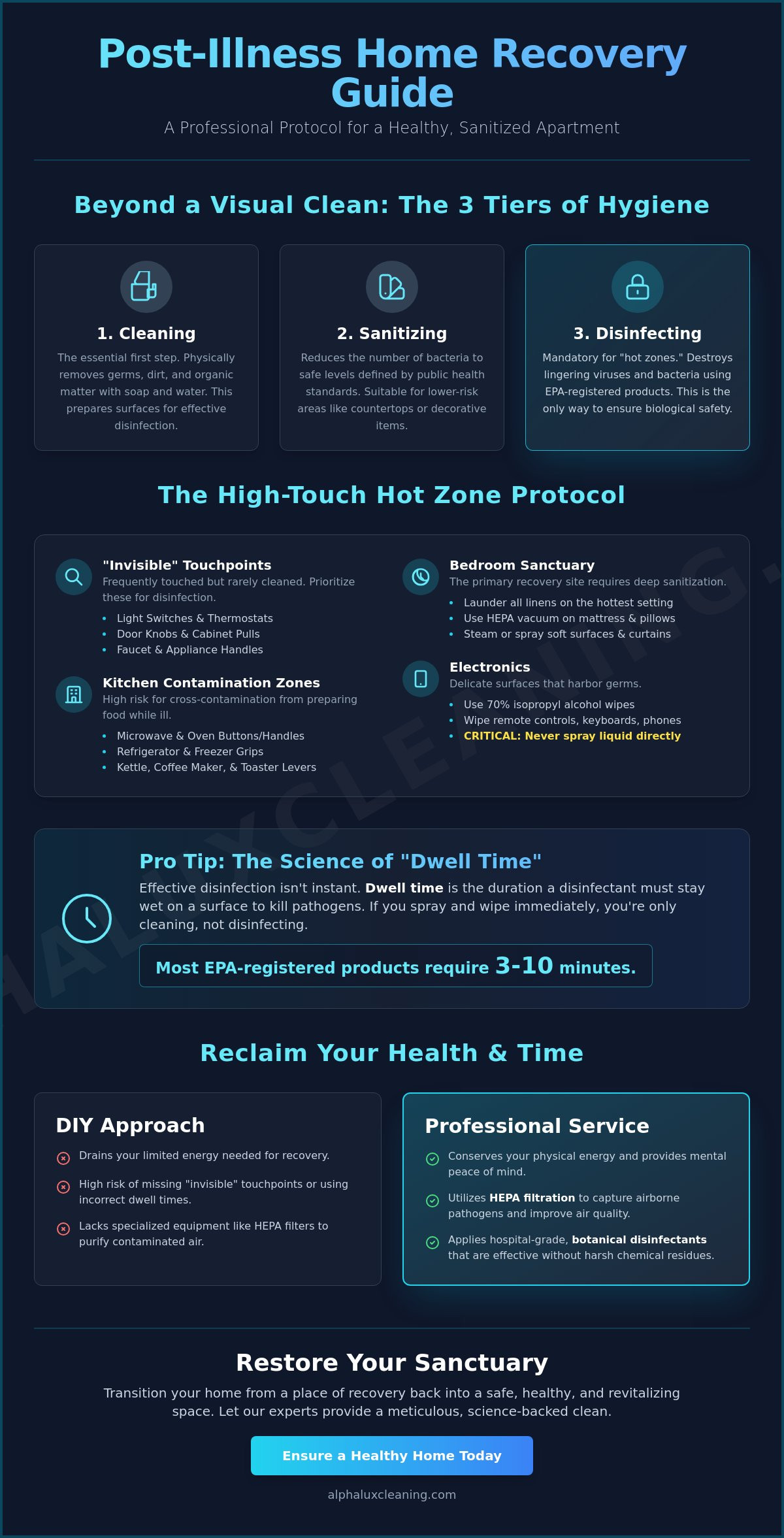
A home that looks tidy isn’t necessarily a home that is healthy. After a bout of illness, the distinction between visual order and biological safety becomes a vital part of your recovery. Achieving a thorough deep cleaning apartment after illness requires a structured approach that moves beyond traditional dusting. In 2026, professional standards emphasize a three-tier hierarchy of hygiene: cleaning, sanitizing, and disinfecting. Each level serves a specific purpose in restoring your sanctuary. Because New York apartments often have compact floor plans and shared air systems, pathogens can settle in concentrated patterns on specific surfaces. Understanding the Difference: Cleaning, Sanitizing, and Disinfecting Your Space allows you to apply the right protocol to the right area.
Cleaning vs. Sanitizing: The First Line of Defense
Cleaning is the essential precursor to chemical disinfection. It uses soap, water, and physical friction to remove dirt and organic matter from surfaces. While this process doesn’t kill every germ, it physically lifts them away, making the surface more receptive to further treatment. Sanitizing is a step above; it reduces the number of bacteria to levels deemed safe by public health standards. This is often sufficient for low-risk areas like dining tables or decorative shelving. However, relying solely on sanitization in a high-traffic bathroom after a viral infection may leave your roommates or family members at risk.
Disinfecting: When and Where It Is Mandatory
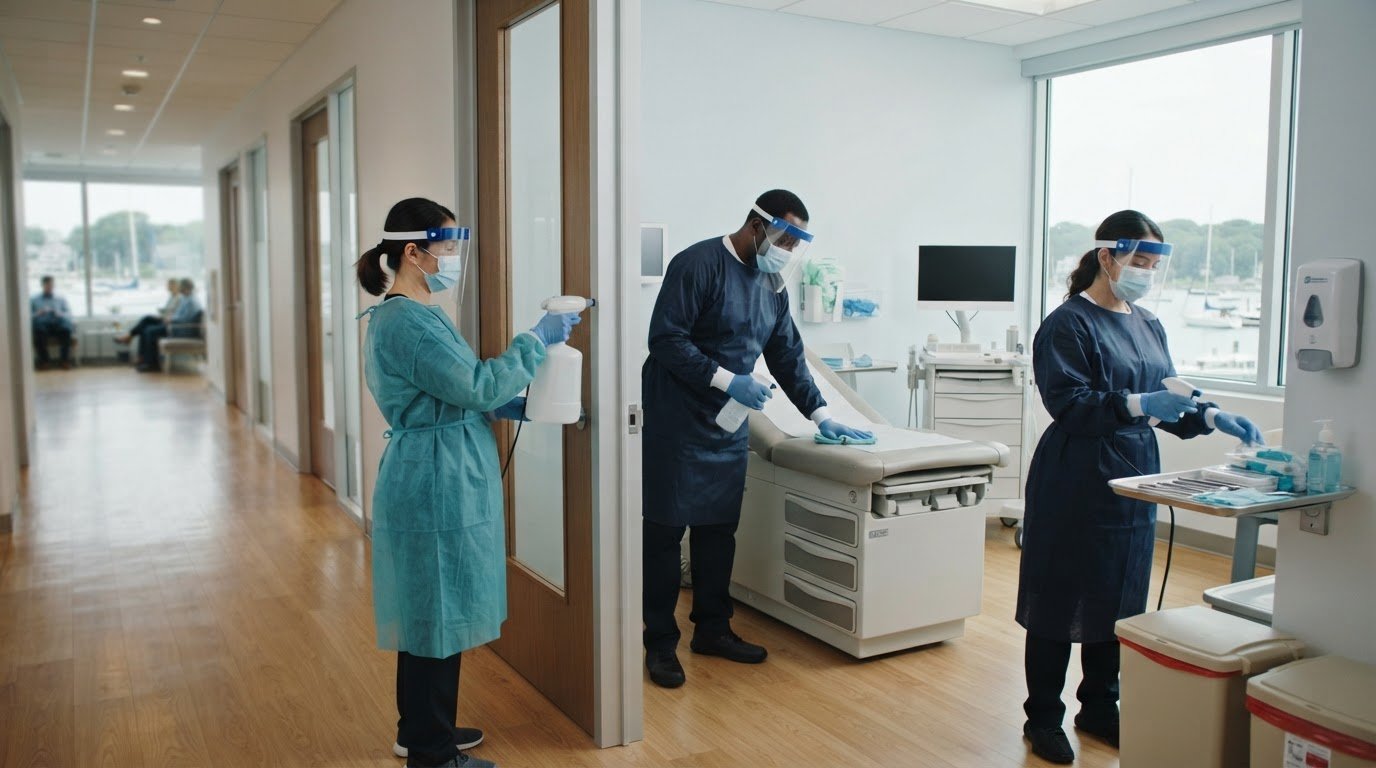
Disinfecting is the only way to ensure that lingering viruses and bacteria are actually destroyed. This process is mandatory for “hot zones” where pathogens are known to thrive, such as light switches, faucet handles, and electronics. The science of effective disinfection relies heavily on dwell time, which is the duration a product stays wet on a surface. If you spray a disinfectant and immediately wipe it away, you aren’t giving the chemicals enough time to work. Most EPA-registered products require between three and ten minutes of contact time to be effective. When working in the smaller square footage of a typical city apartment, always prioritize ventilation. Open windows and use air purifiers to manage fumes, ensuring your path to a healthy home doesn’t involve inhaling harsh chemical residues.
The High-Touch Protocol: Essential Areas to Sanitize After Being Sick
The “Zone Cleaning” method is the most efficient way to approach a deep cleaning apartment after illness. By categorizing your home into high-risk zones, you ensure that pathogens are systematically eliminated rather than just moved around. Start with the areas where you spent the most time while symptomatic. For most, this means the bedroom and bathroom. However, a truly healthy home requires a meticulous look at the “invisible” touchpoints. These include cabinet pulls, appliance handles, and even your thermostat. These surfaces are frequently touched but rarely cleaned with the precision required for biological safety.
In the kitchen, the risk of cross-contamination is high. If you prepared tea or simple meals while ill, every handle you touched is a potential reservoir for germs. Focus on microwave buttons, kettle handles, and refrigerator grips. When selecting your supplies, you might look for An Eco-Friendly Approach to Post-Illness Sanitization to ensure you aren’t trading viral risks for chemical ones. Electronics also require a delicate touch. Use 70% isopropyl alcohol wipes on remote controls, keyboards, and smartphone screens. Avoid spraying liquids directly onto devices to prevent moisture from damaging sensitive internal components.
The Bedroom Sanctuary: Bedding and Soft Surfaces
Your bed is the primary recovery site, making it a critical focus for sanitization. Strip all linens and launder them on the warmest setting recommended by the manufacturer. If your washer has a steam cycle, use it to penetrate deeper into the fibers. For items that cannot be laundered, such as decorative pillows or “soft” clutter, use a handheld steamer or a fabric-safe disinfectant spray. Mattresses and pillows should be vacuumed with a HEPA-filtered machine and treated with a light mist of an EPA-registered disinfectant to ensure the sanctuary is truly restored.
Apartment-Specific Touchpoints: Shared Spaces and Ventilation
Living in a New York apartment introduces unique challenges, such as shared entryway handles and intercom systems. These are high-density touchpoints that often go overlooked during a standard tidy-up. Additionally, pay close attention to your HVAC intake vents. Dust and airborne particles can settle here, affecting your indoor air quality long after you’ve recovered. Finally, empty and disinfect all trash and recycling bins. Tissues and medical waste should be disposed of immediately to prevent pathogens from lingering in your home environment. If the physical effort of this meticulous process feels overwhelming during your recovery, considering a professional deep cleaning can help you reclaim your space without the exhaustion of a DIY attempt.
DIY vs. Professional Deep Cleaning: Reclaiming Your Health and Time
Technical expertise makes a significant difference in the biological safety of your home. While following American Cleaning Institute guidelines can help you manage basic sanitization, professional teams utilize industrial tools designed for high-stakes environments. This includes the use of professional-grade microfiber, which features a dense weave capable of trapping microscopic pathogens that standard cotton cloths simply move around. Furthermore, working with a vetted service provides the security of insurance and professional accountability, which is essential when your primary focus needs to be on your well-being.
The Limitations of Consumer-Grade Cleaning
Standard household vacuums often lack the advanced filtration necessary to capture fine viral or bacterial particles, frequently redistributing these allergens back into your living space. Reaching neglected areas like dusty baseboards, the tight gaps behind heavy appliances, and high-set ventilation covers requires specialized attachments and physical agility. By utilizing industrial-strength HEPA filtration and targeted chemical dwell times, professional equipment achieves 99.9% pathogen reduction compared to manual scrubbing. This technical advantage ensures that the “sick smell” is eliminated at its source rather than just masked by fragrance.
The Emotional ROI of Professional Service
There is a profound psychological shift that occurs when you walk into a home that has been meticulously restored. The atmosphere changes from a recovery ward back into a pristine sanctuary, providing a necessary mental reset. By utilizing professional cleaning services near me, you outsource the anxiety of missed spots and the labor of deep sanitization. This allows you to reclaim your time for actual rest and family connection. Once your home is reset, many find that transitioning to a recurring cleaning schedule helps maintain this high standard of air quality and hygiene, ensuring your environment supports your long-term health goals.
An Eco-Friendly Approach to Post-Illness Sanitization
The AlphaLux philosophy centers on the belief that a healthy home should never come at the cost of respiratory comfort. While traditional protocols often rely heavily on chlorine bleach or quaternary ammonium compounds, these substances can linger in the air, creating a harsh environment in the compact layouts of city dwellings. Choosing an eco-friendly path for your deep cleaning apartment after illness ensures that pathogens are eradicated while maintaining a high standard of indoor air quality. By prioritizing botanical disinfectants over traditional phenols, you eliminate the risk of toxic residues on the surfaces you touch every day.
Reducing Volatile Organic Compound (VOC) exposure is particularly vital when your immune system is recovering. Synthetic fragrances and heavy solvents often found in industrial cleaners can trigger headaches or respiratory irritation. A professional approach focuses on neutralizing the “scent of sickness” through natural deodorizing techniques rather than masking odors with chemical perfumes. To effectively refresh your home environment, consider these botanical-friendly methods:
- Active ventilation: Opening windows to flush out stagnant air and airborne particulates.
- Natural absorbents: Using baking soda or activated charcoal to trap odors at the molecular level.
- Steam cleaning: Utilizing high-temperature vapor to sanitize soft surfaces without any chemical additives.
Non-Toxic Germ Killers That Actually Work
Many people mistakenly believe that eco-friendly solutions are less effective in a clinical sense. In 2026, hydrogen peroxide-based cleaners have become a gold standard for their ability to break down into simple water and oxygen while effectively destroying viral envelopes. Similarly, thyme-based disinfectants containing thymol are EPA-approved for use against emerging pathogens and remain safe for use around children and pets. These botanical options provide the same level of biological security as traditional chemicals without the lingering, sharp smell that can disrupt your sense of sanctuary.
Improving Indoor Air Quality Post-Illness
Professional HEPA filtration plays a critical role in the recovery process by capturing airborne droplets, dust, and fine particulates that standard vacuums might miss. This technology ensures that the very air you breathe is as clean as the surfaces you’ve scrubbed. Instead of using chemical air fresheners that add more pollutants to your home, consider essential oil diffusion for a calming sensory reset. For those seeking a comprehensive approach to a healthy living environment, our house cleaning services offer additional insights into maintaining a non-toxic home year-round.
Reclaiming your health starts with a space that feels truly fresh and safe. If you are ready to experience the quiet satisfaction of a meticulously sanitized home, schedule your eco-friendly deep clean today and let our experts handle the complex details for you.
Restoring Sanctuary: Professional Post-Illness Cleaning in New York
Restoring your apartment to a state of health requires more than a standard tidy-up; it demands a professional reset that prioritizes your family’s safety. AlphaLux Cleaning understands that after an illness, your energy is better spent on recovery than on scrubbing baseboards or sanitizing high-touch surfaces. We provide a specialized deep cleaning apartment after illness that is specifically tailored to the unique needs of New York residents. Whether you are in a compact Manhattan studio or a spacious Long Island home, our localized expertise ensures your environment is transformed from a recovery space back into a pristine sanctuary.
Our team projects a persona of meticulous dependability. We take immense pride in delivering results that exceed the purely aesthetic. By focusing on the sensory experience of a space, we help you transition from the lingering anxiety of sickness to the quiet satisfaction of a well-maintained home. Every member of our staff is a vetted, insured professional who adheres to the AlphaLux Standard, ensuring that your health and personal respect are at the forefront of every service we provide. This commitment to excellence allows you to outsource the complex details of sanitization so you can focus entirely on your well-being.
Our Meticulous Deep Cleaning Process
The AlphaLux protocol follows a comprehensive top-to-bottom approach. We address the intricate details that DIY cleaning often misses, such as the tops of door frames, the recessed areas of cabinet pulls, and the internal components of ventilation covers. We also recognize that every recovery is different. If you or your family members struggle with allergies or respiratory sensitivities, we customize our sanitization plan to include extra HEPA filtration passes and the exclusive use of botanical disinfectants. This precision ensures a thorough reduction in pathogens while maintaining a non-toxic atmosphere. Our process includes:
- Hand-wiping all high-touch surfaces with EPA-registered botanical solutions.
- Detailed scrubbing of bathrooms and kitchens to eliminate biological residues.
- HEPA-vacuuming of all floors and upholstery to improve indoor air quality.
- Meticulous dusting of overlooked areas where airborne particles settle.
Booking Your Peace of Mind
We understand that the need for a post-illness reset is often urgent. Our scheduling process is designed to be straightforward and responsive, allowing you to secure a professional team when you need them most. You can expect a service that is unhurried, thorough, and entirely focused on your specific requirements. We don’t just view our work as a chore; we see it as an essential contribution to your mental clarity and physical health. It’s time to stop worrying about lingering germs and start enjoying your home again. Schedule your professional deep cleaning today and let us help you reclaim your sanctuary.
A Healthier Future for Your Living Space
Navigating a deep cleaning apartment after illness is often the final hurdle in returning to your normal life. Our specialized protocols are designed specifically for the unique layouts of New York apartments, ensuring no detail is overlooked. We exclusively use eco-friendly, non-toxic products to protect your indoor air quality while our vetted and insured professionals manage the physical labor on your behalf. This meticulous approach guarantees that your home is not only visually pristine but biologically safe.
Restore your home’s health with AlphaLux’s professional deep cleaning services.
You deserve to enjoy the quiet satisfaction of a home that supports your well-being. Take this step to transform your space back into a pristine sanctuary today. We are here to help you move forward with confidence and peace of mind.
Frequently Asked Questions
How long do cold and flu germs live on apartment surfaces?
Cold and flu viruses generally remain infectious on hard, non-porous surfaces for 24 to 48 hours. On soft surfaces like tissues or clothing, their lifespan is significantly shorter, typically lasting less than 12 hours. Because these pathogens can linger on common apartment touchpoints like doorknobs and remote controls, immediate sanitization is vital. Maintaining a regular cleaning schedule during the recovery phase helps prevent the accidental spread of germs to other household members.
Is it safe to use bleach in a small apartment with limited windows?
Using bleach in confined spaces with poor ventilation can lead to dangerous concentrations of respiratory irritants. In small New York apartments, the fumes can quickly become overwhelming and may aggravate existing health conditions. It is much safer to utilize EPA-approved botanical disinfectants or hydrogen peroxide-based solutions. These alternatives provide the same level of biological security without the toxic residues or sharp chemical odors that disrupt your home’s sensory peace.
Should I throw away my toothbrush after being sick?
You don’t strictly need to discard your toothbrush after a common cold, as your body has already developed antibodies to that specific strain. However, many health professionals recommend a replacement if you’ve suffered from a bacterial infection like strep throat or if you are immunocompromised. For a simpler reset, you can soak the bristles in an antibacterial mouthwash or 3% hydrogen peroxide for several minutes to ensure the tool remains hygienic and safe.
Can a professional cleaning service help prevent the spread of a stomach bug?
Professional sanitization is highly effective at halting the spread of norovirus and other stomach bugs within a household. These pathogens are notoriously resilient and can survive on surfaces for weeks if not properly treated. A professional deep cleaning apartment after illness utilizes hospital-grade disinfectants and meticulous protocols that target the specific “hot zones” in bathrooms and kitchens. This level of precision eliminates the risk of cross-contamination that often occurs during less thorough DIY efforts.
What is the difference between a standard clean and a post-illness deep clean?
A standard clean focuses on maintaining visual order and removing surface-level dust through routine vacuuming and mopping. In contrast, a post-illness deep clean is a biological intervention designed to eliminate microscopic pathogens. This specialized service involves longer chemical dwell times, the sanitization of “invisible” touchpoints like light switches and cabinet pulls, and the use of HEPA filtration. It effectively shifts the goal from a tidy appearance to a scientifically verified healthy environment.
How soon after recovering should I deep clean my apartment?
You should schedule your deep clean as soon as your symptoms have fully subsided and you are no longer contagious. Waiting too long allows germs to settle into dust or shared ventilation systems, while cleaning too early risks re-contaminating the space. Most residents find that a professional reset within 24 to 48 hours of recovery provides the best emotional and physical results. This timing ensures you can fully reclaim your sanctuary without the fear of lingering pathogens.
Do eco-friendly cleaning products really kill viruses like the flu?
Modern eco-friendly disinfectants are highly effective and are often EPA-registered for use against viruses like the flu and SARS-CoV-2. Botanical ingredients such as thymol, derived from thyme oil, offer powerful antimicrobial properties that rival traditional chemicals. These solutions are a superior choice for a deep cleaning apartment after illness because they provide a clinical-grade clean without the harsh VOCs. You don’t have to compromise on safety to maintain an environmentally conscious and healthy home.
What should I do with my pillows and mattress after a long illness?
You should strip all pillowcases and mattress protectors and launder them on the warmest appropriate setting. Use a HEPA-filtered vacuum to clean the mattress surface, paying close attention to seams where dust and skin cells accumulate. If you’ve been ill for an extended period, professional steam cleaning can penetrate deeper into soft surfaces to neutralize odors and pathogens. This comprehensive approach restores your bedroom as a sensory sanctuary, free from the heavy atmosphere of a sickroom.