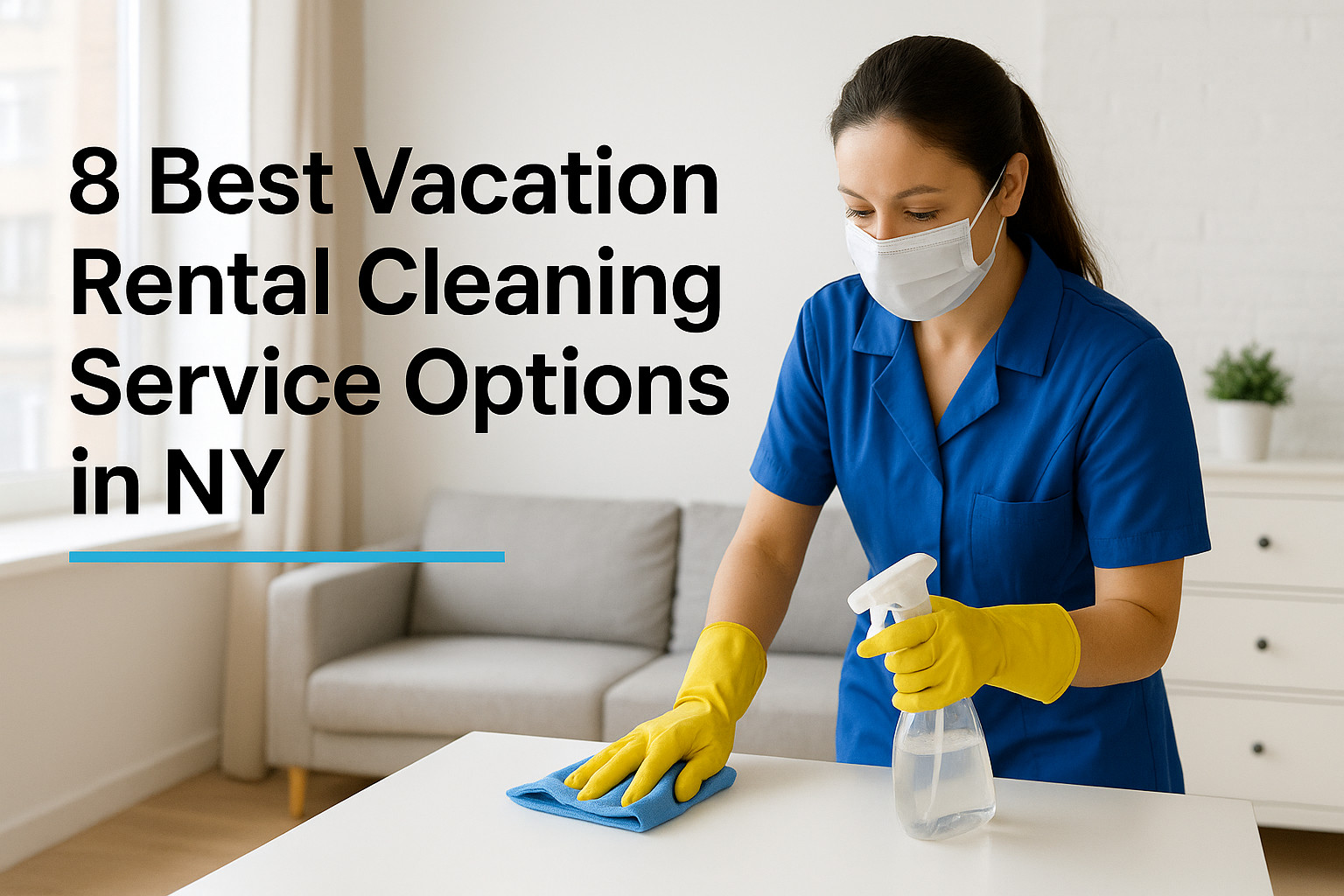
8 Best Vacation Rental Cleaning Service Options In NY
A single bad review about cleanliness can tank your Airbnb listing faster than almost anything else. If you manage a short-term rental in New York, finding a reliable vacation rental cleaning service isn’t optional, it’s the backbone of your guest experience and your reputation. Between tight turnover windows, high guest expectations, and the sheer volume of bookings during peak season, handling cleaning on your own gets old fast. At AlphaLux Cleaning, we work with property owners across New York who need consistent, detail-oriented turnovers they don’t have to think twice about. We know what it takes to keep a rental guest-ready because we do it every day, and we also know we’re not the only solid option out there. That’s why we put together this list with honesty in mind, not just self-promotion. Below, you’ll find eight of the best vacation rental cleaning services operating in New York, including what each one does well and who they’re the best fit for. Whether you manage one property on Long Island or a portfolio across the state, this guide will help you choose a cleaning partner that actually shows up and delivers. 1. AlphaLux Cleaning AlphaLux Cleaning is a New York-based professional cleaning company built to handle both residential properties and short-term rental turnovers across the state. Their staff is fully insured, background-checked, and trained to work within the tight windows that vacation rental hosts deal with between check-out and check-in. What sets them apart from a general cleaning company is their focus on consistency, which is exactly what rental hosts need most. What AlphaLux Cleaning covers for turnovers AlphaLux covers the full scope of a vacation rental cleaning service: linen changes, kitchen sanitizing, bathroom deep cleans, floor care, and restocking guest supplies. Every job follows a property-specific checklist so nothing falls through the cracks between one guest leaving and the next arriving. They also use eco-friendly, non-toxic products, which is a plus if your guests include families or people with sensitivities. A documented, property-specific checklist is what separates a one-time good clean from a turnover operation you can actually count on. Who AlphaLux Cleaning fits best in NY AlphaLux works best for individual hosts and small portfolio managers operating across New York, especially on Long Island. If you want a direct working relationship with a vetted local team rather than sorting through unknown cleaners on a third-party marketplace, this setup removes a lot of the guesswork and gives you real accountability. Pros and cons to consider Before committing, here is a clear look at both sides: Pros: Fully insured staff, eco-friendly products, customized turnover plans, free estimates, direct communication with the team Cons: Service area is limited to New York, so hosts with properties in other states will need to look at another option Pricing and how quotes work AlphaLux builds quotes around your specific property size, turnover frequency, and requirements. There are no platform fees or booking surcharges layered on top. Hosts who schedule recurring turnovers typically lock in better rates than those booking one-off cleans. How to book and set turnover standards You book directly through the AlphaLux Cleaning website using their online request form. From there, you work with the team to lock in your checklist, preferred timing windows, and any property-specific instructions around linens, restocking, or access logistics. 2. Turno Turno (formerly TurnoverBnB) is a dedicated marketplace and scheduling platform built specifically for short-term rental hosts. It connects you with local cleaners who specialize in turnovers and integrates with major booking calendars so cleanings can trigger automatically after each checkout. How Turno helps you manage turnover cleanings Turno syncs with your Airbnb, VRBO, or other booking platforms to auto-schedule cleanings the moment a guest checks out. You can send cleaners a custom checklist and receive photo confirmation when the job wraps up, cutting down on the back-and-forth follow-up most hosts deal with. Who Turno fits best in NY Turno works best for hosts managing multiple properties who want a software-first approach to turnover coordination. If you already have a trusted cleaner, you can also add them directly to the platform rather than hiring from the marketplace. Pros and cons to consider Pros: Calendar sync, photo verification, custom checklists, built-in payments Cons: Cleaner quality varies by area, and vetting each one falls on you Automation handles the scheduling, but the quality of your vacation rental cleaning service still depends entirely on who you choose to do the work. Pricing and platform fees Turno takes a small percentage of each cleaning transaction. There is no monthly fee for basic access, which keeps the entry cost low for hosts just getting started. How to set up listings, checklists, and scheduling You build a property profile inside Turno, connect your booking calendar, and create a checklist for each unit. Once that is in place, cleaners get automatic notifications every time a checkout is confirmed. 3. Merry Maids Merry Maids is a national franchise cleaning brand with locations operating across New York State. They serve both residential and commercial clients, and some franchise locations will accommodate short-term rental turnovers depending on your property’s location and scheduling needs. What Merry Maids offers for vacation rentals Standard residential cleaning services make up the core of what Merry Maids delivers, including kitchen and bathroom sanitizing, floor care, and surface cleaning. How well this translates into a reliable vacation rental cleaning service depends largely on which local franchise you contact, since each one operates independently and controls its own scope of work. Who Merry Maids fits best in NY This option works best for hosts who already use Merry Maids for their primary residence and want to extend that relationship to a nearby rental. If you prefer the assurance of a nationally recognized brand over sourcing an independent cleaner, Merry Maids offers that name recognition and baseline consistency. Pros and cons to consider Pros: Established brand, insured staff, multiple NY franchise locations Cons: Not purpose-built for STR turnovers, and checklist customization varies by franchise Confirm
Affordable Apartment Cleaning in Brooklyn: Quality Meets Value in 2026

Is it truly possible to secure a meticulous, professional clean in a city where the cost of living feels like a constant upward climb? For many New…
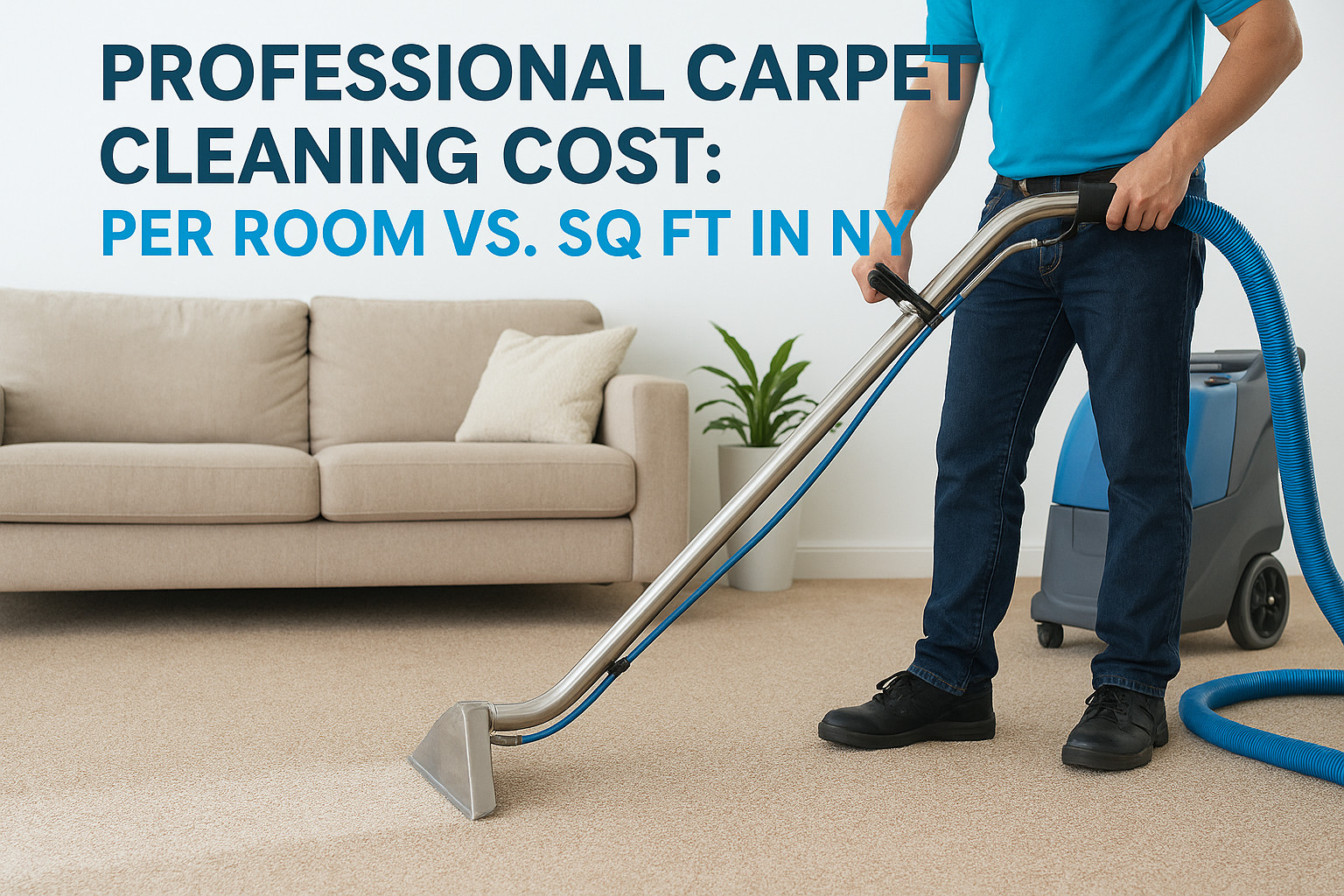
Professional Carpet Cleaning Cost: Per Room Vs. Sq Ft In NY
If you’re getting quotes for carpet cleaning in New York, you’ve probably noticed that prices vary, a lot. Some companies charge by the room, others by the square foot, and a few seem to pull numbers out of thin air. Understanding the real professional carpet cleaning cost before you book means you won’t overpay, and you’ll know exactly what you’re getting. Pricing transparency matters, especially when you’re comparing services across Long Island or anywhere else in the state. At AlphaLux Cleaning, we believe you deserve straight answers about what things cost and why. We’ve put together this guide based on current New York pricing so you can see how per-room and per-square-foot rates actually break down. We’ll cover the factors that shift the price, cleaning method, carpet condition, home size, and help you figure out which pricing model works best for your space. By the end, you’ll have a clear picture of what to budget and what questions to ask before hiring any carpet cleaning service in New York. Why professional carpet cleaning costs vary in NY New York isn’t a single market. Prices in Manhattan and prices in upstate New York can differ by 30% or more for the exact same job. Labor costs, overhead, and local competition all push rates in different directions, which is why two companies quoting on the same carpet can give you completely different numbers. Knowing what actually moves the price helps you read those quotes accurately and budget before you book. The professional carpet cleaning cost in New York depends on multiple overlapping factors, not just the size of your carpet. Location and local market rates Long Island and the New York City metro area tend to carry higher rates than rural parts of the state. A company operating out of Nassau County pays more for labor, insurance, and fuel than one working in a smaller upstate town, and those costs get passed on to you. Expect to pay roughly 15 to 25% above national averages if your property sits in the metro area or on Long Island. Your ZIP code also determines how many cleaning providers are competing for your business. More competition in dense areas can push prices lower, but it can also create wide variation in service quality, so the cheapest quote isn’t always the best one. Carpet size and condition Square footage is the single biggest cost driver for most carpet cleaning jobs. A 200-square-foot living room costs significantly less than a 600-square-foot open-plan office, even when the rate per square foot stays the same. Larger spaces take more time, more product, and more equipment to clean thoroughly. Heavily soiled or stained carpet adds to the final bill. Technicians may need to pre-treat stains, apply extra solution, or run multiple passes with their equipment. If your carpet hasn’t been professionally cleaned in over a year, factor in the real possibility of an upcharge for the additional work. Type of service requested Standard maintenance cleaning costs less than a deep clean or a move-out clean. A basic refresh for a well-maintained carpet takes less time and fewer products than one that needs stain removal, deodorizing, or heavy extraction. Move-in and move-out cleans are typically the most thorough and therefore the most expensive service tier you can request. Per room vs per square foot pricing in New York When you’re comparing quotes, two pricing models will come up most often: per room and per square foot. Both are legitimate, but they produce very different numbers depending on your home’s layout and room sizes. Per room pricing Per room pricing in New York typically runs $25 to $75 per room, with averages landing around $40 to $50 for a standard bedroom or living room. Companies that use this model almost always cap the room size, usually at 200 to 300 square feet, so if your room runs larger, expect an upcharge or a renegotiated rate before the job starts. If a company charges per room without mentioning a size limit, ask about it before you book. Per square foot pricing Square footage pricing gives you more transparency when rooms vary in size. In New York, rates typically land between $0.20 and $0.40 per square foot for standard steam cleaning, with higher rates for specialty methods or heavily soiled carpet. For a 1,500-square-foot home, that puts the professional carpet cleaning cost between $300 and $600 depending on the method and the carpet’s condition. The table below shows how each model compares at different home sizes: Space Size Per Room (avg. $45/room) Per Sq Ft (avg. $0.30) 1 room / 200 sq ft $45 $60 3 rooms / 600 sq ft $135 $180 5 rooms / 1,000 sq ft $225 $300 For larger open-plan spaces, per square foot pricing usually gives you a fairer number. For smaller homes with standard-sized rooms, per room pricing can work out to be the better deal. What drives the final price in NY homes and offices Beyond room count and square footage, several other variables push the professional carpet cleaning cost up or down before the technician even unrolls a hose. Understanding these factors helps you anticipate what your quote will look like and gives you leverage when discussing pricing with a provider. Carpet type and fiber material Wool, silk, and natural fiber carpets require gentler, more labor-intensive cleaning methods than synthetic options like nylon or polyester. Specialty fibers can increase the base rate by 10 to 20% because technicians need to use different equipment settings and approved solutions to avoid damage. If your home has high-end area rugs or wall-to-wall natural fiber carpet, expect that to show up in the quote. Telling your cleaning company the carpet fiber type upfront can prevent surprises on the final invoice. Number of floors and accessibility Multi-story homes and office buildings add complexity to any carpet cleaning job. Hauling equipment up stairs takes more time and physical effort, and some companies charge a per-floor fee or adjust their hourly rate
Background Checked House Cleaners in NYC: Ensuring Security and Serenity in 2026

The most affordable bid from a freelance platform might actually be the most expensive risk you take with your home’s security. While the gig economy…
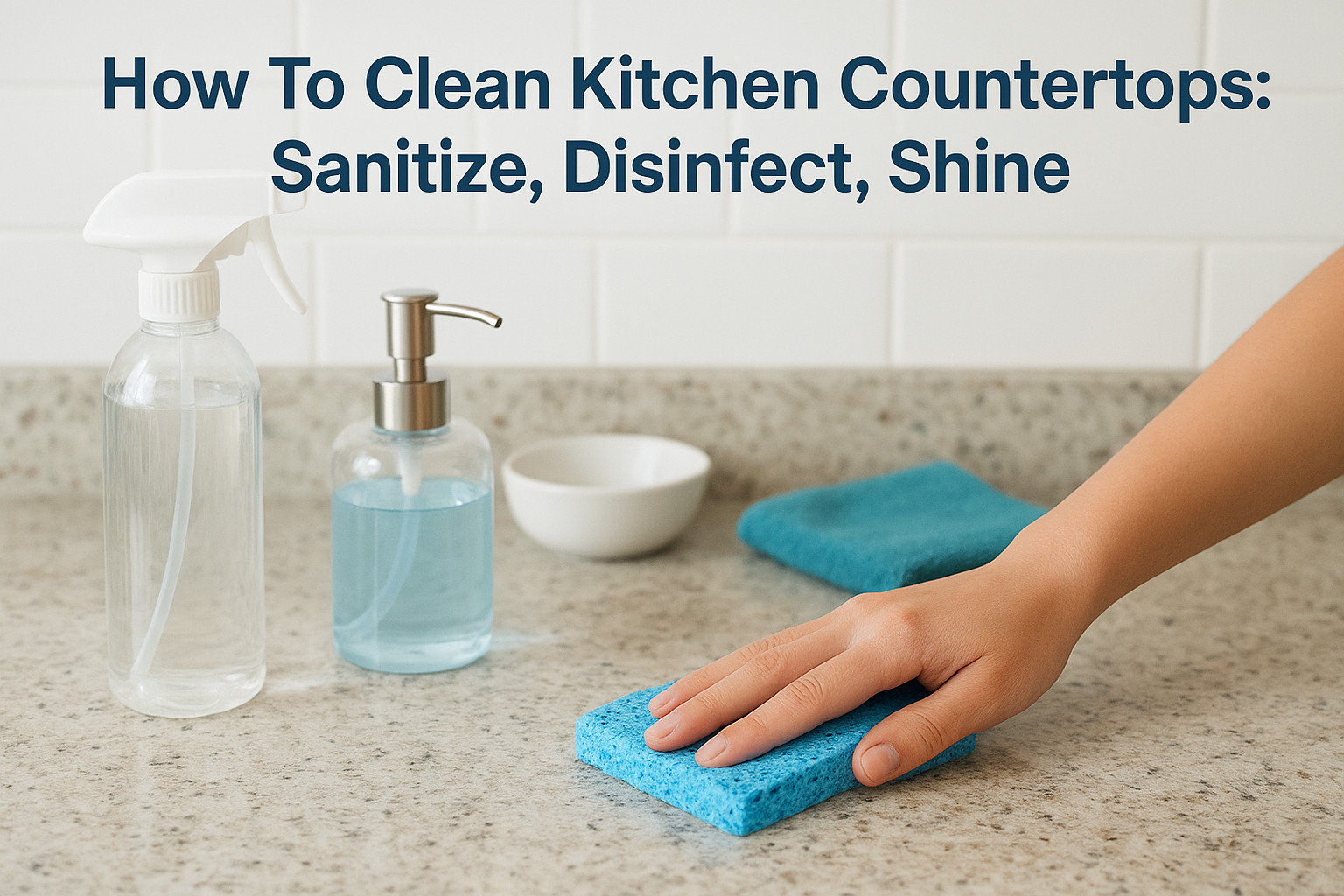
How To Clean Kitchen Countertops: Sanitize, Disinfect, Shine
Your kitchen countertops handle more daily abuse than almost any other surface in your home, from raw meat and sticky spills to hot pans and grocery bags. Knowing how to clean kitchen countertops the right way matters because the wrong product or technique can dull a granite finish, etch marble, or leave bacteria behind on butcher block. The stakes are both cosmetic and health-related. At AlphaLux Cleaning, we clean kitchens across New York State every single day, and countertops are one of the surfaces our teams pay the most attention to. We’ve learned firsthand that each material needs a different approach, what works beautifully on quartz can ruin a natural stone surface. That hands-on experience is exactly what shaped this guide. Below, you’ll find step-by-step instructions for cleaning, sanitizing, and disinfecting your countertops based on what they’re actually made of. We’ll cover the safest products, the techniques that protect your surface long-term, and a few mistakes that are surprisingly common. Whether you’re doing a quick daily wipe-down or a thorough deep clean, this guide will help you get it right. What to use and what to avoid on countertops Before you learn how to clean kitchen countertops step by step, you need to know which products are safe and which ones will quietly damage your surfaces over time. Many people grab whatever cleaner is within reach, not realizing that bleach, acidic sprays, and abrasive scrubbers can strip sealants, etch natural stone, and leave permanent marks behind. Getting this foundation right from the start saves you money and protects your surfaces. The wrong cleaner does more damage to your countertops than a messy spill ever could. Products that work well on most surfaces For everyday cleaning, a few simple options handle the job without causing harm to your countertops. Mild dish soap mixed with warm water works on nearly every countertop material. pH-neutral multipurpose cleaners are a solid choice for sealed natural stone like granite or quartzite. Pair these with a microfiber cloth, which lifts debris without scratching, and you’re in good shape for most routine cleaning tasks. Product Best For Dish soap + warm water All surfaces, daily wipe-downs pH-neutral stone cleaner Granite, marble, quartzite 70% isopropyl alcohol Quartz, laminate, tile (sanitizing) Diluted white vinegar Tile grout only, never on stone Products that can damage your countertops Several common household cleaners cause real, lasting damage when used on the wrong surface. Bleach and ammonia-based cleaners break down the sealant on granite and marble over time, leaving them open to deep staining. Abrasive scrubbing powders scratch quartz and solid-surface materials, and undiluted acidic cleaners like straight vinegar or lemon-based sprays will etch marble and limestone on contact. Bleach on natural stone or colored grout Ammonia-based glass cleaners Abrasive powders like Comet Undiluted vinegar or citrus-based sprays on stone Steel wool or rough scrubbing pads Step 1. Clear, dust, and wash with soap and water Start by removing everything from the counter: appliances, cutting boards, fruit bowls, anything sitting on the surface. You can’t clean properly around objects, and lifting them exposes the grime that collects underneath. Once the surface is clear, use a dry microfiber cloth or a soft brush to sweep away loose crumbs, dust, and debris before introducing any liquid. Skipping the dry sweep and going straight to a wet cloth just spreads crumbs around instead of removing them. Wash the surface with dish soap and warm water Fill a small bowl with warm water and a few drops of mild dish soap, then dampen your microfiber cloth and wipe the entire surface in sections. Work from back to front so you push debris toward you rather than over a clean area. This basic wash handles grease, food residue, and surface-level bacteria on almost every countertop material, making it the essential first step when you learn how to clean kitchen countertops properly. Rinse your cloth frequently and wring it out well so you’re not dragging dirty water across the surface. Finish by wiping the counter with a clean damp cloth to remove any soap film, then dry it immediately with a fresh towel to prevent water spots. Step 2. Sanitize or disinfect the right way Once your counter is clean and dry, you can move on to killing bacteria and pathogens. Cleaning removes visible dirt, but it does not eliminate germs on its own. Sanitizing reduces bacteria to safe levels, while disinfecting kills a broader range of viruses and pathogens. After handling raw meat or during cold and flu season, disinfecting is the right call. Don’t skip the soap-and-water step before sanitizing. Sanitizers and disinfectants work best on already-clean surfaces. Choosing the right product for the job Isopropyl alcohol at 70% concentration is one of the most effective and surface-safe options when figuring out how to clean kitchen countertops without causing damage. It works well on quartz, laminate, tile, and stainless steel. For a stronger result on tile or laminate, an EPA-registered disinfectant spray handles the job. Apply your chosen product, let it sit for the contact time listed on the label, then wipe the surface clean with a fresh cloth. Product Best Surface Contact Time 70% isopropyl alcohol Quartz, laminate, stainless steel 30 seconds EPA-registered disinfectant Tile, laminate Per label instructions Hydrogen peroxide (3%) Sealed stone, laminate 1 minute Step 3. Clean by material without damaging the surface Once you’ve sanitized, the material-specific step is where knowing how to clean kitchen countertops properly really matters. Each surface has different tolerances, and using the wrong product once can cause permanent etching, dulling, or discoloration. Follow the guidance below based on what your countertop is actually made of. Granite and natural stone Granite, marble, and quartzite all need a pH-neutral cleaner and nothing acidic. Wipe with your dish soap and water solution, then dry immediately to prevent water marks. Avoid leaving wet cloths sitting on the surface for any length of time. Sealing granite every 12 months protects the stone and makes routine cleaning far more effective long-term. Quartz
How to Vet a Cleaning Company: The Ultimate 2026 Security & Quality Guide

Handing over your front door key is a profound act of trust that many treat as a simple transaction, yet it remains one of the most vulnerable…
Refrigerator Cleaning Service: 5 NY Picks, Costs & Tips
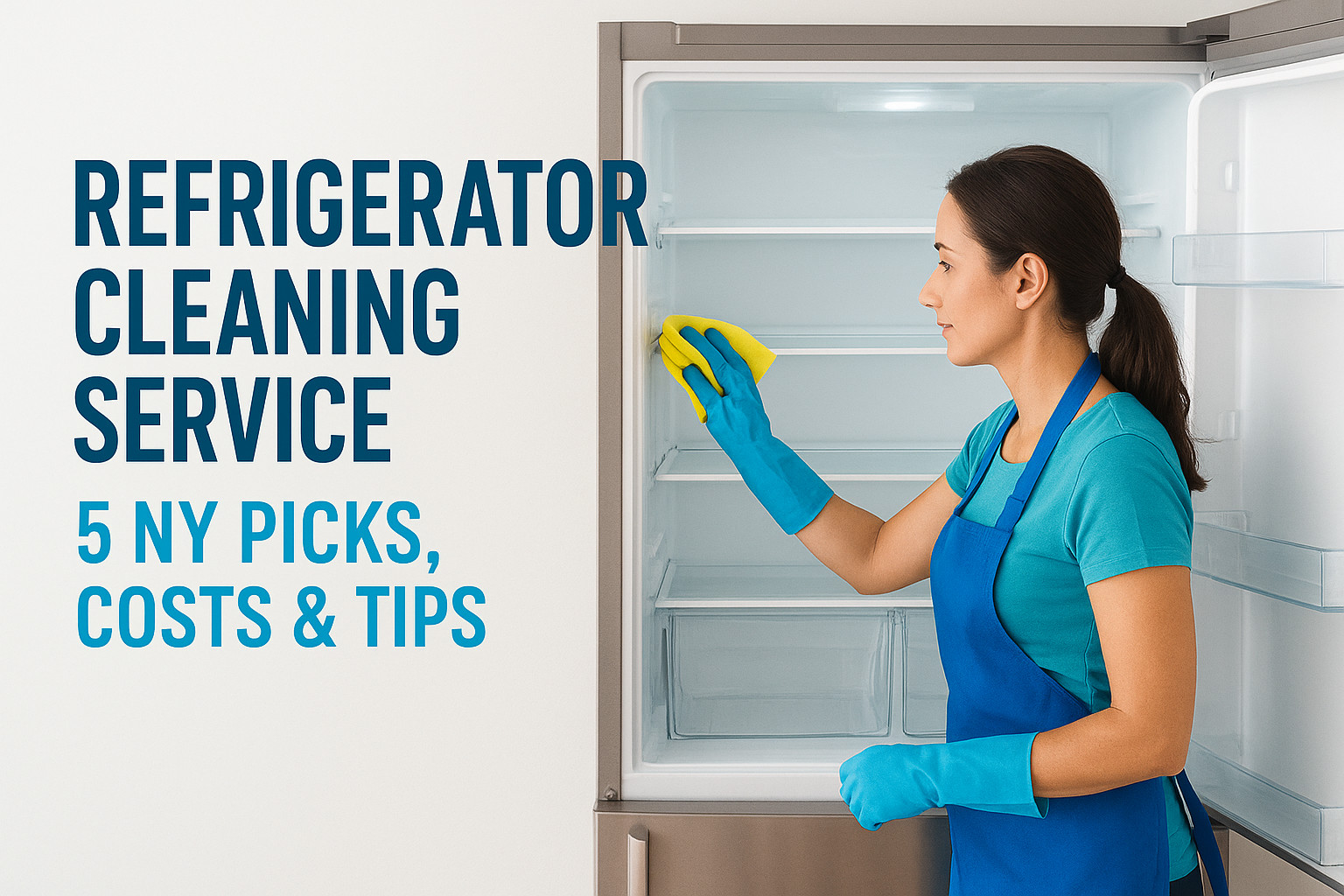
Your refrigerator works around the clock, but it probably hasn’t had a proper cleaning in months. Spills harden, odors build up, and expired items get shoved to the back, until opening the door feels like a small act of bravery. A professional refrigerator cleaning service can handle all of that, but finding the right one in New York means sorting through dozens of options with wildly different pricing and service levels. At AlphaLux Cleaning, we provide deep cleaning services across New York that cover every corner of a home, refrigerators included. That hands-on experience gives us a clear picture of what separates a thorough fridge cleaning from a surface-level wipe-down. We put together this guide so you can make a smart choice, whether you book with us or someone else. Below, you’ll find five solid NY-based picks for refrigerator cleaning, a realistic breakdown of what it costs, and practical tips to keep things fresh between professional visits. 1. AlphaLux Cleaning AlphaLux Cleaning operates across New York state and builds customized cleaning plans around your home’s actual needs. That approach extends to the fridge, where the crew treats it as part of a full-home deep clean rather than a quick wipe-down squeezed into a checklist. What this fridge deep clean typically includes A refrigerator cleaning service from AlphaLux covers far more than visible spills. The team removes all shelves and drawers, washes them separately, scrubs interior walls and the ceiling panel, deodorizes the space, and inspects door seals for hidden buildup. The exterior surfaces, including the top, handles, and vent areas at the back, get cleaned as well. Removing shelves and drawers for a separate wash makes a real difference in how long your fridge stays odor-free between professional visits. Who this service fits best in New York This option works well for homeowners and renters who want fridge cleaning folded into a larger house clean rather than scheduling a separate specialist. It also fits people moving in or out of a New York property who need the entire kitchen handled in one appointment. Cost factors and typical pricing in NY Several variables affect what you pay, and getting a free estimate upfront removes any guesswork. AlphaLux offers no-commitment quotes, so you can confirm the exact scope before any work begins. Factor Impact on price Fridge size (standard vs. French door) Larger units add time and cost Bundled with a full home clean Lower per-task rate Standalone fridge appointment Higher flat-rate fee Level of buildup Heavy grime may increase the estimate Standalone fridge cleaning typically runs between $60 and $120 in New York, while bundling it into a full deep clean often brings that cost down significantly. What to ask when you request a quote When you contact AlphaLux, confirm whether shelf and drawer removal is included or priced as an add-on. Also ask whether the team addresses the [condenser coil area](https://alphaluxcleaning.com/how-to-clean-range-hood-filters/) at the back, since debris buildup there affects how efficiently your refrigerator runs. Knowing exactly what is covered before the appointment prevents any confusion on the day. 2. The Cleaning Authority The Cleaning Authority operates as a franchise-based cleaning company with locations throughout New York. They focus on recurring residential cleaning using a rotating detail-clean system, which means different areas of your home receive extra attention on a scheduled basis. What this fridge deep clean typically includes Their Detail-Clean Rotation System cycles through specific areas of your kitchen, including the refrigerator interior, on a scheduled basis. Expect the team to wipe down interior shelves, clean door bins, and address visible spills and odors. Full shelf removal is not always standard, so confirm the exact scope before your first appointment. If your fridge hasn’t been professionally cleaned in over a year, ask specifically whether drawer and shelf removal is included in the rotation cycle. Who this service fits best in New York This service fits homeowners who want ongoing, recurring cleaning rather than a single deep-clean visit. If you already subscribe to a regular cleaning plan, adding refrigerator attention within that rotation is convenient and cost-effective for your overall cleaning budget. Cost factors and typical pricing in NY Pricing depends on your subscription tier and home size. Standalone refrigerator cleaning service is not typically offered as a separate booking, so you generally need to be an existing recurring customer to access this benefit. What to ask when you request a quote Ask the local franchise directly which rotation cycle covers the refrigerator and how frequently that cycle recurs. Also confirm whether eco-friendly or non-toxic products are available if you have sensitivities to standard cleaning chemicals. 3. Merry Maids Merry Maids is a nationally recognized cleaning brand with franchise locations operating throughout New York. They offer both recurring home cleaning plans and one-time service options, which gives you more flexibility than some competitors when it comes to scheduling a single visit. What this fridge deep clean typically includes A standard Merry Maids visit covers kitchen surfaces and appliance exteriors, including your refrigerator. For a dedicated interior clean, you typically need to request it specifically as part of a deep clean or move-in/move-out package. Expect interior wipe-downs, shelf cleaning, and odor removal when that scope is confirmed in advance. Always specify refrigerator interior cleaning when you book, since general kitchen cleaning often covers only the outside of appliances. Who this service fits best in New York This option works well for renters and homeowners who want a recognizable brand with standardized service protocols. It also suits people who prefer booking a one-time deep clean before a move rather than committing to a recurring plan from the start. Cost factors and typical pricing in NY Pricing varies by location and service scope within New York. A one-time deep clean that includes refrigerator interior cleaning generally falls in the $150 to $300 range, depending on home size and the specific tasks requested. What to ask when you request a quote Confirm that refrigerator cleaning service tasks like shelf and bin removal are explicitly
Office Cleaning for Tech Startups in NYC: The 2026 Guide to High-Performance Workspaces
Could the very people hired to maintain your workspace be the silent threat to your startup’s most expensive hardware? You likely know the…
From Sanitization to Safety: Why Every Modern Business Needs a Professional Janitorial Service
Janitorial Services for Schools: What To Expect & Costs
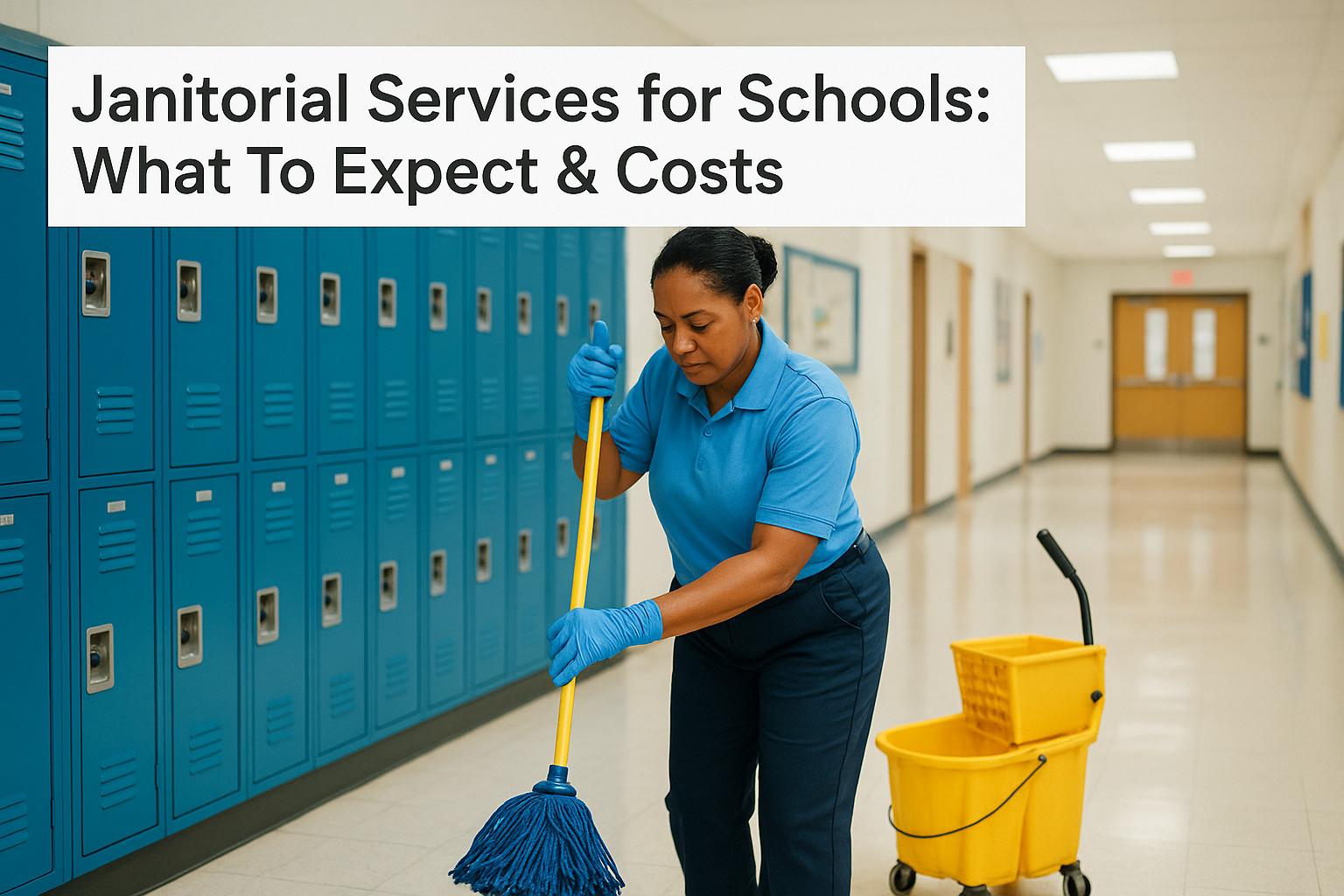
A clean school isn’t just about appearances, it directly affects student health, staff morale, and how parents perceive the entire institution. That’s why janitorial services for schools require a level of consistency and thoroughness that goes well beyond standard commercial cleaning. Between high-traffic hallways, shared restrooms, cafeterias, and classrooms full of kids, schools face unique sanitation challenges that demand specialized attention every single day. Choosing the right janitorial partner for a school means understanding exactly what the job involves, and what it should cost. Not all cleaning companies treat educational facilities the same way, and the difference between a mediocre provider and a great one often comes down to training, accountability, and the products they use. At AlphaLux Cleaning, we bring that same standard to every facility we service across New York, using eco-friendly, non-toxic products and thoroughly vetted professionals who understand what’s at stake when the space belongs to children. This article breaks down what school janitorial services actually include, how pricing typically works, and what to look for when evaluating providers. Whether you manage a single elementary school or oversee maintenance for an entire district, you’ll walk away with a clear framework for making a confident hiring decision. What janitorial services for schools include Janitorial services for schools cover a much broader scope than typical office or retail cleaning. Schools are multi-use facilities where the same building hosts learning, eating, physical activity, and socializing throughout the day, which means cleaning crews need to address a wide range of surfaces, spaces, and sanitation needs under one contract. Daily tasks Daily cleaning keeps the building safe and functional between deep-cleaning cycles. Your crew should handle restroom sanitization and restocking multiple times per day, along with trash removal, floor sweeping and mopping in hallways and classrooms, and surface wiping in high-contact areas like door handles, light switches, and shared desks. Cafeteria cleaning after each meal period is also a core daily task, since food residue and spills create slip hazards and attract pests quickly. Restrooms and cafeterias carry the highest risk of spreading illness among students and staff, so they need attention multiple times per school day, not just once. Periodic deep cleaning Beyond the daily routine, schools also need scheduled deep cleaning at regular intervals. This includes stripping and refinishing gym and hallway floors, steam cleaning carpets in libraries or administrative areas, scrubbing grout in restroom tiles, and cleaning HVAC vents to reduce dust and allergens circulating through the building. Most providers schedule these tasks quarterly or during school breaks to minimize disruption to classes and operations. Locker rooms and science labs typically fall into this category as well, since they require more intensive product use and longer dwell times to clean effectively. Here is a quick breakdown of what falls into each category: Task Frequency Key Areas Restroom sanitization Daily All restrooms Trash removal Daily Classrooms, hallways, offices Floor mopping Daily Cafeteria, hallways Carpet cleaning Quarterly Library, admin offices Floor refinishing Annually or as needed Gymnasium, hallways Vent and duct cleaning Annually Entire building Why schools need specialized cleaning Schools are not ordinary buildings. On any given day, hundreds or thousands of people pass through the same doors, share the same surfaces, and breathe the same air. That level of occupancy and shared contact creates conditions where bacteria and viruses spread faster than in almost any other environment. Standard janitorial services for schools must account for this reality from the ground up, not treat schools like a larger version of an office. Student health and infection control Children’s immune systems are still developing, which makes them more vulnerable to illness than adults in a typical workplace. A missed restroom or improperly sanitized cafeteria table can trigger a wave of absences that affects attendance rates, academic performance, and parent trust. Your cleaning provider needs to use EPA-registered disinfectants and follow protocols designed specifically for high-density, shared spaces where cross-contamination happens quickly. The CDC recommends treating cleaning and disinfection as two separate steps, with cleaning always coming first to remove debris before disinfectants can work effectively. Compliance with health and safety standards Your provider must also meet specific indoor air quality and sanitation standards set by New York state and local health agencies. That means documented procedures, proper chemical handling practices, and staff trained to follow safety protocols in environments where children are present throughout the day. A generalist cleaning company often lacks this structured, compliance-focused approach. How school janitorial pricing works Janitorial services for schools are rarely priced the same way twice. Most providers base their quotes on a combination of factors, including the size of your facility, the frequency of service, and the specific tasks included in the scope. Understanding how pricing works upfront helps you compare quotes accurately and avoid paying for services you don’t actually need. Pricing models explained Providers typically use one of two models: per-square-foot pricing or a flat monthly rate. Per-square-foot pricing gives you more transparency since costs scale directly with your building size. Flat monthly rates bundle everything into a predictable number, which makes budget planning easier for school administrators working within a fixed annual budget. Per-square-foot pricing typically ranges from $0.08 to $0.20 per square foot for daily services, though this varies based on service frequency and facility complexity. What affects your total cost Frequency of service is one of the biggest price drivers. Daily cleaning costs significantly more than a weekly schedule, but high-traffic schools usually cannot function safely on anything less. Specialized areas like science labs, locker rooms, and gymnasium floors require additional labor and product costs, so make sure your provider itemizes these in the contract rather than bundling them into a flat figure. Typical costs and price drivers in New York New York schools pay more for janitorial services than the national average, largely because of higher labor costs and stricter compliance requirements in the state. Knowing the typical ranges before you request quotes puts you in a stronger position to evaluate what you’re being offered and