Cost for Deep Cleaning House: What You’ll Really Pay
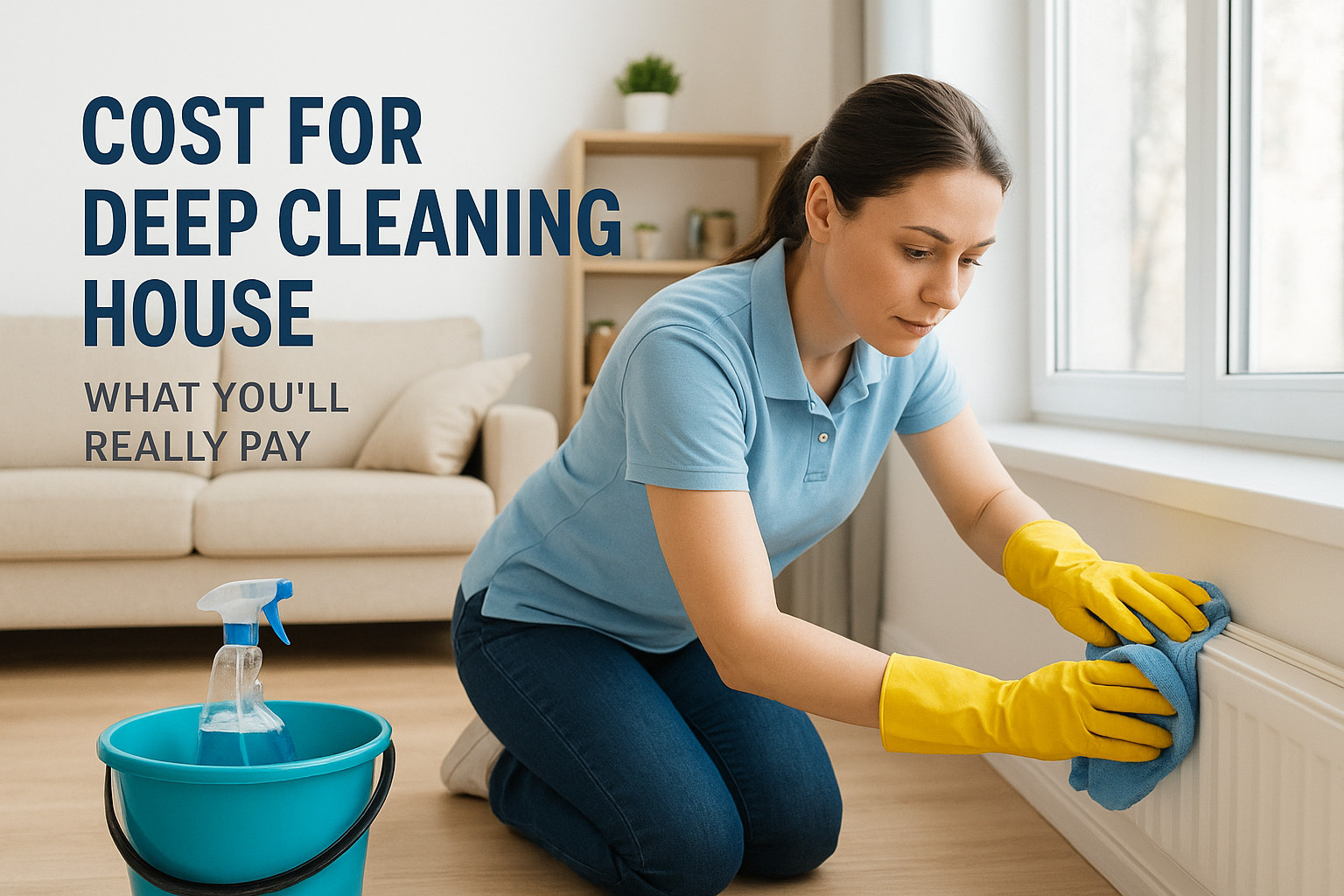
You need a real number before you book anyone, not a vague range that could mean $150 or $500. The cost for deep cleaning house projects varies more than most people expect, because square footage, condition, and location all push the price in different directions. If you’ve gotten three quotes already and they’re all over the map, you’re not imagining things. Here’s the direct answer: most homeowners in New York pay somewhere between $200 and $450 for a standard deep clean, with larger homes or heavily neglected spaces running higher. The average deep cleaning cost depends on whether you need a one-time reset, a move-in or move-out clean, or a recurring service that keeps your home at a lower maintenance level going forward. Below, we break down exactly what drives your house deep cleaning cost up or down, from square footage and number of bathrooms to add-ons like inside-oven or window cleaning. We’ll also show you how to compare quotes fairly, so you know when a price is reasonable and when it’s padded. By the end, you’ll have a solid budget number and the right questions to ask before you hire anyone. Why deep cleaning costs more than a standard clean Standard cleaning keeps a house looking tidy between deep cleans, but it barely scratches the surface of what’s actually dirty, and the difference between deep cleaning and regular cleaning shows up directly in the price. A deep cleaning house price runs higher because the crew is doing physical labor a weekly maid service skips entirely: scrubbing grout lines, pulling out appliances, and hand-wiping baseboards that haven’t seen a cloth in months. When people ask about the cost of deep cleaning a house, they’re really asking about the cost of extra hours, extra products, and extra attention to spots that get ignored during routine visits. A deep clean costs more because it’s paying for hours of detail work, not a quick surface wipe. What a standard clean skips (and deep cleaning covers) A regular visit focuses on visible surfaces: countertops, floors, and bathroom fixtures. Deep cleaning goes further, and that difference in scope is the single biggest driver of price. Here’s what typically gets added, and a room-by-room deep cleaning checklist shows the full picture: Baseboards, door frames, and window sills wiped by hand Inside the oven, refrigerator, and microwave Grout scrubbing in showers and tile floors Ceiling fans, vents, and light fixtures dusted Window tracks and blinds cleaned Behind and underneath furniture and appliances Each of these tasks adds real time to the job, and time is what you’re paying for. More hours, more hands A two-bedroom home might take a two-person team 90 minutes for a standard clean, but the same home can take three to four hours for a proper deep clean. That’s not padding, it’s the reality of scrubbing tile grout or degreasing an oven interior. The table below shows why the deep house cleaning cost scales the way it does compared to routine maintenance: Service Type Typical Team Size Time for Average 3-Bed Home Standard clean 1-2 people 1.5-2 hours Deep clean 2-3 people 3-5 hours Move-in/move-out clean 2-3 people 4-6 hours More labor hours mean more wages to cover, which is why a deep clean often costs two to three times what a standard visit runs. If you’re comparing a quote against what you paid for a routine tidy-up last month, this is the gap you’re seeing. The condition of your home changes the math A home that’s been maintained weekly will cost less to deep clean than one that hasn’t seen a real scrub in a year. Pet hair buildup, heavy grease in the kitchen, hard water stains, and mold in bathroom corners all add time, and time is the variable that moves your price up. Companies that quote flat rates without seeing the space first are often the ones who tack on surprise fees once they arrive and realize the job is bigger than described over the phone. This is also why how much does a deep cleaning cost for house questions rarely have a single universal answer. A well-kept 1,500-square-foot condo and a neglected 1,500-square-foot house with three pets are not the same job, even though they’re the same size. At AlphaLux, our deep house cleaning services account for this by walking through pricing details before the crew shows up, so you’re not blindsided by add-on charges halfway through the visit. What you’ll pay based on home size and type Square footage is the single biggest number a cleaning company uses to build your quote. A studio apartment takes a fraction of the time a five-bedroom colonial needs, so the cost of house deep cleaning climbs in fairly predictable steps as rooms and bathrooms get added. Most companies price by bedroom and bathroom count rather than exact square footage, since bathrooms and kitchens drive the labor far more than an extra hallway or closet does. Bathrooms and kitchens, not total square footage, are what actually push your deep cleaning price higher. Typical price ranges by home size Here’s what you can expect to see on quotes across New York for a standard deep clean, before add-ons like inside-window washing or carpet shampooing, and a fuller breakdown of the price of deep cleaning a house fills in the edge cases: Home Size Bedrooms/Bathrooms Typical Deep Clean Price Small apartment/condo 1 bed / 1 bath $150-$220 Mid-size home 2 bed / 1-2 bath $220-$320 Standard family home 3 bed / 2 bath $300-$400 Large home 4 bed / 3 bath $400-$550 Very large home 5+ bed / 3+ bath $550 and up Ranges overlap because condition still matters more than raw size in some cases. A tidy 4-bedroom home can land at the low end while a cluttered 2-bedroom apartment pushes toward the mid-range for its category, and what you’ll pay to clean an apartment follows its own set of rules. Property type changes the calculation too Beyond bedroom count, the type
Professional Deep Cleaning Services in Queens, NY: The 2026 Guide to a Pristine Home
Did you know that 87% of Americans report that a clean home directly improves their mental and physical well-being? In a borough as vibrant and…
Cleaning Office Near Me: What to Expect and What It Costs
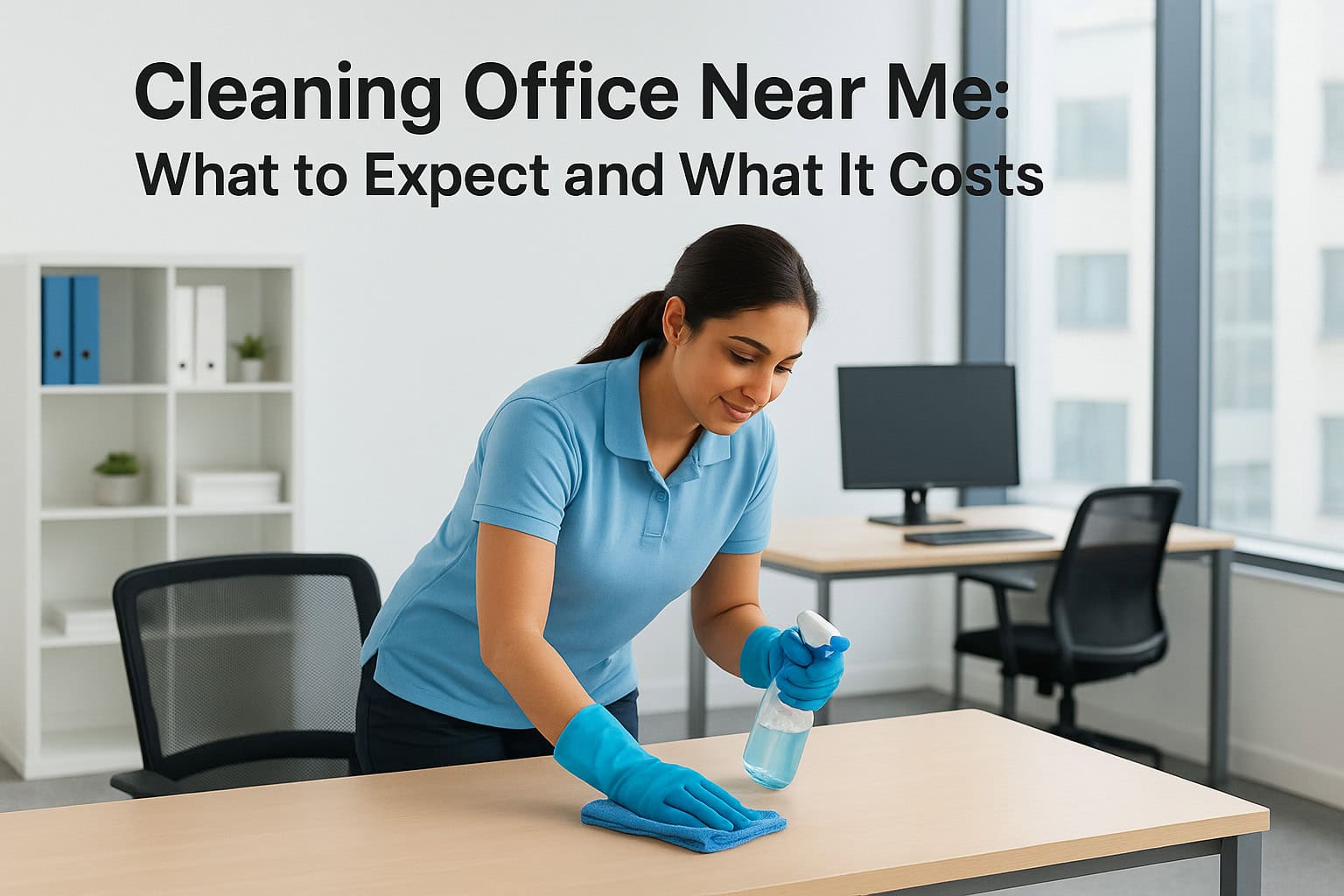
You typed cleaning office near me because your workspace looks worse every week and nobody on staff has time to fix it. Maybe a client is visiting Friday, or your employees keep mentioning the dusty vents and sticky break room counter. Whatever pushed you to search, you want real answers: who services your area, what they actually do during a visit, and what it’s going to cost you. This article gives you those answers straight. We’ll walk through what a typical office cleaning visit includes, from trash removal and surface disinfecting to deeper tasks like carpet care and window cleaning, so you know exactly what you’re paying for. You’ll also get a realistic breakdown of office cleaning costs in New York, based on square footage, frequency, and the type of clean you need. We work with businesses across New York State every day, so we know what office managers actually ask before booking. By the end, you’ll understand how to compare quotes, spot what separates a reliable cleaning company from a risky one, and decide whether a one-time deep clean or a recurring schedule fits your space better. Why professional office cleaning matters for your business A dirty office does more damage than most managers realize. Dust builds up on keyboards, bacteria spreads across shared surfaces, and within weeks the whole space starts to feel neglected. When you search for a cleaning office near me, you’re not just chasing tidiness. You’re trying to protect employee health, client perception, and the physical assets you’ve invested in. Skipping professional cleaning doesn’t save money long term, it just moves the cost somewhere else, usually into sick days, replaced furniture, or a client who never books a second meeting. Health and productivity take a direct hit Offices are breeding grounds for germs because so many people touch the same surfaces all day. Doorknobs, keyboards, break room microwaves, and shared coffee makers carry more bacteria than most employees expect. The Centers for Disease Control and Prevention notes that routine cleaning of high-touch surfaces reduces the spread of illness-causing germs in shared spaces (cdc.gov). Fewer sick days translate directly into fewer disruptions and lower payroll losses from absenteeism. A workplace that stays visibly clean also stays measurably healthier. Air quality matters just as much as surfaces. Dust and allergens accumulate in carpets, vents, and upholstery when nobody addresses them on a schedule. Employees working in that environment report more headaches, fatigue, and difficulty concentrating, especially in offices with poor ventilation. A consistent cleaning routine keeps allergens down and helps your team stay focused instead of distracted by a stuffy, dusty room, one of the clearest benefits of a clean office for morale and productivity. First impressions decide whether clients come back Clients and visitors form an opinion about your business within seconds of walking through the door, which is why office cleaning doubles as your best marketing tool. Sticky floors, overflowing trash bins, or a grimy reception desk send a message you never intended: that you don’t pay attention to detail. That impression sticks, whether it’s fair or not, and it colors how people judge the quality of your actual product or service. Consider the difference these two scenarios make on a potential client: Office Condition Likely Client Perception Spotless lobby, clear surfaces, fresh air Organized, trustworthy, detail-oriented Dusty furniture, visible trash, stained carpet Disorganized, careless, low standards Regular commercial cleaning removes that risk entirely. You stop worrying about last-minute walkthroughs before a big meeting because the baseline standard is already high. That peace of mind alone is worth the monthly cost for most businesses that rely on in-person client visits. Protecting your furniture, floors, and equipment Office furniture, carpet, and flooring represent real money. Carpet fibers trap grit that acts like sandpaper every time someone walks across it, wearing down the material faster than most people expect. Left untreated for months, that damage becomes permanent, and replacing carpet or refinishing hardwood costs far more than a recurring cleaning contract ever would. Equipment suffers too. Dust buildup inside computer towers, printers, and HVAC vents forces those systems to work harder and fail sooner. Sticky residue on desks and shared equipment accelerates wear on surfaces that were never designed to handle daily grime without maintenance. Trained cleaning crews know which products and techniques protect these surfaces instead of degrading them, something a rushed weekly wipe-down from staff rarely accomplishes. Ultimately, the case for professional office cleaning services comes down to protecting three things: your people’s health, your company’s reputation, and your physical assets. Cutting corners on any of those categories costs more in the long run than hiring a dedicated team from the start. If you want a closer look at how a professional approach handles these priorities, our commercial cleaning services page breaks down exactly what a customized plan looks like for offices across New York. How to find a reliable office cleaning service near you Searching "cleaning office near me" hands you a list of options, but that list doesn’t tell you who actually shows up on time, brings the right supplies, and treats your space with care. Finding a trustworthy commercial cleaning company takes a bit more digging than clicking the first result. You need to verify credentials, read between the lines on reviews, and ask questions before you sign anything. Start with reviews, but read them critically Google reviews and Yelp ratings give you a starting point, not a final answer. Look past the star average and read the actual comments, especially the ones from businesses similar to yours in size and industry. A five-person law firm and a fifty-desk call center have different needs, so a glowing review from one doesn’t guarantee the same experience for the other. Pay attention to recurring complaints too. If three separate reviewers mention missed appointments or rushed jobs, that pattern tells you more than any overall score. The best office cleaning company near you is the one whose reviews match your specific building type, not
Commercial Post-Renovation Cleaning on Long Island: The 2026 Business Guide
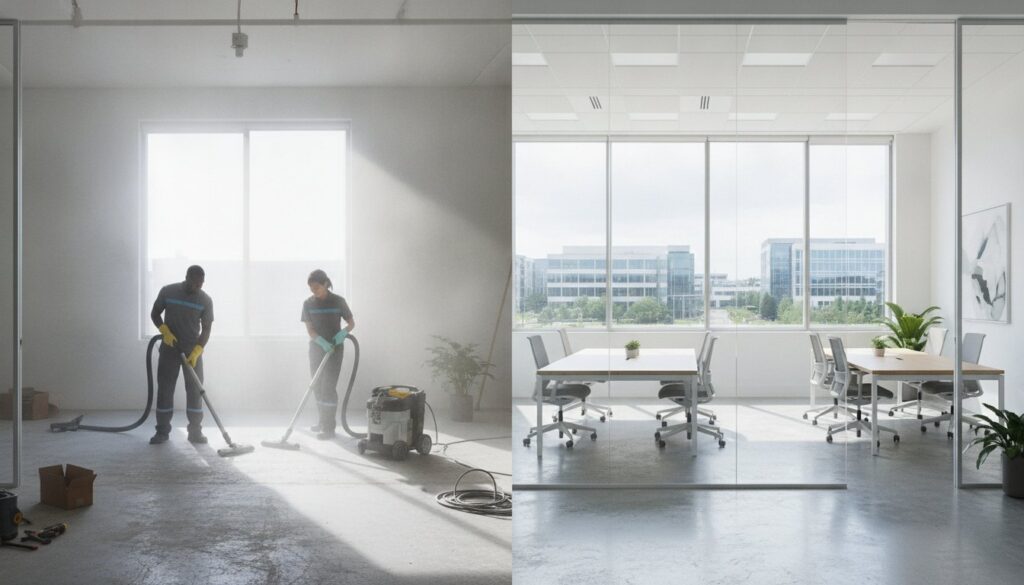
Your standard janitorial crew is likely the biggest risk to your newly renovated commercial space. While they excel at daily maintenance, the…
6 Best House Cleaning Services In Brooklyn To Book Today
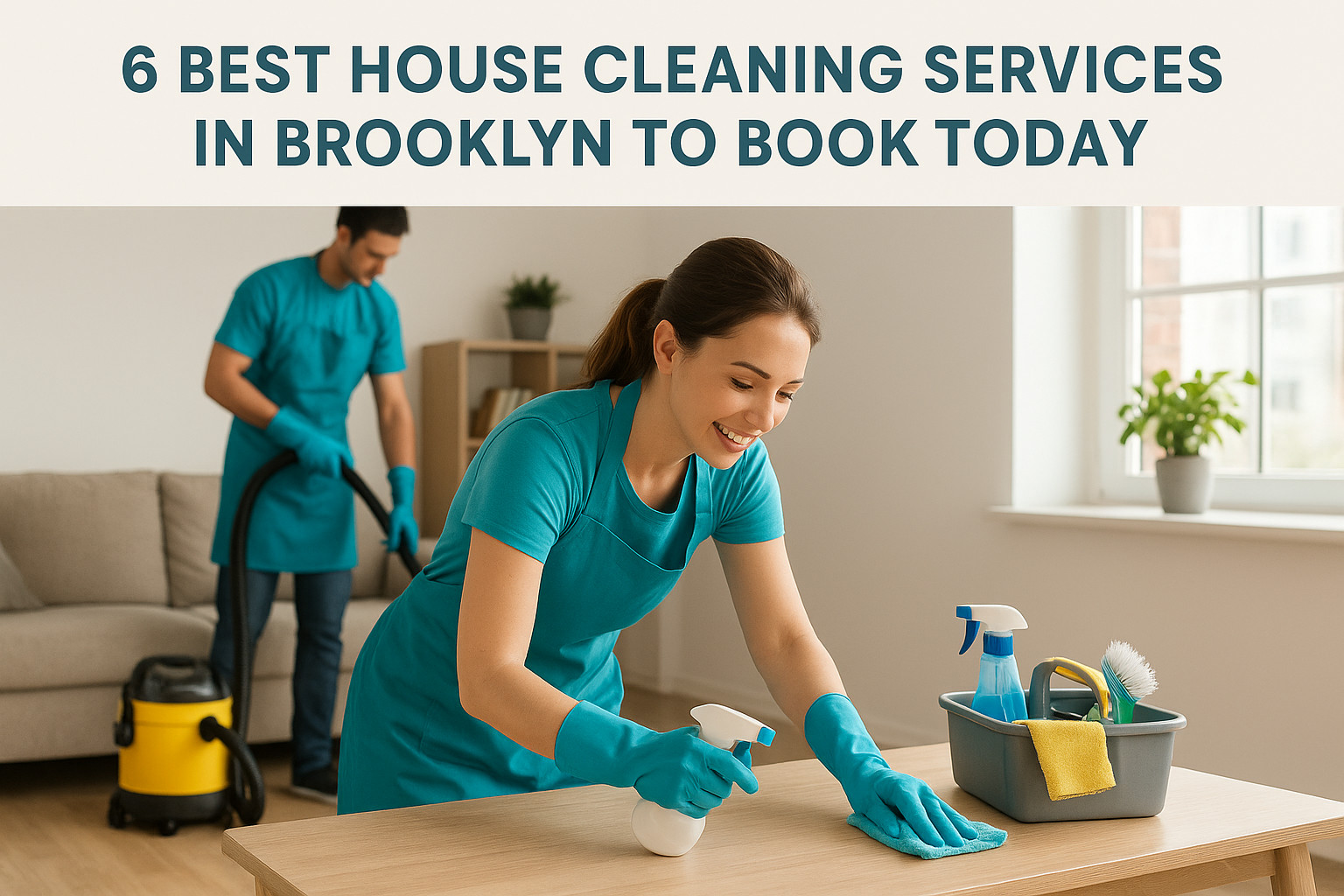
Brooklyn apartments and brownstones fight dust, subway grime, and tight schedules in equal measure, and finding someone you trust to handle your keys and your space isn’t something you decide on a whim. If you’ve been searching for reliable house cleaning services in brooklyn, you’ve probably already noticed the options are endless and the reviews are all over the place, from national franchises to one-person operations working out of their car. This list cuts through that noise. We looked at pricing transparency, staff vetting, and how each company handles the details that matter, whether you need a quick weekly tidy-up or a full deep cleaning services brooklyn residents rely on before hosting guests or closing on a move. We also flagged which providers offer real brooklyn maid service flexibility for recurring visits versus one-time jobs. Below, you’ll find six companies worth booking today, including what each one specializes in, how their rates compare, and who they’re best suited for. AlphaLux Cleaning, serving homes and businesses across New York State with insured, background-checked staff and eco-friendly products, made the cut for good reason, and you’ll see exactly why alongside the rest. 1. AlphaLux Cleaning AlphaLux Cleaning tops this list because it treats Brooklyn homes the way you’d want a friend to treat them: carefully, consistently, and without cutting corners. The company serves residential and commercial clients across New York State, and its Brooklyn clientele ranges from single-bedroom rentals in Bushwick to multi-floor brownstones in Park Slope. What sets them apart isn’t just the checklist, it’s the personalized cleaning plans built around your actual schedule instead of a rigid template. Services offered Standard visits cover kitchens, bathrooms, living spaces, and bedrooms, but you can layer on extras depending on what your space needs. Their deep cleaning service in Brooklyn tackles baseboards, inside appliances, window tracks, and grout, the spots a quick wipe-down always skips. AlphaLux also handles move-in and move-out cleaning prices in Brooklyn, which matters if you’re trying to get a security deposit back or want a spotless start in a new apartment. Every job uses green cleaning products that are non-toxic, so you’re not left with chemical residue or a headache after the crew leaves. Pricing AlphaLux offers free estimates before you commit to anything, which is rare among Brooklyn cleaning companies that often quote flat rates without seeing your space first. Pricing depends on square footage, cleaning frequency, and the level of detail requested, and recurring clients typically pay less per visit than one-time bookings. A cleaning service that quotes you sight unseen is guessing, not pricing. Best for AlphaLux fits homeowners and renters who want the same trusted team returning visit after visit, plus businesses that need consistent office upkeep without micromanaging a schedule. It also suits anyone moving who wants one company to handle both the exit clean and the fresh start. How to book Booking runs entirely online, no phone tag required, and there are several trusted ways to book house cleaning online. You can request a free estimate directly through their site, pick a service type, and lock in a date that works for you. 2. Brooklyn Maids Brooklyn Maids has built a name for itself as a local outfit that knows the borough’s building quirks, from walk-up stairwells to pre-war radiators that collect dust in ways newer construction doesn’t. Local familiarity matters here, since a crew that’s cleaned hundreds of Brooklyn apartments knows where grime hides that out-of-town franchises miss, which is worth weighing as you compare maid services in Brooklyn. Services offered Core offerings include standard recurring cleanings, one-time deep cleans, and move-in/move-out service. Add-ons like inside-oven or inside-fridge cleaning cost extra, so check the fine print before assuming everything’s bundled into the base rate. Pricing Rates run on the higher end for Brooklyn, often starting above what smaller independent cleaners charge for comparable square footage. Transparent quotes aren’t always guaranteed upfront, and some customers report needing a phone consultation before getting a firm number. Extra fees hidden until checkout erode trust faster than a missed spot on the counter. Best for Busy professionals who want a recognizable, established name and don’t mind paying a premium for that reputation will find Brooklyn Maids a solid fit. It suits renters who want recurring visits without negotiating rates each time. How to book Booking happens through their website or a scheduling call, with availability sometimes limited during peak weekend slots. 3. MaidPro Brooklyn MaidPro Brooklyn runs on a franchise model, which means service quality can shift slightly depending on which local team handles your address. Their 49-point checklist is the selling point, a standardized inspection list that covers everything from ceiling fans to baseboards, so it helps to know what a professional house cleaning includes before comparing lists. Services offered Standard cleanings, deep cleans, and move-out service make up the core menu, alongside optional add-ons like interior windows and laundry. Recurring house cleaning services brooklyn customers often choose biweekly visits, which MaidPro prices lower per session than one-off bookings. Pricing Expect a custom quote after an in-home or virtual walkthrough, since MaidPro doesn’t publish flat rates online. Most Brooklyn apartments land in a mid-to-upper price range, and first-time deep cleans typically cost more than the recurring rate that follows. A checklist only means something if someone actually checks it off in front of you. Best for Homeowners who like documentation and want proof of what a cleaner touched will appreciate MaidPro’s system. It also suits people newer to hiring cleaners who want structure over flexibility. How to book You request a quote online, get matched with your local franchise, and schedule directly through their booking portal or a follow-up call. 4. TaskRabbit TaskRabbit works differently than the other names on this list. Instead of a dedicated cleaning company, you’re hiring an independent gig-economy cleaner who lists their own availability and rates on the platform. That flexibility appeals to people who want a cleaner today, not next week, but it also means quality varies from
The Ultimate Home Cleaning Checklist: A Professional Guide to a Pristine Space

87% of Americans report that a clean environment directly boosts their mental and physical well-being. It’s a powerful statistic that highlights why…
Commercial Office Cleaning Services: What’s Included And Cost
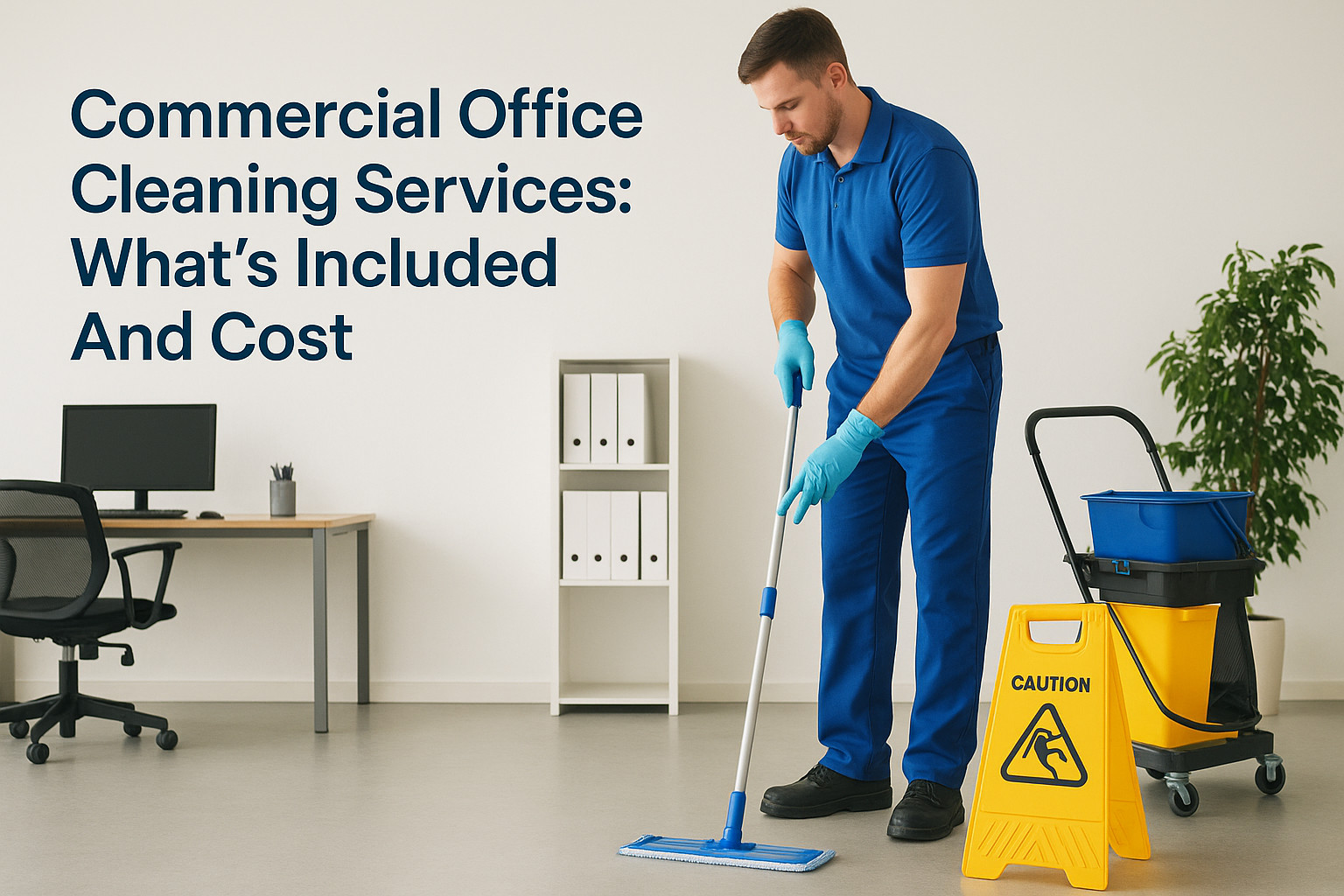
Your office looks fine on Monday and feels grim by Thursday. Dust builds up on desks, break room counters get sticky, and bathrooms start smelling like nobody’s touched them since last week. If you’ve started searching for commercial office cleaning services, you’re probably past the point of wondering whether you need help and onto the harder question: what should you actually be paying for, and what’s a fair price for your space. This guide breaks down exactly what’s included in a standard office cleaning contract, from daily trash pickup and restroom sanitizing to periodic deep cleans like carpet shampooing and window washing. You’ll also get real cost ranges based on square footage, cleaning frequency, and building type, so you can spot a fair quote versus one that’s padded with extras you don’t need. We’ll also cover how to compare providers offering office commercial cleaning services, what questions separate a reliable company from a risky one, and how to find trustworthy office cleaning services near me in New York. AlphaLux Cleaning works with businesses across the state, so we’ve built this guide around the details that actually matter when you’re hiring. Why commercial office cleaning services matter for your business A dirty office costs you more than appearances. Employees who work around visible dust, overflowing trash, and grimy break rooms report lower morale and take more sick days. Commercial office cleaning services aren’t a nice-to-have line item, they’re part of keeping your team healthy and your business looking like it has its act together. The health case is bigger than most owners realize Offices are breeding grounds for germs because so many people touch the same surfaces all day. Door handles, keyboards, shared coffee makers, and conference room tables collect bacteria and viruses that spread fast in close quarters. The CDC notes that routine cleaning of frequently touched surfaces reduces the risk of spreading infections in shared workplaces, which directly affects how many sick days your staff takes. When flu season hits or a stomach bug makes the rounds, an office that relies on professional office disinfecting services bounces back faster than one that doesn’t. A clean office isn’t about appearances, it’s a direct line to fewer sick days and higher productivity. Allergens matter too. Dust, mold spores, and pet dander from employees who bring their dogs in or track allergens on their clothes build up in carpets and air vents over time. Indoor air quality suffers when nobody’s vacuuming carpets deep enough or wiping down vents on a schedule, and that translates into headaches, fatigue, and reduced focus for people sitting at their desks eight hours a day. First impressions happen before anyone speaks Clients and job candidates form first impressions about your company within seconds of walking through the door. A lobby with streaked windows, a dusty reception desk, or a bathroom that smells off sends a message you don’t want to send, no matter how good your product or service actually is. Spotless floors and fresh-smelling common areas signal that you pay attention to detail, and that impression carries into how people judge your professionalism in meetings and negotiations. This matters even more for businesses that host walk-in traffic, like medical offices, retail storefronts, or coworking spaces. Visitors notice grime faster than they notice good lighting or nice furniture, and a poor first impression is hard to walk back once someone’s already decided your business seems careless. Productivity and retention tie back to a clean space Employees who work in cluttered, dirty environments report more stress and lower job satisfaction, according to workplace studies cited by the Occupational Safety and Health Administration on maintaining sanitary conditions. When a business handles cleaning proactively instead of letting messes pile up, staff see real benefits of a clean office, spending less mental energy noticing the mess and more energy on actual work. It’s a small thing that adds up over months and years. Retention ties into this too. Nobody wants to work somewhere that feels neglected, and word gets around when an office is consistently gross. Investing in office commercial cleaning services signals to your team that you care about their day-to-day experience, not just the bottom line. The cost of skipping professional cleaning Some businesses try to save money by having employees handle light cleaning themselves or by hiring cleaning help sporadically. This almost always backfires. Untrained staff miss high-touch areas, use the wrong products on sensitive surfaces like electronics or hardwood, and burn work hours on tasks outside their job description. Deferred maintenance also costs more later: carpets that go years without deep extraction need full replacement sooner, and HVAC systems clogged with dust work harder and break down faster. Here’s what tends to happen when office cleaning gets skipped or handled inconsistently: Increased sick days from germs spreading through shared surfaces Faster wear on carpets and furniture from dirt grinding into fibers Lower client confidence when visitors notice grime in common areas Higher long-term costs from emergency deep cleans or equipment replacement Lower staff morale in a space that feels neglected The math almost always favors consistent professional cleaning over the patchwork approach. A steady contract with a trained crew costs less over a year than the combined price of sick days, equipment repairs, and the occasional emergency deep clean after things get out of hand. How to choose the right commercial office cleaning company Finding a company that shows up on time and does thorough work takes more digging than picking the first name on a search results page. The cheapest quote often comes with corners cut on insurance, training, or staffing, and you won’t find out until something goes wrong in your building. Knowing how to vet a cleaning company properly upfront saves you from switching companies three times in a year. Verify insurance, bonding, and background checks Start by confirming the company carries general liability insurance and bonds its workers, since anyone entering your building unsupervised after hours needs to be someone you can
The Ultimate NYC Move Out Cleaning Checklist 2026: Protect Your Security Deposit
What if the difference between reclaiming your full security deposit and losing hundreds of dollars came down to a single missed cabinet shelf? In…
8 Best Home Cleaning Services To Book Today
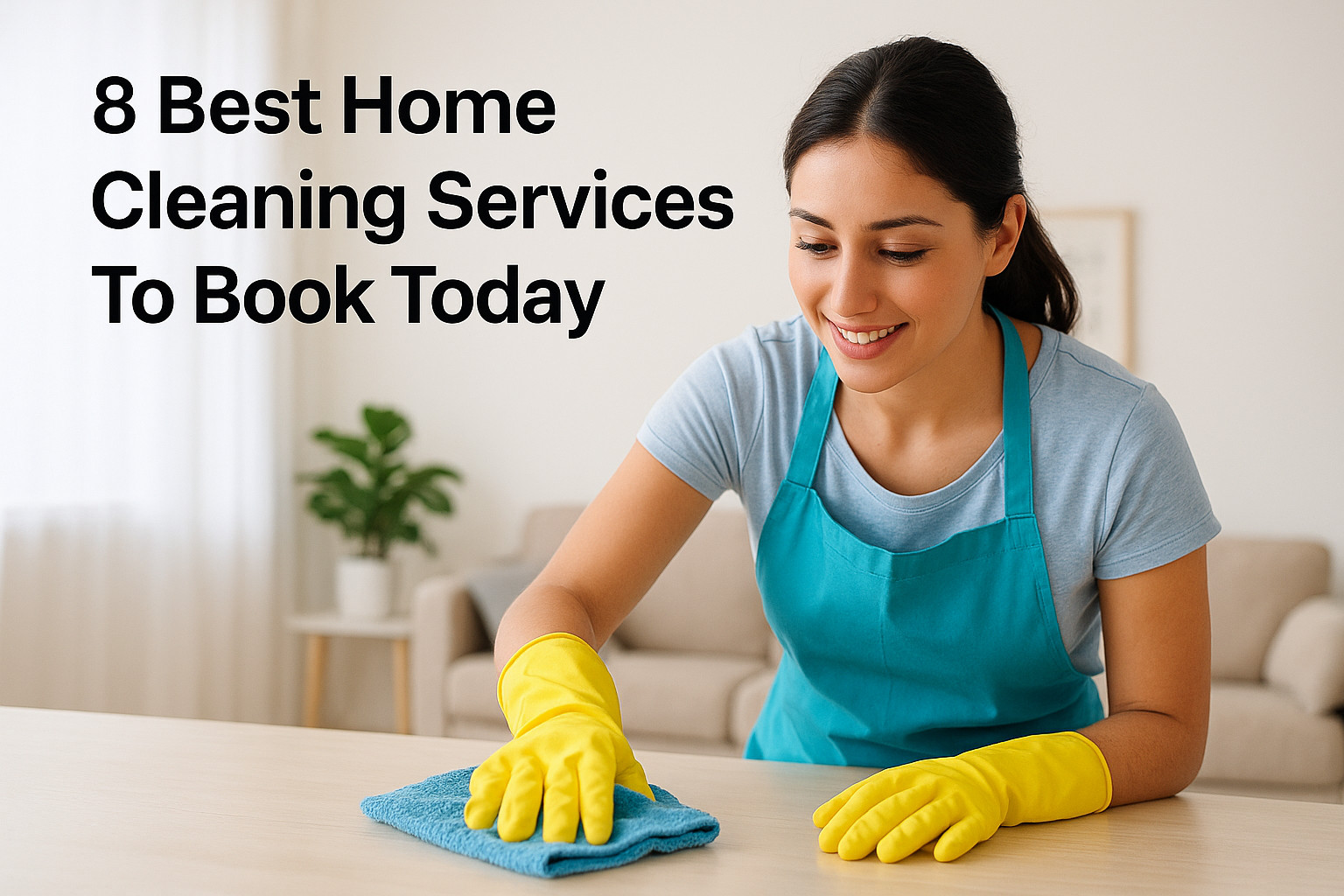
Finding a home cleaning service you can actually trust takes more time than most people expect. You scroll through reviews, compare prices, and still wonder if the crew showing up will treat your home with care or rush through it just to get to the next job. That uncertainty is exactly why so many homeowners end up sticking with a mess longer than they should. This list cuts through the guesswork. We’ve pulled together eight standout providers serving homes across New York, looking at what they actually offer: pricing transparency, flexible scheduling options, staff vetting, and whether they use products that are safe around kids and pets. Each one made the cut because they deliver consistent results, not just a one-time deep clean that fades after a month. Whether you need a weekly cleaning plan, a one-off deep clean before guests arrive, or move-in and move-out help during a transition, you’ll find a fit here. We’ll break down what each service specializes in, who it works best for, and what to expect from booking to walkthrough, so you can pick a team and get your space back to feeling like home today. 1. AlphaLux Cleaning AlphaLux Cleaning tops this list because it treats every home differently instead of running a one-size-fits-all checklist. Based in New York and serving both residential and commercial clients, the company built its reputation on personalized cleaning plans and a genuine commitment to eco-friendly practices. If you’ve been burned before by a crew that rushed through your bathroom or left streaks on your counters, this is the kind of service built to fix that pattern for good. What they offer You can book everything from recurring weekly or biweekly cleanings to one-time deep cleans and move-in or move-out service. AlphaLux also handles commercial spaces, so office managers looking for a reliable weekly vendor aren’t stuck calling around separately. Every plan uses eco-friendly, non-toxic products, which matters if you have kids, pets, or anyone sensitive to harsh chemical smells in the house. A cleaning plan only works if it bends around your actual life, not the other way around. How it works Getting started is straightforward. You request a free estimate through their online booking system, describe your space and priorities, and get matched with a schedule that fits. Staff are thoroughly trained, background-checked, and fully insured, so you’re not letting a stranger into your home without any vetting behind them. Here’s the typical flow: Submit your details online or by phone for a free quote. Choose your frequency: one-time, weekly, biweekly, or monthly. Confirm your appointment window and any specific priorities (kitchen deep clean, pet hair, move-out checklist). A vetted, insured team arrives, works through your custom checklist, and does a final walkthrough with you if requested. Who it’s best for This service fits homeowners who want consistency over time, not just a single deep clean before a party. It also suits busy families juggling work and kids who need a schedule that doesn’t require micromanaging, plus businesses that want a dependable weekly vendor for shared office space. If you’ve struggled with cleaners who don’t communicate or don’t show up on time, AlphaLux’s structured booking and insured staff solve that specific headache. Pricing AlphaLux doesn’t publish a rigid price list because home sizes, condition, and frequency all affect the quote. Instead, every job starts with a free, no-obligation estimate based on your square footage and the type of clean you need. Recurring plans typically cost less per visit than one-time deep cleans, since the crew maintains a baseline instead of starting from scratch each time. If you want an exact number before committing, request a quote directly rather than guessing from a generic rate card. Service type Typical fit Weekly/biweekly Ongoing maintenance for busy households One-time deep clean Pre-event or seasonal reset Move-in/move-out Lease turnovers, home sales Commercial Offices and shared workspaces 2. Merry Maids Merry Maids has been a household name since 1979, and that decades-long track record is part of the draw. As one of the largest franchise-based cleaning networks in the country, it operates in hundreds of markets nationwide, including several New York locations, giving it a scale most local outfits can’t match. What they offer Basic packages cover recurring house cleaning, one-time deep cleans, and move-in/move-out service. Some franchises also offer a Green Clean option using EPA Safer Choice-certified products, though availability depends on the local owner running that territory. Because each branch operates semi-independently, the exact menu and add-ons can shift from one zip code to the next. A national name gives you consistency on paper, but the crew standing in your kitchen still depends on the local franchise. How it works Booking starts with an online form or phone call, followed by an in-home or virtual walkthrough where a team estimates the job. Teams typically work in pairs and follow a standardized 22-point checklist, then you rate the visit afterward so the franchise can adjust future cleanings. Who it’s best for Homeowners who want a recognizable brand name and don’t mind a more corporate booking process tend to gravitate here. It also suits people relocating between states who want the same company available in their new city, since the franchise model spans dozens of regions. Pricing Rates vary by franchise and aren’t posted publicly, but most homeowners report $100 to $200 per visit for a standard-sized home, with deep cleans running higher. You’ll need a walkthrough or phone estimate to get a firm number for your address. 3. Molly Maid Molly Maid brings a similar franchise structure to Merry Maids, but with a sharper focus on detailed, checklist-driven cleaning backed by Neighborly, its parent company that also owns several home service brands. Owned locally but operating under a national playbook, it’s built for homeowners who want structure without sacrificing a personal touch from the crew that shows up week after week. What they offer Standard service includes recurring house cleaning plans, one-time deep cleans, and specialty options like move-in/move-out
How to Deep Clean a Bathroom: A Professional Step-by-Step Guide 2026
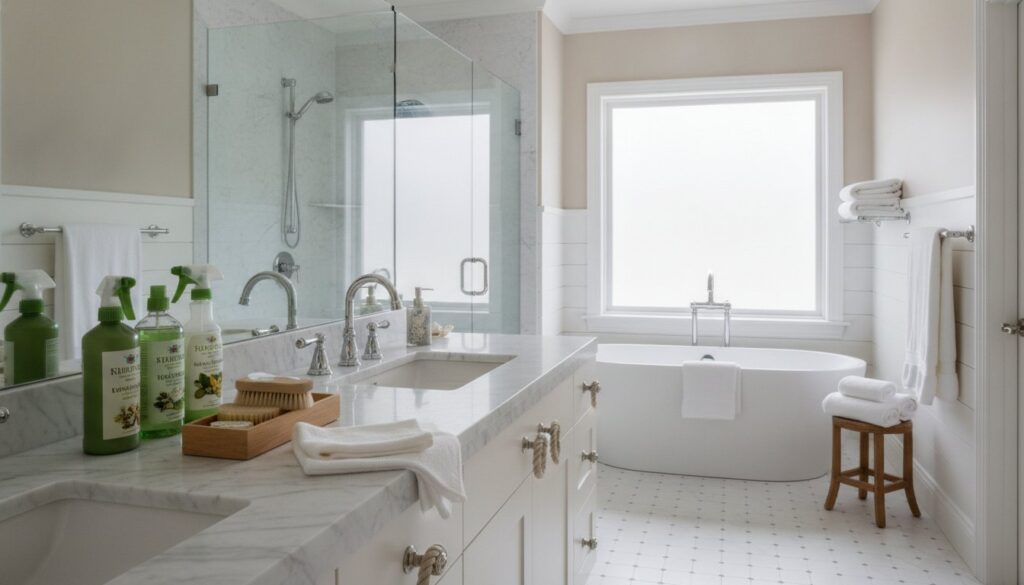
A sparkling mirror and a fresh scent often mask the hidden biofilm and mineral deposits that accumulate in even the most beautiful homes. If you’ve…