How to Deep Clean a Kitchen: A Professional’s Step-by-Step Guide
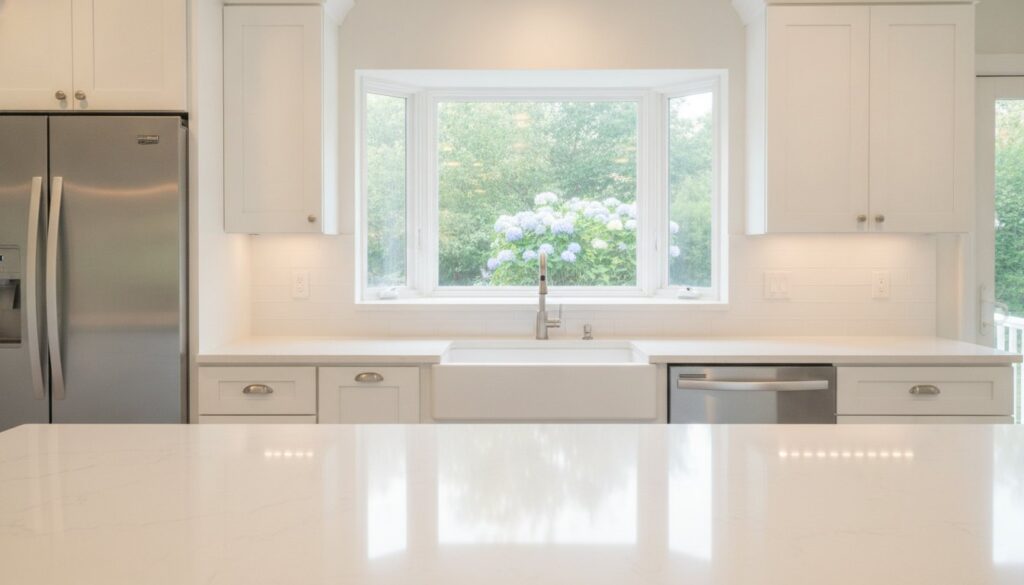
What if the most productive part of your day didn’t happen at your desk, but at your kitchen sink? Most homeowners feel a mounting sense of overwhelm…
7 Best House Cleaning Services Near You in 2026
You’ve got a list of cleaning companies open in ten browser tabs, and every website says the same thing: professional, reliable, trusted. That doesn’t help you pick who actually shows up on time and does a good job. Searching for house cleaning services should get you real information, not marketing copy that all sounds identical. This guide cuts through that noise. Whether you need a home deep cleaning service before hosting family, a whole house cleaning service on a recurring schedule, or an emergency house cleaning before a last-minute showing, you’ll find options here that fit your situation and your New York zip code, not just a generic national brand with a call center. We put together seven residential cleaning services worth your time, including our own team at AlphaLux, and we’re upfront about what each one does best. You’ll see how pricing, booking, and cleaning products stack up so you can compare local residential cleaning services without calling five companies for quotes. By the end, you’ll know exactly who to book and why. 1. AlphaLux Cleaning AlphaLux Cleaning operates across New York state, covering both homes and businesses with a service model built around consistency instead of one-off gigs, and it regularly ranks among the top house cleaning services in New York. AlphaLux Cleaning sends thoroughly trained, background-checked cleaners who follow a personalized plan for your specific space, not a generic checklist copied from every other job that day. If you’ve been burned by a rotating cast of unfamiliar cleaners showing up each visit, this is the fix. What they offer Services span weekly and biweekly recurring house cleaning plans, one-time deep cleans, and move-in or move-out cleaning for tenants and homeowners in transition. Every job uses eco-friendly, non-toxic products, which matters if you have kids, pets, or allergies in the house. The team also handles commercial spaces, so offices needing a consistent, professional standard of clean have a single provider instead of juggling separate residential and commercial vendors. A cleaning service is only as good as its consistency, and that’s exactly where AlphaLux built its reputation. Who it’s best for Homeowners who want the same reliable team returning visit after visit will get the most value here, especially if you’re comparing residential home cleaning services and tired of inconsistent quality. It also suits renters facing a security deposit deadline who need a thorough move-out clean done right the first time, and small business owners who want their office looking sharp for clients without managing an in-house cleaning staff. Typical pricing Pricing depends on square footage, condition of the space, and how often you book, but AlphaLux keeps quotes transparent with free estimates before any commitment. Recurring clients typically pay less per visit than one-time deep cleans, since the crew isn’t starting from scratch each time. Service type Best for Typical frequency Standard recurring clean Maintaining a tidy home Weekly or biweekly Deep clean First-time bookings, seasonal resets One-time Move-in/move-out clean Lease transitions, home sales One-time Commercial clean Offices and small businesses Weekly or custom How to book Booking happens online in a few minutes through the AlphaLux Cleaning website, where you enter your property details and preferred schedule to get a free estimate. No phone tag, no waiting on a call center to open. Once you confirm a time, the same vetted team gets assigned to your account so you’re not explaining your home’s quirks to a new cleaner every visit. 2. National cleaning franchises Brands like Merry Maids, Molly Maid, and The Cleaning Authority operate through local franchise owners who follow a corporate playbook. You’ve probably seen their trucks around New York suburbs, and that brand recognition is the main draw. These companies built their reputation on standardized processes, but that standardization can cut both ways depending on how the local franchise is run. What they offer Most national franchises offer a fixed checklist clean covering kitchens, bathrooms, and living areas, with add-ons for extras like inside the oven or baseboards. Some offer professional house cleaning services with bonded and insured staff, backed by a national customer service line if something goes wrong locally. The tradeoff is flexibility. Custom requests outside the standard checklist often cost extra or get declined outright. Franchise consistency comes from the playbook, not always from the crew standing in your kitchen. Who it’s best for These fit homeowners who want a recognizable name and don’t mind a cookie-cutter approach to cleaning. If you’re relocating from another state and already used a national brand elsewhere, sticking with the same franchise can feel familiar. They work less well if you need a highly customized plan or a consistent crew, since franchise turnover often means new cleaners each visit. Typical pricing Expect to pay $120 to $250 per visit for a standard home, with pricing set at the franchise level rather than a single national rate, which is worth checking against typical hourly and flat house cleaning rates. Deep cleans and add-ons push costs higher, and quotes can vary widely between locations even under the same brand name, according to the Federal Trade Commission’s guidance on comparing service quotes. How to book Booking typically means calling or filling out a form on the corporate website, which routes you to your local franchise for scheduling and an in-home or virtual estimate. 3. Local independent house cleaners Independent cleaners, the person or small team who works for themselves without a franchise name attached, remain a popular choice across New York neighborhoods. You’ll find them through neighbor referrals, community Facebook groups, or word of mouth at your kid’s school more often than through a slick website. Local residential cleaning services like this often build long relationships with clients rather than treating each visit as a transaction, though it helps to know what residential cleaning actually covers before you hire. What they offer Generally, an independent cleaner offers a flexible, negotiable scope of work since there’s no corporate checklist dictating what’s included. You can ask for extra attention
Weekly House Cleaning Services: A Guide to Reclaiming Your Time and Peace of Mind

According to recent data from August 2026, 41% of households now regularly hire professional help to manage their domestic needs. This shift reflects…
Deep House Cleaning Service: What’s Included and What It Costs
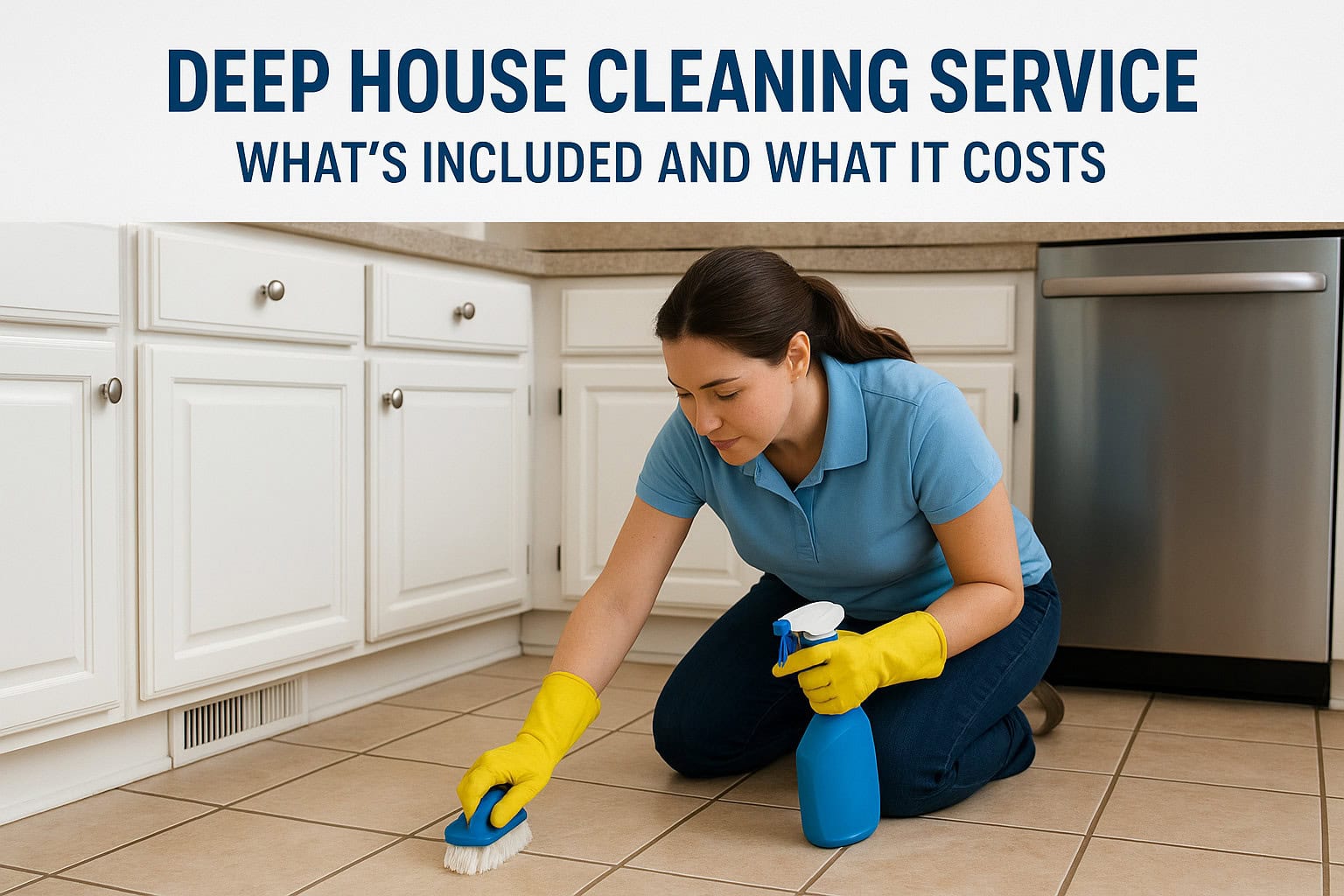
Your regular cleaning routine keeps things tidy, but it doesn’t touch the baseboards, the grout, or the dust collecting behind your fridge. That’s the gap a deep house cleaning service fills, and it’s usually the moment homeowners start searching for one: before a holiday, after a renovation, or just when the house hasn’t had a real reset in months. If you’re trying to figure out what you’re actually paying for and whether it’s worth it, here’s the short answer: a deep clean covers every surface your weekly cleaner skips, and pricing typically depends on square footage, home condition, and how many rooms need attention. A deep cleaning house cleaner should walk you through exactly what’s included before you book, not surprise you with add-on fees afterward. In this guide, we’ll break down the specific tasks included in a professional deep clean, how it differs from standard cleaning and move-out cleaning, what New York homeowners typically pay, and how to spot a reliable cleaning team worth hiring. By the end, you’ll know exactly what to expect and how to compare quotes with confidence. Why a deep house cleaning service matters Dust and grime don’t stay on the surface. They settle into carpet fibers, grout lines, and air vents, building up over months even when you vacuum every week. A deep house cleaning service reaches into those spots that a quick wipe-down never touches, which matters more than most homeowners realize until they see what a restorative home reset really involves. Health and indoor air quality Allergens, pet dander, and mold spores collect in places you rarely think to clean: behind appliances, inside vents, under furniture. A thorough deep clean physically removes that buildup instead of just pushing it around. The EPA notes that indoor air can be two to five times more polluted than outdoor air, largely because of trapped dust and chemical residue. If anyone in your household deals with allergies or asthma, a scheduled deep clean isn’t a luxury, it’s part of managing your home’s air quality. A deep clean doesn’t just make your home look better, it removes what a regular wipe-down leaves behind. Protecting your home’s condition and value Grease film on kitchen cabinets, soap scum in the shower, and grime in grout lines get harder to remove the longer they sit. Left alone, they can etch surfaces and stain materials permanently. Routine deep cleaning protects your investment by keeping tile, countertops, and fixtures in the condition they were in when installed. This matters especially if you’re renting your property out or plan to sell within a few years, since buyers and inspectors notice details like caulking, baseboards, and vent covers that standard cleaning skips. Catching what everyday cleaning misses Your weekly routine is designed for maintenance, not restoration. It keeps floors clear and counters wiped, but it’s not built to tackle baseboards, light fixtures, or the buildup inside your oven. Over time, these overlooked areas accumulate grime that a standard clean simply can’t address. That’s the real distinction between the two services: a deep cleaning house cleaner treats your home like it needs a reset, not just an upkeep pass. Common gaps a deep clean fills include: Baseboards, door frames, and window sills Interior of the oven, refrigerator, and cabinets Grout lines and tile in bathrooms and kitchens Ceiling fans, light fixtures, and vent covers Behind and underneath furniture and appliances When life events call for a reset Specific moments make a deep clean worth scheduling even if your regular routine is solid. Moving into a new place, wrapping up a renovation, hosting a holiday gathering, or recovering from illness in the household all create situations where a standard tidy-up won’t cut it. Renovation dust in particular settles into every crevice and can take weeks to fully clear without professional attention. Timing your deep clean around these events, rather than waiting until things feel overwhelming, keeps your home consistently healthy and presentable. Understanding why a deep clean matters is only half the equation. The other half is knowing how to pick a team that actually delivers on the checklist, uses safe products, and shows up when they say they will. That’s what separates a genuinely thorough deep cleaning service from one that just charges more for the same surface-level work. How to choose the right deep house cleaning service Choosing a cleaning company shouldn’t feel like a guessing game. The right deep house cleaning service gives you a clear checklist, verified staff, and a price that matches the work described, not a vague quote that balloons once someone’s in your home. Check credentials before anything else Ask whether the company is licensed and insured, and whether staff go through background checks before entering client homes. This matters more than a slick website or a low quote. A reputable provider will tell you upfront how they vet their team, because they know it’s the first thing a homeowner looking to hire a house cleaner they can trust should ask. Hire the team that answers your questions before you ask them, not the one that dodges specifics. Compare checklists, not just price Two quotes for the same square footage can differ by $100 or more, and the difference usually comes down to what’s actually included. Before comparing prices, request a written cleaning checklist from each company and line them up side by side: What to check Why it matters Rooms and areas covered Some quotes exclude bathrooms or kitchens by default Inside appliances (oven, fridge) Often an add-on fee, not standard Products used Confirms eco-friendly or non-toxic options if you need them Estimated time on-site Signals whether the job is rushed or thorough Satisfaction guarantee Shows the company stands behind its own work Read reviews for consistency, not just star ratings One five-star review doesn’t tell you much. Look for patterns across dozens of reviews: do customers repeatedly mention punctuality, thoroughness, or the same crew showing up each visit? Consistency across reviews is a better predictor of
2026 Ultimate Commercial Office Cleaning Checklist: Productivity & Frequency

Could your office’s “clean enough” status be the silent driver behind your team’s latest wave of sick days? In a high-stakes New York workspace, the…
Commercial Floor Cleaning Services: How to Choose and Cost
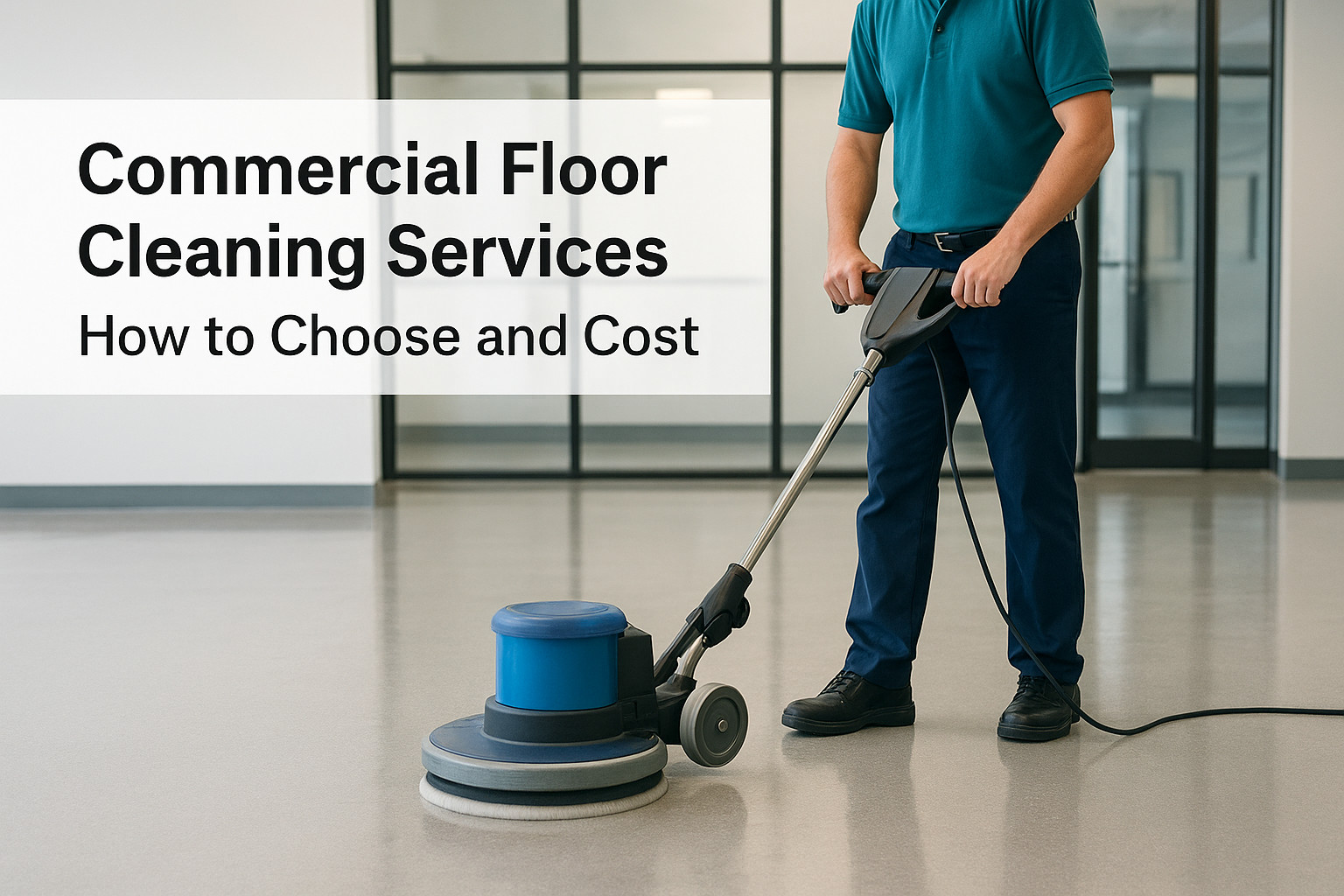
Dirty, scuffed, or dull floors say a lot about your business before a customer or employee says a word. If you have been searching for commercial floor cleaning services, you already know the stakes: worn floors wear out faster, look unprofessional, and can even become liability risks when they get slippery or stained. The tricky part is figuring out who to hire, what you should actually be paying, and which service level fits your space. This guide breaks down exactly how to evaluate a commercial floor cleaning company and what fair pricing looks like in 2026, whether you manage an office, a retail store, or a warehouse. You will learn the questions to ask before signing a contract, the differences between cleaning frequencies and methods, and how flooring type changes both cost and technique. We put this together from what we see every week servicing offices and commercial spaces across New York. By the end, you will know how to compare quotes, spot red flags in a proposal, and choose a provider that keeps your floors looking their best without surprise charges. What commercial floor cleaning services include Most people picture a mop and bucket when they think of commercial floor cleaning services, but a real contract covers a lot more ground, much like what commercial cleaning includes and what it costs overall. Reputable providers scope the job around your floor type, foot traffic, and industry requirements, then build a checklist that goes beyond a quick sweep. Knowing what should be on that checklist helps you spot a thin proposal before you sign anything. Core tasks you should expect Any solid office floor cleaning or retail cleaning contract includes daily or scheduled sweeping and mopping, spot treatment for spills and stains, and edge or corner detailing where dust and grime build up unnoticed. Trash and debris removal near entrances usually gets bundled in too, since that’s where floors take the most abuse. A floor cleaning contract without stripping, sealing, or buffing listed anywhere is missing half the job. Specialized services worth asking about Beyond daily upkeep, ask whether the company offers deep restorative work. This is where pricing and floor longevity really diverge between providers. Service What it does Typical frequency Stripping and waxing Removes old finish, applies new protective coat on VCT/vinyl Every 6-12 months Buffing and burnishing Restores shine without stripping Monthly to quarterly Grout and tile deep cleaning Extracts embedded dirt from grout lines Quarterly Carpet extraction Deep-cleans commercial carpet fibers Every 3-6 months Concrete polishing Restores warehouse or industrial floor sheen Annually Additionally, a company worth hiring should explain which cleaning products touch your floors. Eco-friendly, non-toxic solutions matter for offices with employees present daily and for retail spaces where customers walk barefoot or with small children nearby. If a quote doesn’t mention product type or method for your specific flooring, keep asking questions before moving forward. Step 1. Identify your floor type and cleaning needs Before you request a single quote, walk your space and note exactly what’s underfoot. Floor type drives everything else, from the cleaning method a crew uses to how often they need to show up. VCT tile needs a different approach than polished concrete or commercial carpet tile, and a provider who quotes you without asking about substrate is guessing. The floor type you have determines the method, the chemicals, and the price, not the other way around. Match your space to a cleaning need Think through foot traffic, industry rules, and appearance standards before comparing companies: Retail or lobby areas: high traffic, needs daily sweeping plus frequent buffing to maintain shine Medical or food service: needs disinfecting protocols and non-toxic products due to health codes Warehouses: concrete floors need periodic polishing and dust control, not daily mopping Offices: commercial carpet cleaning and vinyl maintenance on a set rotation, usually after hours Writing these details down gives you a real basis for comparing bids later. A commercial floor maintenance plan built around your actual traffic patterns, not a generic template, is what separates a fair quote from a padded one. Step 2. Compare cleaning methods and costs Once you know your floor type, request pricing broken down by method, not a flat per-visit number. Commercial floor cleaning cost varies widely depending on square footage, frequency, and whether you need restorative work layered on top of routine mopping, so it helps to review how commercial cleaning is priced before comparing bids. A vague quote that bundles everything into one line item makes it impossible to know what you’re actually paying for. If a quote can’t tell you the price per square foot by method, it can’t tell you if you’re overpaying. Typical pricing ranges Use these national averages as a starting point when reviewing bids from local providers, and check what carpet cleaning costs per room versus per square foot if carpeted areas make up most of your space: Method Average cost Best for Routine sweep/mop $0.05-$0.15 per sq ft Daily maintenance, all floor types Stripping and waxing $0.30-$0.75 per sq ft VCT and vinyl Buffing/burnishing $0.10-$0.25 per sq ft Maintaining shine between waxing Carpet extraction $0.15-$0.35 per sq ft Commercial carpet, offices Concrete polishing $1.00-$3.00 per sq ft Warehouses, industrial spaces Watch for providers who quote flat monthly rates without explaining what’s included. Fair pricing ties directly to the methods and frequency your floor actually needs, not a one-size-fits-all package. Step 3. Vet and compare cleaning companies Once you have your floor specs and a price range in mind, start calling providers with specific questions instead of asking for a generic quote. Vetting a cleaning company properly now saves you from mid-contract surprises later, like discovering the crew isn’t insured or the products they use aren’t safe for your carpet warranty. Questions to ask before signing Run through this checklist on every call: Are your technicians background-checked and fully insured? Can you provide proof of liability coverage and workers’ comp? Do you offer eco-friendly cleaning products as an option, and
The Best Vacation Rental Cleaning Company in New York: Your 2026 Guide to 5-Star Turnovers

Did you know that 45% of travelers cite cleanliness as their primary reason for disappointment when staying in a vacation rental? In a market as…
9 Best New York Home Cleaning Services To Book Today
Finding a new york home cleaning service you can actually trust feels harder than it should be. You search online, scroll through a dozen websites that all promise the same thing, and still have no idea who shows up reliable, who uses safe products, and who ghosts you after the first booking. Between work, family, and everything else on your plate, you don’t have time to vet nine companies yourself. This list does that work for you. We’ve pulled together nine top-rated cleaning companies serving New York homeowners, comparing what each one specializes in, from weekly maintenance cleans to deep cleans and move-out jobs, so you can match a service to your actual needs instead of guessing. Below, you’ll find real details on pricing structures, service areas, booking options, and what past customers say about each company. We’ll also point out where eco-friendly products and background-checked staff matter most, since those factors separate a decent cleaner from one you’ll want to book again. By the end, you’ll know exactly which service fits your home, your schedule, and your budget. 1. AlphaLux Cleaning AlphaLux Cleaning tops this list because it’s built specifically around New York homeowners who want consistency, not a rotating cast of strangers cleaning their kitchen every other week. The company positions itself as a higher standard of clean, and that shows up in the details: trained staff, eco-friendly products, and cleaning plans built around your actual routine instead of a one-size-fits-all checklist. If you’ve been burned by a service that sends a different crew every visit, this is the kind of operation designed to fix that. A cleaning service is only as good as the people it sends into your home, and AlphaLux screens every one of them. Services offered AlphaLux covers the full range a busy household or office actually needs. You can book recurring cleaning on a weekly, biweekly, or monthly schedule, a one-time deep clean for a specific event or reset, or a move-in and move-out cleaning package timed to your lease or closing date. Commercial clients get the same attention, with cleaning plans scheduled around business hours so staff and customers aren’t disrupted. Every job uses non-toxic, eco-friendly products, which matters if you have kids, pets, or anyone in the home sensitive to harsh chemicals. Weekly, biweekly, and monthly recurring cleans One-time deep cleans Move-in/move-out cleaning Commercial and office cleaning Eco-friendly, non-toxic product options Service area Coverage spans New York State, with a particular focus on house cleaning services on Long Island and the surrounding metro communities. Both residential and commercial clients fall within the same service network, so a homeowner and a small business owner in the same neighborhood can book through the identical system. Pricing snapshot AlphaLux doesn’t publish flat rates online because home size, condition, and cleaning frequency all move the final number. Instead, you get a free estimate after a quick conversation about your space. Recurring clients typically pay less per visit than one-time bookings, since the crew already knows the home’s layout and priorities. Best for Homeowners and business owners who want a dependable, fully insured cleaning partner rather than a one-off gig. Start with a free estimate from AlphaLux Cleaning to see what a customized plan would cost for your home. 2. Maid Marines Maid Marines has built a name in New York City for its no-nonsense, checklist-driven approach to house cleaning. The company leans heavily on standardized cleaning protocols, which means less variation between visits but also less room for custom requests outside their set packages. If you like knowing exactly what a cleaner will and won’t do before they arrive, that structure works in your favor. Standardized checklists mean predictable results, but they leave little room for special requests. Services offered Standard offerings include recurring residential cleaning, one-time deep cleans, and apartment turnover cleaning for renters. Add-on services like inside-oven cleaning or interior window washing cost extra and need to be requested at booking, since they aren’t part of the default checklist. Service area Maid Marines concentrates on Manhattan, Brooklyn, and Queens, with limited availability in parts of the Bronx. Apartment-heavy neighborhoods make up most of their client base, so crews are used to walk-ups, doormen buildings, and tight NYC layouts. Pricing snapshot Pricing runs on a per-room model rather than a flat hourly rate, so a studio and a three-bedroom apartment land in noticeably different apartment cleaning price tiers. Expect to request a quote through their site, since exact figures depend on square footage and add-ons. Best for Renters and apartment dwellers who want a reliable, standardized clean without customizing every detail, and who don’t mind booking add-ons separately when needed. 3. Wizard of Homes Wizard of Homes markets itself as the tech-forward option in this list, with an app-based booking flow that lets you pick a cleaner, adjust your schedule, and pay without a single phone call. Younger New York renters and first-time buyers tend to gravitate here because the whole process feels closer to booking a rideshare than hiring a traditional cleaning company. That convenience comes with a tradeoff: customer support leans on chat and email rather than a dedicated account manager, so complex requests can take longer to resolve. Booking a cleaner should feel as easy as ordering dinner, and Wizard of Homes gets close to that. Services offered Core packages cover standard recurring cleaning, one-time deep cleans, and a basic move-out clean aimed at renters closing out a lease, much like other apartment cleaning services in New York. Extras like fridge interiors, laundry folding, and cabinet wipe-downs show up as paid add-ons inside the app rather than baked into any package. Service area Coverage centers on Manhattan and parts of Brooklyn, with a smaller footprint than some competitors on this list. If you live outside those core zones, the app will typically flag it before you finish booking, saving you the frustration of a canceled appointment. Pricing snapshot Rates run on a flat per-visit fee tied to home size, visible
2026 Office Deep Cleaning Checklist: NY Business Guide

What if the hidden cause of your team’s persistent fatigue isn’t a heavy workload, but the invisible allergens and stale air trapped within your…
Emergency House Cleaning: Crisis Response That Works