Professional Cleaning Services for Homes with Babies: A Guide to Safety and Sanity

Last evening, a new parent sat in her nursery and watched the sunlight reveal a layer of dust on the crib rails that she simply didn’t have the…
Janitorial Services Meaning: Scope, Tasks, And Examples
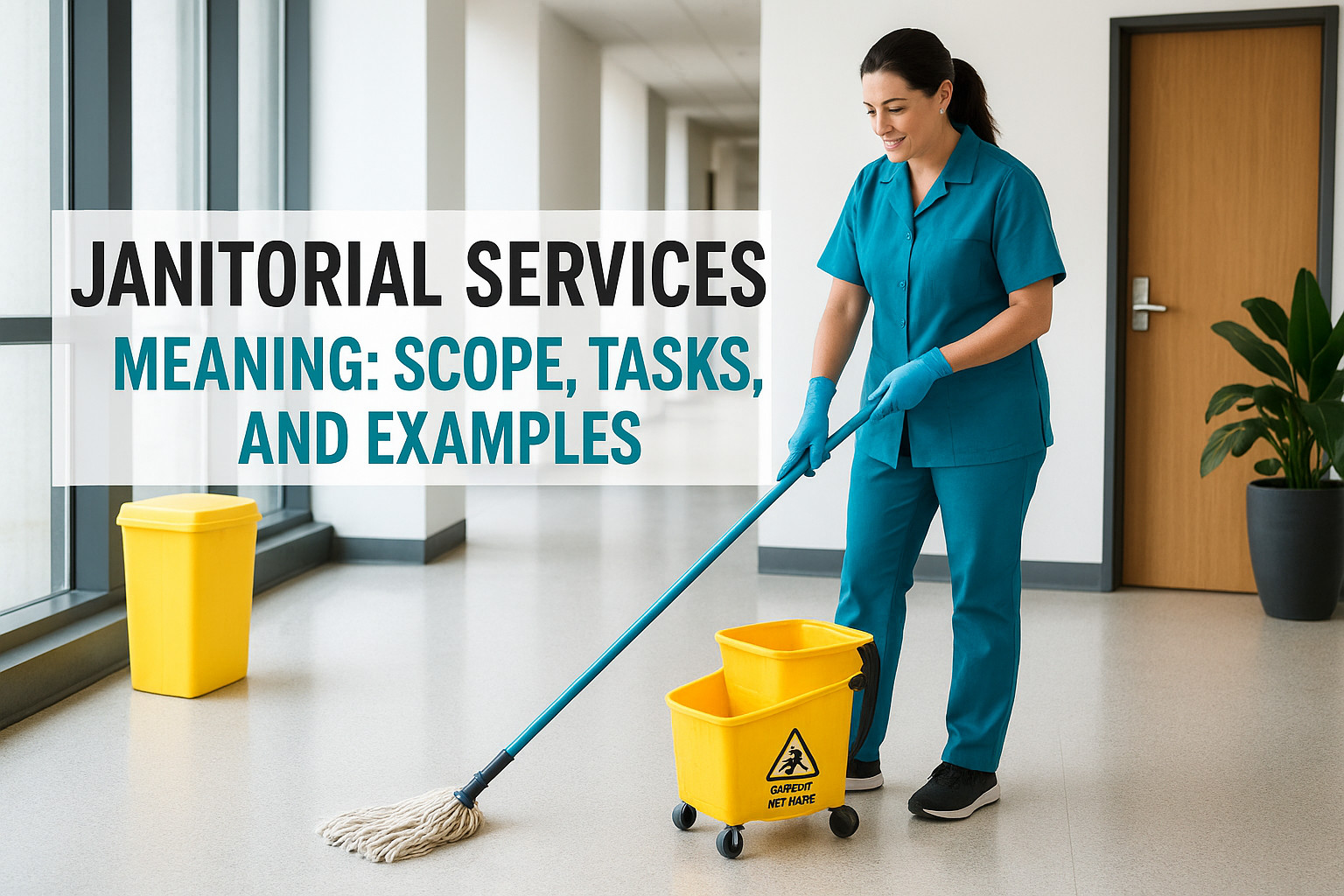
If you’ve ever searched for janitorial services meaning, you probably noticed that definitions vary depending on who’s explaining it. Some sources lump janitorial work in with deep cleaning or specialized maintenance, while others keep it narrow. That lack of clarity makes it harder to know what you’re actually paying for when you hire a cleaning provider, and that’s a problem worth solving. At its core, janitorial service refers to the routine, day-to-day upkeep that keeps a building functional, sanitary, and presentable. Think trash removal, restroom cleaning, floor care, and surface wiping, the recurring tasks that prevent a space from falling into disrepair. It’s distinct from one-time deep cleans or specialty work, and understanding that difference matters when you’re choosing the right service for your property. At AlphaLux Cleaning, we provide both janitorial-style maintenance and deeper cleaning solutions for homes and businesses across New York. We built this guide to give you a straightforward breakdown of what janitorial services actually include, how they differ from other types of cleaning, and real examples of the tasks involved. By the end, you’ll have a clear picture of the scope and purpose behind these services, so you can make a confident, informed decision. What janitorial services include Janitorial services typically cover recurring maintenance tasks that run on a daily, weekly, or set schedule. When you look at the full janitorial services meaning, it centers on keeping a building clean and functional through consistent, repeatable work rather than one-time interventions. These tasks form the baseline every occupied building needs to stay sanitary and safe. Daily maintenance tasks Your custodial team handles the routine upkeep that accumulates every time people use a space. This includes emptying trash bins, wiping down common surfaces, mopping or vacuuming floors, and restocking supplies like soap and paper towels. They also clean restrooms daily, since those areas carry the highest sanitation risk in any shared building. A clean restroom signals to employees, customers, and visitors that you take hygiene seriously throughout the entire property. Most facilities schedule these tasks during off-hours or low-traffic periods to minimize disruption. That means your team arrives to a clean, ready space without having to work around cleaning in progress. Periodic and scheduled tasks Beyond daily work, janitorial services also cover tasks that happen on a set rotation. These include deep scrubbing tile grout, stripping and refinishing hard floors, cleaning interior windows, and dusting high surfaces like vents and ceiling fixtures. You typically schedule these on a weekly, monthly, or quarterly basis depending on foot traffic and building use. Keeping a written schedule for periodic tasks prevents them from being skipped or forgotten. Without that structure, periodic work tends to pile up until surfaces visibly deteriorate, which costs more to restore than it would have to maintain consistently. Why janitorial services matter for clean spaces Regular janitorial work does more than keep surfaces looking clean. It removes bacteria, reduces allergens, and prevents the buildup of grime that makes a space feel neglected. When you understand the full janitorial services meaning, you see that consistency is what drives real results. Skipping routine maintenance for even a few weeks creates compounding problems that take far more time and money to fix. Health and safety in occupied buildings Germs spread fastest in high-touch, high-traffic areas. Doorknobs, shared desks, restroom fixtures, and breakroom surfaces accumulate bacteria daily, and without consistent cleaning, those pathogens move from surface to person with ease. According to the CDC, hand hygiene and surface sanitation are among the most effective ways to interrupt germ transmission in shared spaces. Consistent restroom and surface cleaning directly reduces sick days and creates a healthier environment for everyone who uses your building. Protecting your building’s appearance and value Floors, fixtures, and finishes degrade faster when you skip routine maintenance. Daily mopping and periodic floor care protect your investment by preventing scratches, stains, and material breakdown that require costly replacements. Common surfaces that show wear the fastest include: Hard floors (tile, hardwood, vinyl) High-touch fixtures (handles, light switches) Entryway mats and thresholds A well-maintained building also makes a stronger first impression on clients and employees the moment they walk through the door. Janitorial vs commercial cleaning vs facility maintenance These three terms often get used interchangeably, but they describe different scopes of work with distinct purposes. Understanding each category helps you hire the right service and avoid paying for tasks that don’t fit your actual needs. Where the lines actually fall Janitorial services cover routine, recurring maintenance: daily trash removal, restroom sanitation, floor mopping, and surface wiping. Commercial cleaning typically refers to deeper, less frequent work like carpet extraction, window washing, or post-construction cleanup. Facility maintenance steps further out to include repairs, HVAC servicing, and building system upkeep that goes well beyond cleaning tasks. The core janitorial services meaning sits firmly in the recurring maintenance column, not one-time projects or building repairs. Choosing the right service for your needs Most businesses need all three categories at different points. Janitorial work runs daily or weekly to keep your space functional. Commercial cleaning fills gaps janitorial crews don’t cover, like stripping and refinishing floors quarterly. Facility maintenance handles structural or mechanical issues on a separate track entirely. Knowing which category a task falls into helps you set realistic expectations with any provider you hire. Janitorial: daily and weekly recurring upkeep Commercial cleaning: periodic deeper services Facility maintenance: repairs and building systems How to scope and schedule janitorial services Scoping janitorial services starts with a clear look at how your building gets used and where the pressure points are. A medical office with constant foot traffic needs a very different plan than a small retail shop open four days a week. Matching the frequency and tasks to actual usage keeps costs reasonable and prevents over-servicing low-traffic areas while under-servicing the ones that matter most. Assess your building’s actual needs Walk through your space and note the areas that accumulate dirt or waste the fastest. Restrooms, entryways, kitchens, and shared workspaces typically need daily
What to Expect From a Cleaning Service First Visit: A Professional Guide

What if the most stressful part of hiring a professional cleaner isn’t the cost, but the uncertainty of that very first hour? It’s a common feeling….
What Is A Post Renovation Cleaning Service? Pricing & Scope
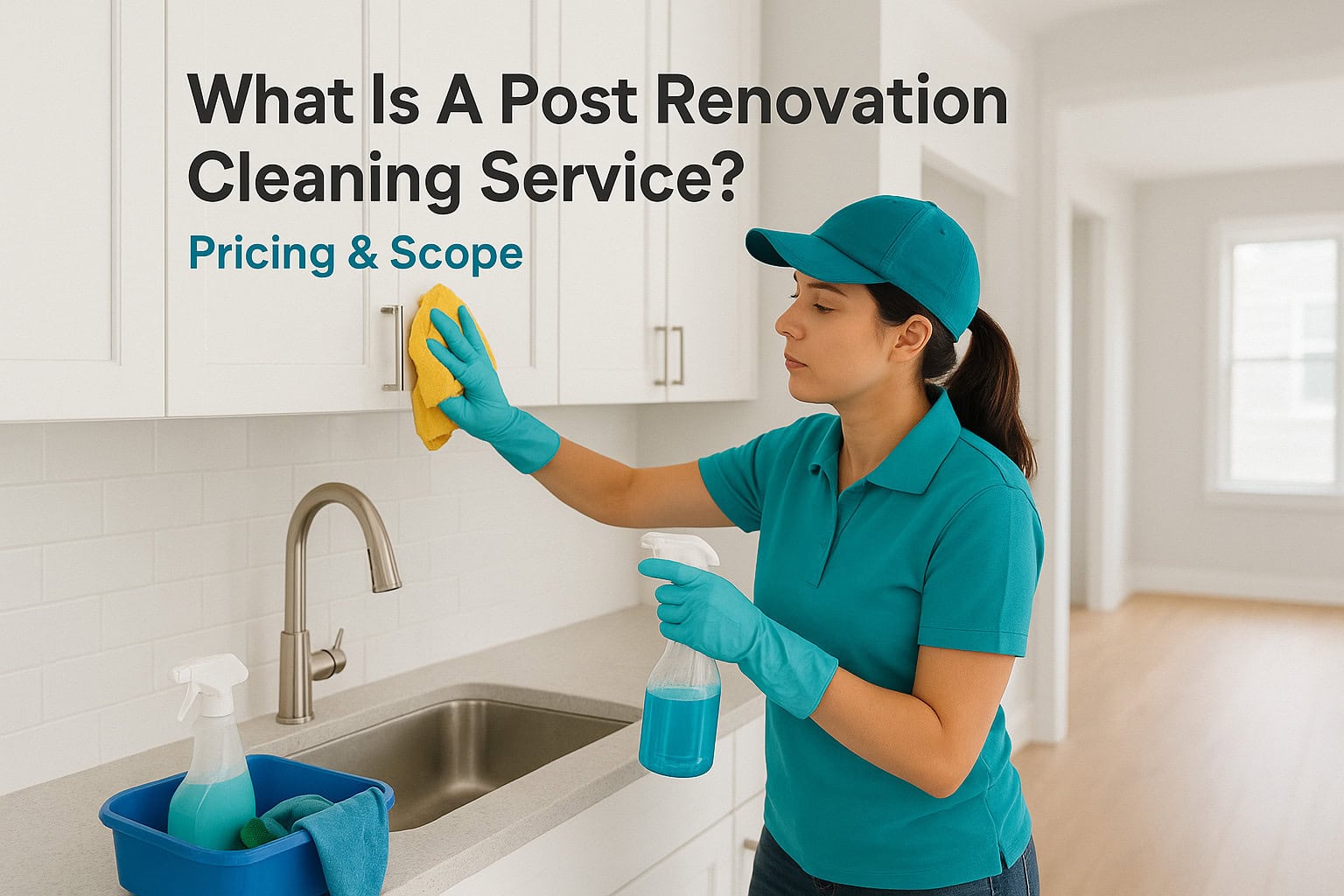
You just finished a renovation. The new kitchen looks incredible, the bathroom tile is exactly what you wanted, and the fresh paint has transformed the entire space. But then you look closer, there’s drywall dust on every surface, grout haze on the floors, and a fine layer of grit coating your windowsills. That mess won’t disappear with a regular vacuum and a damp cloth. This is where a post renovation cleaning service comes in, and understanding what it involves can save you hours of frustration and a lot of wasted effort. Post-construction cleanup is a specific type of cleaning that goes well beyond standard housekeeping. It targets the unique debris, dust, and residue that renovations leave behind, the stuff that settles into vents, clings to light fixtures, and hides in corners you didn’t even know existed. Whether you’ve renovated a single room or gutted an entire property, the scope of work matters, and so does knowing what fair pricing looks like before you hire someone. At AlphaLux Cleaning, we handle post-renovation cleanups across New York State for both homeowners and businesses. Our crews are trained to deal with construction-grade messes using eco-friendly, non-toxic products that won’t compromise your newly finished surfaces. In this article, we’ll break down exactly what a post renovation cleaning service includes, what it typically costs, and how to tell if you actually need one, so you can make an informed decision and start enjoying your renovated space sooner. What a post renovation cleaning service is A post renovation cleaning service is a specialized cleaning process designed for spaces that have just undergone construction, remodeling, or renovation work. Unlike a standard cleaning visit, it targets the types of debris that construction generates: fine drywall dust, plaster residue, adhesive film, grout haze, paint splatter, and sawdust that settles into every corner of a space. Contractors do a general sweep before they leave, but they don’t scrub baseboards, wipe down every surface, or pull debris from inside vents. That task falls to your cleaning crew. How it differs from regular cleaning Regular cleaning maintains a space that’s already livable. A post-renovation clean starts from a much messier baseline. Construction dust is particularly stubborn because the particles are extremely fine, which means they travel further and settle deeper than ordinary household dust. You’ll find it on top of ceiling fans, inside cabinets, along window tracks, and coating light fixtures. A standard mop and wipe-down won’t cut through it, and using the wrong products can scratch or dull your new surfaces before you’ve had a real chance to enjoy them. Post-renovation dust isn’t just an aesthetic problem. Fine particulate matter from drywall and construction materials can irritate airways and lungs, making a thorough cleanup a health priority, not just a cosmetic one. The phases of post-construction cleanup Most professional crews break the job into two or three distinct passes. The first pass focuses on removing heavy debris, bulk dust, and any leftover construction materials from floors and surfaces. The second pass targets fine dust on fixtures, walls, and floors using specialized tools and appropriate cleaning solutions safe for new finishes. Some jobs call for a third pass to handle final details, like polishing fixtures or removing the last traces of residue before the space is ready for use. Skipping phases or rushing the process typically means dust resurfaces within a few days, which is exactly why hiring an experienced, trained cleaning team that understands the full sequence produces results that actually last. What’s included in post-renovation cleaning A post renovation cleaning service covers significantly more than a typical clean, and knowing exactly what’s on the checklist helps you verify that the crew you hire is doing the job properly. The specific tasks depend on your project size, but most professional services follow a consistent set of tasks across every job. Surface and fixture cleaning Every horizontal and vertical surface gets wiped down, including walls, ceilings, countertops, cabinet interiors, windowsills, and baseboards. Light fixtures, ceiling fans, and vents and duct covers are cleaned to remove the fine dust that settles during construction. Hardware like door handles, hinges, and outlet covers gets cleaned and polished so new finishes aren’t hidden under a film of grime. Most people underestimate how far construction dust travels. It routinely lands inside cabinets, behind appliances, and on top of door frames, which is why every surface needs attention, not just the obvious ones. Floor and detail work Floors take the most abuse during a renovation, so your cleaning crew will sweep, vacuum, and mop all hard floor surfaces using solutions appropriate for the specific material, whether that’s hardwood, tile, vinyl, or stone. Grout haze and adhesive residue get treated individually because they don’t respond to standard mopping. Windows and glass surfaces are cleaned inside and out to remove paint overspray and dust smears, leaving the space genuinely ready for use. How post-renovation cleaning pricing works Post-renovation cleaning pricing varies more than standard cleaning because no two jobs leave the same mess. Most companies base your quote on square footage and project scope, not a flat hourly rate. A small bathroom remodel costs far less to clean than a full gut renovation, and that difference reflects both the time involved and the level of detail required. What drives the cost Several factors push the price up or down. The size of the renovated area is the biggest variable, but the type of work also matters. A drywalling project creates far more fine dust than a flooring swap, so it takes longer to clean thoroughly. The number of cleaning passes required, whether two or three, adds to the total. Specialty surfaces like natural stone or high ceilings increase labor time as well. Always request an on-site estimate or a detailed quote based on your specific renovation before committing to a price. Flat online quotes without a site assessment often lead to surprise charges later. Typical price ranges For most residential projects, a post renovation cleaning service costs between $200
The Ultimate Office Cleaning Schedule Template & Commercial Cleaning Rates in New York (2026)

Could your office hygiene be the silent contributor to your team’s rising absenteeism rates? In a city as fast-paced as New York, the accumulation of…
Carpet Cleaning Price Per Room: Average 2026 Costs & Fees
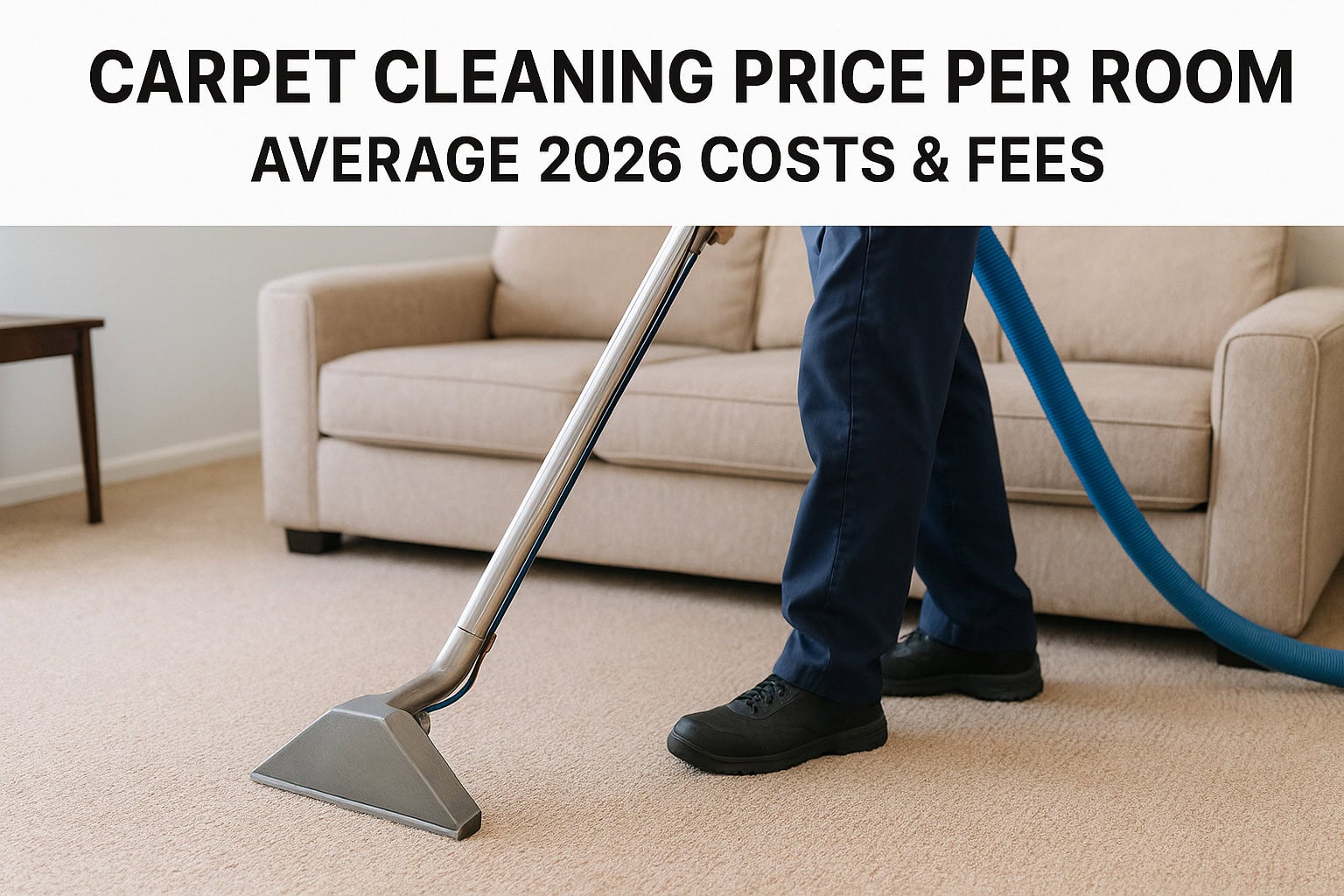
Getting a straight answer on carpet cleaning price per room can be frustrating. Some companies quote $25, others quote $75, and the difference isn’t always obvious. Without a clear benchmark, it’s hard to know whether you’re getting a fair deal or overpaying for basic work. Here’s the reality: carpet cleaning costs depend on several specific factors, from room size and carpet material to the cleaning method used and where you live in New York. A quote that seems high might actually be reasonable once you understand what goes into the service, and a quote that seems like a bargain might come with corners cut. At AlphaLux Cleaning, we believe informed customers make better decisions. That’s why we put together this breakdown of average 2026 carpet cleaning costs, covering what you should expect to pay per room across different scenarios. Whether you’re budgeting for a single room refresh or a full-home deep clean, this guide will help you evaluate quotes with confidence and understand exactly what you’re paying for before you book. What you should expect to pay per room in 2026 The average carpet cleaning price per room in 2026 falls between $25 and $75 per standard room, with most homeowners in New York paying closer to $45 to $65 per room for professional steam cleaning. This range covers a typical bedroom or living room measuring roughly 150 to 300 square feet. If your rooms fall outside that size, expect your price to shift accordingly. Most professional carpet cleaners set a minimum service charge of $75 to $100 regardless of how many rooms you book, so cleaning just one small room often costs more per room than booking multiple rooms at once. Standard room prices at a glance When you book a standard residential clean, pricing typically follows room type because room type gives cleaners a quick estimate of the square footage involved. Bedrooms and dining rooms usually land at the lower end of the per-room range, while living rooms and family rooms run higher because they tend to be larger and see heavier foot traffic. Here’s what you can generally expect to pay per room type in 2026: Room Type Typical Price Range Small to medium bedroom $25 – $50 Living room / family room $45 – $75 Dining room $25 – $45 Master bedroom $50 – $75 Hallway $10 – $25 Walk-in closet $10 – $20 These figures reflect standard steam cleaning (hot water extraction). Other methods, such as dry cleaning or encapsulation, can push costs higher or lower depending on the company and the condition of your carpet. Stairs, large rooms, and specialty areas Stairs are almost always priced separately from rooms, and you should expect to pay $3 to $5 per step for professional stair cleaning. A full staircase with 14 steps would add roughly $42 to $70 to your total bill. Some companies charge a flat rate per flight instead, so it’s worth asking upfront before the cleaner arrives. Rooms larger than 300 square feet, such as open-plan living areas or finished basements, often trigger a large room surcharge or get split into two standard rooms for billing purposes. Many cleaners define a standard room as anything under 250 to 300 square feet, so if your master suite is particularly large or flows into a sitting area, confirm how your cleaner measures and bills before you commit to the quote. What New York pricing looks like specifically Living in New York means your carpet cleaning costs will generally run 10 to 20 percent higher than national averages. Higher labor costs, fuel and travel expenses, and the overall cost of operating a business in the state all factor into what local companies charge. Long Island residents in particular often see per-room rates at the higher end of the range, typically $55 to $75 per room for a standard clean, because of the area’s cost of living and the time cleaners spend traveling between jobs. Competition among cleaning services in New York is strong, and many companies offer package pricing when you book three or more rooms. Bundling your rooms is one of the most straightforward ways to bring your per-room cost down without giving up the quality of service you’re paying for. How carpet cleaners price jobs by room vs sq ft Professional carpet cleaners typically use one of two pricing structures: per-room pricing or per-square-foot pricing. Understanding how each one works helps you compare quotes accurately, because two companies using different methods can produce very different totals for the exact same job. Room-based pricing With room-based pricing, the cleaner charges a flat fee per room regardless of whether your bedroom is 180 square feet or 280 square feet. Most companies that use this model define a standard room as anything under 250 to 300 square feet. If your room falls within that cap, you pay the flat rate. If it runs larger, the cleaner may split it into two rooms or add a surcharge. This model works well for customers who want a predictable, easy-to-understand quote before the crew shows up. It also makes bundling straightforward since many companies discount the per-room rate when you book three or more rooms at once. The downside is that room-based pricing can feel uneven if your rooms vary significantly in size. If a company quotes you a carpet cleaning price per room without mentioning a room size cap, ask them directly what square footage they consider standard before you agree to anything. Square footage pricing Per-square-foot pricing charges you based on the actual measured area of carpeted space. Rates typically fall between $0.20 and $0.40 per square foot for steam cleaning, though specialty methods or heavy-soiling conditions can push that higher. This model rewards you if your rooms are on the smaller side and tends to feel more transparent because the math is visible. The challenge with square footage pricing is that the total cost isn’t always obvious upfront. You need to know your room dimensions, and
After Builders Cleaning Services NYC: The Ultimate Restoration Guide for 2026
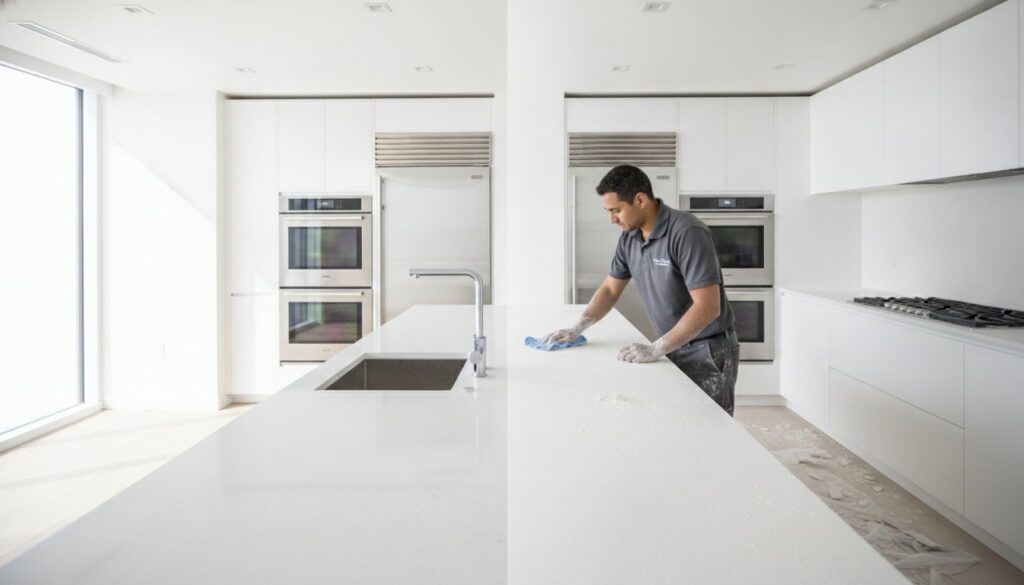
You’ve spent months navigating permits and contractor schedules, only to find that your finished NYC apartment is covered in a persistent, chalky…
New Construction Cleaning Service: What It Is & Cost In NY
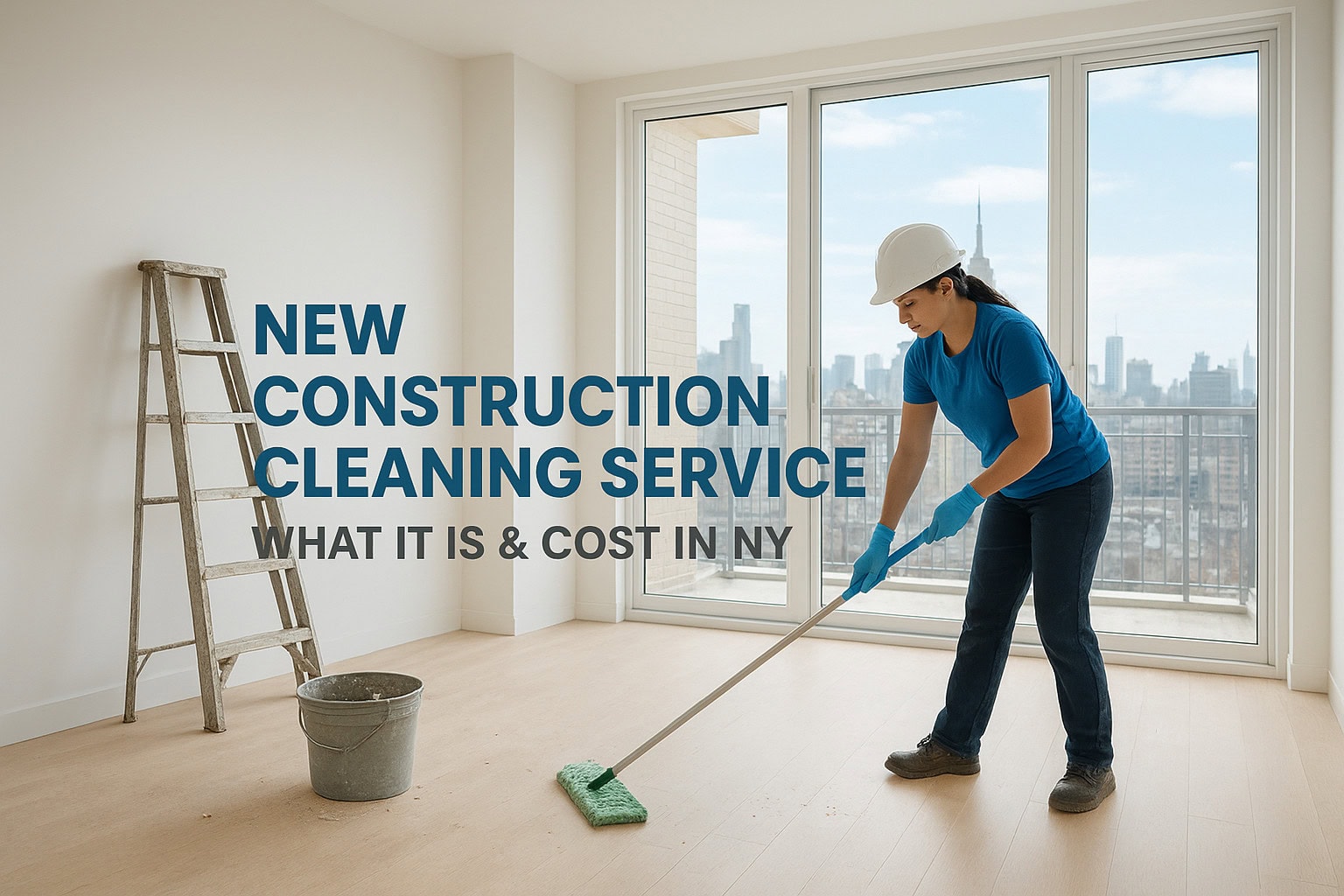
You’ve just finished a construction or renovation project in New York, and the space looks incredible, except for the layers of dust, debris, and residue covering every surface. That’s where a new construction cleaning service comes in. It’s a specialized cleaning process designed to transform a freshly built or renovated property from a work site into a move-in-ready space, and it goes far beyond what a regular cleaning covers. But what exactly does post-construction cleaning involve, and how much should you expect to pay in New York? Those are fair questions, especially when budgets are already stretched thin from the build itself. Pricing varies widely depending on the size of the property, the scope of work, and the level of detail required. Getting clear answers upfront saves you time and money. At AlphaLux Cleaning, we handle post-construction cleanups across New York with the same attention to detail and professionalism we bring to every job, trained, insured staff, eco-friendly products, and results that actually hold up to inspection. In this guide, we’ll break down what a new construction cleaning service includes, what drives costs in NY, and how to choose a provider you can trust with your finished project. Why new construction cleaning matters in NY New York construction projects move fast. General contractors and project managers hand off properties on tight timelines, leaving behind sites that are structurally complete but nowhere near ready for occupancy. Fine dust settles into HVAC vents, grout haze coats newly installed tile, and adhesive residue clings to windows and fixtures. A thorough clean isn’t optional at this stage. It’s the step that bridges the gap between construction finish and a livable, usable space. What construction sites leave behind When crews pack up their tools, the mess they leave behind is more complex than it looks. Drywall dust is so fine it penetrates every surface and gets trapped in air filtration systems. Paint overspray, caulk residue, sawdust, and construction adhesive collect on floors, countertops, windows, and hardware. In New York’s older buildings undergoing renovation, you may also deal with mortar or grout residue from demolition work. Standard cleaning equipment and household techniques simply can’t handle this level of buildup effectively. A single renovation project can distribute fine particulate matter across an entire floor, making professional-grade equipment and technique essential for a safe result. Health and safety risks on newly built properties Ignoring post-construction debris creates real health risks for anyone entering the space. Drywall dust and silica particles are known respiratory irritants, and prolonged exposure is a documented concern according to OSHA. Sharp debris like metal shavings, nails, and glass fragments can remain hidden in corners and under fixtures long after construction wraps up. For residential properties where families are moving in, or commercial spaces where employees will work daily, these hazards require professional attention. Beyond physical hazards, VOC off-gassing from fresh paint, adhesives, and sealants can linger for weeks without proper cleaning and ventilation. A professional team knows how to identify and treat these residues using safe, effective products that don’t add to the air quality problem, which matters especially in New York’s densely occupied buildings. Why New York properties face unique challenges New York adds its own complications to post-construction cleanup. Dense urban construction means debris tracks through hallways, stairwells, and shared common areas constantly. Many high-rise residential and commercial buildings in NYC and Long Island have strict property management rules about cleaning timelines and acceptable methods, particularly for protecting common areas during transitions. If you’re working with a co-op board or a commercial property manager, they will often require documented proof that a professional new construction cleaning service was completed before granting occupancy approval. Scheduling also matters here. New York’s fast-moving real estate market creates pressure to turn over units and commercial spaces quickly. Delays in cleaning can push back your certificate of occupancy, cost you lease income, or hold up a sale closing. A professional team that understands these local realities keeps your timeline intact. What a new construction clean includes A new construction cleaning service covers significantly more ground than a standard residential clean. The work happens in multiple phases, each targeting a different layer of post-construction mess. Understanding what’s included helps you verify that your contractor delivers the full scope of work, not just a surface wipe-down. Rough cleaning and debris removal The first phase focuses on clearing the bulk of construction waste: drywall scraps, wood pieces, packaging materials, and loose debris left behind by crews. Starting here matters because pushing loose particulate into finished surfaces during later phases creates more damage and a longer job overall. Rough cleaning typically covers: Removing large debris and leftover materials from all rooms Sweeping and vacuuming every floor and horizontal surface Clearing construction materials out of closets and storage areas Wiping walls to remove loose dust before precision work begins Detail cleaning and final polish This phase is where precision matters most. Your team works through fine-layer residue that rough cleaning can’t reach: paint overspray on glass and hardware, grout haze on tile, adhesive sticker residue, and caulk smears around fixtures and trim. Getting this phase right determines whether a space looks move-in ready or still shows visible signs of construction. A complete detail clean typically includes: Window cleaning inside and out, including frames and sills Fixture polishing on faucets, handles, and light fittings Cabinet and drawer interiors wiped free of dust and debris Baseboards, door frames, and trim hand-cleaned HVAC vents and returns vacuumed to stop dust from recirculating Floor scrubbing specific to the installed surface material Your crew finishes with a final walkthrough of the entire space, spot-checking walls for scuffs, clearing corners, and confirming every surface meets a move-in-ready standard. This last pass is what separates a professional result from a job that looked finished until someone looked closely. How a new construction cleaning service works When you book a new construction cleaning service, the process follows a structured sequence designed to handle each layer of post-construction mess in
Expert Move Out Cleaning Services in Nassau County, NY: Your 2026 Guide
What if the difference between losing a significant portion of your security deposit and receiving a full refund within fourteen days was simply the…
Commercial Window Cleaning Rates: Hourly, Pane, Sq Ft
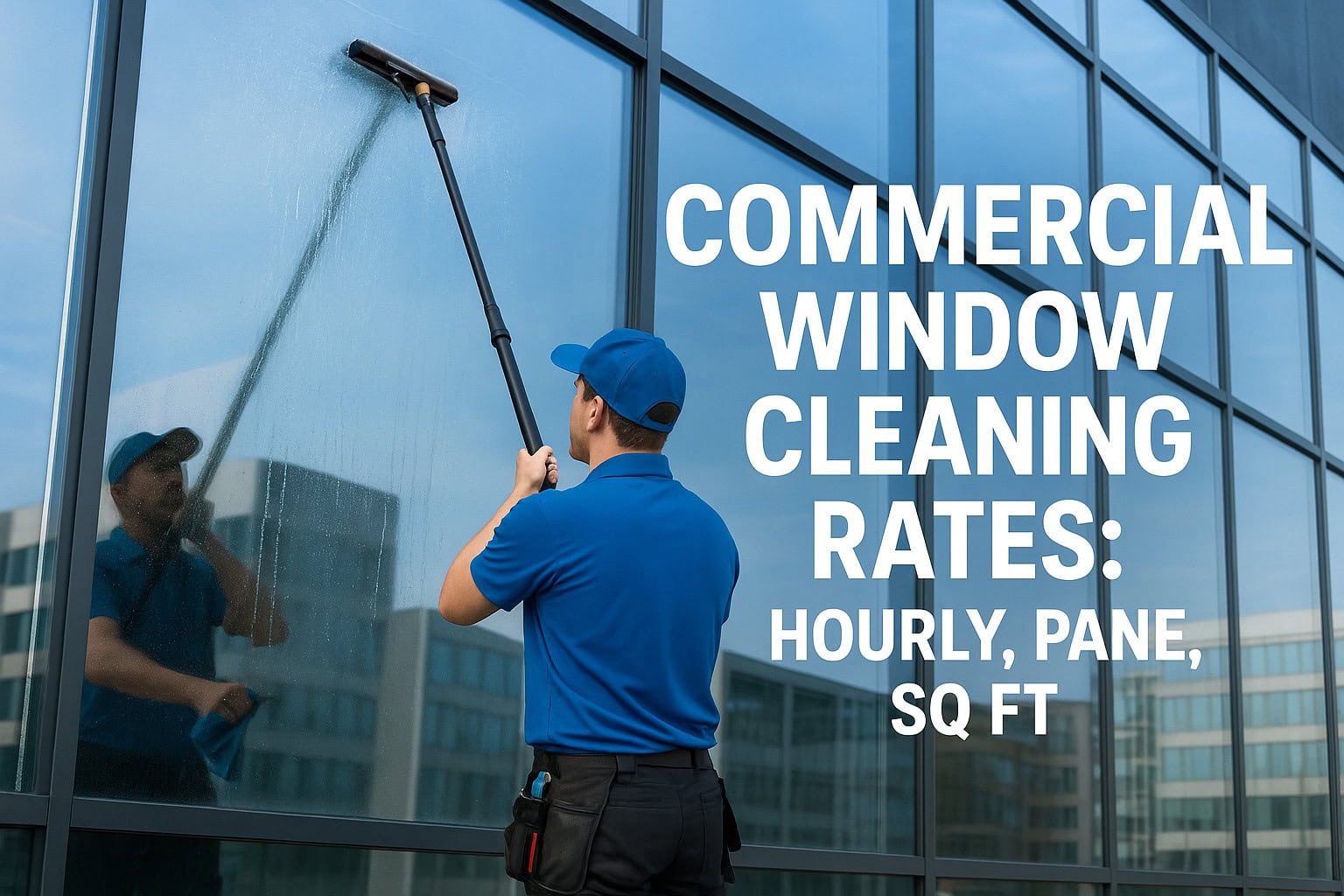
Whether you’re a business owner budgeting for building maintenance or a cleaning professional setting your prices, understanding commercial window cleaning rates is essential before anyone signs a contract. Pricing in this industry varies widely, and without a clear reference point, you risk overpaying or undercharging by a significant margin. At AlphaLux Cleaning, we handle commercial cleaning projects across New York State, and window cleaning pricing is one of the questions we encounter most often. The truth is, rates depend on several factors: the number of panes, building height, accessibility, and whether you’re pricing by the hour, per pane, or per square foot. Each method has its place, and knowing when to apply which one makes all the difference for accurate budgeting and fair pricing. This guide breaks down current industry averages for each pricing structure, explains what drives costs up or down, and gives you the numbers you need to make informed decisions. We’ll cover hourly rates, per-pane costs, square footage estimates, and the specific variables that shift the final price, so you can walk into any quote or negotiation with confidence. How commercial window cleaning pricing works Commercial window cleaning doesn’t use a single standard rate the way some services do. Contractors and building managers work with three distinct pricing structures, and the model that applies to your job depends on the size of the building, how accessible the windows are, and what the service provider needs to cover their costs. Before you can evaluate a quote or set your own prices, you need to understand how each model functions and where it fits in practice. Choosing the wrong pricing model for a job can leave money on the table or price you out of a contract before negotiations even begin. The three main pricing methods Hourly pricing gives contractors a straightforward way to cover labor time, especially when the job scope is unclear before starting. It works well for small office suites or situations with unpredictable access. Per-pane pricing assigns a fixed cost to each individual window pane, and it’s the most widely used model for standard commercial buildings because both parties can calculate the total before anyone shows up on site. Per-square-foot pricing suits large glass facades, curtain wall systems, or storefronts where counting panes individually would take longer than the job itself. Pricing Method Best Used For Typical Range Hourly Small or undefined-scope jobs $50-$80 per cleaner/hour Per pane Standard multi-story buildings $4-$12 per pane Per square foot Large glass facades, storefronts $0.25-$0.50 per sq ft What drives prices higher or lower Building height is the most significant variable in commercial window cleaning rates. Ground-floor access requires basic equipment and minimal setup time. Anything above the second floor typically needs ladders, boom lifts, or rope-access systems, which add both equipment rental costs and specialized labor. A four-story office building can cost three to four times more per pane than a single-story retail space even when the total glass area is similar. Beyond height, several other job-specific factors directly affect what you’ll pay or charge: Frequency: Ongoing contracts (weekly, monthly, or quarterly) lower the per-visit rate compared to one-time services. Window condition: Heavy buildup from construction residue, paint overspray, or mineral deposits requires longer dwell times and stronger treatments. Interior and exterior scope: Cleaning both sides roughly doubles labor, so clarify this upfront before any quote is accepted. Access restrictions: Security protocols, pedestrian traffic, or confined loading areas add measurable setup time to every visit. Location: Urban markets like New York carry higher baseline labor costs than suburban or rural areas. Understanding these factors early means you can identify pricing gaps in any estimate you receive and ask the right questions before signing off on anything. Typical commercial window cleaning rates in 2026 Current commercial window cleaning rates reflect both rising labor costs in urban markets and increased demand for professional services across high-traffic commercial spaces. Knowing the benchmarks before you call a vendor or write your first quote keeps you from accepting the first number you hear without any basis for comparison. Hourly and per-pane benchmarks Most providers in New York price routine exterior-only cleaning at $4 to $8 per pane for accessible ground-level windows, and this figure jumps to $8 to $15 per pane once equipment like boom lifts enters the equation. Hourly rates in the region typically run $55 to $85 per cleaner, depending on experience level and the complexity of the job. Always confirm whether a quoted rate covers exterior-only or both sides of the glass before you compare estimates side by side. Job Type Price Range Ground-floor exterior only $4-$8 per pane Multi-story with lift equipment $8-$15 per pane Interior + exterior combined $6-$14 per pane Hourly rate (urban markets) $55-$85 per cleaner/hour Large glass facades $0.25-$0.50 per sq ft Contract pricing and volume discounts Recurring contracts reduce your per-visit cost significantly compared to one-time jobs. A building owner scheduling monthly service can expect rates 10 to 20 percent lower than what a single appointment would cost, because the provider can plan logistics and cut setup time across visits. Volume also plays a role for large properties. A 50-pane retail strip under a recurring agreement might see a rate of $5 per pane, while a single-location business paying for a one-time visit could pay $9 or more per pane. Locking in a regular schedule is the most direct way to reduce your annual window cleaning spend without sacrificing service quality. Step 1. Scope the job and count what matters Before any pricing model applies, you need accurate job data. Scoping a commercial window cleaning job means walking the property with a notepad and recording everything that affects the final price. Skipping this step leads to underbidding or costly surprises mid-job, and neither outcome works in your favor. A five-minute site walk before you quote will save you far more time in dispute resolution after the job is done. Count every pane and note what’s above ground Your pane count is the