Commercial Office Cleaning in Long Island: Elevating Your Workspace for 2026

A truly professional workspace does more than project an image of success; it actively protects the health of your team and the clarity of their…
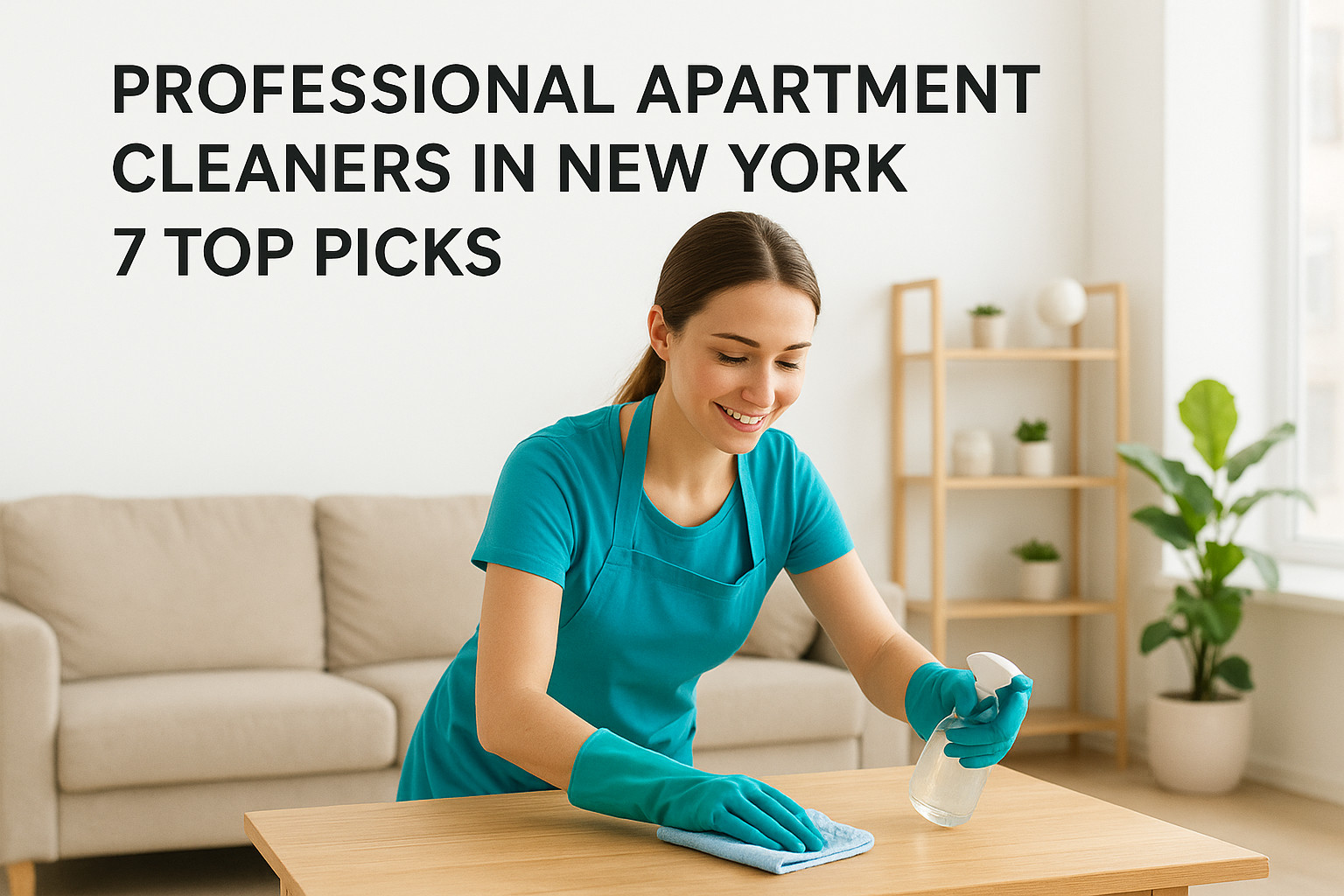
Professional Apartment Cleaners In New York: 7 Top Picks
Finding professional apartment cleaners you can actually trust with your space isn’t as simple as picking the first name that pops up on Google. Between pricing differences, varying service quality, and the sheer number of options across New York, it’s easy to feel overwhelmed, especially when your apartment is the one place that should feel like a stress-free zone. We get it. At AlphaLux Cleaning, we’ve spent years helping New York residents maintain spotless apartments using eco-friendly products and fully vetted cleaning professionals. That hands-on experience has given us a clear picture of what separates a great cleaning service from a forgettable one, and what you should look for before booking. So whether you need a one-time deep clean before guests arrive or a reliable weekly service to keep things fresh, this list has you covered. Below, you’ll find seven top-rated apartment cleaning companies operating in New York, along with what makes each one worth considering and how to choose the right fit for your budget and needs. 1. AlphaLux Cleaning AlphaLux Cleaning is a New York-based cleaning company built around reliability, eco-friendly products, and personalized service. Their team handles everything from routine apartment maintenance to thorough deep cleans, with a clear focus on giving you a spotless, healthy living space without the guesswork involved in hiring strangers off the internet. What AlphaLux Cleaning offers for apartments Their service menu covers the full range of apartment cleaning needs. You can book standard recurring cleans for ongoing maintenance, request a one-time deep clean for move-in or move-out situations, or set up a custom schedule that fits your lifestyle. Every clean uses non-toxic, eco-friendly products, which matters especially in smaller apartment spaces where air quality and surface safety are real concerns. Choosing a service that uses eco-friendly products protects both your health and your apartment surfaces over the long run. Who AlphaLux Cleaning fits best This service works well for busy professionals and families who need a dependable cleaner they can count on week after week. It’s also a strong choice if you’re moving into or out of an apartment and want a thorough, detailed clean done by insured and background-checked professionals rather than scrambling to handle it yourself under time pressure. Service area coverage across New York AlphaLux Cleaning operates across New York state, with strong coverage throughout Long Island and the surrounding service area. If you’re unsure whether your address falls within their zone, you can check directly through their website or reach out for confirmation before committing to a booking. How booking and scheduling works You can book AlphaLux Cleaning online through their website, which makes setting up a first appointment straightforward without needing a phone call. Scheduling is flexible, so you can arrange recurring weekly or biweekly visits or a standalone appointment depending on what you need. Free estimates are also available, giving you a clear picture of cost upfront. Pricing expectations and what affects cost Pricing depends on several variables, including your apartment size, the type of service you choose, and how frequently you book. Deep cleans and move-out services typically cost more than standard maintenance visits due to the extra time and detail involved. Recurring bookings often come at a better rate than one-time appointments, so if you need regular upkeep, it’s worth asking about their ongoing service options. 2. MyClean MyClean is a New York City-focused cleaning company built around fast, app-based scheduling. They designed their service specifically for apartment residents who want professional apartment cleaners booked with minimal effort and clear communication from start to finish. What MyClean offers for apartments Their core services cover the main cleaning needs of most apartment residents: Standard cleaning for routine upkeep between deeper sessions Deep cleaning for move-ins, move-outs, or seasonal resets Green cleaning using non-toxic product options upon request Each appointment follows a structured task checklist, and you can adjust specific priorities during the booking process to match what matters most in your space. Who MyClean fits best MyClean works well for NYC residents who prefer managing everything digitally. If you want to book, reschedule, and communicate with your cleaner entirely through an app or website without phone calls, this service is built for that workflow. It’s also a practical pick for renters who need a thorough clean before returning keys at the end of a lease. Service area coverage across New York MyClean operates throughout New York City, covering Manhattan, Brooklyn, Queens, the Bronx, and Staten Island. Their reach stays largely within city limits, so if you’re in Long Island or another area outside the five boroughs, confirm availability before committing. Verifying a company’s exact service area before booking prevents wasted time and scheduling headaches. How booking and scheduling works You set up appointments through their website or mobile app, selecting a date, time, and service type in a few steps. Recurring cleanings are straightforward to configure at checkout without extra coordination. Pricing expectations and what affects cost Rates depend on your apartment size and chosen service level. Deep cleans cost more than standard visits, and repeat customers typically pay less per visit than one-time bookings. If you’re scheduling for the first time, expect a slightly higher rate since the initial clean often requires more time and detail. 3. Zen Home Cleaning Zen Home Cleaning is a New York-based service that focuses on residential cleaning with an emphasis on calm, organized, and consistent results. They position themselves as professional apartment cleaners who work with a straightforward process designed to reduce the hassle of maintaining a clean home. What Zen Home Cleaning offers for apartments Zen Home Cleaning covers the standard range of apartment services, including routine maintenance cleans and deeper sessions for more thorough work. Their team follows a detailed cleaning checklist on each visit, so you know exactly what gets done without having to spell it out every time. Who Zen Home Cleaning fits best This service suits apartment residents who value consistency and want the same quality delivered on each visit. It
Cleaning Services for Immunocompromised Individuals: A Guide to Health-First Home Care

What if the very products meant to sanitize your living space are actually making it harder for your body to heal? For many, the traditional scent of…
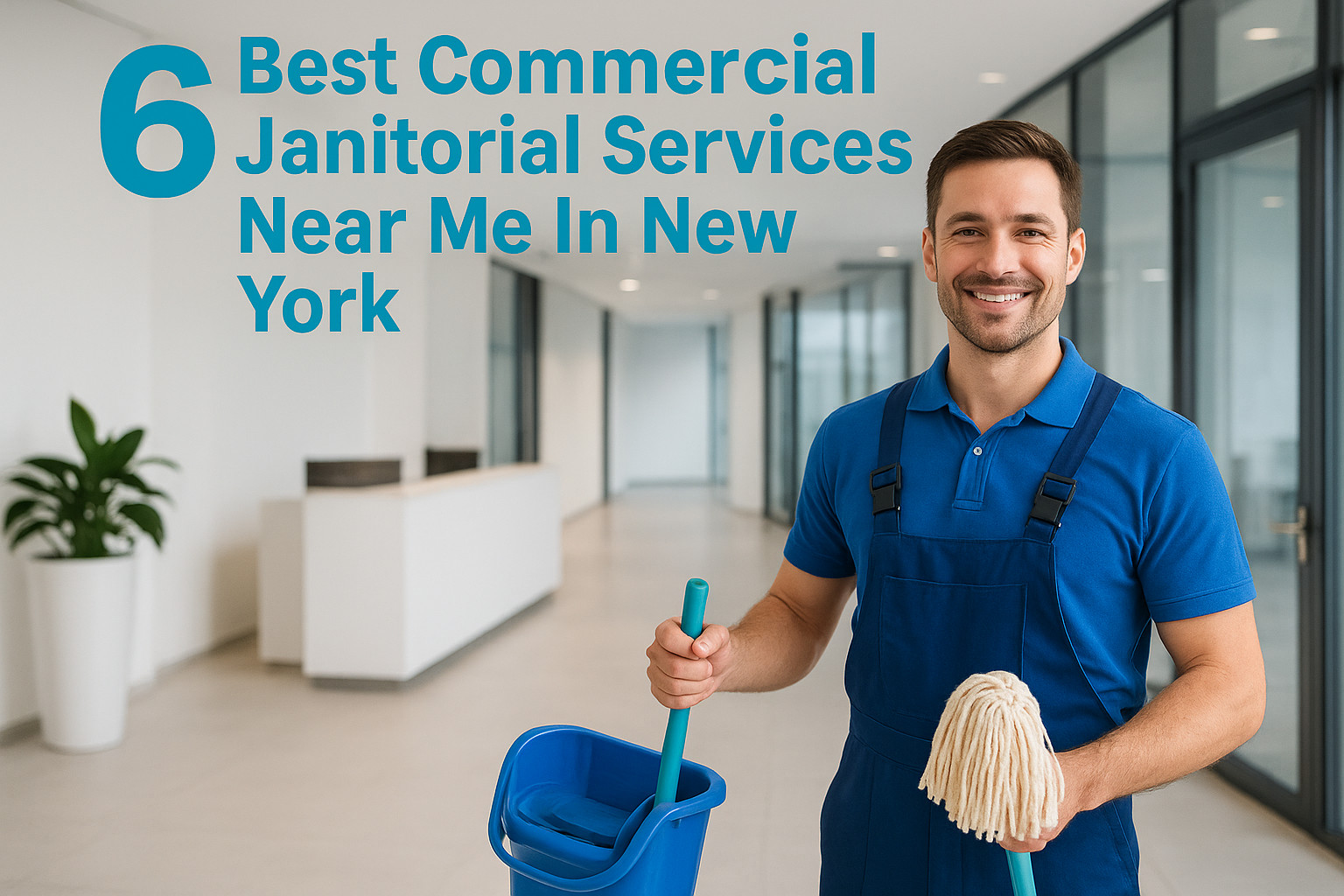
6 Best Commercial Janitorial Services Near Me In New York
A dirty office isn’t just an eyesore, it affects employee health, client perception, and your bottom line. If you’ve been searching for commercial janitorial services near me in New York, you already know the challenge: there are dozens of options, and not all of them deliver on their promises. Choosing the wrong provider means inconsistent results, missed appointments, and wasted money. What separates a great janitorial company from a mediocre one? It comes down to trained staff, reliable scheduling, and a genuine commitment to the quality of work, not just the size of the contract. You need a team that treats your facility like it matters, because it does. At AlphaLux Cleaning, we serve businesses across New York with customized, detail-driven cleaning backed by vetted, insured professionals and eco-friendly products. We know this industry inside and out, which puts us in a strong position to recognize excellence in others, too. In this guide, we break down six of the best commercial janitorial services in New York so you can compare your options and find the right fit for your business. 1. AlphaLux Cleaning AlphaLux Cleaning is a New York-based professional cleaning company that serves both residential and commercial clients with a focus on personalized service and consistent results. When you’re searching for commercial janitorial services near me and want a provider that treats your facility with real care, AlphaLux brings vetted, insured professionals and eco-friendly products to every job. Areas served in New York AlphaLux operates across New York state, with a particularly strong presence on Long Island and the surrounding region. If your business is located in this area, you get a local team that understands the market and can schedule around your operational hours without disruption. Janitorial services offered AlphaLux handles the full scope of commercial cleaning needs. Their thoroughly trained staff deliver everything from routine maintenance visits to one-time deep cleans, and they build the plan around your facility rather than a generic template. Regular scheduled cleaning (daily, weekly, or custom frequency) Deep cleaning with detailed attention to high-traffic areas Move-in and move-out cleaning for commercial properties Eco-friendly cleaning using non-toxic, safe products Fully customized cleaning plans based on your space and schedule Best for AlphaLux is the strongest fit for small to mid-sized businesses that need reliable, detail-driven cleaning without the red tape of a large national chain. Their background-checked and fully insured professionals show up prepared and accountable, so you never have to follow up to confirm the work got done. If your business depends on first impressions, whether you run a medical office, a law firm, or a retail space, the standard of cleanliness AlphaLux delivers reflects directly on your brand. What to ask before you book Before your first clean, get clear answers on the following points so there are no surprises after you sign on. Which specific tasks are included in a standard commercial visit? Can you schedule cleaning outside of regular business hours? Are all staff members background-checked and insured? What happens if something is missed during a visit? Pricing and contract notes AlphaLux provides free estimates, so you know the cost upfront before making any commitment. They structure customized cleaning plans around your actual facility size and schedule, meaning you pay for what your space genuinely requires. Contact them directly through their website to request a quote and discuss contract terms. 2. Jani-King of New York Jani-King is one of the largest franchise-based commercial cleaning companies in the world, and their New York operations bring that scale to local businesses. If you’re evaluating commercial janitorial services near me, Jani-King offers broad industry coverage backed by a structured franchise system and standardized training protocols. Areas served in New York Jani-King operates through franchise owners across New York City and many surrounding metro areas. Coverage can vary depending on which local franchise holds your territory, so confirm your specific location is served before moving forward. Janitorial services offered Jani-King covers a wide range of commercial cleaning categories through their franchise network. Their national service framework translates into documented procedures across locations. Office and commercial building cleaning Healthcare facility cleaning Restaurant and food service cleaning Retail and hospitality cleaning Floor care and carpet maintenance Best for Jani-King works best for larger commercial operations that need a provider with experience in regulated or high-volume environments. Their background in healthcare and food service makes them a solid option if your facility carries specific compliance requirements. If your facility must meet industry cleaning standards, Jani-King’s structured procedures and documented processes can support that effort. What to ask before you book Before you commit to a Jani-King franchise, get clear written answers on these key points. Who is the actual franchise owner servicing your account? How does the company handle quality control and follow-up inspections? Are staff direct employees of the franchise or subcontractors? Pricing and contract notes Jani-King pricing runs through individual franchise negotiations, so rates depend on your location, facility size, and service frequency. Request a written quote and review cancellation terms carefully before signing anything. 3. ServiceMaster Clean ServiceMaster Clean is a nationally recognized franchise network with a long track record in commercial cleaning. If you’re comparing commercial janitorial services near me in New York, ServiceMaster brings consistent processes and industry-specific expertise to facilities that need dependable upkeep. Areas served in New York ServiceMaster Clean operates through franchise locations across New York, including New York City and much of the surrounding metro area. As with any franchise system, specific coverage depends on your local franchise owner, so verify availability for your address before reaching out for a quote. Janitorial services offered ServiceMaster covers a solid range of commercial cleaning categories, with particular strength in specialized environments that require documented protocols. Office and commercial building maintenance Healthcare and medical facility cleaning Floor care, stripping, and refinishing Carpet cleaning and restoration Post-construction cleanup Best for ServiceMaster works well for mid-to-large commercial facilities that need a provider with proven systems and trained personnel. Their healthcare and
Vacation Rental Deep Cleaning: The 2026 Guide to 5-Star Guest Reviews

In 2026, with available short-term rental listings in the United States projected to reach 1.77 million, the competition for guest attention is more…
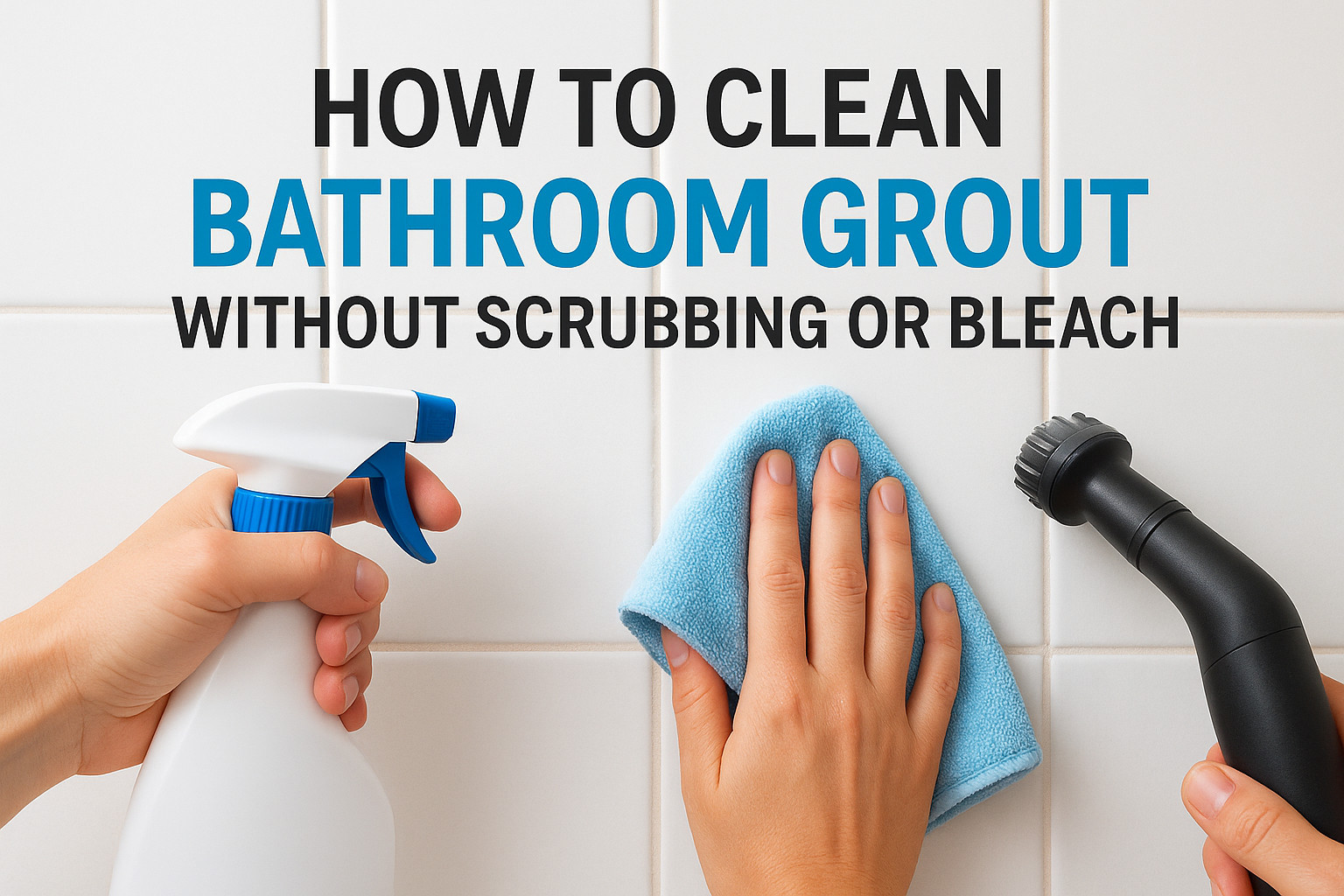
How To Clean Bathroom Grout Without Scrubbing Or Bleach
Dirty grout lines have a way of making even a recently cleaned bathroom look neglected. If you’ve been wondering how to clean bathroom grout effectively, you’re not alone, it’s one of the most common cleaning frustrations we hear about from homeowners across New York. The good news? You don’t need harsh bleach or hours of back-breaking scrubbing to get results. At AlphaLux Cleaning, we tackle grout stains in bathrooms every day, from Manhattan apartments to Long Island family homes. Our team has tested dozens of methods and products, and we know which ones actually work, and which ones waste your time. That hands-on experience is exactly what shaped this guide, so you can get professional-level results on your own. Below, we’ll walk you through simple, effective ways to clean bathroom grout using common household ingredients and a few targeted products. You’ll find step-by-step instructions, DIY cleaning recipes, and honest recommendations that skip the bleach entirely. Whether you’re dealing with mildew, soap scum, or mystery discoloration, this guide covers it all, so your grout looks like it did the day it was installed. What you need before you start Before you tackle how to clean bathroom grout the right way, set yourself up properly. Rushing into the job without the right supplies is the fastest way to waste time, damage your tile, or end up with grout that looks only marginally better than before. Most of what you need is inexpensive, easy to find, and likely already sitting in your kitchen or bathroom cabinet. Cleaning supplies and solutions Your grout cleaning kit doesn’t need to be elaborate. The two most effective DIY ingredients are baking soda and hydrogen peroxide, which combine into a thick paste that lifts discoloration without eroding the grout itself. For heavier buildup or mold, an oxygen-based powder cleaner like OxiClean dissolved in warm water gives you a soak-and-lift method that does most of the hard work without scrubbing. Here’s everything to have ready before you begin: Item Notes Baking soda Standard grocery store box Hydrogen peroxide (3%) Available at any pharmacy Oxygen-based cleaner OxiClean or similar powder Spray bottle For applying liquid solutions evenly Stiff-bristled grout brush An old toothbrush works for small sections Microfiber cloths For wiping and drying surfaces Rubber gloves Protect your skin during longer jobs Handheld steam cleaner Optional, but very effective for deep grime Keeping all of these within arm’s reach before you start means your cleaning solutions won’t dry out while you’re searching for a missing tool, which matters more than most people realize. What to avoid bringing into this process Bleach is the first product many people reach for, but it’s worth skipping entirely. Bleach degrades grout over time by weakening the binder that holds it together, which causes lines to crack, crumble, and trap more stains down the road. The fumes in a small, poorly ventilated bathroom are also a genuine health concern, especially if they mix with other cleaning products accidentally. Wire brushes and metal scrubbing pads belong on the same avoid list. Metal bristles scratch tile glazing and dig into soft grout, creating tiny grooves that collect dirt and make every future cleaning session harder. A stiff nylon brush gives you all the mechanical action you need without causing any surface damage. Step 1. Prep the area and do a spot test Good preparation takes about five minutes and prevents most avoidable problems. Before you learn how to clean bathroom grout effectively, you need to confirm the surface is ready and that your chosen cleaning solution won’t react badly with your specific tile. Skipping this step is how people end up with discolored tile or wasted product that dries before it can work. Clear the surface Remove everything from the shower or floor area before applying anything. Clear out shampoo bottles, bath mats, and soap dishes so you can reach every grout line without awkward angles. Then lightly wet the grout with warm water from your spray bottle, which opens the porous surface and helps any cleaning solution you apply next penetrate the stain instead of just sitting on top. Here’s a quick pre-clean checklist: Remove all items from the shower floor, ledge, and nearby surfaces Open a window or turn on the exhaust fan to ventilate the room Wet grout lines with warm water before applying any solution Put on rubber gloves before you start Run a spot test first Pick a small, inconspicuous section of grout, such as a corner near the floor or behind a fixture, and apply your cleaning solution there first. Wait three to five minutes, then wipe it away and check for color change, surface lift, or any soft or crumbling texture. If your test spot shows any discoloration or surface damage after wiping, stop and switch to plain warm water with a stiff nylon brush instead. This step is especially important if your grout is colored or tinted, or if your tile is a natural stone like marble or travertine, both of which react poorly to oxidizing or acidic cleaners. Step 2. Lift stains with an oxygen-based soak An oxygen-based soak is one of the most effective approaches for how to clean bathroom grout that has gone dark, developed mold, or collected years of soap and mineral buildup. Unlike scrubbing, this method uses a chemical reaction to break the bond between the stain and the grout’s porous surface, so the dirt lifts out rather than getting pushed deeper in. Mix your oxygen soak solution Start by dissolving two tablespoons of oxygen-based powder cleaner (such as OxiClean) in two cups of warm water inside a spray bottle or small bowl. Stir until the powder is fully dissolved before you apply anything. The warm water activates the oxygen release, which is what actually breaks apart the stain rather than just masking it. Use this table to scale your mixture based on how much area you’re cleaning: Area Size Powder Water Small section (1-2 sq ft) 1 tbsp 1 cup Standard shower
Small Office Cleaning Services in Brooklyn: A Boutique Approach to Workspace Wellness
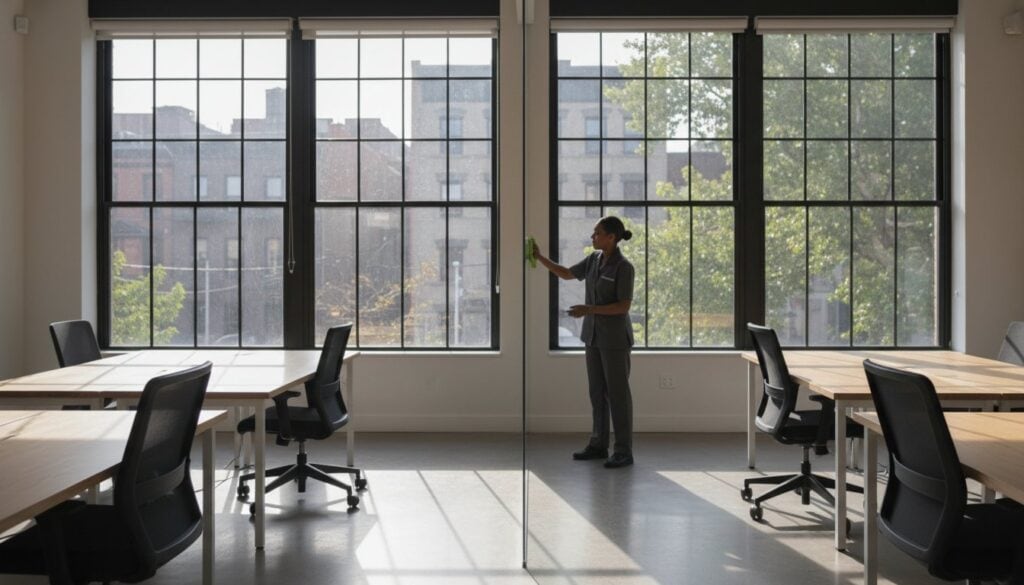
What if your cleaning service cared as much about your high-end creative equipment or specialized workstations as you do? For many boutique firms,…
11 Best Kitchen Deep Cleaning Service: Cost & Checklist
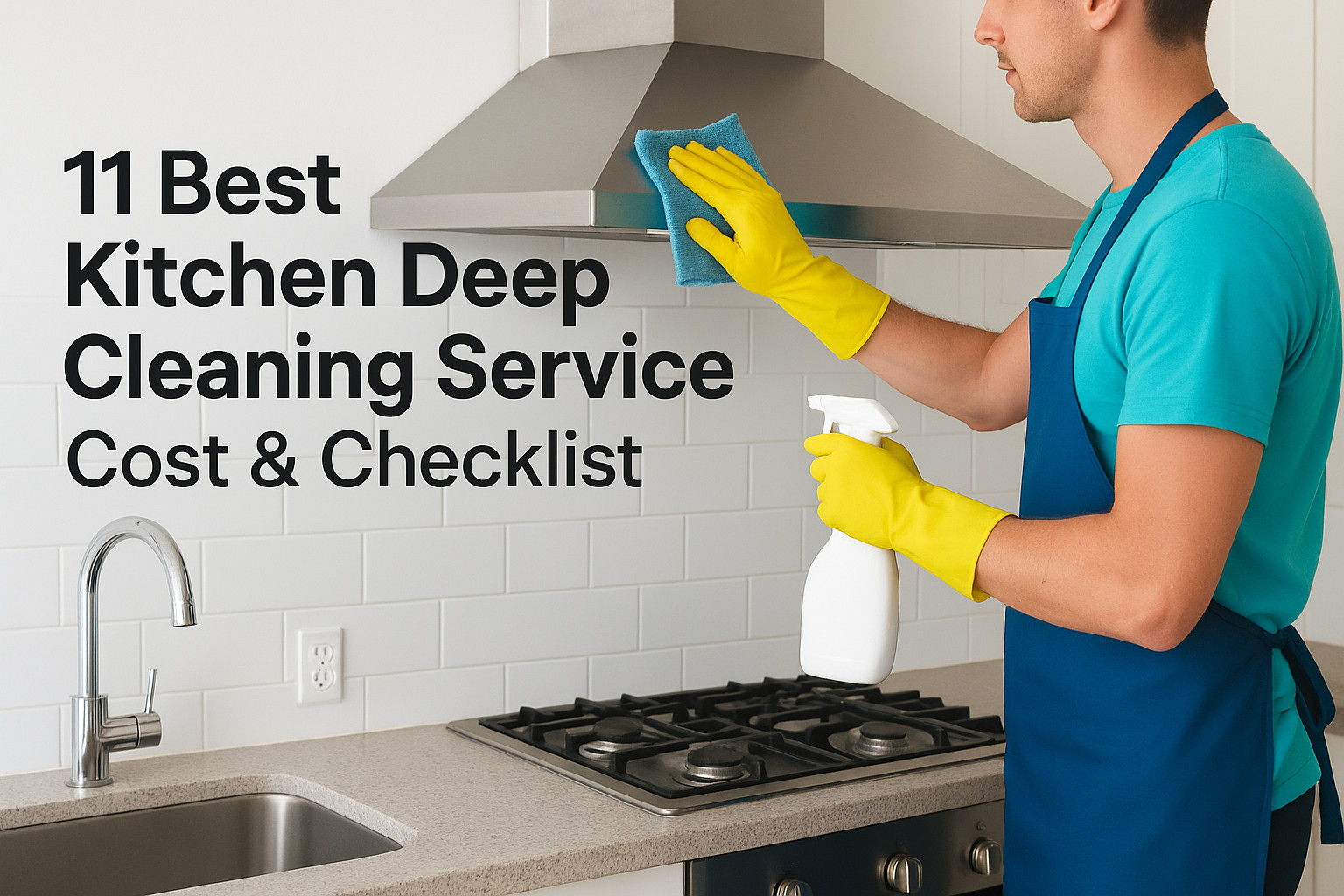
Your kitchen handles more grease, grime, and daily wear than any other room in your home, and a regular wipe-down only scratches the surface. When buildup hides behind appliances, inside ovens, and along grout lines, a kitchen deep cleaning service becomes less of a luxury and more of a necessity. The difference between a kitchen that looks clean and one that actually is clean? It’s bigger than most people realize. At AlphaLux Cleaning, we’ve spent years helping New York homeowners and businesses tackle exactly this kind of job. We know what separates a thorough deep clean from a surface-level one, and we know what to look for when hiring a professional team to do it right. That hands-on experience is what shaped this guide. Below, we’ve put together a list of the 11 best kitchen deep cleaning services worth considering, along with realistic cost breakdowns and a detailed checklist of what should actually be included. Whether you’re prepping for a move, recovering from months of cooking chaos, or just overdue for a reset, this breakdown gives you everything you need to make a confident decision. 1. AlphaLux Cleaning AlphaLux Cleaning is a New York-based professional cleaning company serving both residential and commercial clients across the state, including Long Island. Their team is fully insured, background-checked, and trained to handle jobs that go well beyond a routine maintenance clean. If you need a reliable kitchen deep cleaning service with a local, accountable team behind it, AlphaLux belongs at the top of your list. Service snapshot Their service menu includes customizable cleaning plans that cover one-time deep cleans, recurring maintenance visits, and move-in or move-out jobs. Staff use eco-friendly, non-toxic products, which matters if you have children, pets, or sensitivities to harsh chemicals. You can book online and request a free estimate without any commitment upfront. One-time and recurring plans available Move-in and move-out cleaning included Online booking and free estimates Eco-friendly, non-toxic products used throughout What a kitchen deep clean includes A kitchen deep clean from AlphaLux covers the spots that most crews skip entirely. You get interior appliance cleaning (oven, microwave, refrigerator), degreasing of stovetop burners and hood vents, grout line scrubbing, and a full wipe-down of cabinet fronts, backsplashes, and baseboards. Their attention to detail is what sets this apart from a standard maintenance visit. A proper kitchen deep clean should address grease buildup behind and beneath appliances, not just the surfaces you can see at eye level. Oven interior scrub Hood vent and filter degreasing Refrigerator interior wipe-down Cabinet fronts and hardware Grout lines and tile backsplash Sink, faucet, and drain area Baseboards and light switch plates Typical pricing and what changes the cost AlphaLux provides free estimates rather than posting flat rates, because kitchen size, level of buildup, and specific add-ons all affect the final number. Most residential kitchen deep cleans in New York fall between $150 and $350 depending on those variables, with commercial kitchens running higher due to scale and equipment. Factor Impact on Price Kitchen size Larger space increases time and cost Level of grease buildup Heavy buildup adds significant labor Appliance count More appliances mean more cost One-time vs. recurring Recurring plans often reduce per-visit cost Pros, cons, and best-fit scenarios Pros include a local and accountable team, eco-friendly products, fully insured staff, customizable plans, and online booking. Cons are minimal, though pricing requires a quote since nothing is listed publicly. AlphaLux fits best for New York homeowners who want a vetted long-term cleaning partner, and for businesses that need a consistently clean kitchen without managing the process themselves. Questions to ask before you book Before confirming your booking, ask specifically which appliances are included in the deep clean and whether the oven interior is part of the standard package or priced as an add-on. You should also confirm that the cleaning products are safe for your specific surfaces, especially if you have natural stone countertops, stainless steel appliances, or other finishes that react poorly to certain chemicals. 2. Merry Maids Merry Maids is one of the most recognized residential cleaning franchises in the United States, with hundreds of locations spread across the country. If you want a nationally backed service with established training standards and broad availability, Merry Maids is a reasonable option to explore. Service snapshot Merry Maids operates through a franchise model, which means service quality and available packages can vary depending on your specific location. Most branches offer both recurring maintenance visits and one-time deep clean options, so you have flexibility in how you engage them. What a kitchen deep clean includes A standard Merry Maids kitchen deep cleaning service typically covers appliance exteriors, countertops, cabinet fronts, and the sink area. Interior appliance cleaning, such as scrubbing inside your oven or refrigerator, often counts as a separate add-on rather than a standard inclusion, and this varies by franchise. Always confirm with your local Merry Maids branch exactly which tasks are included before you commit, since offerings differ by location. Typical pricing and what changes the cost Merry Maids does not publish flat rates publicly. Your final cost depends on home size, service frequency, and your specific location. Deep clean packages tend to run higher than routine maintenance visits because they require significantly more labor and time per visit. Factor Impact on Price Home square footage Larger homes increase cost Add-ons (oven, fridge interior) Adds to the base price Recurring vs. one-time Recurring visits typically reduce per-visit cost Pros, cons, and best-fit scenarios Pros include brand recognition, standardized training, and nationwide coverage. Cons include inconsistency between franchise locations and a lack of transparent pricing upfront. Merry Maids fits best if you prioritize working with a well-known national brand and your local branch has strong reviews. Questions to ask before you book Ask directly whether interior oven and refrigerator cleaning are included or priced as add-ons. You should also confirm what cleaning products the team uses, especially if you have young children, pets, or surface materials that require gentler solutions.
The Strategic Benefits of Hiring a Professional Office Cleaning Service in 2026

What if the most effective tool for boosting your team’s productivity isn’t a new software suite, but the very air they breathe and the surfaces they touch? You likely already recognize that a cluttered desk often leads to a cluttered mind. Managing a modern workplace is complex enough without the added stress of inconsistent cleaning quality or the constant burden of supervising in-house staff. It’s exhausting to watch employee absenteeism rise when your current maintenance routine misses the meticulous details that protect your team’s health. A pristine office provides a sensory experience that signals reliability. It’s about the crispness of the air and the absence of smudges on glass partitions. This level of meticulous maintenance reinforces your company’s attention to detail in every interaction. Building trust with stakeholders requires visible standards of excellence that remain consistent day after day. One of the most strategic benefits of hiring a professional office cleaning service is the peace of mind it provides. By partnering with dedicated specialists like Shark Nettoyage, you can trust that the complex details of your facility are being managed by experts, allowing you to focus entirely on your corporate mission. Understanding the strategic benefits of hiring a professional office cleaning service allows you to reclaim your time and focus on your core mission. This guide will show you how professional care transforms your workplace into a high-performance environment while protecting your bottom line. We’ll explore how expert hygiene standards, compliance with the November 2026 OSHA Hazard Communication deadlines, and data-driven cleaning schedules create a pristine space. You’ll learn how a professional craft approach fosters the mental clarity and quiet satisfaction your employees need to excel in a demanding market. Key Takeaways Discover how a meticulously maintained environment reduces cognitive load and allows your team to maintain peak mental clarity throughout the day. Understand the link between indoor air quality and cognitive performance to help reduce employee absenteeism and boost overall office productivity. Learn how utilizing vetted and insured professionals mitigates business liability and ensures a consistent standard of excellence that protects your reputation. Explore the long-term benefits of hiring a professional office cleaning service to balance specialized deep cleaning with a seamless recurring schedule. See why local expertise is vital for managing the specific maintenance needs and high regulatory standards of New York and Long Island offices. Table of Contents Beyond Aesthetics: The Hidden Impact of a Professional Workspace Health, Productivity, and the Science of Clean Air Risk Mitigation: Professional Standards and Insurance Customizing Your Strategy: Deep Cleaning vs. Recurring Maintenance The AlphaLux Advantage: Trusted Office Cleaning in New York Beyond Aesthetics: The Hidden Impact of a Professional Workspace A workspace serves as the physical manifestation of your company’s values. While many view maintenance as a background task, the psychological link between environmental order and professional mental clarity is profound. Research into workplace psychology suggests that visual clutter increases cognitive load, forcing the brain to expend energy filtering out irrelevant stimuli. This hidden drain reduces employee focus and slows decision-making throughout the day. One of the primary benefits of hiring a professional office cleaning service is the immediate restoration of this mental bandwidth. By removing the background noise of a messy environment, you allow your team to dedicate their full attention to the work that actually drives your business forward. The first impression your office makes on high-value clients in 2026 is more critical than ever. In an era of hybrid work, the physical office has become a destination for collaboration and high-stakes meetings. When a stakeholder enters a space that feels neglected, it creates an invisible “first impression tax.” This loss of credibility happens subconsciously; if the environment isn’t managed with precision, clients may wonder if your project management follows the same pattern. Transitioning from reactive cleaning to proactive professional environment management ensures that your office always reflects your highest standards. The True Cost of In-House Cleaning Management Managing cleaning tasks internally often creates a significant productivity leak. When highly paid managers spend time supervising staff, handling call-outs, or ordering supplies, the opportunity cost quickly exceeds the price of a professional contract. There are also hidden expenses in purchasing and maintaining commercial-grade equipment. Professional commercial cleaning services bring their own specialized inventory and expertise. Without this professional touch, “good enough” cleaning often leads to long-term property depreciation. Carpets wear out faster, finishes dull, and delicate surfaces can sustain permanent damage from improper chemical use. Elevating Brand Equity Through Meticulous Maintenance A pristine office provides a sensory experience that signals reliability. It’s about the crispness of the air and the absence of smudges on glass partitions. This level of meticulous maintenance reinforces your company’s attention to detail in every interaction. Building trust with stakeholders requires visible standards of excellence that remain consistent day after day. One of the most strategic benefits of hiring a professional office cleaning service is the peace of mind it provides. You can trust that the complex details of your facility are being managed by experts—a level of service provided by companies like RPS Building Services in the Northern Virginia area—allowing you to focus entirely on your corporate mission. Health, Productivity, and the Science of Clean Air Indoor air quality often dictates the ceiling of your team’s cognitive performance. When carbon dioxide levels rise or airborne particulates circulate, decision-making capabilities can drop significantly. Professional cleaning isn’t just a surface-level task; it’s a scientific approach to maintaining a healthy environment. One of the major benefits of hiring a professional office cleaning service is the systematic reduction of cross-contamination in high-traffic zones like breakrooms and conference halls. These communal spaces are often the primary vectors for seasonal illness, which can quickly derail a project’s timeline. Maintaining a space that adheres to OSHA’s Sanitation Standard requires more than just a quick wipe-down. It demands a rigorous protocol that neutralizes pathogens before they can spread. Since the pandemic, there’s been a 43% increase in demand for specialized disinfection services, reflecting a broader corporate understanding that a sanitized office
How To Deep Clean Tile Floors: Grout, Stains, And Shine
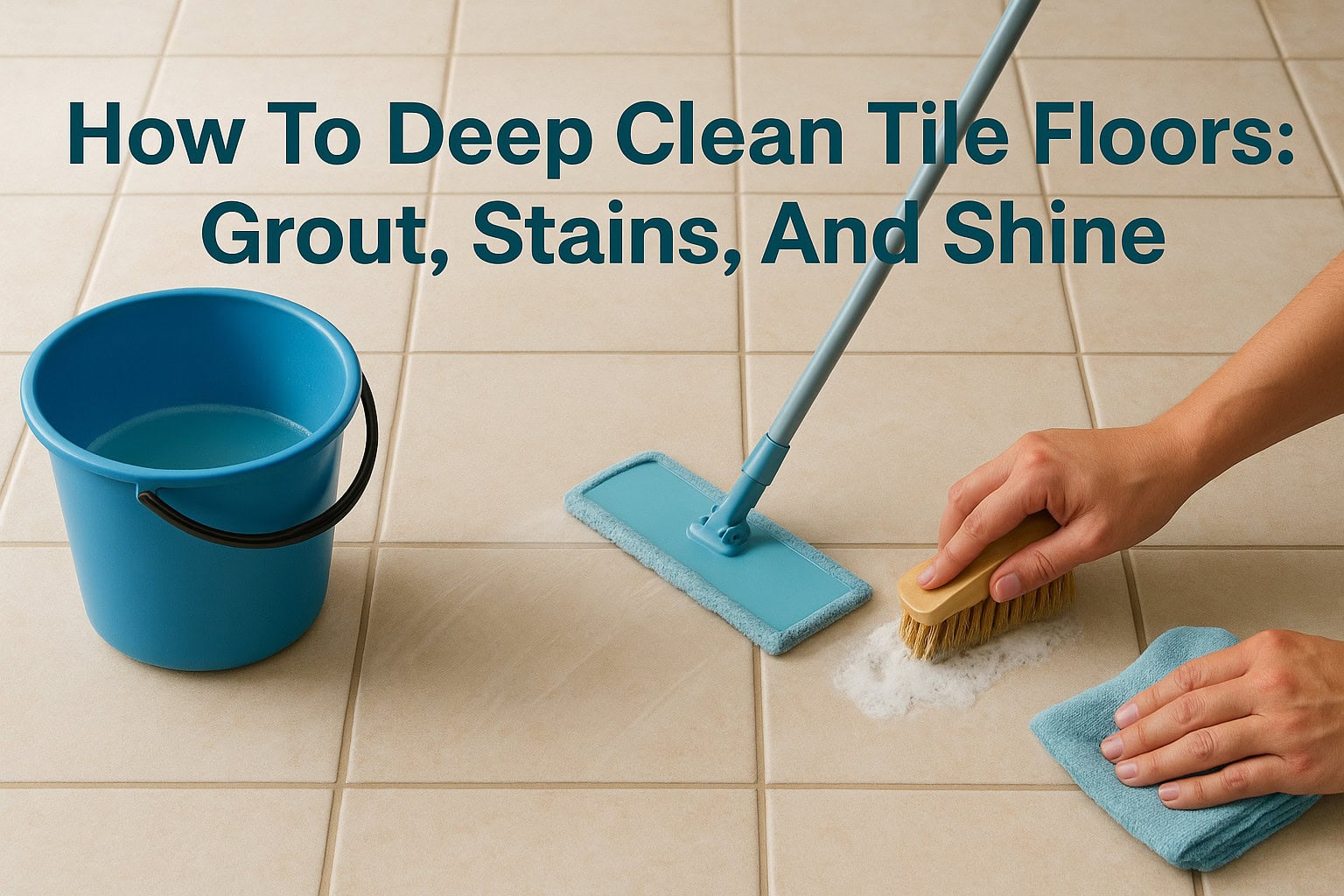
Tile floors are built to last, but even the toughest tile loses its luster when dirt, grime, and stains settle into the surface and grout lines. Regular mopping only does so much, eventually, you need to know how to deep clean tile floors to bring back that original shine. Whether you’re dealing with kitchen grease buildup, dingy bathroom grout, or scuff marks in a high-traffic entryway, a thorough deep clean makes a noticeable difference. At AlphaLux Cleaning, we deep clean tile floors across New York homes and businesses every day. Our team knows which methods actually work on different tile types, and which ones can cause damage. We’ve put together this guide to share what we’ve learned on the job, so you can tackle the project yourself or at least know what to expect from a professional cleaning. This article walks you through everything from choosing the right cleaning solution, including DIY options like vinegar and baking soda, to scrubbing grout, removing stubborn stains, and restoring shine. You’ll get clear, step-by-step instructions that work on ceramic, porcelain, and natural stone tile, plus tips on keeping your floors cleaner longer between deep cleans. What you need before you start Gathering everything before you start saves you from stopping mid-clean to track down a missing tool. Whether you’re learning how to deep clean tile floors for the first time or doing a scheduled seasonal refresh, having the right tools and cleaning solutions on hand makes the whole process faster and far more effective. Cleaning solutions You have two reliable options: DIY mixes or commercial cleaners. For a DIY approach, white vinegar diluted with warm water in a 1:1 ratio works well on ceramic and porcelain tile. Baking soda forms a thick paste for scrubbing grout lines. For heavy staining or deep grout discoloration, an oxygen-based cleaner like OxiClean gives you extra cleaning power without harsh chemical fumes. Never use vinegar or any acidic solution on natural stone tile such as marble or travertine, since acid permanently etches and dulls the surface. Stick to a pH-neutral stone cleaner for natural stone, always choosing a product labeled specifically as stone-safe. Here is a quick reference by tile type: Tile Type Recommended Cleaner Ceramic / Porcelain Diluted white vinegar or all-purpose tile cleaner Natural Stone pH-neutral, stone-safe cleaner only Grout (any tile) Baking soda paste or oxygen-based cleaner Tools and supplies The right tools carry most of the workload. You’ll need a stiff-bristle grout brush for scrubbing between tiles, a microfiber mop for washing and buffing the tile surface, and a bucket for your cleaning solution. Keep a second bucket of plain rinse water on hand as well, so you are not spreading dirty solution back across areas you have already cleaned. A spray bottle also makes it easy to target stubborn spots directly. Also keep dry microfiber cloths ready for buffing and drying after rinsing. Knee pads are worth grabbing too if you are tackling a large floor area, since thorough grout scrubbing puts you close to the ground for a sustained stretch. Step 1. Dry prep and identify your tile Before any water or cleaning solution touches your floor, you need to do two things: remove loose debris and confirm your tile type. Skipping either step leads to muddy residue that gets ground in during scrubbing, or worse, surface damage from the wrong cleaner. This step is where knowing how to deep clean tile floors correctly actually begins. Dry sweep and vacuum Start by dry sweeping or vacuuming the entire floor to pull up loose dirt, hair, and grit. Use a vacuum with a hard-floor setting, or a soft-bristle broom if that is what you have. Pay close attention to corners and grout lines, since fine debris collects there and turns into paste the moment it contacts water. Know your tile type Run your hand across the tile surface. Ceramic and porcelain tiles feel smooth and slightly cool, while natural stone like marble or slate has a more varied, sometimes porous texture. Check the original flooring documentation if you are unsure. Getting the tile type wrong at this stage is the most common reason deep cleaning causes damage rather than fixing it. Once you know what you are working with, you can pick the correct cleaning solution from the table in the previous section and move forward without risk. Step 2. Deep clean the tile surface With your floor prepped and your tile type confirmed, you are ready to apply your cleaning solution and start working. This is the stage where knowing how to deep clean tile floors pays off most visibly, since proper technique prevents streaks, residue, and missed spots that a quick mop-over leaves behind. Apply and scrub Mix your cleaning solution in a bucket according to the ratios from the previous section. Dip your microfiber mop into the solution, wring it out until it is damp but not dripping, and work across the floor in small sections of roughly 3 by 3 feet. Mopping the entire room at once lets the solution dry before you can scrub effectively, which means you end up pushing grime around rather than lifting it. Let the solution sit on each section for two to three minutes before scrubbing so it can loosen surface grime rather than just moving it around. Scrub stubborn spots Use a stiff-bristle brush or a non-scratch scrubbing pad for areas with visible scuff marks or dried residue. Apply steady, moderate pressure and work in small circular motions to lift the deposit without scratching the tile glaze. Step 3. Reset dingy grout and tackle stains Clean tile with discolored grout still looks dirty, so grout lines are where the bulk of this step focuses. This is also where knowing how to deep clean tile floors separates a surface-level clean from a true reset. Scrub the grout lines Apply a thick baking soda paste directly into the grout lines using an old toothbrush or a dedicated grout brush. Let it sit