Post-Construction Cleaning Safety Checklist: The 2026 Guide to a Move-In Ready Space

What if the most significant health risks in your newly renovated home aren’t the power tools or heavy machinery, but the invisible particles left…
Reclaim Your Weekend: The Benefits of a Recurring House Cleaning Service

5 Best Same Day Carpet Cleaning Near Me In New York (2026)

You spilled red wine on your living room carpet, your in-laws just called and they’re coming over tonight, or maybe your landlord scheduled a walkthrough tomorrow morning. Whatever the reason, you need same day carpet cleaning near me results, and you need them fast. The good news? Several professional carpet cleaning services across New York actually deliver on that promise, showing up the same day you call. But not every company that advertises quick turnaround actually follows through. Some cut corners to move fast, while others tack on rush fees that double the price. At AlphaLux Cleaning, we know what separates a genuinely reliable cleaning service from one that just looks good online, because we’ve built our own reputation in New York on showing up when we say we will, every single time. We put together this list of the five best same-day carpet cleaning services in New York for 2026, based on responsiveness, quality of work, and honest pricing. Whether you’re a homeowner on Long Island or managing a commercial space in the city, this guide will help you find a team that can get the job done today. 1. AlphaLux Cleaning AlphaLux Cleaning is a New York-based professional cleaning company that serves both residential and commercial spaces, including Long Island. They built their reputation on reliability and personalized service, which makes them one of the strongest options when you need carpet cleaning done fast without cutting corners. Same-day availability in New York When you search for same day carpet cleaning near me in New York, AlphaLux is one of the few companies that actually confirms your booking quickly. You call or book online, and their team gets back to you with a same-day slot based on your location and crew availability. Long Island residents benefit directly from their local coverage and fast dispatch. Calling directly gives you the fastest confirmation on whether a same-day slot is open in your area. Cleaning approach and what you can request Their technicians use eco-friendly, non-toxic products that are safe around kids and pets, which matters when the job needs to happen inside your home on short notice. You can choose from several service types depending on what your situation calls for: Deep carpet cleaning Move-in and move-out carpet treatment One-time cleaning Recurring weekly or custom schedule cleaning Every staff member is trained, background-checked, and fully insured, so you know exactly who is walking through your door. Pricing expectations and what changes the quote Free estimates come standard, so you know the actual cost before anyone arrives. What drives the final price up or down is mainly carpet square footage, soil level, and the service type you select. A heavily stained move-out carpet will cost more than a routine maintenance clean, and AlphaLux quotes accordingly rather than surprising you with fees after the job. Best fit for AlphaLux suits homeowners and renters across New York who want a vetted, insured professional on short notice. It’s also a practical choice for business owners and office managers who need a reliable crew that works around their schedule without disrupting operations. 2. Stanley Steemer Stanley Steemer is a nationally recognized carpet cleaning chain with locations throughout New York. Their scale and crew availability often make same-day bookings possible, which puts them on the shortlist when you need same day carpet cleaning near me results and want a company with proven operational infrastructure behind them. Same-day availability in New York With multiple New York locations and a dedicated scheduling line, Stanley Steemer gives you a direct way to check open slots for the same day. Availability shifts based on your zip code and what time you call, but their large fleet and crew count gives them more flexibility than most smaller independent companies. Calling their scheduling line in the morning significantly increases your chances of securing a same-day opening. Cleaning method and service add-ons Their technicians use truck-mounted hot water extraction, which pulls deep-set dirt and allergens out of carpet fibers more effectively than portable units. You can add deodorizing, stain protection, or upholstery cleaning to the same appointment if you need more than just the carpet handled. Pricing expectations and what changes the quote Pricing runs by room or square footage, and the final cost shifts based on carpet condition, add-ons selected, and your location within New York. Base rates trend higher than local independents, but their pricing is visible online before you commit. Best fit for Stanley Steemer suits homeowners who want a nationally backed brand with consistent service standards. It works especially well if you value transparent upfront pricing and prefer booking through an established company rather than a local operator. 3. Zerorez Zerorez is a specialty carpet cleaning franchise with locations across the New York area, known for its distinctive cleaning technology and low-residue approach. If chemical sensitivity is a concern in your home, Zerorez is worth checking when you search for same day carpet cleaning near me. Same-day availability in New York Franchise locations serve specific New York zip codes, so same-day availability depends on which location covers your area. Your best move is to call the local franchise directly rather than booking through the national website to confirm whether a crew can reach you today. Cleaning method and residue considerations Their technicians use Zr Water, an electrically treated water solution that cleans without leaving soap or chemical residue behind. This matters because residue-free cleaning means your carpet stays cleaner longer and dries faster than it would after a traditional shampooing job. Faster drying also reduces the chance of mold or mildew developing under the carpet after the cleaning is complete. Pricing expectations and what changes the quote Zerorez prices by room count or square footage, and costs shift based on carpet condition and any add-on treatments you select. Rates typically run mid-to-high range compared to local independents, so get a quote before you commit. Best fit for Zerorez works best for households with allergy-sensitive occupants or anyone who wants
Professional Move Out Cleaning for Military Housing: A Stress-Free PCS Guide

Did you know that military families typically face about $1,900 in unreimbursed expenses during every PCS move? When you’re already physically…
Emergency Cleaning Service: When You Need Help Fast
How To Clean Vinyl Plank Floors Like A Pro, Step-By-Step
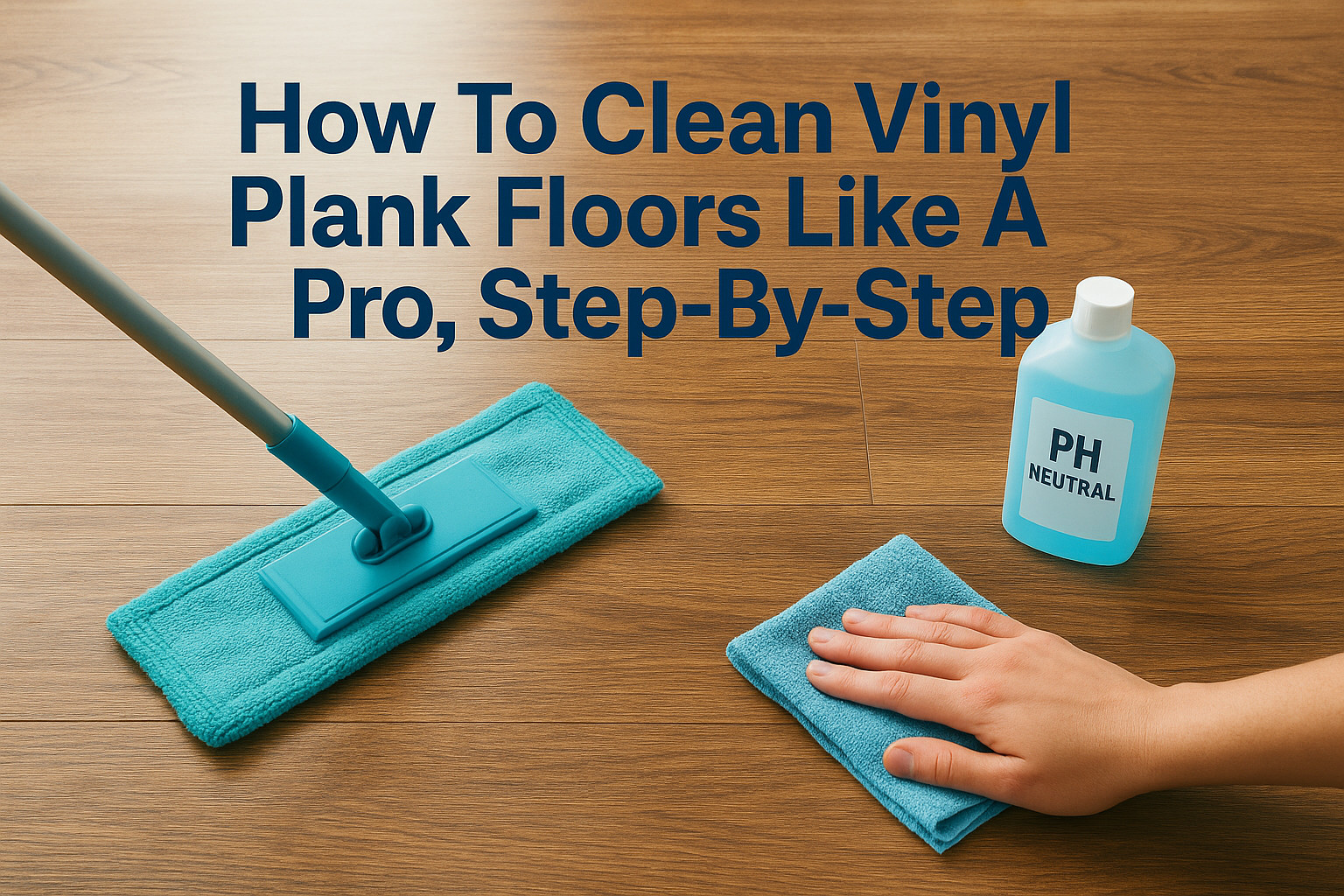
Vinyl plank flooring is one of the most popular choices in New York homes and businesses, and for good reason. It’s durable, water-resistant, and looks great. But even the toughest floors lose their shine without proper care. Knowing how to clean vinyl plank floors the right way keeps them looking new and prevents the kind of damage that shortens their lifespan significantly. The problem is, a lot of common cleaning habits actually do more harm than good. Using the wrong mop, the wrong cleaner, or even too much water can warp planks, dull the finish, or leave behind a sticky residue that attracts dirt. The right approach matters, and it’s simpler than most people think, you just need to know what works and what to skip. At AlphaLux Cleaning, our teams clean vinyl plank floors in homes and offices across New York every single day. We’ve put together this step-by-step guide based on what we actually use and recommend on the job. Below, you’ll find the exact process, tools, cleaning solutions, and mistakes to avoid so you can maintain your floors like a professional between service visits. What to know before you start Before you grab a mop or any cleaning product, you need to understand a few things about vinyl plank flooring specifically. Not all hard floors clean the same way, and the approach that works on hardwood or tile can seriously damage vinyl. Taking two minutes to understand your floor type and gather the right tools will save you from costly, sometimes irreversible mistakes and make the entire process faster and safer. What type of vinyl plank floor do you have? Vinyl plank flooring comes in two main formats, and knowing which one you have changes how carefully you need to work. Luxury vinyl plank (LVP) is thicker and more rigid, while standard vinyl plank tends to be thinner and more sensitive to moisture at the edges and seams. Check your floor’s documentation or look up the brand if you’re unsure. Most modern floors installed in New York homes and offices over the past five years are LVP, but older installations may not be. The key difference that matters for cleaning is the wear layer thickness. LVP with a thicker wear layer (12 mil or above) tolerates scrubbing better than thinner options. Thinner wear layers scratch and dull faster, so you’ll want to use gentler tools and solutions regardless of how dirty the floor looks. Tools and cleaners to have ready Having the right gear assembled before you start makes the whole job straightforward and keeps you from improvising with the wrong products mid-clean. Here’s what you need: Microfiber dust mop or dry mop (not a broom with stiff bristles) Soft-bristle vacuum attachment (no beater bar) Spray mop or flat mop with a microfiber pad pH-neutral floor cleaner labeled safe for vinyl Warm water in a bucket or spray bottle Microfiber cloths for spot treatment Rubbing alcohol for scuff marks Avoid anything abrasive, including steel wool, scrub brushes, or scouring pads. These scratch through the protective wear layer and leave marks you can’t buff out. Keep your kit simple and specifically matched to vinyl, and you’ll avoid most of the common damage people accidentally cause during routine cleaning. What to avoid entirely One of the most common questions people ask when learning how to clean vinyl plank floors is whether they can use the same products they use on other surfaces. The short answer is no. Steam mops, for example, force heat and moisture directly into the seams of the planks, which causes warping and bubbling over time. Even floors labeled as "waterproof" are not designed to handle the sustained heat and pressure that a steam mop delivers. Never use ammonia-based cleaners, wax-based products, or anything marketed for hardwood floors. These strip the protective layer, leave residue, or build up a film that dulls your floor’s finish permanently. "Mop and shine" style products are another frequent mistake. They promise a glossy result but leave behind a waxy buildup that traps dirt and becomes harder to clean with every application. Stick to pH-neutral cleaners and plain warm water, and your floors will stay clear and clean without any residue accumulating over time. Step 1. Remove grit and debris first Dry cleaning your floors before any moisture touches them is the most important step most people skip. When you wet mop over grit, sand, or crumbs, you are essentially dragging abrasive particles across your wear layer with every stroke. Over time, this creates tiny scratches that dull the finish and are impossible to reverse without replacing planks entirely. Always remove loose debris before any wet cleaning, no matter how clean the floor looks at first glance. Why this step protects your floor Vinyl plank flooring has a clear protective wear layer on top that shields the printed design underneath. That layer handles everyday foot traffic well, but it is not immune to fine particles like sand, salt, or gravel tracked in from outside. In New York homes, where sidewalk grit and winter salt get walked in regularly, skipping this step is what separates floors that look great after 15 years from floors that look worn out in five. The damage from grit-under-mop scenarios builds gradually, so you will not notice it after one cleaning. After dozens of cleanings, though, the surface dulls noticeably and no amount of mopping will restore the original finish. This step takes three minutes and prevents a problem you cannot undo. The right way to clear debris You have two reliable options: a microfiber dust mop or a vacuum with a hard floor setting. Both work well, and knowing when to use each one makes a real difference in how to clean vinyl plank floors effectively without causing any wear in the process. Use a microfiber dust mop for quick daily passes. It traps fine dust and pet hair without scratching and takes under three minutes for most rooms. Use a vacuum with a soft
Deep Cleaning Services Prices in Long Island: 2026 Homeowner’s Cost Guide

What if the true value of a professional service isn’t just about the numbers on a quote, but the relief of knowing every corner of your home is…
Porcelain Tile Floors: How To Clean For A Streak-Free Shine
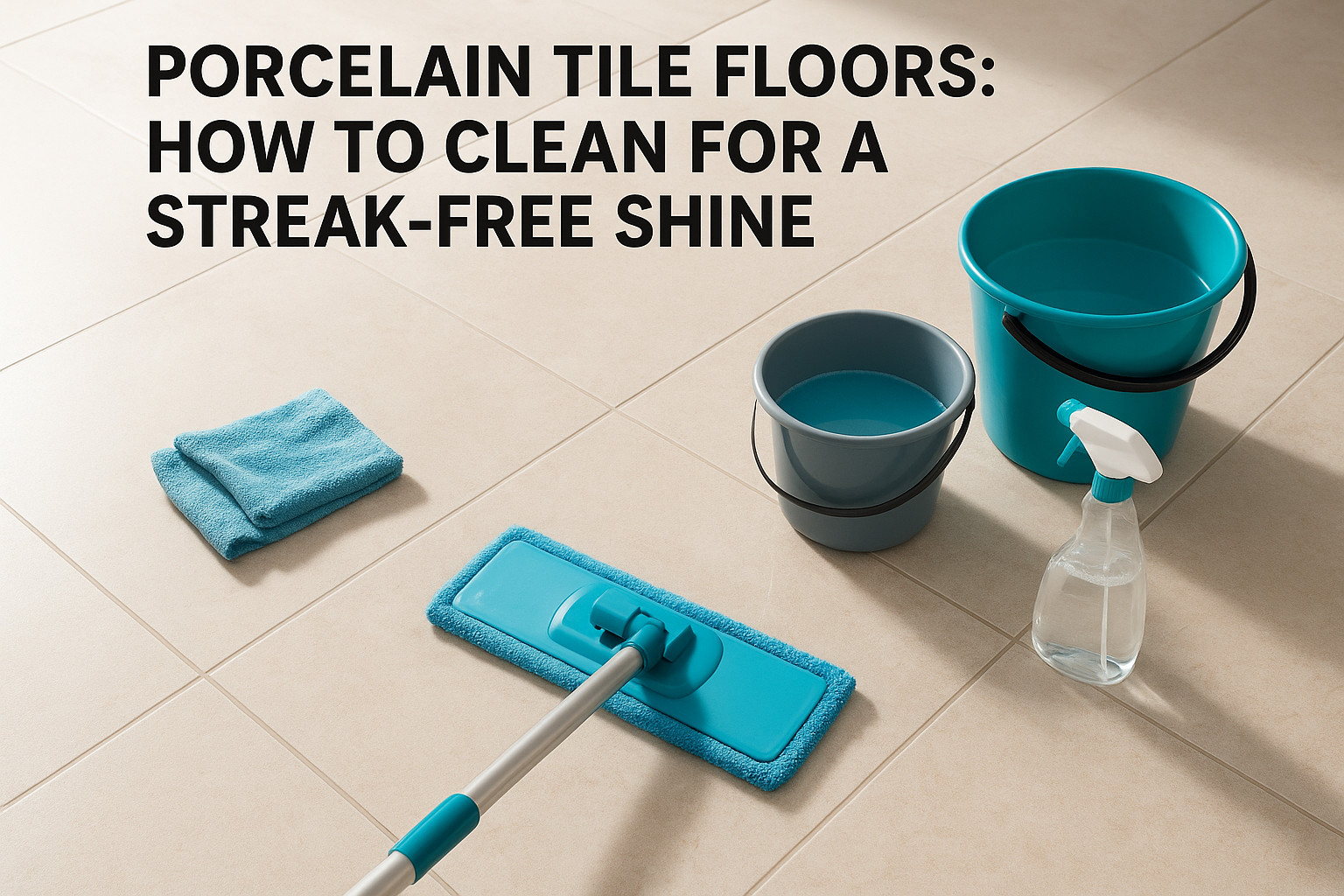
Porcelain tile is one of the most durable flooring options you can install, but even the toughest surfaces lose their luster without proper care. If you’ve noticed dull spots, sticky residue, or streaks that won’t quit, learning how to clean porcelain tile floors the right way makes all the difference. The good news? You don’t need expensive specialty products or hours of scrubbing to get them looking like new. A few simple techniques and the right cleaning solutions can restore that original shine. At AlphaLux Cleaning, we clean porcelain tile floors in homes and businesses across New York every day. Our team knows exactly what works, and what causes more harm than good. We put together this guide to share the same methods our professionals use on the job, so you can maintain your floors between professional cleanings or tackle the task yourself with confidence. Below, you’ll find step-by-step instructions for routine cleaning, deep cleaning, and stain removal, plus tips for achieving a streak-free finish every time. Whether you’re dealing with kitchen grease, bathroom grime, or just everyday foot traffic, this guide has you covered with both DIY and store-bought solutions that actually deliver results. What you need before you start Having the right supplies on hand before you begin makes the entire process faster and more effective. Porcelain tile is dense and non-porous, which means it handles most cleaners well, but the wrong tools (think rough scrubbing pads or steel wool) can scratch the surface and leave permanent marks. Pulling everything together in one spot before you start means you won’t have to stop mid-clean to track down what you’re missing. Cleaning tools The tools you choose directly affect your results when you learn how to clean porcelain tile floors properly. A soft-bristle broom or dry dust mop is your first essential, since loose dirt and grit need to come up before any wet cleaning starts. For mopping, a flat microfiber mop outperforms a traditional string mop because it picks up residue instead of pushing it around, and it leaves far less moisture sitting on the floor. Here’s what to have ready before you start: Soft-bristle broom or dry dust mop Flat microfiber mop with washable pads Two buckets (one for clean solution, one for rinse water) Soft-bristle scrub brush or old toothbrush (for grout lines) Microfiber cloths for drying and spot buffing Spray bottle for targeted stain treatment Cleaning solutions The type of cleaner you use matters just as much as your technique. Harsh chemicals like bleach-based products or highly acidic cleaners can strip grout and dull the tile’s finish over time. For routine cleaning, a pH-neutral floor cleaner is your safest and most effective option, available at most hardware or grocery stores. Avoid using vinegar on porcelain tile on a regular basis. While it cuts through grease, its acidity gradually breaks down grout and can dull polished tile surfaces with repeated use. You can also mix a simple DIY solution using a few drops of dish soap with a gallon of warm water. For isolated tough spots, a paste made from baking soda and water treats stains without damaging the surrounding tile or grout. Keep your chosen solution in a spray bottle or bucket so it’s ready the moment you pick up the mop. Step 1. Dry prep and spot-check the floor Before any water or cleaner touches your floor, dry prep removes the loose debris that would otherwise turn into muddy streaks the moment your mop hits the surface. This first step is the one most people skip when figuring out how to clean porcelain tile floors, and it’s exactly why streaks happen. Spending two to three minutes on dry prep protects your wet cleaning results from start to finish. Sweep or dust mop the entire surface Start at the far end of the room and work toward the door so you’re never walking over areas you’ve already cleared. Use a soft-bristle broom or a dry microfiber dust mop and move in overlapping strokes to capture dust, hair, and grit along the edges and in corners. Grout lines trap fine particles, so run your broom at a slight angle across the floor to dislodge what’s sitting in the gaps before it mixes with your cleaning solution. Skipping this step means dragging grit across wet tile, which can leave micro-scratches on polished porcelain surfaces over time. Spot-check for sticky or dried-on residue After sweeping, walk the floor and look for hardened spills, dried food, or sticky patches that won’t lift with a mop alone. Use a plastic scraper or the edge of a credit card to loosen dried material without scratching the tile. Mark those spots mentally so you can pre-treat them before mopping. Dried food or grease: pre-treat with diluted dish soap Scuff marks: rub with a damp microfiber cloth Sticky residue: apply a small amount of baking soda paste Step 2. Mop for a streak-free everyday clean Once your floor is prepped and dry, wet mopping removes the remaining film of dust, oils, and everyday residue that dry cleaning leaves behind. The technique matters here just as much as the cleaner. Rushing through this step or using too much water is the most common reason people end up with streaks even after a full clean. Mix your solution and prep your mop Fill one bucket with warm water and your chosen pH-neutral cleaner mixed according to the package directions, and keep the second bucket filled with plain clean water for rinsing your mop pad between passes. Wring your microfiber mop pad until it’s damp but not dripping, since excess water pools in grout lines and leaves behind a hazy residue once it dries. A mop that’s too wet is the single biggest cause of streaks when learning how to clean porcelain tile floors. Mop in sections using the two-bucket method Work in small sections of about four to six square feet, moving the mop in a figure-eight or overlapping S-pattern to lift dirt rather
Is a Professional Cleaning Service Worth It? Calculating the Real ROI in 2026

Your weekend isn’t just a line item on a budget; it’s the most expensive asset you own. When you spend your Saturday scrubbing baseboards, you’re trading hours of rest for labor, leading many homeowners to ask: is a professional cleaning service worth it in 2026? It’s natural to feel a sense of “cleaning guilt” when the house isn’t perfect, yet the thought of spending your limited free time on chores feels like a secondary job. You likely want a pristine home, but the inconsistent results of DIY efforts often leave you feeling more drained than satisfied. You’ll discover how to evaluate the true value of professional cleaning by weighing time, health, and mental clarity against the actual cost of service. We’ll move beyond the surface level to look at the real return on investment for your lifestyle and your peace of mind. This guide breaks down the latest market trends and psychological benefits to help you decide if reclaiming your time is the smartest investment you can make this year. Key Takeaways Learn how to calculate the true opportunity cost of DIY chores to see how reclaiming your time enhances your professional and personal productivity. Understand how specialized equipment, like HEPA vacuums and micro-fiber technology, creates a healthier indoor environment that standard tools can’t match. Evaluate the financial impact of home preservation to determine if a professional cleaning service is worth it for protecting your property’s long-term value. Identify high-stakes situations, including post-construction or vacation rental transitions, where meticulous professional standards are a non-negotiable requirement. Discover the quiet satisfaction of a tailored cleaning plan that evolves with your lifestyle to provide lasting mental clarity and comfort. Table of Contents Evaluating the Hidden Costs of DIY Cleaning vs. Professional Services The Professional Difference: Why Specialized Equipment and Expertise Matter Calculating the Financial ROI: Is the Price Tag Justified? Strategic Cleaning: When to DIY and When to Call the Pros The AlphaLux Experience: Elevating the Standard of Clean in New York Evaluating the Hidden Costs of DIY Cleaning vs. Professional Services Defining whether a service is “worth it” requires a shift in perspective. It isn’t merely a calculation of dollars spent against a dust-free shelf. True value is found at the intersection of your time, your physical energy, and the quality of the final result. When homeowners ask if is a professional cleaning service worth it, they’re often actually asking if their own time is worth protecting. Many people view household chores as a cost-free activity, but this ignores the heavy “weekend tax” that many professionals pay. If you spend your Saturday morning scrubbing tile instead of resting, you’re paying for that cleanliness with your only opportunity to recover from the work week. The mental load of an unfinished to-do list creates a persistent background stress that many don’t realize they’re carrying until it’s gone. There are documented advantages of a maid service that extend beyond the aesthetic, primarily centered on the preservation of your mental and physical health. By delegating these tasks, you eliminate the chronic guilt of “getting around to it” and replace it with the relief of a consistently maintained environment. The Opportunity Cost of Your Time To find the real ROI, you must calculate your personal hourly value. For a New York professional, four to six hours of reclaimed time each week is a significant asset. An afternoon of uninterrupted focus can lead to career progress, creative pursuits, or deep family connection. If your professional rate exceeds the cost of a cleaning visit, you’re essentially losing money by doing the work yourself. Shifting from a “task-doer” to a “household manager” allows you to direct your expertise where it matters most. It’s a strategic move that treats your home as a high-functioning environment rather than a source of constant labor. The Physical and Mental Energy Drain Cleaning is physically demanding work. Deep scrubbing, heavy lifting, and repetitive motions cause fatigue that lingers long after the floors are dry. This exhaustion often bleeds into your professional life or social interactions. Beyond the physical toll, the mental energy required to track chores is immense. Decision fatigue is the psychological exhaustion that occurs when the endless cycle of micro-choices regarding cleaning supplies, schedules, and missed spots drains your cognitive reserves. Delegation provides the quiet satisfaction of knowing the details are handled by experts. It allows you to return to a space that restores you rather than one that demands more of your energy. The Professional Difference: Why Specialized Equipment and Expertise Matter While the emotional relief of a clean home is immediate, the technical superiority of a professional visit provides a deeper, more lasting value. When you evaluate whether is a professional cleaning service worth it, the conversation must move beyond the visible results to the technical standards of the work performed. A professional craft involves more than just a broom and a bucket; it’s a meticulous application of specialized tools and chemical knowledge. Most retail cleaning tools are designed for light, surface-level maintenance. In contrast, professional-grade equipment, such as industrial steamers and advanced microfiber technology, is engineered to lift and remove deeply embedded grime that standard household tools simply cannot reach. Expertise also extends to the chemistry of the products used. Many high-end New York residences feature delicate materials like Carrara marble, slate, or century-old hardwood. Using a generic, acidic cleaner on these surfaces can cause permanent etching or warping. A professional understands the necessity of pH-balanced solutions tailored to specific materials. This level of precision ensures that your home’s most valuable assets are preserved rather than damaged. Adhering to professional cleaning safety standards ensures that every surface is treated with the appropriate level of care and hygiene, protecting both the home and the people within it. Consistency is another factor that separates a professional service from DIY efforts. Personal cleaning is often reactive and “spot-based,” focusing only on the most obvious messes. A professional approach is proactive and checklist-driven. This systematic method ensures that every corner, from the top
Short Term Rental Cleaning Service: 6 Top Options (2026)
A single bad review about cleanliness can tank your Airbnb listing’s momentum overnight. For short term rental hosts, the gap between a five-star review and a one-star complaint often comes down to one thing: how well the space is cleaned between guests. Finding a reliable short term rental cleaning service isn’t just a convenience, it’s one of the most important operational decisions you’ll make as a host. At AlphaLux Cleaning, we handle turnover cleaning for rental properties across New York, so we understand exactly what hosts need: speed, consistency, and attention to every detail guests notice. That hands-on experience also means we know what separates a great cleaning partner from one that costs you bookings. Whether you manage one unit or a dozen, this guide breaks down six top cleaning service options for 2026, including national platforms, local providers, and tech-driven solutions. We’ll cover what each one offers, where they operate, and what to watch out for, so you can pick the right fit for your rental business without the guesswork. 1. AlphaLux Cleaning AlphaLux Cleaning is a professional cleaning company based in New York, serving residential and commercial properties with a focus on consistency and reliability. For short-term rental hosts, that focus translates directly into thorough, dependable turnover service that protects your listing’s reputation. What AlphaLux Cleaning does for short-term rentals The team delivers a complete short term rental cleaning service built around what guests actually notice. Every turnover follows a structured process with no steps skipped, covering: Full kitchen and bathroom sanitization Linen stripping and bed refreshing High-touch surface disinfection throughout the unit Hosts who follow a consistent cleaning process between guests earn more repeat bookings and fewer complaints. Where AlphaLux Cleaning operates AlphaLux serves rental properties throughout New York State, with strong coverage across Long Island and surrounding areas. Local crews know the region well and can accommodate tight turnover windows when back-to-back bookings compress your cleaning schedule. Your property stays in capable hands whether you manage a single apartment or multiple units across the state. Who should choose AlphaLux Cleaning AlphaLux is the right fit for hosts who want a vetted, insured, and background-checked team rather than an unknown cleaner from a marketplace. You get a dedicated professional service that treats your rental property with the same standard every visit. Hosts who prioritize eco-friendly, non-toxic cleaning products also benefit, since AlphaLux uses safe, effective solutions that protect both guests and the property itself. How pricing and estimates work AlphaLux offers free estimates, so you understand the full cost before committing. Pricing depends on property size and the type of service you need. The team builds a customized cleaning plan around your schedule, whether that means regular weekly turnovers, one-time deep cleans, or move-in and move-out cleanings when tenants change over. 2. Turno Turno is a technology-driven platform that connects short-term rental hosts with local cleaners through automated scheduling and turnover coordination tools. It’s designed specifically for hosts who want to manage their cleaning operations through a single dashboard rather than coordinating manually. How Turno handles scheduling and turnovers The platform syncs directly with your Airbnb or VRBO calendar, automatically triggering cleaning jobs when a checkout is detected. Your assigned cleaner gets notified without any manual input from you. Automated scheduling reduces the risk of missed turnovers when back-to-back bookings shift at the last minute. Cleaner marketplace and vetting basics Turno operates as a marketplace where independent cleaners list their short term rental cleaning service and hosts select from available options in their area. The platform provides ratings and reviews for each cleaner, but background check standards vary by individual provider rather than being enforced platform-wide. Who should use Turno This tool works best for tech-savvy hosts managing multiple properties who want automation built into their workflow. If you’re comfortable vetting individual cleaners yourself using reviews and platform ratings, Turno gives you strong operational control over your turnover process. How pricing and payments work Cleaners on Turno set their own rates, so pricing varies significantly by market and provider. Payments are handled through the platform, and you can negotiate custom rates directly with your assigned cleaner. 3. Merry Maids Merry Maids is a nationally recognized cleaning franchise with locations across the United States, including parts of New York. Their standardized processes make them a familiar option for hosts who want a professional service with a verifiable track record. What Merry Maids covers for vacation rentals Merry Maids offers standard residential cleaning that applies directly to vacation rental properties. Their teams work through a structured process covering the areas guests notice most: Full kitchen and bathroom cleaning Bedroom and living area refreshing High-touch surface wiping throughout the unit How to get consistent results across visits The franchise model means each local Merry Maids location operates under shared brand standards, giving you a predictable baseline of quality. Requesting the same team for each visit is the most effective way to build familiarity with your property’s specific layout and requirements. Consistent cleaner assignments reduce the chance of small but guest-noticeable details being missed during a tight turnover window. Who should consider Merry Maids Hosts looking for a well-known, established brand rather than an independent cleaner may appreciate Merry Maids’ accountability structure. They work best for hosts with standard residential units who need reliable recurring service rather than a specialized short term rental cleaning service built around STR-specific workflows. How pricing and estimates work Merry Maids provides custom quotes based on your property size and cleaning frequency. You can contact your local franchise location directly to discuss your rental’s schedule and specific requirements. 4. Vacay Clean AZ Vacay Clean AZ is a short term rental cleaning service based in Arizona, built specifically around the needs of vacation rental hosts. Their focus on STR-specific workflows sets them apart from general residential cleaning companies operating in the same market. What Vacay Clean AZ offers beyond standard cleaning Beyond basic surface cleaning, the team includes consumable restocking and property inspection checks as standard