Best Home Cleaning Service: How To Choose And What To Expect
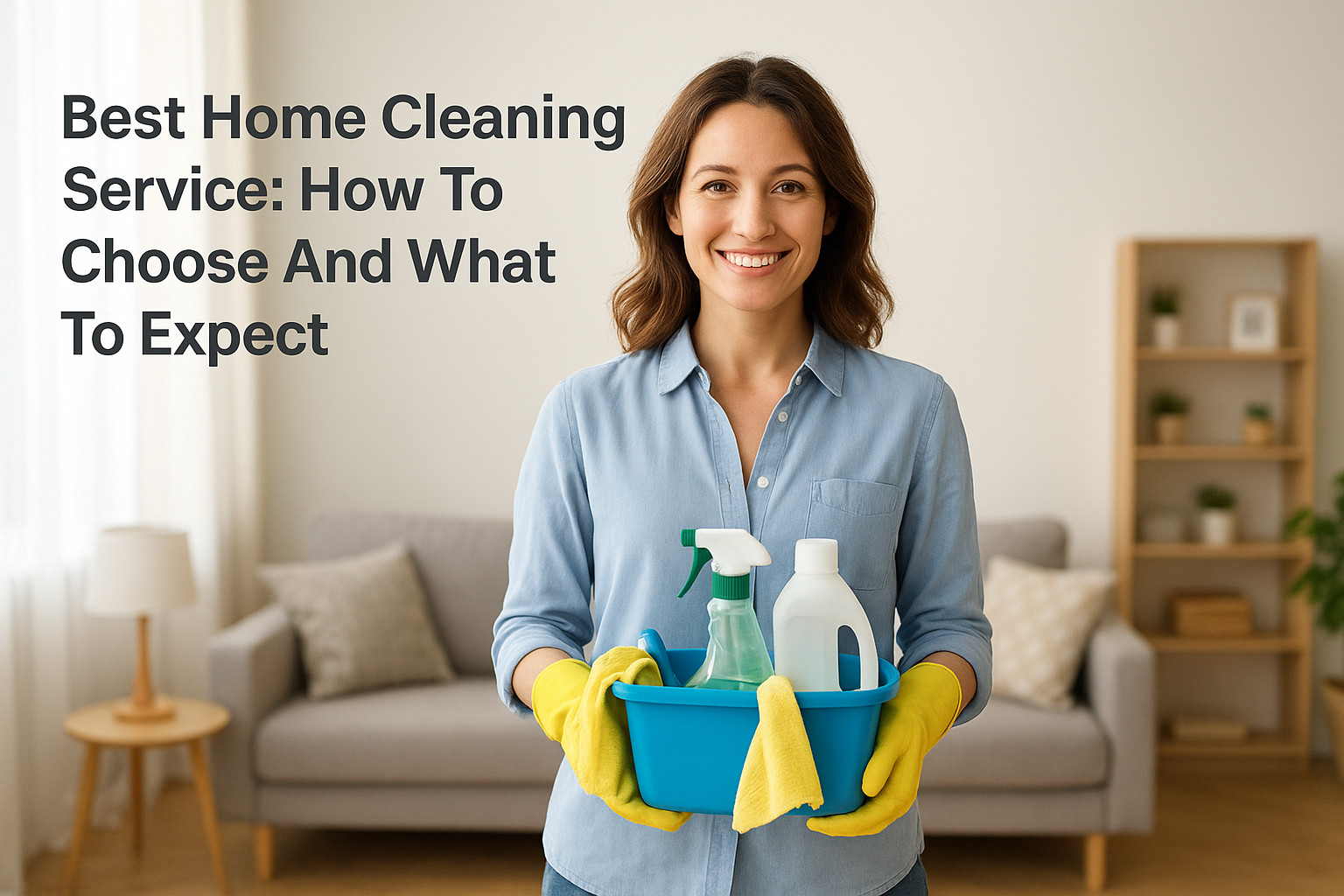
You have finally decided to stop scrubbing floors on your one day off and hire a cleaning service home professionals actually trust. Then you open Google and hit a wall of options, all promising five-star results, and none of them telling you what a fair price actually looks like or what questions separate a real company from a guy with a mop and a website. This guide cuts through that noise. You will learn exactly what to check before you book anyone, from insurance and background checks to how cleaning companies structure their pricing, so you are not guessing when a quote lands in your inbox. We also cover what a legitimate first visit should look like, since that first appointment tells you more about a company than any review ever will. We put this together from what we see every week at AlphaLux Cleaning, working across New York homes with different layouts, pets, and cleaning needs. You will get a clear breakdown of service types, like weekly upkeep versus deep cleans, plus the red flags that signal you should keep looking before handing anyone your house keys. 1. AlphaLux Cleaning If you want a home cleaning service that treats your house like it matters, AlphaLux Cleaning is built around that idea. We operate across New York state, serving both homes and businesses, and every plan starts with a conversation about what actually bothers you about your space, not a generic checklist pulled from a franchise manual. How it works You start with a free estimate, either online or over the phone, where we ask about your home’s size, pets, and cleaning priorities. From there, we build a personalized cleaning plan, whether that’s weekly upkeep, a one-time deep clean, or a move-out job. Booking happens through our online system, so you can schedule, adjust, or add services without playing phone tag. Who it’s best for AlphaLux fits homeowners who want consistency without micromanaging, and businesses that need a reliable partner for office spaces. It also works well for people sensitive to harsh chemicals, since we use eco-friendly, non-toxic products throughout every job. If you’ve been burned before by cleaners who show up late or skip rooms, this is the alternative you’re looking for. A cleaning service is only as good as the people you let into your home, and that’s why every AlphaLux cleaner is background-checked and insured before they ever touch a mop. Average pricing Pricing depends on square footage, condition, and frequency, but here’s a general starting range: Service type Typical starting price Standard recurring clean $120-$180 per visit Deep clean $200-$350 Move-in/move-out clean $250-$400 You get an exact number after your free estimate, not a surprise on invoice day. What to expect on cleaning day Expect a fully insured team to arrive on time, walk through any special instructions with you, and get to work with equipment and eco-friendly supplies already stocked. We check in before leaving so you can flag anything missed on the spot. No hidden fees, no rushed corners, just a home that actually feels ready to live in again. 2. National cleaning franchises Big-name franchises like the ones you see on TV trucks operate in nearly every zip code, and that scale is their main selling point. You trade some of the personal touch for brand recognition and standardized processes that don’t vary much whether you’re in Buffalo or Brooklyn. How it works Most franchises assign a local branch to your address, and that branch hires and trains its own crews under the parent company’s rules. You book through a central website or call center, but the actual cleaners are often independent operators licensed to use the brand name, which means quality can shift depending on which location you land in. Who it’s best for These work well for people who prioritize brand familiarity over relationship-based service, or who move often and want a name they recognize in a new city. If you don’t mind less flexibility in scheduling, a franchise can be a reasonable fallback option. Brand recognition doesn’t guarantee the crew at your door cares about your home the same way a locally rooted company does. Average pricing Expect $150 to $250 per visit for a standard clean, often with add-on fees for extras like inside-oven or fridge cleaning that competitors bundle in. What to expect on cleaning day A rotating crew, standardized checklists, and limited room for customized instructions beyond what the intake form allows. 3. Local independent house cleaners Search "cleaning service home" in any neighborhood Facebook group and you’ll find a handful of solo cleaners or small two-person teams who’ve built a client list through word of mouth. These are individuals or tiny operations without a corporate name attached, often the most affordable option on this list. How it works Booking usually happens through a direct phone call or text, not an app or online form. You negotiate pricing, schedule, and scope directly with the person doing the work, which means less paperwork but also less structure if something goes wrong. Who it’s best for This route suits homeowners who already have a trusted referral from a friend or neighbor and want a familiar face in their home every time. It’s a poor fit if you need proof of insurance for liability reasons, since many independents operate without formal coverage. Skipping insurance verification to save a few dollars can cost you far more if something breaks or someone gets hurt on the job. Average pricing Expect $25 to $40 per hour, often with a two or three-hour minimum, paid in cash or through a payment app. What to expect on cleaning day One person, your own supplies in many cases, and a cleaning style shaped entirely by that individual’s habits rather than a documented checklist. 4. Online cleaning marketplaces and apps Apps like the ones you download for rides or groceries now exist for booking a cleaning service home visits through a few taps on your phone.
Eco-Friendly Commercial Cleaning: Long Island 2026 Guide

In 2026, a visually clean office is no longer the gold standard for professional excellence; it is merely the bare minimum. Your workspace should be…
Price Of Deep Cleaning A House: What You’ll Pay In 2026
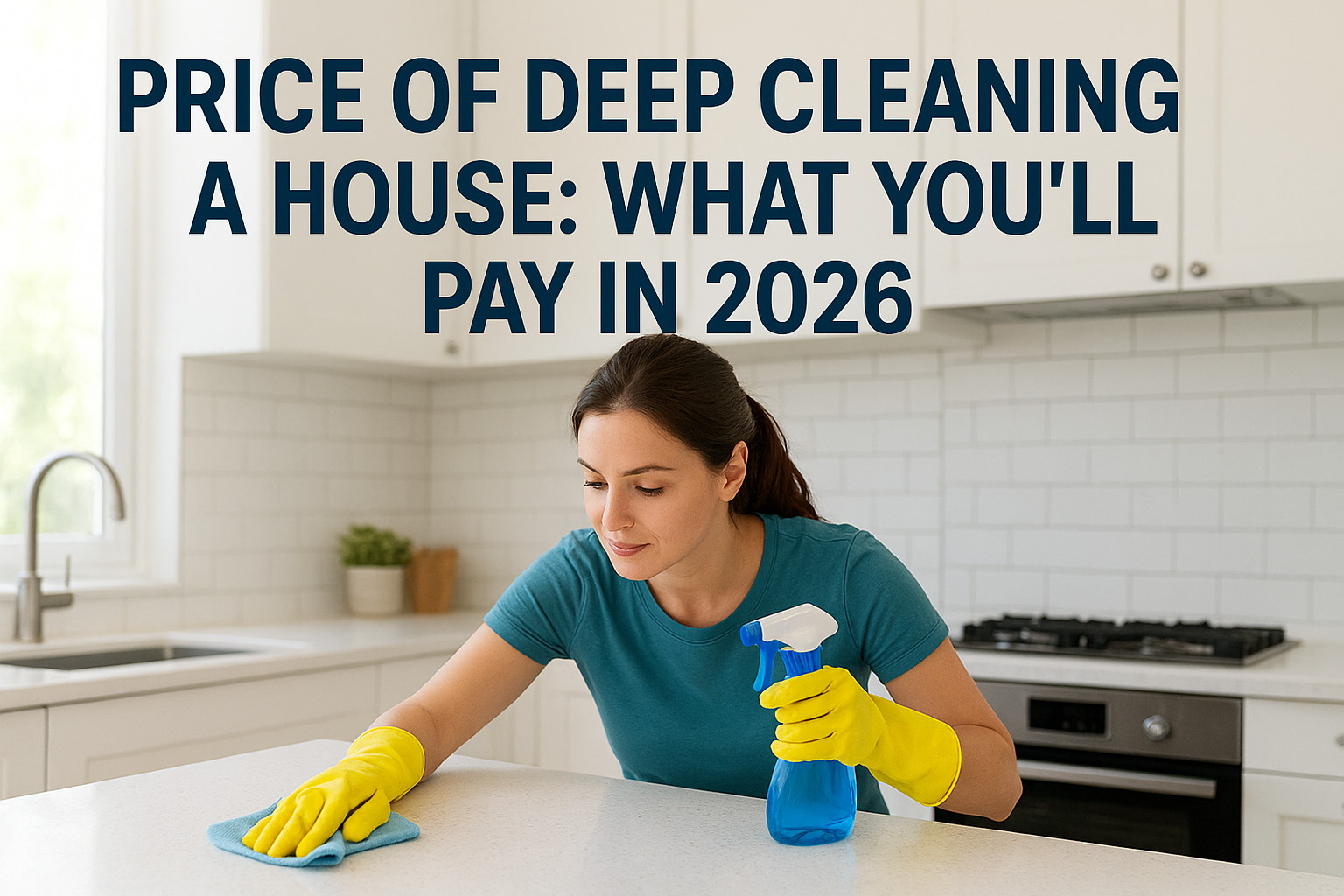
You know your house needs more than a quick wipe-down, but you have no idea what a fair price actually looks like until you start getting quotes that swing from $150 to $800 for what sounds like the same job. The price of deep cleaning house work depends on more variables than most homeowners expect, and that gap between quotes usually comes down to square footage, condition, and what’s actually included in the scope. Most homeowners in New York pay somewhere between $200 and $450 for a standard deep clean, though larger homes, heavy buildup, or add-ons like inside-oven or baseboard detailing push that number higher. The real answer depends on your specific space, so we’ll walk through exact pricing factors rather than throwing out one generic figure. Below, we break down average costs by home size, what drives prices up or down, and how to spot a quote that’s either overpriced or too good to be true. We’ll also cover how AlphaLux Cleaning structures pricing for New York homes, so you can compare your estimates against real numbers before you book anyone. Why deep cleaning prices vary so much Square footage sets the floor for any quote, but it’s rarely the reason two houses of the same size land $200 apart. Home condition does most of the heavy lifting here. A 1,500-square-foot house that’s been cleaned weekly for years takes a fraction of the labor that the same house needs after six months of neglect, pet hair buildup, or a renovation that left dust in every vent. Cleaners price for time and effort, not just size, so a cluttered, grime-heavy space almost always costs more than a tidy one of identical dimensions. Scope of work changes the math What counts as "deep cleaning" isn’t standardized across the industry, and that’s where a lot of sticker shock comes from. Some companies quote a base price that covers wiping surfaces, vacuuming, and bathroom scrubbing, then charge extra for anything beyond that. Others bundle everything into one number. Ask specifically what’s included before you compare two quotes side by side, because a $250 estimate with baseboards and window tracks included beats a $200 estimate that excludes them. The biggest driver of price swings isn’t the size of your house, it’s how much labor your home’s current condition demands. Factor Low-cost scenario High-cost scenario Home condition Regularly maintained Months of buildup, heavy grime Add-ons Standard rooms only Inside oven, fridge, baseboards, blinds Pets None Multiple pets, heavy shedding Clutter Minimal, easy access Dense clutter slowing access to surfaces Team size 1-2 cleaners, longer visit 3+ cleaners for faster turnaround Location and labor costs matter too Geographic pricing plays a bigger role than most homeowners realize. Cleaning rates in Manhattan or Nassau County run higher than in more rural parts of upstate New York, largely because of labor costs, insurance requirements, and local demand. Insured, background-checked crews cost more to employ than informal, uninsured help, and that difference shows up in your quote. It’s worth paying it, though. An insured company covers you if something breaks or someone gets hurt on your property, which an unlicensed cleaner typically won’t. Products and equipment shift the number Quality of materials also factors into the price. Companies using eco-friendly, non-toxic products sometimes charge slightly more than those using generic bulk chemicals, mainly because those products cost more per unit and often require more elbow grease to get the same shine. If you have kids, pets, allergies, or just prefer not to breathe in harsh fumes, that markup buys you a healthier home environment, not just a clean one. Frequency changes your rate Finally, how often you book service affects your per-visit price. A one-time deep clean almost always costs more than the same scope performed as part of a recurring weekly or biweekly plan, because recurring clients let companies schedule more efficiently and skip re-establishing baseline cleanliness every visit. If you’re deep cleaning because you’re catching up after a busy season, ask about switching to a maintenance schedule afterward. Many companies, including AlphaLux, offer discounted rates for clients who commit to ongoing service rather than booking single visits, since the second deep clean is almost never as intense as the first. How to estimate your deep cleaning cost Getting a realistic number before you call anyone saves you from sticker shock later. Start by measuring your square footage, then walk through each room and note anything that looks like it needs extra attention: greasy stovetops, grimy grout, or windows that haven’t been touched in a year. This quick self-audit gives you a starting point that matches how most cleaning companies actually price jobs, since they’re estimating labor hours, not just floor space. Use a simple checklist before you call Running through your home with a checklist keeps you from underestimating the scope, which is the most common reason quotes come back higher than expected. Count bedrooms and bathrooms separately, since bathrooms take longer per square foot Note any pet hair, mold, or heavy dust buildup Check if you want inside-oven or inside-fridge cleaning included Flag areas with clutter that might slow down access Decide if baseboards, blinds, and window tracks matter to you A five-minute walkthrough before you call gets you a far more accurate quote than guessing based on square footage alone. Compare at least three quotes Getting multiple estimates matters more for deep cleaning than for standard cleaning, because the price range is wider and the scope definitions vary company to company. Call three local providers, describe your home the same way each time, and ask them to itemize what’s included. If one quote is dramatically lower, ask directly whether it covers the same tasks as the others. A vague answer is a red flag. Ask for a free estimate based on your actual home Numbers on a website are only a starting point. AlphaLux Cleaning offers free estimates because photos or a quick phone description of your space almost always beats a flat
Premium Office Cleaning Service in New York: The 2026 Business Guide

The physical state of your office is a direct reflection of your company’s values, yet many New York firms still settle for cleaning services that…
The Hidden Cost of Dirty Workspaces: How Commercial Cleaning Boosts Employee Productivity
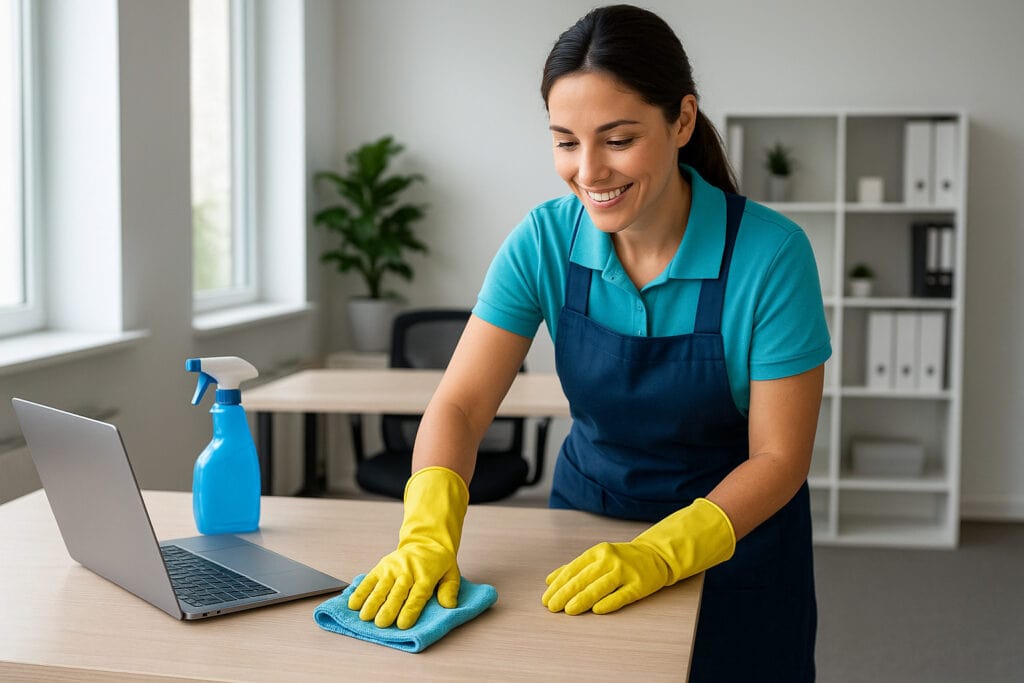
Is It Time for a Professional Cleaning Service? Tips for Homeowners in Amityville, Babylon & Across Long Island

Best Move-Out Cleaning Service Near Me: How To Choose
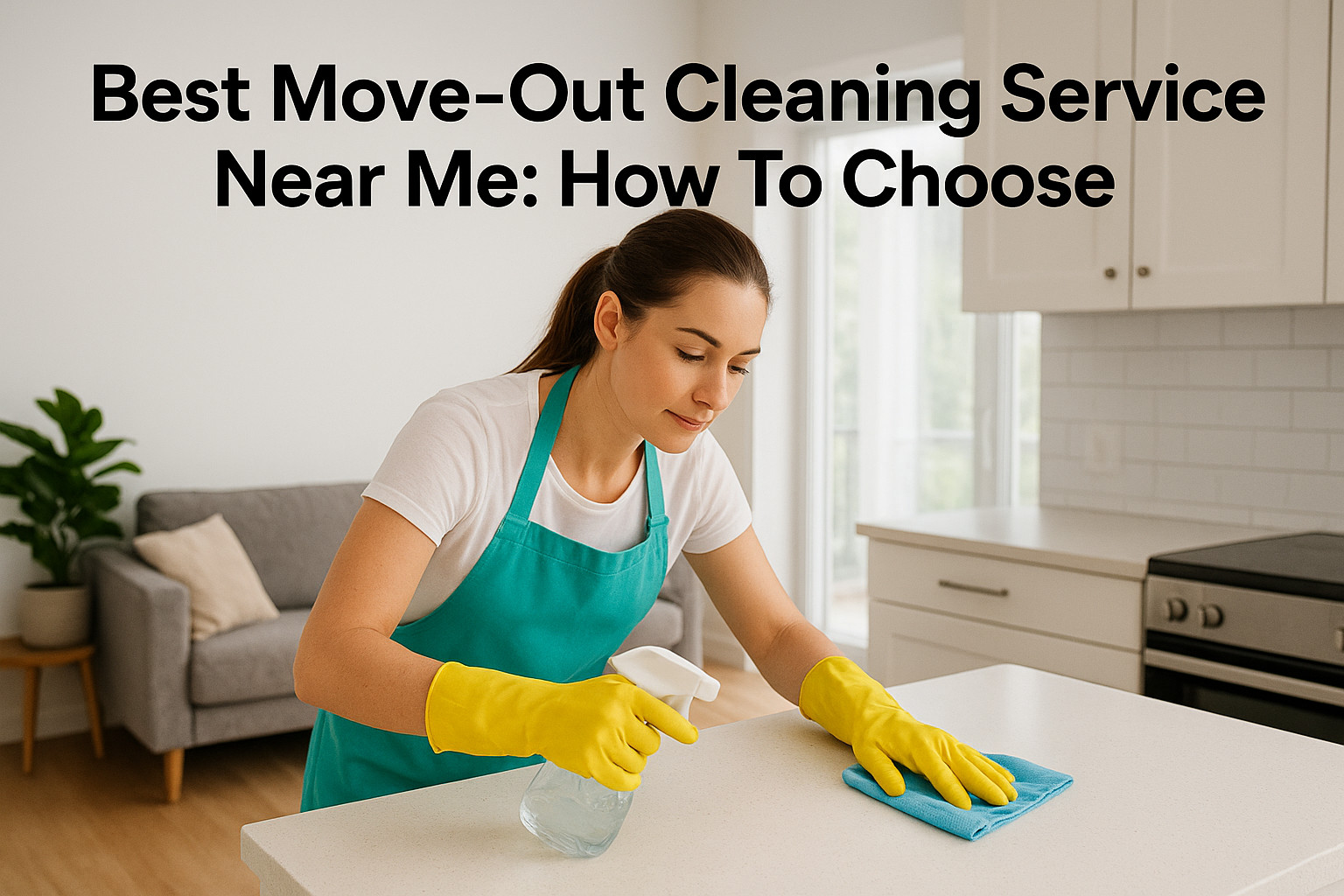
You are staring down a move-out date, a lease that demands the place look untouched, and a to-do list that already feels too long to finish. Searching for the best move out cleaning service near me is the fastest way to cross one big worry off that list, but not every company that shows up in your results deserves your trust or your security deposit. This guide walks you through exactly how to separate a solid local cleaning crew from one that will leave streaks on your windows and grime in the grout. You will learn what licensing and insurance actually protect you from, which cleaning checklist items matter most to landlords and new buyers, and how pricing structures differ between flat rates and hourly billing. We will also cover red flags in reviews, questions to ask before booking, and why eco-friendly products matter if you or the next occupant have allergies or small kids. By the end, you will know precisely what to look for so your final walkthrough goes smoothly and your deposit lands back in your pocket. 1. AlphaLux Cleaning If you’re moving out of a home or apartment anywhere in New York State, AlphaLux Cleaning deserves the top spot on your shortlist. The company built its reputation specifically around the kind of detail-heavy work that move-out cleaning demands, not the quick surface tidy-up you’d book for a weekly refresh. That distinction matters because a landlord doing a final walkthrough checks places a regular cleaning crew often skips. What it offers AlphaLux runs a dedicated move-in and move-out cleaning service that goes far beyond wiping counters and vacuuming carpets. Crews clean inside cabinets and drawers, behind and underneath appliances, inside the oven and refrigerator, baseboards, window tracks, and light fixtures. Every job uses eco-friendly, non-toxic cleaning products, which matters if the next tenant has kids, pets, or allergies, or if you simply don’t want to leave chemical residue behind for a new buyer. The team also offers personalized cleaning plans, so if your lease has unusual requirements (like a specific carpet-cleaning clause or an inspection checklist from a property manager), you can build that into the service before the crew ever shows up. Who it’s best for This service fits renters and homeowners who need a guaranteed, thorough clean tied to a hard deadline like a lease end date or closing date. It also works well for landlords and property managers who need units turned around fast between tenants. If you’re juggling packing, movers, and address changes all in the same week, handing off the cleaning to a fully insured, background-checked crew removes one major stressor instead of adding to it. A move-out clean only protects your deposit if it covers the spots your landlord actually inspects, not just the ones you can see from the doorway. Typical pricing AlphaLux offers free estimates, and pricing depends on square footage, the number of bedrooms and bathrooms, and how much detail work the space needs (a heavily used kitchen with baked-on grease costs more time than a lightly lived-in studio). For budgeting purposes, here’s roughly how move-out cleans tend to scale by home size across the New York market: Home size Typical price range Studio / 1 bedroom $150 – $250 2 bedrooms $220 – $350 3 bedrooms $300 – $450 4+ bedrooms $400 – $600+ These ranges shift based on add-ons like inside-oven detailing, carpet shampooing, or window washing. Because you get a free estimate before committing, you can compare the quote against your deposit amount and decide if the peace of mind is worth the cost, which it almost always is when you consider what’s at stake if a landlord withholds a few hundred dollars over a dirty stove. What to check before you book Before you lock in any appointment, confirm the essentials so there are no surprises on cleaning day. Run through this checklist: Booking method: Confirm you can book online and get written confirmation of the date, time, and scope of work. Scope of the clean: Ask specifically whether the quote includes inside appliances, baseboards, window tracks, and cabinet interiors, since these are the items landlords check most closely. Insurance and background checks: Verify the crew is insured and background-checked, especially if you won’t be present during the clean. Products used: If you or the next occupant have sensitivities, ask which eco-friendly products will be used and whether you can request unscented options. Timing flexibility: Move dates shift constantly. Confirm the company can accommodate a same-week reschedule if your closing or lease date moves. Satisfaction guarantee: Ask what happens if your landlord flags an issue after the crew leaves. A reputable company will address it rather than shrug it off. Getting straight answers to these questions before you pay a deposit tells you a lot about how the company operates. You can start that process directly by requesting a free estimate from AlphaLux Cleaning and comparing the scope of work against whatever move-out checklist your lease or closing agreement requires. 2. Local independent cleaning companies Outside of dedicated services like AlphaLux, most towns and neighborhoods have a handful of small, independently owned cleaning businesses that have been operating for years without much marketing beyond word of mouth. These are the crews your neighbor recommends or the ones with a stack of laminated business cards at the local hardware store. They’re worth considering when searching for the best move out cleaning service near me, especially if you want someone who knows your specific building type or neighborhood housing stock. What it offers Independent operators typically offer general house cleaning with move-out cleaning as an add-on service rather than their core specialty. Some owners have run their business for a decade and built genuine expertise in local housing stock, whether that’s prewar apartment buildings with old radiators or suburban homes with finished basements. Others are one or two people cleaning part-time, which means scheduling can be tighter and services less standardized. You’ll often find these
Deep Cleaning Long Island: Ultimate 2026 Guide

What if the very things we love most about life on Long Island, the refreshing salt air and our vibrant changing seasons, are actually the silent…
10 Best Carpet Cleaning Services In Brooklyn, NY
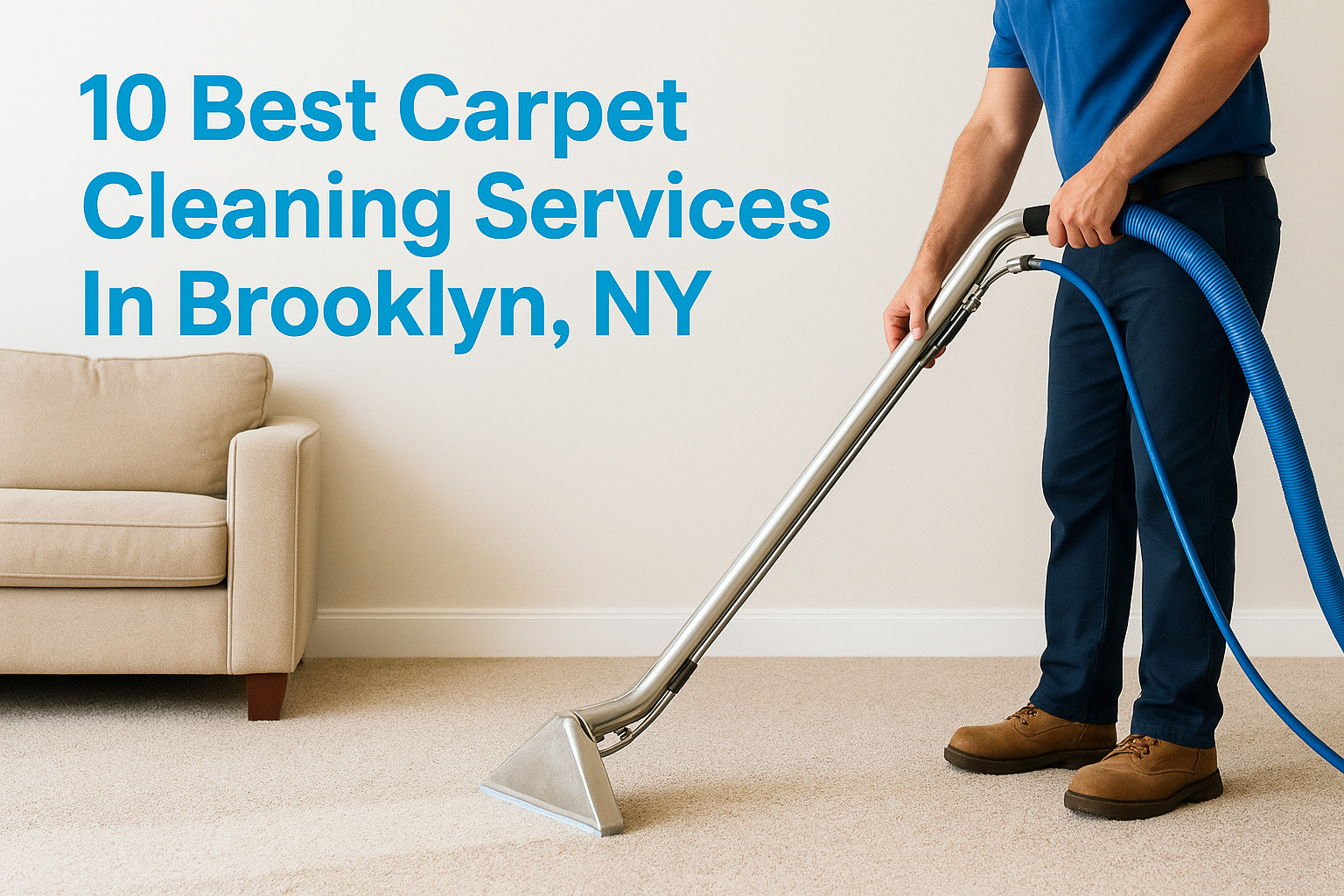
Brooklyn apartments and brownstones take a beating on their carpets. Between city dust, rain-soaked shoes, and pets tracking in who knows what, a carpet cleaning brooklyn ny search usually means you’ve hit a breaking point with stains, odors, or allergens that a vacuum just can’t touch anymore. This list gets straight to the point: which local companies actually show up on time, use equipment strong enough for deep-set grime, and charge prices that match the quote you were given. We looked at customer reviews, service areas, and what each company specializes in, whether that’s pet stain removal, wall-to-wall carpeting, or delicate area rugs, so you’re not stuck calling five places just to compare basics. Below, you’ll find ten carpet cleaning services serving Brooklyn residents and businesses, along with what sets each one apart. We’ve also included practical notes on booking and pricing so you can pick a provider based on your actual needs, not just whoever ranks first on Google. And if your cleaning needs go beyond carpets, into full home or office upkeep, that’s a service AlphaLux Cleaning handles across New York with the same standard of care. 1. AlphaLux Cleaning AlphaLux Cleaning tops this list because it treats carpet work as part of a bigger commitment to a spotless home, not a side hustle bolted onto a cleaning company. Based in New York and serving Brooklyn along with the rest of the state, the team built its reputation on residential and commercial cleaning before expanding into specialized carpet care, which means the technicians who show up at your door already understand how carpets interact with the rest of a living space. If you’ve searched carpet cleaning brooklyn ny hoping for a provider who won’t disappear after the invoice, this is the one to start with. Services offered AlphaLux handles the full range of carpet needs, from routine maintenance cleaning to intensive treatments for carpets that haven’t seen a professional in years. Their approach centers on eco-friendly, non-toxic products that lift dirt and neutralize odors without leaving behind the chemical residue some older steam-cleaning outfits still use. Services include: Deep carpet cleaning for high-traffic areas and neglected rugs Pet stain and odor removal treatments Move-in and move-out carpet cleaning tied to their broader relocation cleaning service Wall-to-wall carpet cleaning for apartments, brownstones, and offices Add-on cleaning for upholstery when booked alongside a full home visit Because AlphaLux also offers full home and office cleaning, Brooklyn customers often bundle carpet work with a broader deep clean, saving a second appointment and a second set of scheduling headaches. Pricing AlphaLux doesn’t publish a flat rate card because carpet condition, square footage, and stain severity all swing the final number. Instead, they offer free estimates through their online booking system, so you know the cost before anyone touches your carpets. Customers describe the quoting process as straightforward: submit your space details online, get a real number back, and book a time slot that fits a work schedule instead of waiting around all day for a technician. A free, accurate estimate matters more than a low advertised price, because it’s the number you actually pay. That transparency is worth more than a teaser rate that balloons once a technician spots pet stains or old padding damage. What makes them stand out What separates AlphaLux from a typical carpet-only outfit is the staffing standard behind every job. Every technician is thoroughly trained, background-checked, and fully insured, which matters when you’re letting someone into a home with kids, pets, or expensive furniture nearby. Reviewers consistently mention punctuality and communication, two things that sound basic until you’ve waited three hours for a no-show competitor. Customization is the other piece. Rather than running a one-size-fits-all steam cleaning route, AlphaLux builds cleaning plans around how often a space gets used and what it’s exposed to, whether that’s a weekly office refresh or a one-time deep clean before a big event. For Brooklyn residents who want a provider that treats carpet cleaning as part of a genuinely clean home rather than a quick add-on service, AlphaLux is the strongest all-around pick on this list, and you can book directly through alphaluxcleaning.com. 2. PureGreen Carpet & Upholstery Cleaning PureGreen Carpet & Upholstery Cleaning built its name on a straightforward promise: green chemistry that still cuts through Brooklyn grime. The company serves brownstones, co-ops, and small offices across the borough, and it markets itself specifically to households with kids, pets, or allergy sufferers who need low-VOC cleaning solutions rather than the harsh chemical steam treatments older companies still rely on. If you’ve been burned by a lingering chemical smell after a past cleaning, this outfit positions itself as the antidote. Services offered Beyond standard carpet steam cleaning, PureGreen focuses heavily on upholstery, treating sofas, dining chairs, and mattresses with the same plant-based solutions used on floors. Their service menu includes: Hot water extraction for wall-to-wall carpet Upholstery cleaning for fabric and some leather pieces Scotchgard-style fabric protection add-ons Basic stain treatment for wine, coffee, and ink This makes them a solid fit for renters who care as much about their furniture as their floors, though heavy-duty pet stain jobs sometimes get referred out or quoted higher than competitors who specialize in that niche. Pricing PureGreen prices by room rather than square footage, with quotes typically running in line with standard Brooklyn market rates once you factor in a minimum service charge for smaller apartments. Phone estimates are available, but the company encourages an in-home walkthrough for anything beyond a single room, since upholstery pricing varies a lot depending on fabric type and soiling level. Green products only earn their premium price if they actually remove the stain, not just mask it. That’s the tradeoff customers report most often: slightly higher cost, but no chemical residue left behind on floors where kids or pets spend most of their time. What makes them stand out What sets PureGreen apart is its narrow specialty. Rather than trying to be a full-service home cleaner,
Standard vs. Deep Cleaning: Which Service Does Your Home Actually Need? (2026 Guide)

What if the persistent feeling of being overwhelmed by your home isn’t about a lack of effort, but simply a mismatch in the level of care your space…