Apartment Cleaning Prices: What You’ll Pay In 2026
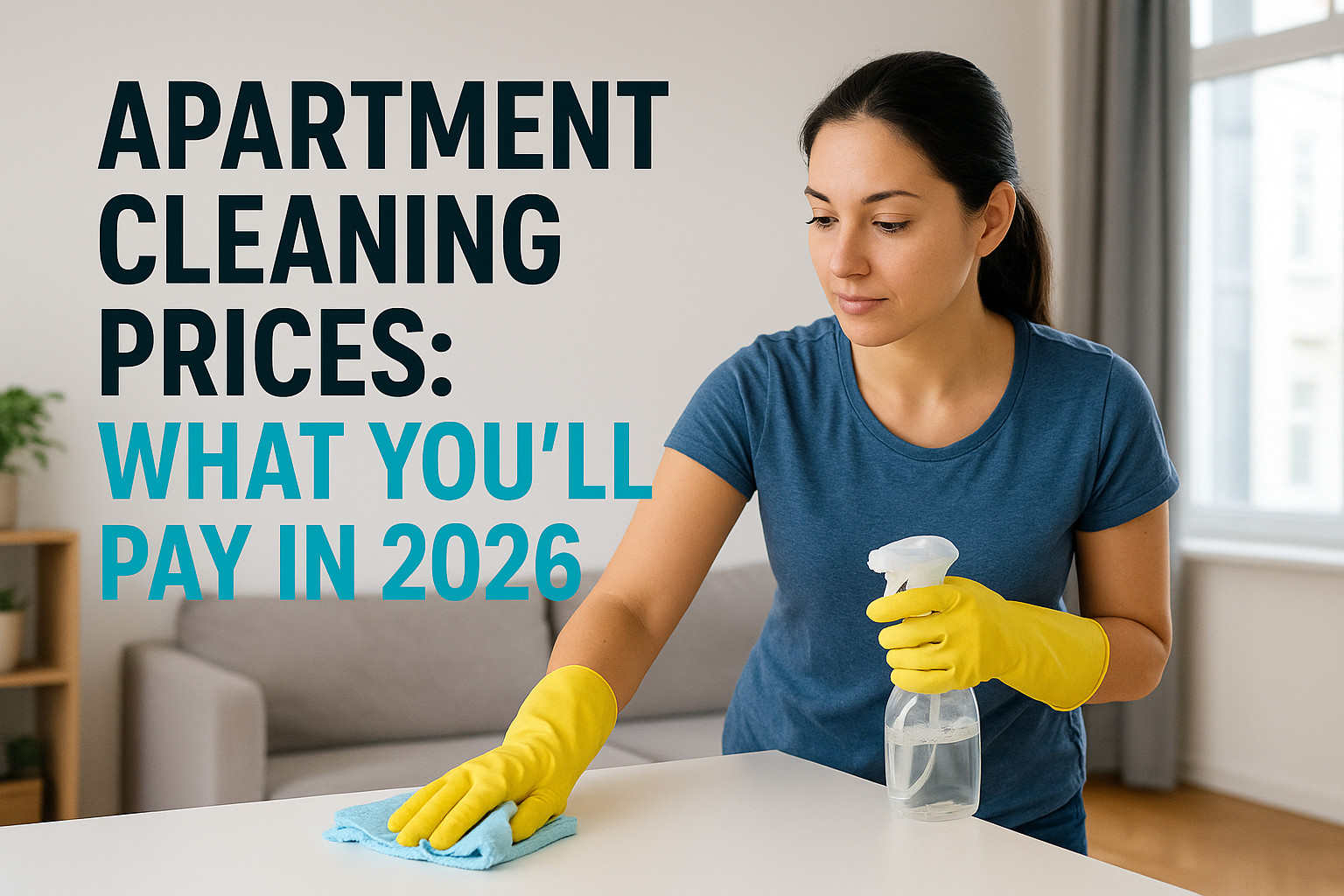
Booking your first apartment cleaning shouldn’t feel like guesswork, but most companies bury their rates behind a "call for quote" button. If you’ve searched apartment cleaning prices and found nothing but vague ranges, you’re not alone. Studio apartments, one-bedrooms, and larger units all come with different price tags, and factors like square footage, condition, and cleaning frequency shift the final number more than most people expect. Here’s the direct answer: hourly rates typically fall between $25 and $50 per cleaner, while flat-rate jobs for a standard apartment often land between $100 and $250, depending on size and how deep the clean needs to go. A one-bedroom in New York City costs differently than the same unit in Albany or Buffalo, and a move-out cleaning always costs more than a routine tidy-up. This guide breaks down what drives those numbers, from square footage and cleaning type to add-ons like inside-oven or window cleaning. We’ll walk through pricing by apartment size, compare hourly versus flat rates, and show you what to expect when you book with a New York-based service like AlphaLux Cleaning in 2026. Why apartment cleaning prices vary so much Ask five cleaning companies for a quote and you’ll get five different numbers. That’s not a scam, it’s just how the industry prices work. Apartment cleaning prices shift based on square footage, condition, location, and how often you book, and each of these factors can swing your total by $50 or more in either direction. Square footage and layout Size is the biggest driver. A 500 square foot studio takes a fraction of the time a 1,800 square foot three-bedroom needs, and cleaners typically price by the room or by square footage tier rather than a flat number for every unit. Layout matters too. An open-concept apartment with fewer walls and doors cleans faster than a chopped-up floor plan with the same square footage, because there’s less trim, fewer corners, and fewer doors to wipe down. Condition and how long it’s been since the last clean A unit that gets cleaned weekly stays in better shape than one that hasn’t seen a mop in three months. Condition drives labor time more than almost anything else, and labor time is what you’re paying for. Grease buildup in a kitchen, soap scum in a bathroom, or pet hair worked into carpet fibers all add minutes, and minutes add dollars. This is why the same one-bedroom can cost $120 for a routine tidy-up and $220 for a first-time deep clean. The single biggest price factor isn’t your apartment’s size. It’s how long it’s been since someone last cleaned it. Location within New York State Where you live changes your rate more than most people realize. Labor costs, insurance, and demand all run higher in New York City than in smaller upstate cities, so a comparable apartment cleaning in Manhattan or Brooklyn typically costs more than the same job in Albany, Rochester, or Buffalo. Parking, building access rules, and elevator wait times in dense urban buildings also add hidden time that cleaners factor into their quotes. Frequency of service Recurring clients almost always pay less per visit than one-time bookings. Weekly or biweekly plans let a cleaning company build efficient routes and predictable schedules, and most companies pass some of that savings on to you. A one-time deep clean, by contrast, carries no volume discount and often includes extra tasks that build up over time, like baseboards, light fixtures, or inside cabinets. Add-ons and specialty tasks Standard pricing usually covers the basics: kitchens, bathrooms, floors, dusting, and trash removal. Anything beyond that gets quoted separately. Here’s what typically adds to your base price: Inside-oven cleaning: $20 to $40 Inside-fridge cleaning: $20 to $35 Interior window washing: $5 to $10 per window Laundry and folding: $15 to $30 Wall or ceiling spot cleaning: $15 to $25 Move-in and move-out cleanings almost always cost more than a standard visit because they require emptying cabinets, scrubbing inside every appliance, and treating the whole unit like it’s never been touched. Landlords and property managers often require these deep cleans to return a security deposit, which makes the extra cost worth it in the long run. Understanding these variables helps you read a quote intelligently instead of just comparing bottom-line numbers. Two companies can quote wildly different prices for what looks like the same job, and usually the difference comes down to exactly these five factors. How to estimate your apartment’s cleaning cost You don’t need a quote to get a ballpark number. Grab your square footage, count your bedrooms and bathrooms, and think honestly about how messy the place actually is. Those three inputs get you within striking distance of a real apartment cleaning cost before you ever pick up the phone. Start with a per-square-foot baseline Most New York cleaning companies price somewhere between $0.10 and $0.20 per square foot for a standard clean. A 700 square foot one-bedroom lands around $70 to $140 before any adjustments. A 1,200 square foot two-bedroom runs $120 to $240. This baseline assumes a reasonably tidy unit, not one that hasn’t been touched in months. Multiply your square footage by $0.15 as a starting point, then adjust up or down based on condition and add-ons. Adjust for bedrooms and bathrooms Bathrooms take longer than any other room per square foot, so companies often add a flat fee per bathroom rather than relying purely on square footage. Expect roughly $15 to $25 per bathroom beyond the first one, and $10 to $20 per additional bedroom if it needs full dusting, vacuuming, and bed-making. Use this quick worksheet Here’s a simple way to build your own estimate before requesting a quote: Base price: square footage x $0.15 Extra bathrooms: (number of bathrooms – 1) x $20 Condition adjustment: add 20% to 40% if it’s been over a month since the last clean Add-ons: tally any specialty tasks like inside-oven or window cleaning Frequency discount: subtract 10% to 20% if booking weekly or
Premium Maid Service Guide for Allergy Sufferers
What if the place where you should feel most safe is actually the very thing making you feel unwell? For many New Yorkers, the sanctuary of home is…
Final Construction Cleaning Services: The Complete Guide to Post-Renovation Perfection (2026)

Imagine finally standing in your newly renovated New York home, only to realize that a persistent layer of grey silt has settled on your custom…
Spring Cleaning: What It Is, Its Origins, And What It Includes
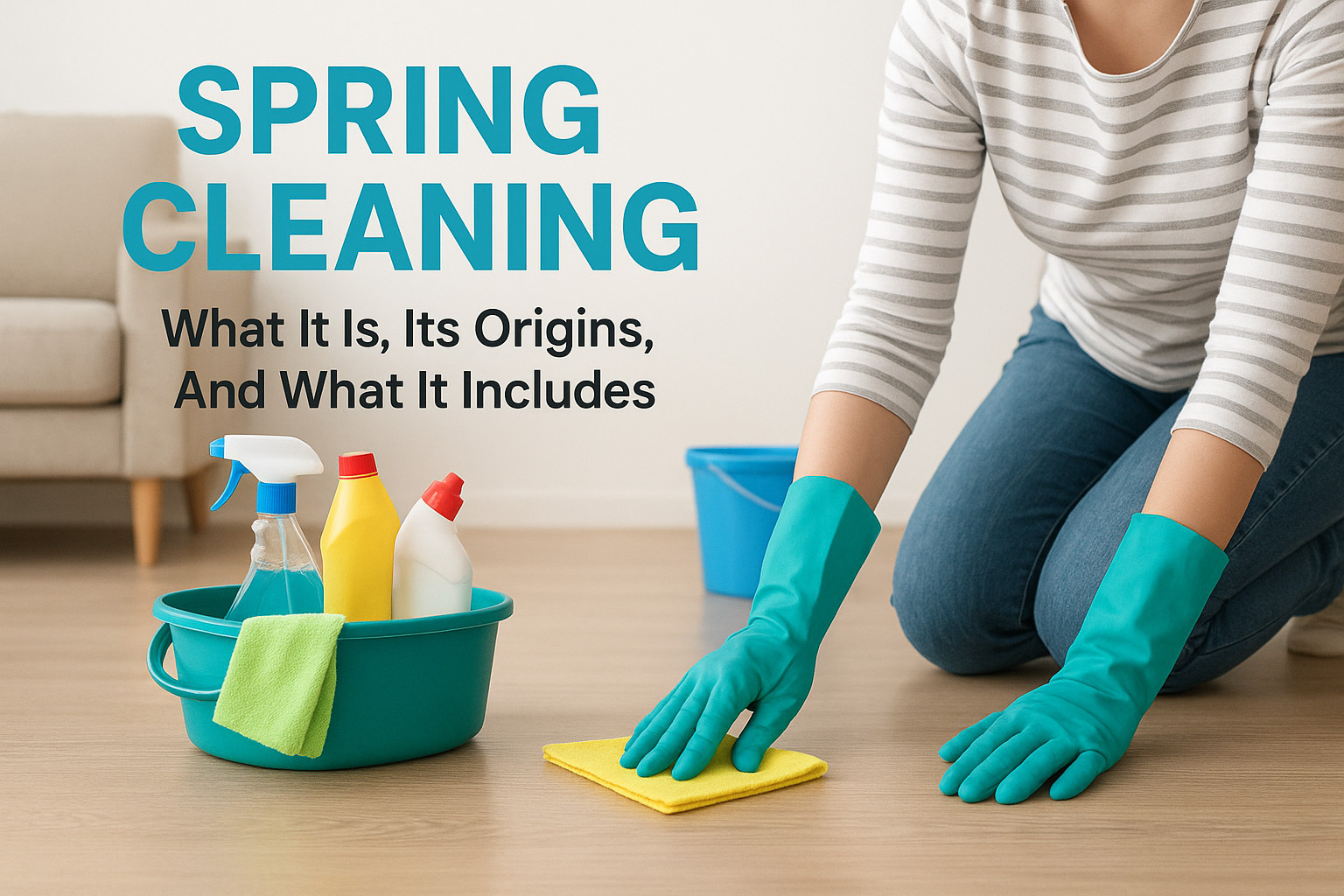
You’ve heard the phrase your whole life, but what is spring cleaning, really, beyond a vague sense that you should be scrubbing baseboards in April? It’s more than a seasonal mood. Spring cleaning is a specific, deep-reaching cleaning tradition that goes far past your regular weekly tidy-up, and it has roots that stretch back centuries across different cultures. In short, spring cleaning means a thorough, top-to-bottom cleaning of your home after winter, tackling the dust, grime, and clutter that builds up while windows stay shut and rooms go unused for months. It’s less about wiping counters and more about moving furniture, washing walls, and clearing out what you don’t need. In this article, we’ll walk through where the tradition actually comes from, why it took hold as an annual ritual rather than just another chore, and what a real spring cleaning checklist includes room by room. If you’d rather skip straight to the results, our team at AlphaLux Cleaning handles this exact deep clean for homes and businesses across New York, using eco-friendly products and a checklist built from years of doing this work. Why spring cleaning matters for your home and health Where the tradition actually comes from Spring cleaning didn’t start as a marketing gimmick from a mop company. Cultures across the world tied a thorough home cleanse to the turn of the season long before anyone coined the phrase in English. Persians have practiced khooneh tekouni, meaning "shaking the house," for over 3,000 years as part of Nowruz, the Persian New Year. Jewish households traditionally scrub every corner before Passover to remove chametz, or leavened bread crumbs, from the home. Christian communities in parts of Europe cleaned churches and homes ahead of Easter as a symbol of renewal. The common thread across all of these traditions is timing it to the literal turn of the season, when longer days and warmer air made a full clean physically possible again. The physical health case for a deep clean Winter turns your home into a mostly sealed box. Windows stay shut, heating systems run nonstop, and dust, pet dander, and dry skin cells settle into carpets, vents, and upholstery for months without fresh air moving through. That buildup isn’t just unsightly, it directly affects your indoor air quality. The Environmental Protection Agency has noted that indoor air can be more polluted than outdoor air, partly because of trapped particles like these. A proper spring clean addresses the specific culprits: Dust mites embedded in mattresses, curtains, and rugs Mold spores forming in bathroom corners and window sills Pet dander accumulated in HVAC filters and vents Pollen tracked in and settled on surfaces as windows reopen Spring cleaning matters because it clears out the exact debris that’s been sealed inside your home all winter. The mental reset that comes with it Beyond the physical benefits, there’s a real psychological payoff. Clutter and grime that build up gradually tend to fade into the background until you stop noticing them. A dedicated seasonal reset forces you to see your space with fresh eyes, sort through what you no longer need, and reclaim rooms that had quietly become storage zones. Homeowners consistently report feeling calmer and more in control after a full spring clean, not because the house is simply cleaner, but because they’ve re-established order after months of hibernating indoors. How to spring clean your home step by step Set a plan before you touch a single surface Random cleaning bursts waste energy and leave gaps. Before you start, walk through your home and make a realistic checklist broken into zones, then decide whether you’re tackling the whole house in one weekend or spreading it across a few weekends. Gather your supplies first, microfiber cloths, a vacuum with a HEPA filter, glass cleaner, and any eco-friendly solutions you prefer, so you’re not stopping mid-task to run to the store. Follow a logical order, not a random one Sequence matters more than most people realize. Cleaning top to bottom in each room keeps dust from resettling on surfaces you’ve already wiped down. The order you clean in matters as much as the cleaning itself. Declutter each room before you clean it, sorting items into keep, donate, and toss piles. Dust ceiling fans, light fixtures, and the tops of cabinets first. Wipe down walls, baseboards, and window sills. Clean windows inside and out once the weather allows. Vacuum upholstery, curtains, and rugs, then shampoo where needed. Mop or vacuum floors last, after everything else has settled. Tackle high-touch, high-grime zones like kitchens and bathrooms with dedicated time. Finishing in this order means you never redo work, and it turns a overwhelming task into a manageable sequence you can actually finish in a weekend. A room-by-room spring cleaning checklist Generic checklists miss the spots that actually need attention in each room. Every space in your home collects grime differently, so a real spring cleaning checklist treats the kitchen, bathroom, and bedroom as separate jobs rather than one long to-do list. The rooms that need the deepest attention Kitchens and bathrooms hold onto grease, moisture, and bacteria in ways other rooms don’t, which is why they deserve dedicated time rather than a quick wipe-down. Room Priority tasks Kitchen Clean behind and under appliances, degrease range hood, wipe cabinet fronts, sanitize trash cans Bathroom Scrub grout, descale showerheads and faucets, wash shower curtains, disinfect exhaust fans Bedrooms Flip and vacuum mattresses, wash pillows and duvets, dust behind headboards, sort closets Living areas Vacuum under cushions, clean baseboards and vents, wash throw blankets, dust electronics Entryways Wipe down door frames, clean light switches, shake out mats, organize shoe storage A checklist only works if it forces you into the spots you’d normally skip. The overlooked zones that make the biggest difference Overlooked areas are usually where the buildup is worst, precisely because nobody thinks to check them during a normal week. Vents, ceiling fan blades, the tops of door frames, and behind the refrigerator collect the kind of
How Much Does House Cleaning Cost in New York? 2026 Price Guide
If you found a cleaning rate that seemed too good to be true, would you still feel comfortable handing over your apartment keys? In a city where time…
Kitchen Cleaning Service: What’s Included And What It Costs
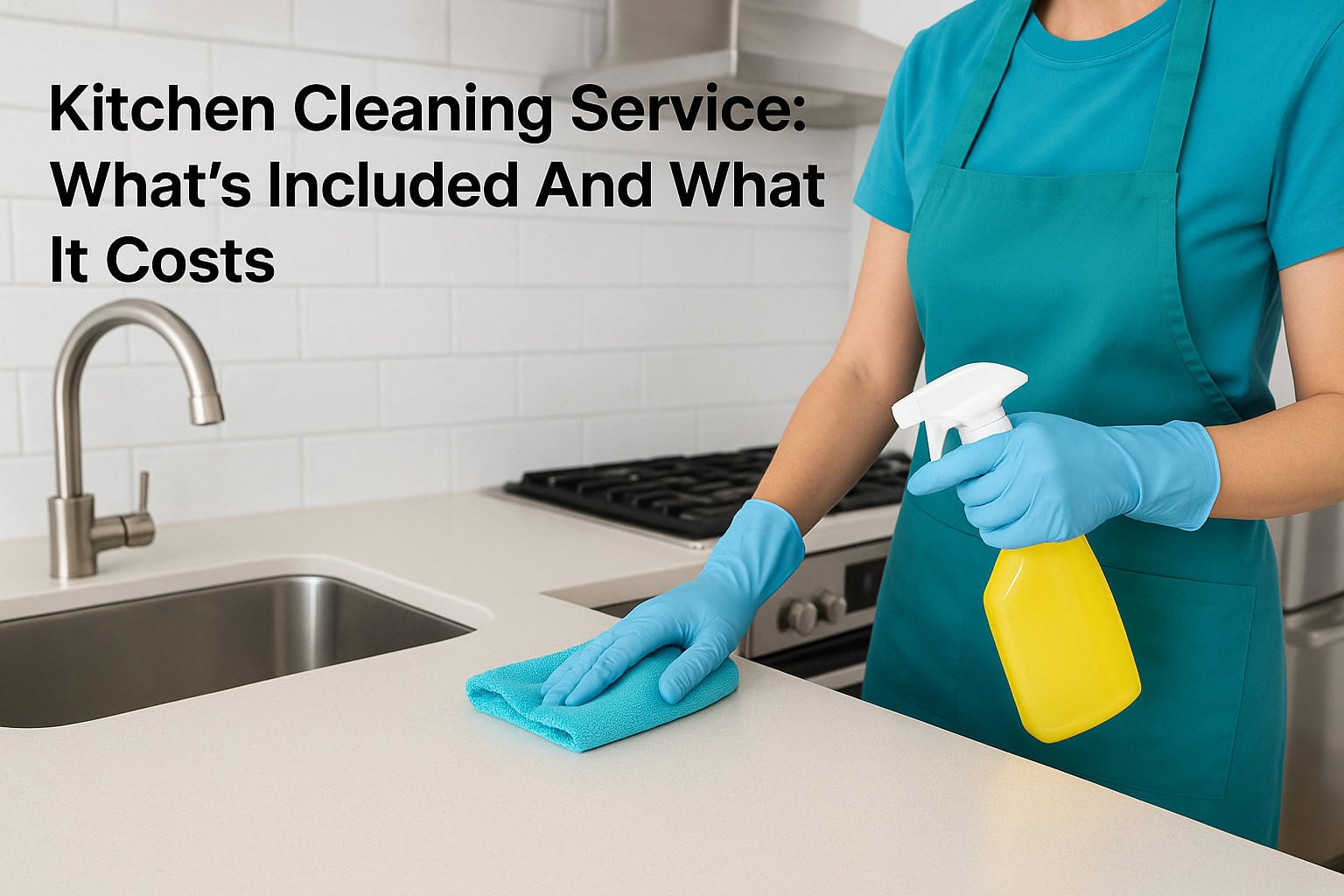
Grease on the backsplash, crumbs under the toaster, a fridge that needs a real scrub down, most kitchens hit a point where wiping the counter just isn’t enough. That’s when people start searching for a kitchen cleaning service and quickly realize the listings all promise something different. One quote covers wiping down cabinets, another includes the inside of your oven, and none of them make it obvious what you’re actually paying for. This article breaks down exactly what a professional cleaning visit should include, from appliance detailing to grout and grease removal, so you know what to expect before anyone steps through your door. We’ll also walk through realistic pricing in New York, based on kitchen size, condition, and how often you book service. We wrote this from the perspective of a team that cleans New York kitchens every week, using eco-friendly products and trained, background-checked staff. By the end, you’ll know what a fair quote looks like, what separates a basic wipe down from a true deep clean, and how to compare providers with confidence instead of guessing. Why hiring a kitchen cleaning service matters A kitchen collects more than dishes and takeout containers, it collects grease film, food residue, and bacteria in spots you rarely think to check. The average home cook touches the same counter, stovetop, and cabinet handles dozens of times a day, and each pass leaves behind oils and crumbs that build into a layer regular wiping can’t break down. Hiring a professional isn’t about vanity, it’s about reaching the buildup that accumulates in cracks, vents, and corners long before it becomes visible to anyone standing in the room. Kitchens hide more bacteria than you’d expect Your kitchen sink often carries more bacteria than your bathroom, a fact backed by CDC guidance on food safety practices. Sponges, cutting boards, and drain areas stay damp for hours, creating ideal conditions for bacterial growth that a quick rinse won’t fully address. A professional cleaning targets these exact zones, using disinfecting steps that go beyond what most households manage on a Tuesday night after work. A kitchen that looks clean isn’t the same as a kitchen that’s actually sanitized. DIY cleaning misses the spots that matter Most people clean what they see: counters, the stovetop, maybe the sink. Few people pull out the toaster to sweep crumbs from underneath, scrub the inside of the microwave, or degrease the range hood filter. These are the areas where grease buildup turns into a fire hazard and where mold can start behind appliances that rarely get moved. A trained cleaner works through a checklist that covers these blind spots every visit, not just when something starts to smell off. Consistency saves you time and stress Busy households and offices don’t have the bandwidth to deep clean every week, and that’s exactly where a recurring service pays off. Instead of scrambling before guests arrive or letting grime pile up until it feels overwhelming, you get a predictable schedule that keeps the kitchen at a consistent standard. Businesses benefit even more directly: a clean commercial kitchen supports health code compliance overseen by the FDA and keeps staff working in a space that feels professional, not neglected. Peace of mind matters as much as the clean itself Beyond the visible result, hiring vetted professionals means you’re not handing over your kitchen to just anyone. Insured, background-checked cleaners bring accountability you don’t get from a one-off favor or an inconsistent app-based booking. When something gets missed or a product doesn’t sit right with your family, you have someone to call, not a stranger who disappears after one visit. That reliability, paired with genuinely clean surfaces, is what makes hiring a kitchen cleaning service worth the cost for most households and businesses across New York. What a professional kitchen cleaning includes A legitimate kitchen cleaning service works from a checklist, not a guess. Reputable companies list out exactly what’s covered in a standard visit versus what counts as an add-on, so you’re not surprised when the invoice arrives. Knowing this breakdown before you book saves you from paying deep-clean prices for a service that only wipes down counters. Standard visit tasks Most recurring visits focus on surfaces you touch daily. A typical standard clean covers: Wiping counters, backsplash, and cabinet fronts Cleaning the stovetop and exterior of major appliances Sanitizing the sink and faucet Emptying trash and replacing liners Sweeping and mopping the floor Spot-cleaning cabinet handles and light switches Businesses booking commercial cleaning usually get this same list applied to break rooms and shared kitchen spaces, run on a schedule that matches staff turnover and foot traffic. Deep cleaning add-ons Deep cleaning goes after the buildup a weekly wipe-down never touches. This is where appliance detailing earns its name, and it’s the service tier most homeowners actually need before a holiday, a move, or a health inspection. Area Standard Clean Deep Clean Oven interior Not included Full scrub, grease removal Refrigerator interior Not included Shelves wiped, expired items flagged Range hood filter Not included Degreased or soaked Grout and tile lines Light wipe Scrubbed and brightened Under/behind appliances Not included Swept and wiped The real difference between a wipe-down and a deep clean is what happens behind the appliances, not on top of them. Products and equipment used Professional teams typically arrive with their own eco-friendly, non-toxic products, microfiber cloths, and equipment suited for degreasing rather than relying on all-purpose spray. Non-toxic formulas matter most in kitchens because surfaces come into direct contact with food, and harsh chemical residue is the last thing you want near a cutting board. Vetted companies will tell you upfront which products they use and can usually accommodate a request to skip a specific ingredient if someone in the home has allergies or sensitivities. How much a kitchen cleaning service costs Price depends on kitchen size, condition, and how often you book, and any provider quoting a flat number without asking those questions is guessing. A kitchen cleaning service
One-Time Cleaning Service: The Ultimate Guide to a Professional Home Reset in NYC

What if your NYC apartment didn’t just look tidy, but actually felt like a sanctuary where the city’s relentless soot and allergens finally stopped…
5 Best Window Cleaning Services In Brooklyn, NY
Streaky windows make an entire brownstone or office look neglected, even when everything else is spotless. If you’ve searched window cleaning brooklyn ny and scrolled through a dozen listings with no reviews or a website from 2012, you know the frustration. Finding someone reliable to handle second-story windows in Park Slope or a storefront in Williamsburg shouldn’t take an afternoon of phone tag. This guide skips the guesswork. We’ve pulled together five window cleaning services actually working in Brooklyn right now, looked at their pricing structures, checked how they handle both residential and commercial jobs, and read through customer feedback to see who shows up on time and leaves glass genuinely clear, not just wiped down. You’ll see what each company specializes in, whether they offer free estimates, and what makes them worth a call. We put this list together because we know what separates a rushed job from a real one. At AlphaLux Cleaning, we bring that same standard, trained staff, eco-friendly products, and flexible scheduling, to every space we touch across New York. Use this list to compare your options and pick the crew that fits your building, your budget, and your schedule. 1. AlphaLux Cleaning AlphaLux Cleaning built its reputation on residential and commercial jobs across New York, and window cleaning in Brooklyn NY is one of the services homeowners request most often once they see the rest of a house get the same treatment. The team handles everything from co-op apartment windows to full storefront glass, and they treat glass work as part of a broader deep cleaning approach rather than a bolted-on extra service. Services offered Expect interior and exterior window washing, screen cleaning, sill and track detailing, and add-on options like blind dusting during the same visit. AlphaLux also folds window work into move-in and move-out packages, so tenants and landlords don’t need to book a separate vendor for glass. Pricing Pricing depends on window count, access, and whether it’s a one-time visit or part of a recurring plan. AlphaLux offers free estimates before any work starts, so you know the cost upfront instead of guessing from a phone quote. Service type Typical scope One-time window clean Interior + exterior, ground-level access Recurring plan Windows bundled into weekly or biweekly cleans Move-in/move-out Full glass detail included in package What sets them apart Staff are background-checked, insured, and trained specifically on eco-friendly, non-toxic products, which matters if you have kids, pets, or allergy concerns near open windows. Scheduling is flexible, and booking happens online without waiting on a callback. A cleaner isn’t worth hiring if you can’t trust who’s inside your home. Best for Homeowners and businesses who want window cleaning bundled into a bigger, customizable cleaning plan rather than treated as a standalone job. 2. Simon’s Window Cleaning Simon’s Window Cleaning has served Brooklyn homeowners for over a decade, focusing almost exclusively on residential glass work rather than juggling multiple cleaning categories. That narrow focus shows in how efficiently crews move through brownstones and multi-family buildings, especially older properties with original single-pane windows that need extra care. Services offered Their crews handle interior and exterior window washing, screen rinsing, and light sill wiping. Some technicians also offer gutter clearing as a seasonal add-on, though it’s billed separately from standard window packages. Pricing Rates run per window rather than by square footage, with discounts kicking in for full-house jobs. Customers report quotes arriving within a day of contact, though free estimates aren’t guaranteed on every call. What sets them apart Longevity in the neighborhood counts for something, and Simon’s leans on decades of repeat customers rather than heavy marketing spend. Word-of-mouth reputation still beats a flashy website when it comes to trusting someone with your windows. Best for Owners of older Brooklyn homes who want a specialist familiar with vintage window frames and single-pane glass. 3. Prime Window Cleaning Services Prime Window Cleaning Services leans commercial, handling storefronts, office buildings, and multi-unit properties across Brooklyn where high-rise access and liability insurance actually matter. If you manage a retail space on a busy avenue, Prime’s crews are built for the volume and the equipment that job demands. Services offered Expect exterior storefront glass, interior office windows, and pressure washing for entryways and awnings. Many commercial clients bundle window work into a recurring maintenance contract rather than booking one-off visits. Pricing Commercial jobs get quoted by square footage and access difficulty, so a ground-floor storefront costs less than a building requiring ladders or lifts. Prime doesn’t advertise flat rates online, so expect a site visit before a firm number. What sets them apart Their crews carry equipment for hard-to-reach glass, including extension poles and lift access, which smaller residential-only outfits often skip entirely. Commercial glass jobs need equipment residential cleaners simply don’t carry. Best for Business owners and property managers who need recurring commercial window maintenance handled by a crew equipped for taller buildings and storefront-scale jobs. 4. Domino Window Cleaning Domino Window Cleaning splits its business between residential apartments and small commercial spaces, making it a flexible pick for mixed-use blocks common in neighborhoods like Bushwick and Bed-Stuy. The crew works mostly solo or in pairs rather than sending large teams, which keeps scheduling simple for smaller jobs. Services offered Domino covers interior and exterior window washing, screen cleaning, and basic frame wiping. They also offer a light post-construction cleanup package for renovated units, clearing dust and film left behind after drywall or paint work. Pricing Jobs are priced per visit based on window count, with a small minimum charge for studios and one-bedroom units. Domino doesn’t list rates publicly, so you’ll need a text or call to get a number before booking. What sets them apart Domino’s post-construction niche fills a gap most window cleaners skip entirely. A specialist who handles construction dust knows glass work most crews never touch. Best for Renters and owners finishing a renovation who need windows cleared of construction residue alongside a standard glass wash. 5. Pink’s Windows Pink’s
How to Clean Stainless Steel Appliances: The Professional Streak-Free Guide
Why does your premium refrigerator often look more clouded after a cleaning than it did before you started? It’s a common frustration for homeowners…
Employee Background Check: What It Is And What It Shows

You’re about to let a stranger into your house or hand them keys to your office. Before that happens, you want to know who they actually are, not just who their resume says they are. That’s exactly what an employee background check does: it verifies a person’s identity, history, and trustworthiness before they ever put on a uniform or clock in for a shift. For anyone hiring cleaners, contractors, or staff who’ll work unsupervised in someone else’s space, skipping this step is a real gamble. At its core, a background check is a screening process that confirms details a candidate provides on their application and uncovers information they might not volunteer. It typically covers criminal history, employment verification, identity checks, and sometimes credit or driving records, depending on the role. The goal isn’t to dig up dirt for its own sake. It’s to answer one practical question: can this person be trusted with access to homes, offices, and the people inside them? In this article, we’ll break down exactly what shows up on a background check, how the process works, and why it matters so much in industries like cleaning services, where trust is the entire product. It’s also the reason AlphaLux Cleaning background-checks every team member before they ever step through a client’s door. Why employee background checks matter Trust isn’t something you can fake your way into, especially when a stranger is scrubbing your kitchen floor or emptying trash cans in your office after hours. Client safety sits at the center of every hiring decision in the cleaning industry, and a background check is the tool that turns a gut feeling into verified fact. Without one, you’re relying on a resume, a smile, and hope. With one, you’re making a decision backed by real records, which matters just as much for legal liability as it does for peace of mind. Protecting clients and their homes Homeowners hand over house keys, alarm codes, and access to everything they own when they hire a cleaning service. That level of access demands more than a good interview. A thorough background check confirms that the person walking through the door has no history that would put a client’s family, pets, or belongings at risk. This is especially true for services that send workers into homes unaccompanied, where there’s no manager standing nearby to catch a problem before it happens. Reducing liability for the business Employers who skip background checks expose themselves to a specific kind of risk called negligent hiring liability. If a company places an unscreened worker in a client’s home and that worker causes harm or theft, the business can be held responsible for not doing due diligence. Courts have consistently sided against employers who failed to take reasonable steps to vet employees before granting them access to private property. A single unscreened hire can cost a business its reputation, its clients, and a lawsuit it never saw coming. Insurance carriers pay close attention to this too. Many general liability and bonding policies require documented screening procedures before they’ll cover claims related to employee misconduct. Skip the check, and you might discover your coverage doesn’t apply exactly when you need it most. Meeting client and industry expectations Today’s customers ask questions before they book. They want to know who’s coming into their space and whether that person has been vetted. Background checks have become a baseline expectation, not a bonus feature, across several industries: Residential cleaning: clients expect verified, insured staff before granting home access Commercial cleaning: office managers require screening as part of vendor compliance Healthcare-adjacent facilities: stricter checks are often mandated by regulation Childcare and eldercare settings: background checks are typically non-negotiable Companies that build screening into their hiring process from day one tend to attract more repeat clients and referrals, because word travels fast when a service feels safe and dependable. The U.S. Equal Employment Opportunity Commission also outlines how employers should conduct these checks fairly and consistently, which protects both the business and the applicant from discriminatory practices. Getting this right isn’t just about avoiding bad hires. It’s about proving to every client that safety was never an afterthought. How employers conduct a background check Running a background check isn’t a single action, it’s a sequence of steps that starts the moment a candidate signs a consent form. Written consent is a legal requirement under the Fair Credit Reporting Act before any employer can pull records on an applicant, and skipping this step can expose a business to its own legal trouble. Once consent is in hand, most employers turn to a specialized screening company rather than trying to piece together records themselves, since state and county databases aren’t exactly designed for easy public access. Choosing between in-house checks and third-party services Small businesses sometimes attempt basic checks on their own, running a quick name search or calling a listed reference. That approach misses far more than it catches. Third-party background check companies pull from national criminal databases, sex offender registries, county courthouse records, and Social Security trace tools that flag aliases or address history a candidate might not disclose. AlphaLux Cleaning, like most professional cleaning companies, relies on accredited screening services precisely because they cross-reference multiple sources instead of trusting a single database that might be incomplete or outdated. A background check is only as reliable as the sources behind it, which is why professional screening beats a quick internet search every time. The typical screening workflow Most employers follow a fairly consistent process, regardless of industry: Candidate signs a disclosure and consent form Employer submits identifying information to a screening provider Provider searches criminal, employment, and identity databases Results return within one to five business days, depending on scope Employer reviews findings against a documented hiring policy Candidate receives a chance to dispute inaccurate information before a final decision That last step matters more than people realize. Under federal law, applicants have the right to see what was found and challenge errors before