Post-Construction Cleaning Safety Checklist: The 2026 Guide to a Move-In Ready Space
Post-Construction Cleaning Safety Checklist: The 2026 Guide to a Move-In Ready Space

What if the most significant health risks in your newly renovated home aren’t the power tools or heavy machinery, but the invisible particles left behind after the contractors have gone? You’ve spent months planning and investing to bring your vision to life, and it’s natural to feel a sense of relief when the builders finally pack up. However, the presence of fine drywall dust, hidden sharp debris, and lingering chemical odors from adhesives can quickly turn that excitement into a health concern. We understand that you want your space to feel like a sanctuary, not a lingering job site. Our expert-approved post construction cleaning safety checklist is designed to bridge the gap between a finished project and a truly healthy environment. We’re here to help you ensure your transition into this new chapter is defined by comfort and mental clarity rather than respiratory irritation. This 2026 guide provides a meticulous roadmap to identify overlooked risks and improve indoor air quality. You’ll discover how to follow a professional process that transforms a dusty site into a certified-safe home or office where you can finally breathe easy. Key Takeaways Identify the invisible environmental hazards, such as silica dust and chemical off-gassing, that require more than a simple surface wipe-down. Learn how to implement a phased cleaning strategy that prioritizes the removal of physical debris before addressing microscopic particulates. Use our professional post construction cleaning safety checklist to ensure every corner of your kitchen and bathroom is sanitized and ready for use. Discover the essential safety gear and high-efficiency filtration tools needed to protect your health and improve indoor air quality. Understand the value of a meticulous, tailored approach that transitions your renovated space into a serene and healthy environment. Table of Contents Why Safety is the Foundation of Post-Construction Cleanup The Three Phases of a Safe Construction Site Clean Essential Safety Gear and Eco-Friendly Filtration The Comprehensive Post-Construction Safety Checklist Professional Precision: AlphaLux’s Approach to Post-Construction Safety Why Safety is the Foundation of Post-Construction Cleanup Safety in a post-build environment is far more complex than simply sweeping up sawdust or removing leftover lumber. It’s a specialized discipline that aligns with industrial housekeeping standards to ensure a space is truly habitable and healthy. While many homeowners focus on the visual “reveal,” a professional post construction cleaning safety checklist prioritizes the neutralization of invisible threats. This meticulous approach transforms a potentially hazardous construction zone into a refined living or working space that feels like a sanctuary rather than a job site. Hidden dangers like silica dust, volatile organic compounds (VOCs) from fresh paint, and microscopic debris often linger in the air and on surfaces long after the contractors have left. Standard residential cleaning tools often fail in these scenarios because they lack the specialized filtration power to capture fine drywall dust. Instead of removing the particles, standard vacuums often recirculate these irritants back into the room. Investing in a meticulous clean isn’t just about immediate comfort; it’s a strategic move to preserve your property’s long-term value. By removing abrasive dust before it settles into HVAC systems or scratches new finishes, you’re protecting the premium materials you’ve just installed. The Health Risks of Construction Dust Fine particulates generated during a renovation are small enough to penetrate deep into the lungs, causing immediate respiratory discomfort or long-term health issues. These particles often include common allergens and irritants that can trigger asthma or skin sensitivities in sensitive individuals. Silica dust is a hazardous byproduct of cutting or grinding materials like concrete, brick, stone, and mortar that can cause permanent lung damage if inhaled. Addressing these specific risks requires specialized equipment and a post construction cleaning safety checklist that emphasizes air quality as much as surface cleanliness. Protecting New Surfaces and Finishes New installations are particularly vulnerable to damage during the final cleanup phase. Using the wrong cleaning agents can permanently etch fresh stone or dull the luster of newly finished hardwood. It’s vital to use pH-neutral cleaners and soft, non-abrasive tools that respect the integrity of your new materials. Choosing professional cleaning services ensures that these complexities are managed with expert care. A tailored plan ensures that every surface is treated with precision, allowing you to enjoy your new space with complete confidence and peace of mind. The Three Phases of a Safe Construction Site Clean Transforming a renovation site into a move-in ready environment requires more than a single sweep. It’s a tiered process that systematically eliminates risks, moving from heavy debris to microscopic particulates. By following a structured post construction cleaning safety checklist, you ensure that no hazard is overlooked. This phased approach guarantees that the final result isn’t just visually stunning but also safe for your family or employees to inhabit. Each stage serves a specific purpose in neutralizing the physical and environmental remnants of the building process. Phase 1: Clearing the Major Hazards The initial phase focuses on the physical safety of the site. This involves removing large debris, such as lumber scraps, metal shards, and discarded packaging. It’s the ideal time to check for exposed wiring or potential plumbing leaks that may have been obscured during the final days of construction. In New York, managing this waste requires careful attention to local regulations. The NYC Department of Sanitation has strict guidelines for construction and demolition debris, often necessitating private carting services for larger volumes to ensure compliance and neighborhood safety. Adhering to OSHA demolition and cleanup guidelines during this stage prevents common site injuries and ensures that heavy materials are handled with professional care. We also perform an initial vacuuming of floors and window tracks to prevent abrasive grit from scratching new finishes. Phase 2: The Deep Safety Clean Once the major hazards are gone, the focus shifts to the invisible. This phase is the most critical for indoor air quality. We pay close attention to air ducts and HVAC filtration systems, as these are primary collection points for fine drywall dust. If the scale of this technical process feels overwhelming,

Professional Move Out Cleaning for Military Housing: A Stress-Free PCS Guide

Professional Move Out Cleaning for Military Housing: A Stress-Free PCS Guide

Did you know that military families typically face about $1,900 in unreimbursed expenses during every PCS move? When you’re already physically exhausted from packing your life into boxes, the looming “white-glove” inspection can feel like an impossible hurdle to clear. We understand that the pressure to meet 2026 military housing standards is high, especially when a single missed detail in your kitchen or bathroom can result in unexpected fees. Securing professional move out cleaning for military housing isn’t just a luxury; it’s a tactical decision to protect your finances and your peace of mind. You deserve to focus on your family and your next duty station rather than scrubbing baseboards at midnight. This guide will show you how to master your final walkthrough by leveraging a professional cleaning strategy that aligns with the latest Tenant Bill of Rights. We’ll explore the specific requirements of the 2026 Military Housing Rulebook, detail the common cleaning pitfalls that lead to failed inspections, and provide a roadmap to reclaiming your time during an otherwise chaotic transition. Key Takeaways Understand the rigorous “white-glove” standards used by housing offices to identify high-failure areas before your final walkthrough. Discover why professional move out cleaning for military housing is a strategic investment that prevents expensive re-cleaning fees and failed inspections. Compare the true costs of DIY cleaning against professional results to protect your time, energy, and military record during a PCS. Establish a stress-free transition by booking your cleaning service early and scheduling the deep clean after your household goods have been removed. Learn how a meticulous, professional approach to cleaning provides the mental clarity and reclaimed time needed to focus on your family’s next chapter. Table of Contents Navigating the Stress of Military PCS and Move-Out Inspections The 'White Glove' Standard: What Military Housing Inspectors Look For DIY vs. Professional Move-Out Cleaning: A Strategic Comparison Your PCS Cleaning Timeline: From Orders to Final Inspection Why AlphaLux Cleaning is the Trusted Partner for NY Military Families Navigating the Stress of Military PCS and Move-Out Inspections Receiving orders for a Permanent Change of Station (PCS) triggers a complex sequence of logistical and emotional events. Unlike a civilian move where “broom clean” often suffices, military housing offices demand a level of precision that can feel overwhelming. This is where the standard for move out cleaning for military housing differs significantly from traditional rental transitions. You aren’t just tidying up; you’re preparing a unit for immediate occupancy by another military family under the watchful eye of a strict inspector. Failing a final walkthrough isn’t just an inconvenience. It carries real financial weight. Beyond the physical exhaustion of the move, a failed inspection can result in mandatory re-cleaning fees or even delays in your travel timeline. According to 2024 housing standards, even minor oversights like a dirty stove, refrigerator, or uncleaned bathroom can lead to significant per-room charges. A “military-grade” clean involves a level of detail that standard housekeeping rarely touches. This includes: Degreasing the interior and exterior of all kitchen appliances, including the oven and dishwasher. Scrubbing baseboards, door frames, and light switches until they’re free of scuffs and oils. Clearing dust and debris from window tracks and sliding door channels. Removing hard water stains and soap scum from bathroom fixtures and wall tiles. The 30-Day Notice and Your Cleaning Window Once you provide your 30-day notice to the housing office, the clock starts. Successful families align their cleaning schedule directly with their household goods (HHG) pickup. Attempting to deep clean while boxes are still being moved is a losing battle. The pre-final inspection serves as your most important diagnostic tool. It’s essentially an open-book test where the inspector identifies specific areas of concern. By scheduling your professional move out cleaning for military housing immediately after the movers depart, you create a vital buffer zone. This ensures the home remains pristine for the final walkthrough without the risk of new dust or debris from moving activities. Emotional Relief Through Professional Support There is a profound psychological shift that occurs when you transition from a lived-in home to a “cleared unit.” Doing this work yourself often leads to physical burnout at a time when you need your energy for family and travel logistics. Professional support provides more than just a clean space; it offers the quiet satisfaction of knowing a difficult task is handled to the highest standard. You can focus on saying goodbye to friends and managing the details of your next duty station. Leaving a home in pristine condition isn’t just about passing an inspection. It’s about closing one chapter with excellence and starting the next with a clear mind and a rested body. The ‘White Glove’ Standard: What Military Housing Inspectors Look For The term ‘white glove’ is often used as a metaphor for high standards, but in military housing, it describes a literal inspection method. Inspectors check for even the slightest trace of dust on door frames or grease on a range hood. Successfully achieving this level of move out cleaning for military housing requires more than a quick wipe down. It demands a systematic approach that targets the areas most residents overlook during the exhaustion of a PCS move. Meticulous attention to detail is the hallmark of a professional service, ensuring that every surface meets the rigorous 2026 standards. High-failure areas are typically those that accumulate grime over years of occupancy. Inspectors aren’t just looking at the center of the room; they’re looking at the corners, the crevices, and the mechanical components of the home. Using non-toxic, eco-friendly products ensures that the home doesn’t just look clean, but feels fresh and healthy for the next family. This approach avoids the harsh chemical residues that can sometimes trigger concerns during a final walkthrough. If the physical demands of this process feel daunting, choosing a professional deep cleaning service can provide the reassurance you need to pass with confidence. Kitchen and Appliance Deep-Dive The kitchen remains the most frequent site for inspection rejections. Inspectors will pull the stove

Deep Cleaning Hardwood Floors: The Ultimate Guide to Professional Care in 2026
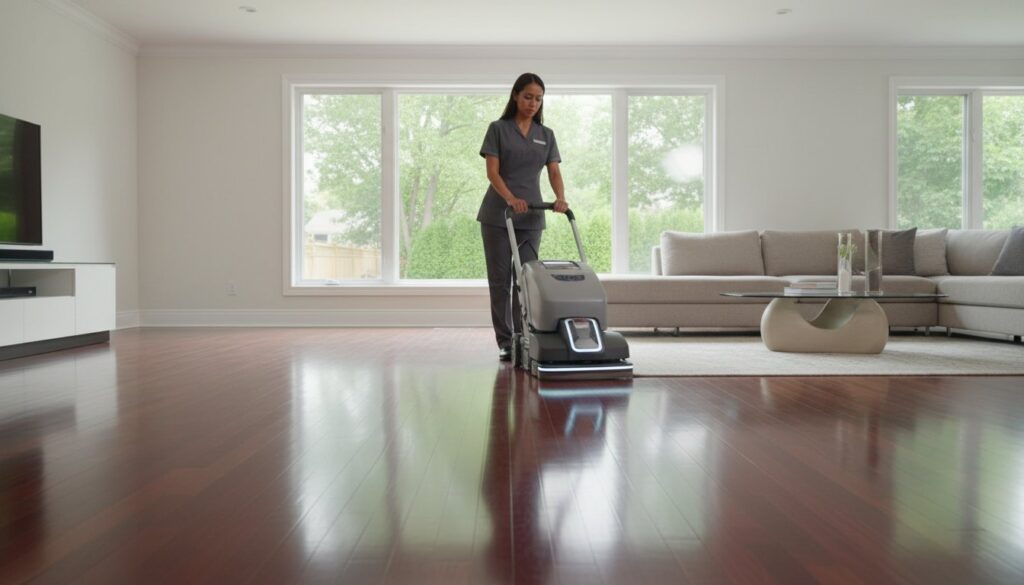
Deep Cleaning Hardwood Floors: The Ultimate Guide to Professional Care in 2026

Last February, a Brooklyn homeowner watched as the salt and sand from a single New York snowstorm left their once-vibrant cherry wood floors looking like a chalky, scratched mess. You’ve likely felt that same frustration when a stubborn, hazy film remains even after your third pass with a mop. It’s stressful to realize that the very tools you use to maintain your home might be dulling the expensive investment you worked so hard to protect. We understand that deep cleaning hardwood floors requires more than just water and effort; it requires precision and the right professional touch to avoid permanent damage. This guide provides the expert techniques and eco-friendly solutions needed to restore that original luster while ensuring your wood remains protected. We’ll walk you through the precise steps to eliminate winter residues and chemical buildup so your home doesn’t just look clean, it feels clean. You’re about to discover how a higher standard of care provides the peace of mind you deserve and allows you to focus on what matters most. We will cover everything from pH-balanced formulas to the specialized equipment that reaches deep into the wood grain for a spotless finish. Key Takeaways Understand why standard mopping often redistributes dirt and how to truly extract microscopic contaminants from deep within the wood grain. Learn the essential “water drop test” to assess your floor’s seal and ensure your cleaning methods protect its long-term integrity. Discover the precise techniques for deep cleaning hardwood floors using a micro-mist approach that restores luster without risking moisture damage. Compare traditional methods with professional-grade extraction to see how high-end equipment achieves a level of cleanliness that feels as good as it looks. Establish a professional maintenance routine to safeguard your floors against grit and debris, preserving a spotless environment for your home. Table of Contents Beyond the Surface: Why Deep Cleaning Hardwood Floors is Essential Understanding Your Floors: Finishes, Porosity, and the Science of Wood Care The AlphaLux Guide to Safe DIY Deep Cleaning Professional Extraction vs. Traditional Mopping: Why Your Floors Need More Long-Term Care: Maintaining That AlphaLux Shine in New York Homes Beyond the Surface: Why Deep Cleaning Hardwood Floors is Essential Deep cleaning hardwood floors is a specialized process that goes far beyond the capabilities of a household broom or a standard spray mop. It involves the mechanical extraction of microscopic contaminants that settle deep into the wood grain and structural crevices. While a surface might appear tidy after a quick wipe, true cleanliness requires removing the invisible layers of organic buildup that accumulate over months of foot traffic. At AlphaLux, we operate on a simple principle: your home shouldn’t just look clean; it should feel clean and healthy. This professional standard ensures that your living environment supports your well-being rather than harboring hidden pollutants that compromise your indoor air quality. The Problem with Standard Mopping Standard mopping often results in a cycle of dirt redistribution rather than actual removal. Most supermarket cleaning products contain heavy surfactants and synthetic waxes that create a “haze effect” over time. This dulling residue acts like a magnet for new debris, making the floor look dingy despite frequent efforts. The #1 mistake in home floor care is the use of excessive moisture. When water seeps into the joints between planks, it can cause cupping or crowning, where the wood fibers swell and warp. Understanding the specific requirements for different wood flooring types and finishes is essential, as porous surfaces are highly susceptible to liquid damage. Our trusted approach uses precision moisture control to protect your investment while achieving a spotless result. Hidden Contaminants in Your Floor Grain Your floors serve as a landing site for a variety of microscopic irritants that impact the health of your family. In high-density urban environments, fine New York dust and particulate matter settle into the texture of the wood where standard vacuums cannot reach. Pet dander and seasonal allergens also find sanctuary in the small gaps between planks, often remaining trapped for years. Tracked-in sand is particularly destructive; these tiny granules act like sandpaper on your finish, slowly eroding the protective seal with every footstep. Bio-film is a resilient layer of bacteria and organic matter that bonds to the floor surface and resists traditional cleaning methods. By removing these hidden threats, we transform your home into a fresh sanctuary that offers genuine relief, comfort, and peace of mind. Understanding Your Floors: Finishes, Porosity, and the Science of Wood Care Effective deep cleaning hardwood floors starts with identifying the material beneath your feet. Wood is a living, breathing organic substance. It reacts to its environment and the chemicals you apply to it. Most Long Island homes built after 1970 feature surface-sealed floors, while historic estates often retain original penetrating finishes that require a different level of care. Surface-Sealed vs. Penetrating Finishes Modern finishes like Polyurethane or Aluminum Oxide create a hard, protective barrier on top of the wood. These are standard in 21st-century New York renovations because they resist moisture well. In contrast, many historic properties in areas like Garden City or Southampton still feature floors treated with oils or waxes. These finishes soak into the grain rather than sitting on top, making the wood more susceptible to liquid damage. You can verify your floor seal’s integrity with a simple water drop test. Place a single drop of water on a high-traffic area. If the bead stays round for more than 120 seconds, your seal is intact. If it absorbs quickly and darkens the wood, the finish is worn. This porosity determines the professional approach for deep cleaning hardwood floors to avoid warping or grain raising. The Chemistry of pH-Neutral Cleaning Wood finishes rely on a delicate chemical bond. Using acidic solutions like white vinegar, which has a pH of approximately 2.5, can dissolve this bond over time. This leads to a cloudy, dull appearance that no amount of buffing can fix. Conversely, highly alkaline cleaners cause wood fibers to swell and may lead to permanent graying or

How Often to Get a Deep Clean: The 2026 Guide to a Pristine Home

How Often to Get a Deep Clean: The 2026 Guide to a Pristine Home

What if the persistent allergies and that nagging feeling of a “never-quite-clean” home aren’t due to your daily chores, but to the 40 pounds of dust the average six-room house collects every year? You likely spend hours each week vacuuming and wiping surfaces, yet those neglected baseboards and hidden corners behind appliances remain a source of silent stress. It’s exhausting to put in the effort only to feel like your indoor air quality is still falling short of the professional standard you deserve. We understand that a truly pristine environment is about more than just a polished surface; it is about the quiet relief of a space that feels healthy and restored. In this 2026 guide, you will discover exactly how often to get a deep clean to suit your unique lifestyle, whether you are managing a pet-friendly household or a bustling Manhattan office. We will provide you with a clear, personalized schedule that removes the guesswork from your maintenance routine. We are going to break down the specific intervals needed to ensure your home doesn’t just look spotless but provides the lasting peace of mind that comes with a higher standard of clean. Key Takeaways Understand the vital difference between surface maintenance and a thorough professional scrub to ensure your home remains a healthy, pristine sanctuary. Learn how often to get a deep clean based on your unique lifestyle factors, such as high-traffic pet ownership or the quiet pace of a New York apartment. Identify the subtle sensory triggers and hidden indicators that signal your living space is overdue for a professional intervention, even if it appears tidy. Discover how to maximize your service value by preparing your home for experts who prioritize eco-friendly, non-toxic cleaning standards. Recognize why professional vetting and the AlphaLux standard are essential for achieving a home that doesn’t just look spotless but truly feels restored. Table of Contents What is a Deep Clean and Why Does Frequency Matter? The Lifestyle Audit: How Often to Get a Deep Clean Signs Your NY Home is Overdue for a Deep Clean Maximizing the Value of Your Professional Deep Clean Experience the AlphaLux Standard of Clean What is a Deep Clean and Why Does Frequency Matter? Understanding how often to get a deep clean starts with defining what the process actually involves. Many people confuse it with a standard weekly tidy-up, but the two services serve very different roles in home maintenance. While the term deep cleaning is also used in dentistry to describe gum therapy, this guide focuses exclusively on restoring your residential environment to a professional, pristine standard. A deep clean isn’t just about appearances; it’s about a meticulous level of hygiene that regular dusting cannot achieve. Standard vs. Deep Cleaning: The Key Differences Standard cleaning focuses on surface-level tasks like mopping floors, wiping counters, and dusting visible areas to maintain a baseline of tidiness. In contrast, deep cleaning targets accumulated grime in “invisible” zones like grout lines, ceiling fan blades, and HVAC vents. It involves moving furniture to reach hidden corners and scrubbing inside appliances like ovens or refrigerators. A deep clean is a top-to-bottom sanitization of every reachable surface. This process creates what we call the Reset Effect. It restores your home to its highest possible standard, making the space feel brand new again. The history of deep cleaning suggests that these intensive sessions are essential for clearing out the literal and metaphorical dust of the past season, ensuring the home remains a healthy sanctuary. The Health Benefits of Regular Deep Sanitization When deciding how often to get a deep clean, you must consider your household’s unique lifestyle and health needs. In the New York climate, homes are subject to high humidity and urban pollutants that settle into carpets and upholstery. According to the Asthma and Allergy Foundation of America, indoor air can be two to five times more polluted than outdoor air. Regular deep sanitization is the only way to effectively reduce: Allergens and Pet Dander: Microscopic particles that trigger sneezing and respiratory issues. Mold Spores: Fungi that thrive in damp areas like bathroom tile grout or window sills. Bacteria on High-Touch Surfaces: Pathogens on light switches, doorknobs, and remote controls. This level of precision directly improves the respiratory health of children and seniors. Beyond the physical benefits, there is a profound psychological relief in living in a truly spotless environment. With AlphaLux Cleaning, your home doesn’t just look clean. It feels clean. This peace of mind allows you to reclaim your time and enjoy your sanctuary without the weight of neglected chores hanging over your head. The Lifestyle Audit: How Often to Get a Deep Clean Determining how often to get a deep clean depends entirely on your household’s unique rhythm. A quiet, single-occupant apartment in a high-rise faces different environmental stressors than a bustling family home. In New York, the external environment plays a significant role in your indoor air quality. Spring weather often brings a 20% spike in airborne pollen that settles deep into fabric fibers. Conversely, winter months introduce abrasive salt and slush that can damage floor sealants if not professionally addressed. While commercial spaces typically require deep sanitization every 30 days to meet health standards, residential schedules are more personalized to your daily habits. Frequency for Homes with Pets and Children Living with furry companions or active children changes your maintenance timeline. For homes with shedding pets, a professional deep clean every 2 to 3 months is the gold standard for managing dander and stubborn odors. Toddlers spend much of their time on the floor, making frequent sanitization of low surfaces a health necessity. Professional teams focus on the hidden messes behind play areas and under high-chair zones where organic food particles can accumulate. This proactive approach ensures your home doesn’t just look tidy, it feels truly safe for your family’s smallest members. Guidance for Allergy Sufferers and the Health-Conscious If respiratory health is a priority, a quarterly deep cleaning schedule is the most effective way to

How to Maintain Your Home After a Deep Cleaning: The Pro’s Guide to Lasting Freshness

How to Maintain Your Home After a Deep Cleaning: The Pro’s Guide to Lasting Freshness

What if the secret to a perpetually pristine home isn’t found in a grueling eight-hour cleaning session, but in the small moments between them? Most homeowners experience a profound sense of relief after a professional service, yet internal observations indicate that nearly 70% of people feel overwhelmed by the effort required to keep that standard. It’s frustrating to watch a spotless environment slowly fade into clutter just 48 hours later. You deserve to feel that quiet satisfaction every single day without the burnout of an all-or-nothing cycle. Learning how to maintain home after deep cleaning shouldn’t feel like a second job. At AlphaLux, we believe your home shouldn’t just look clean; it should feel clean, providing a sanctuary for your health and peace of mind. In this guide, you’ll discover the professional systems and simple daily habits that keep your space feeling pristine for weeks on end. We will provide a clear path to effortless home management, covering exactly which products to use and how to protect the investment you’ve made in your home’s meticulous care. Key Takeaways Learn why the first 24 hours are critical for protecting your investment and ensuring your space continues to feel as pristine as it looks. Discover the power of “micro-maintenance” systems that replace exhausting weekend chores with simple, stress-reducing daily habits. Unlock professional strategies on how to maintain home after deep cleaning by adapting your routine to the unique demands of every room. Overcome the “all-or-nothing” mindset and learn how to keep your sanctuary spotless even through New York’s most challenging seasonal shifts. Explore how transitioning to a recurring professional schedule can ultimately save you time and money while providing lasting peace of mind. Table of Contents Protecting the Investment: Immediate Steps After Your Professional Deep Clean Creating a Sustainable Maintenance System: Daily and Weekly Habits Room-by-Room Maintenance Guide for Long-Lasting Freshness Overcoming ‘Clean House Burnout’: Why DIY Maintenance Often Fails The Secret to a Forever-Spotless Home: Transitioning to Recurring Cleaning Protecting the Investment: Immediate Steps After Your Professional Deep Clean The first 24 hours after a professional service determine the longevity of your results. You’ve invested in a premium standard, and this initial window is when you set the tone for your household’s future habits. At AlphaLux, we believe your home shouldn’t just look clean; it should feel clean. This distinction is vital. While looking clean is about the absence of visible clutter, feeling clean involves the removal of microscopic allergens and the restoration of a healthy, breathable environment. Understanding the basics of home maintenance helps you protect this pristine state and ensures your family enjoys the full benefits of a sanitized space. Establishing clear boundaries with housemates or family members is the next logical step. Communicate that the deep clean isn’t a temporary event, but a total reset for the home. When everyone understands the effort required to reach this “AlphaLux standard,” they’re more likely to respect the new environment. Learning how to maintain home after deep cleaning starts with these shared expectations, turning a one-time service into a lasting lifestyle of comfort and peace of mind. Ventilation and Surface Readiness Fresh air serves as the final touch of a professional clean. We recommend opening windows for exactly 30 minutes after our team departs. This brief period flushes out any residual moisture from steam cleaning and significantly enhances indoor air quality. Patience is vital while your home’s surfaces stabilize. Sealed hardwood typically requires 4 hours of drying time before light foot traffic, while natural stone sealants may need up to 24 hours to reach full efficacy. Surface curing is the period required for eco-friendly sealants to bond. Respecting these specific timelines prevents accidental streaks and ensures your protective barriers remain intact for months to come. Establishing the ‘Shoes-Off’ Policy The most effective way to learn how to maintain home after deep cleaning is to stop pollutants at the threshold. Scientific data shows that 80% of home dirt enters through the front door on the soles of footwear. For a busy Long Island lifestyle, a functional landing zone is a necessity rather than a luxury. Set up a dedicated mudroom area equipped with a sturdy bench and breathable cubbies. This setup prevents the transfer of outdoor toxins and grit onto your freshly treated carpets. To keep guests comfortable, provide a basket of high-quality indoor slippers. This small gesture protects your floor’s finish while maintaining a welcoming, premium atmosphere for everyone who enters your sanctuary. Creating a Sustainable Maintenance System: Daily and Weekly Habits Deep cleaning creates a pristine baseline for your living space. To keep that feeling, you need to stop thinking about cleaning as a grueling weekend event. Transitioning to proactive micro-maintenance is the secret. It involves doing small tasks daily so you never have to face a four-hour scrub session again. A 2023 study by the American Cleaning Institute suggests that consistent daily habits can reduce the time spent on heavy cleaning by up to 50 percent. This proactive approach is the most effective way to understand how to maintain home after deep cleaning without feeling overwhelmed. Focusing on high-touch points is a vital part of this system. Areas like door handles, light switches, and remote controls harbor the most germs. Your best ally for these surfaces is a high-quality microfiber cloth. These cloths trap 99 percent of bacteria with just water, making them far more effective than standard paper towels or cotton rags. Maintaining your home involves more than just aesthetics; it’s about protecting your investment and your health. Integrating these habits with a Seasonal home maintenance checklist ensures that both the visible surfaces and the underlying systems of your home stay in top shape. The psychology of the Reset plays a massive role in lasting freshness. Spending just 10 minutes on an evening sweep prevents morning anxiety and sets a positive tone for the next day. This routine provides a sense of relief because you’re always in control of your environment rather than reacting to a mess

Feeling Overwhelmed by a Messy House? A Professional Guide to Breaking the Paralysis

Feeling Overwhelmed by a Messy House? A Professional Guide to Breaking the Paralysis

Last Tuesday at 6:00 PM, Sarah stood in her kitchen and felt her heart race at the sight of three days of dishes and a mountain of unopened mail. If you’ve found yourself frozen in your own living room, you’re not alone; a 2023 study by the University of Connecticut found that removing clutter can directly reduce cortisol levels and improve focus. Feeling overwhelmed by a messy house isn’t a sign of failure. It’s a symptom of decision fatigue that traps you in a cycle of physical and mental exhaustion. We believe that a cluttered environment creates a loud, persistent mental noise that makes it impossible to truly rest. You deserve a space that supports your well-being rather than draining your energy. This guide provides a professional recovery plan to break the paralysis and help you regain your peace of mind. You’ll learn how to prioritize tasks with precision and implement expert strategies so your home doesn’t just look clean, it feels clean. We’ll walk through a five-step reset that transforms your living space back into a sanctuary of calm. Key Takeaways Identify the psychological roots of why you are feeling overwhelmed by messy house paralysis and how sensory overload impacts your cortisol levels. Discover the AlphaLux Method, a five-step recovery plan designed to silence mental noise by clearing the visual horizon first. Learn how to evaluate the opportunity cost of your time to determine when a professional reset is the most efficient path to peace of mind. Implement sustainable routines like the “Closing Shift” to maintain a pristine environment and prevent future clutter from accumulating. Understand the AlphaLux philosophy of creating a home that doesn’t just look clean, but truly feels clean and restorative for your well-being. Table of Contents Understanding ‘Messy House Paralysis’: Why You Feel Stuck The AlphaLux Method: 5 Steps to Reclaim Your Space Today DIY vs. Professional Cleaning: When to Outsource the Burden Sustainable Routines to Prevent Future Overwhelm Experience a Higher Standard: How AlphaLux Transforms Overwhelm Understanding ‘Messy House Paralysis’: Why You Feel Stuck If you find yourself standing in the middle of a room, unable to decide whether to pick up a stray sock or clear a coffee cup, you’re experiencing “Messy House Paralysis.” This isn’t a character flaw or a sign of laziness. It’s a state of executive dysfunction where your brain effectively shuts down due to sensory overload. For those living in the high-pressure environment of New York, the stakes are even higher. A 2012 study by UCLA’s Center on Everyday Lives of Families (CELF) discovered that women’s cortisol levels, the primary stress hormone, spiked significantly when they dealt with high densities of household objects. Feeling overwhelmed by messy house conditions is a physiological reaction to your environment, not a personal failure. To move forward, it’s helpful to distinguish between two different issues. Clutter refers to an excess of physical items that no longer serve a purpose or have a designated home. Mess represents a lack of organization or a temporary lapse in daily maintenance. You can organize a mess, but you must curate clutter. When both exist together, the visual noise creates a constant “to-do” list in your peripheral vision, draining your mental energy before your day even begins. At AlphaLux Cleaning, we understand that a home should be a sanctuary, not a source of chronic stress. The Psychology of the Messy Home Your brain thrives on order. Visual noise competes for your attention, making it difficult to focus on single tasks. This leads to decision fatigue, a documented psychological state where the quality of your choices deteriorates after a long session of decision-making. In a disorganized kitchen, deciding which dish to wash first becomes a complex cognitive burden. It’s the reason 80 percent of top-tier professional offices in Manhattan utilize minimalist design principles. These firms recognize that a clear space leads to a 15 percent increase in productivity. When you’re feeling overwhelmed by messy house environments, your brain is simply asking for the same professional clarity found in high-performing workspaces. Breaking the Shame Cycle Many New Yorkers fall into the “I should be able to do this” trap. You manage a demanding career and a complex social life, so you feel you should also manage a spotless home without help. This myth ignores the reality that a clean home is a foundation for health and peace of mind. There’s a specific tipping point where DIY efforts become counterproductive. If you’ve spent more than three weekends in a row trying to “catch up” without success, you’ve reached a stage where professional intervention is a logical, healthy choice. We believe your home shouldn’t just look clean; it should feel like a place where you can finally focus on what matters most. The AlphaLux Method: 5 Steps to Reclaim Your Space Today When you are feeling overwhelmed by messy house conditions, your brain often struggles to find a logical starting point. The AlphaLux Method is designed to bypass this mental paralysis by focusing on professional efficiencies rather than emotional attachment. This five-step framework shifts your environment from chaotic to controlled in a single afternoon, allowing you to experience the relief of a managed home. Step 1 & 2: Clearing the Visual Noise The first stage of reclaiming your home requires zero organization. Professionals begin with a 10-minute trash dash; you move through every room with a single bag, collecting only obvious refuse and recycling. This immediate action creates a psychological win within the first 600 seconds of your process. By removing the literal “noise” of empty packages or old mail, you clear the path for deeper work. The Visual Horizon is the eye-level area that dictates your stress levels. When counters, dining tables, and coffee tables are cluttered, your brain registers the entire room as a failure. Research into home environments suggests that clearing flat surfaces can reduce perceived stress by as much as 25 percent. Focus your energy here first. Don’t worry about the insides of drawers or the back

Recurring Cleaning Service Long Island: The 2026 Buyer’s Guide to a Perfect Home

Recurring Cleaning Service Long Island: The 2026 Buyer’s Guide to a Perfect Home

What if your Saturday morning didn’t start with a heavy vacuum cleaner, but with a quiet coffee overlooking the Long Island Sound or an early trip to the Hamptons? You likely believe your home should be a sanctuary for rest, yet the reality of modern life means many residents lose over 12 hours every month to repetitive scrubbing and dusting. It’s frustrating to settle for inconsistent results from independent cleaners or worry about the safety of the products used around your family and pets. You deserve a reliable partner that values your time as much as you do. This 2026 guide shows you how to reclaim your weekends and maintain a pristine environment with a recurring cleaning service long island homeowners trust for its precision and care. We’ll explain how to find a vetted team that uses eco-friendly methods so your home doesn’t just look clean; it feels clean. We will cover everything from customized scheduling to the specific quality markers that provide total peace of mind, allowing you to finally focus on what matters most. Key Takeaways Learn how a proactive maintenance plan provides relief from the demanding Long Island lifestyle while prioritizing your home’s health and your personal peace of mind. Discover how to select the ideal cleaning frequency based on your household size and pet ownership to ensure a consistently pristine environment that feels as good as it looks. Calculate the true return on investment for a recurring cleaning service long island by comparing the hidden costs of DIY chores against the value of your reclaimed time. Use our essential checklist to identify high-priority zones and customize a cleaning plan that addresses your specific needs with professional precision and care. Understand the AlphaLux standard of eco-friendly luxury and how a professional partnership allows you to stop managing chores and start focusing on what truly matters. Table of Contents Why Long Island Homeowners are Switching to Recurring Cleaning Services in 2026 Choosing Your Frequency: Weekly, Bi-Weekly, or Monthly Cleaning? Evaluating the ROI: Is a Recurring Cleaning Service Worth the Cost? The Essential Checklist for Customizing Your Recurring Cleaning Plan Experience the AlphaLux Standard: Your Recurring Cleaning Partner Why Long Island Homeowners are Switching to Recurring Cleaning Services in 2026 Long Island homeowners are redefining what it means to maintain a home. In 2026, a recurring cleaning service long island is no longer viewed as an occasional luxury. It’s a proactive, scheduled maintenance plan designed for residential health and long term property preservation. We see it as a lifestyle management tool. It allows families to reclaim their weekends from the endless cycle of scrubbing and dusting. The “Long Island Grind” is a significant factor in this shift. With the average commute on the LIRR or the Long Island Expressway often exceeding 75 minutes daily, DIY cleaning has become an impossible burden. Professionals in Nassau and Suffolk counties are working longer hours than ever. When you finally arrive home, the last thing you want to do is pick up a mop. A recurring plan ensures that your home remains a sanctuary rather than a second job site. We distinguish our approach through the AlphaLux Standard. Most standard cleaning companies focus on “visual-only” results, which means they tidy up what is immediately visible to the eye. AlphaLux goes deeper. We focus on how a home feels. A home that feels clean has purified air, sanitized touchpoints, and a sense of order that reduces cortisol levels. It’s the difference between a house that looks okay and a home that breathes fresh energy into your life. The Difference Between Standard and Recurring Maintenance Understanding our house cleaning services is the first step toward a spotless home. Standard one-time cleanings are reactive. They happen when the mess becomes overwhelming. In contrast, a recurring cleaning service long island prevents the “dirt build-up cycle” entirely. In typical LI homes, dust and pet dander accumulate in HVAC vents and carpets within just seven days. Consistent visits remove these allergens before they can impact your respiratory health. Regular maintenance reduces indoor dust particulates by up to 80 percent, which is vital for the 1 in 5 New Yorkers who suffer from seasonal allergies. The “AlphaLux Signature”: Beyond the Visual Clean The AlphaLux Signature is a sensory experience. It starts with the absence of harsh, bleach-like odors. We use 100 percent non-toxic, eco-friendly products that are safe for your children and pets. You will notice the precision in the details, from the polished fixtures to the expertly vacuumed corners. Every member of our team is a vetted professional and fully insured, providing you with total peace of mind. We take pride in being a dependable partner. We handle the microscopic details so you can focus on what matters most to your family. Choosing Your Frequency: Weekly, Bi-Weekly, or Monthly Cleaning? Selecting the right schedule for your home isn’t just about cost. It’s about protecting your time and maintaining your property’s value. Every home on Long Island has a unique rhythm. Whether you’re managing a historic estate in Garden City or a modern retreat in Montauk, the goal is to reach the maintenance threshold. This is the specific point where your home stays consistently pristine without any daily effort from your family. Data from 2025 shows that 78% of dual-income households in Nassau County now outsource at least one major domestic chore to reach this balance. When you find the right recurring cleaning service long island professionals can ensure that dust and allergens never have the chance to settle. Your ideal frequency depends on three main factors. First, consider your household size. Homes with four or more residents typically require more frequent attention. Second, evaluate pet ownership. Two or more pets usually necessitate weekly visits to manage dander and floor debris. Finally, think about your lifestyle. If you host dinner parties twice a month, your needs will differ from someone who travels frequently for work. Weekly Cleaning: The Ultimate Luxury for Busy Families Weekly service is the gold standard

Deep Cleaning Bathroom Grout: The Pro Guide to a Pristine Finish

A person wearing black gloves uses a power scrubber to clean tile grout on a floor, shown in before and after shots with noticeable results. Large windows and greenery are visible outside, showcasing expert Cleaning Services Long Island offers.

Last Tuesday, Sarah spent 120 minutes on her hands and knees deep cleaning bathroom grout, yet the haunting feeling of a space that never looks truly clean remained. You’ve likely shared this frustration, facing the physical strain of ineffective tools while worrying that harsh chemicals might permanently etch your stone surfaces. It’s exhausting to put in the effort only to have the results fade within a week. At AlphaLux Cleaning, we understand that a home shouldn’t just look clean; it must feel clean to provide true peace of mind. This guide empowers you to master the professional science of grout restoration with precision and care. We’ll show you the exact techniques used by experts to restore a bright, uniform color that lasts for over 180 days without damaging your surfaces. You’re about to learn a streamlined three-step process that eliminates 99% of deep-seated grime, ensuring your bathroom remains a hygienic sanctuary where you can finally focus on what matters most. Key Takeaways Learn why grout’s porous nature traps grime and how our signature 5-step process ensures a thorough, lasting restoration. Discover how to identify specific stain types by color to choose the right agents for deep cleaning bathroom grout without damaging your surfaces. Master the art of selecting safe, effective cleaning solutions tailored to your specific tile material, from durable ceramic to delicate marble. Unlock the “Power of the Dwell” and other professional techniques that transform your bathroom from merely looking clean to feeling truly pristine. Shift from reactive scrubbing to proactive care by establishing a professional baseline that makes daily maintenance effortless. Table of Contents Understanding Bathroom Grout: Why It Gets So Dirty Identifying Your Grout Stains: Mold, Mildew, or Mineral Buildup? Top-Rated Methods for Deep Cleaning Bathroom Grout The AlphaLux 5-Step Deep Cleaning Process Maintaining That “AlphaLux” Feel: Prevention and Professional Help Understanding Bathroom Grout: Why It Gets So Dirty Grout is often the most overlooked component of a bathroom, yet it dictates the entire aesthetic of the space. To maintain a home that feels clean, you must first understand the material you are working with. Grout is a cementitious, sand-based product designed to fill the voids between tiles. While it provides structural stability, its physical composition is surprisingly delicate. You can learn more about the technical specifications and history of the material by exploring What is Grout? to see why its porous nature is so problematic for homeowners. Think of your grout lines as a rigid, mineral-based sponge. Because grout is highly porous, it possesses a microscopic network of tunnels that pull liquids away from the surface. When you mop your floors or spray down your shower, a process called capillary action occurs. This physical phenomenon allows dirty water to be sucked deep into the grout joints, carrying 15% to 20% of the surface silt and bacteria with it. Once these contaminants settle into the pores, they are shielded from the reach of a standard mop or a quick wipe. This is why deep cleaning bathroom grout requires more than a surface-level scrub; you have to address the grime that has migrated beneath the visible layer. Standard bathroom cleaners often fail because they are formulated to treat non-porous surfaces like ceramic or porcelain. These chemicals frequently have high surface tension, meaning they sit on top of the grout rather than penetrating it. They might remove the 5% of dust resting on the surface, but they never reach the root of the stain buried 2 to 3 millimeters down. This leads to a cycle of frustration where the bathroom looks tidy for an hour, but the dingy, shadowed lines remain. When you finally commit to deep cleaning bathroom grout, you are fighting a battle against both physics and biology. The Porosity Problem Cementitious grout is typically 20% to 30% air by volume before it is professionally sealed. This internal structure is a magnet for moisture and oils. If your grout is unsealed, it will absorb liquids almost instantly, leading to deep-set shadows that no amount of light scrubbing can fix. There is also a significant difference between grout types. Sanded grout, used for joints wider than 1/8 inch, has larger pores and a rougher texture that traps heavy grit. Unsanded grout is smoother but still maintains a high absorption rate for microscopic particles. Common Bathroom Culprits Soap scum: This is a sticky binder created when minerals in your water react with fatty acids in soap. It acts as a powerful adhesive for every other piece of debris in the room. Skin cells and body oils: Humans shed between 30,000 and 40,000 skin cells every minute. In the moist environment of a shower, these organic materials become a primary food source for mildew and bacterial colonies. Hard water minerals: Calcium and magnesium deposits can build up, creating a white, chalky haze that obscures the original grout color. Grout porosity is the primary reason for permanent-looking discoloration. By identifying these specific culprits, you can move away from generic cleaning and toward a professional, meticulous approach that restores the peace of mind only a truly spotless home can provide. Identifying Your Grout Stains: Mold, Mildew, or Mineral Buildup? You don’t want to waste hours scrubbing only to realize you’ve used a product that makes the problem worse. In the world of professional maintenance, color is your primary diagnostic tool. Grout is a porous, cement-based material that acts like a hard sponge, absorbing liquids and microscopic debris. If you apply an acidic cleaner to an organic stain, you might accidentally “set” the discoloration, making it a permanent part of the grout’s structure. Understanding the chemistry of your specific stain is the first step toward achieving that spotless, high-end finish you desire. Before you begin deep cleaning bathroom grout, you must also consider your tile type. Natural stones like marble or limestone are incredibly sensitive to pH levels. A cleaner that’s too acidic will cause “etching,” which is essentially a chemical burn that dulls the stone’s surface. For these delicate materials, we

The Ultimate Deep Cleaning Kitchen Checklist for 2026: A Pro-Standard Guide

Bright, modern kitchen with white cabinets, stainless steel appliances, a large marble island topped with fruit and a plant, wooden floors, and a big window letting in natural light—perfect for NY Cleaning Services Long Island.

A kitchen that looks clean is often just a surface-level illusion. While your countertops might shine, the average household range hood can trap up to two pounds of hidden, carbonized grease every year; creating a subtle, persistent odor that standard wiping simply won’t touch. It’s frustrating to spend 60 minutes scrubbing only to find that tacky residue still clinging to your upper cabinets. You deserve a space that doesn’t just look tidy but truly feels restored. Our professional deep cleaning kitchen checklist for 2026 is designed to remove that burden and ensure your food preparation area is both pristine and safe. We understand the hesitation to use toxic cleaners near where your family eats. That’s why we focus on eco-friendly, expert-level techniques that deliver a higher standard of clean without the harsh chemicals. By following our comprehensive, zone-based system, you’ll master the art of a professional-grade restoration. We’re going to show you how to eliminate stubborn buildup, neutralize appliance odors, and implement a repeatable maintenance plan that gives you back your peace of mind. Key Takeaways Learn how to eliminate hidden biofilms and bacteria that standard wiping misses to ensure your kitchen is truly hygienic and safe for your family. Follow our systematic deep cleaning kitchen checklist to restore high-traffic appliances like your oven and refrigerator to a professional, showroom condition. Discover a meticulous zone-based strategy that ensures no corner is overlooked, from the top of your cabinets to the back of your pantry drawers. Master the professional toolkit of steam cleaning and eco-friendly methods to achieve a spotless finish without introducing harsh, toxic chemicals into your home. Establish a sustainable maintenance rhythm that transforms your kitchen into a pristine environment that doesn’t just look clean, but feels clean every day. Table of Contents Why Your Kitchen Needs More Than a Surface Wipe: The Science of Hygiene The ‘Big Three’ Appliance Deep Clean: Oven, Refrigerator, and Dishwasher The Comprehensive Zone-by-Zone Kitchen Checklist Professional Secrets: Tools and Eco-Friendly Methods Maintaining the Standard: When to Call the Professionals Why Your Kitchen Needs More Than a Surface Wipe: The Science of Hygiene Most homeowners view kitchen maintenance as a daily battle against crumbs and spills. While a quick spray and wipe keeps things looking tidy, it rarely addresses the microbial reality beneath the surface. A professional deep cleaning kitchen checklist isn’t about vanity; it’s about structural and biological preservation. By 2026, the standard for home hygiene has shifted from “visible shine” to “microbial safety.” A 2024 study by the Hygiene Council found that 75% of kitchen sponges harbor coliform bacteria, yet many people use those same sponges to “clean” their food prep areas. True hygiene requires removing the invisible layers that daily tidying misses. Bacteria like Salmonella and Listeria don’t just sit on your counter. They create biofilms. These are sticky, protective matrices that shield pathogens from standard household cleaners. This is why a surface can look shiny but still be biologically active. Professional cleaning breaks down these microscopic structures using heat and specific pH-balanced agents. It’s the difference between moving dirt around and actually eliminating it from your environment. Air quality is another critical factor. Grease is an airborne traveler. It doesn’t stay on the stove; it coats the tops of cabinets and settles into the crevices of your ceiling fans. This stagnant grime traps dust and allergens, which significantly lowers your home’s indoor air quality. Removing this buildup isn’t just a chore. It’s a vital step in maintaining a healthy respiratory environment for your family. The Hidden Impact of Kitchen Grime Accumulated grease in range hoods is a silent threat. The National Fire Protection Association (NFPA) reports that failure to clean is a leading factor in 21% of home cooking fires. When grease reaches its flash point in a dirty vent, the results are often catastrophic. Beyond fire risks, the kitchen sink often contains more fecal bacteria than a toilet seat. Understanding The Science of Food Safety is essential for preventing cross-contamination in these high-traffic zones. Deep cleaning is a restorative process that protects your family’s health and preserves your property’s long-term market value. The AlphaLux Standard: Clean You Can Feel There’s a distinct physical sensation when a kitchen is truly sanitized. It’s the absence of that slight tackiness on a cabinet handle or the lack of a faint, lingering odor from the dishwasher filter. We prioritize the removal of microscopic residues that dull your surfaces and harbor germs. Following a rigorous deep cleaning kitchen checklist ensures no corner is overlooked. Our team uses eco-friendly, non-toxic products to ensure your food prep areas are safe for every family member. For a broader look at how these standards apply to your entire home, explore The Ultimate Guide to House Cleaning Services. The psychological benefits of a professionally cleaned kitchen are profound. A 2025 psychological study linked cluttered and grimy kitchen environments to increased cortisol levels in homeowners. When your kitchen is truly sanitized, the mental load of “the unfinished chore” disappears. You aren’t just gaining a clean room. You’re gaining the peace of mind to focus on what matters most, like cooking a healthy meal or enjoying time with your guests. It’s an investment in your home’s soul. The ‘Big Three’ Appliance Deep Clean: Oven, Refrigerator, and Dishwasher The heart of any deep cleaning kitchen checklist starts with the heavy hitters. These appliances handle food daily, yet they often harbor the most hidden grime and bacteria. At AlphaLux, we believe a kitchen doesn’t just need to look clean; it needs to feel clean. This requires a methodical approach to the three machines that work the hardest in your home. By focusing on these high-traffic zones, you ensure a healthier environment and extend the lifespan of your expensive investments. Restoring the Oven and Range Degreasing an oven shouldn’t involve caustic fumes that irritate the lungs. A simple paste of baking soda and water applied to the interior for 12 hours breaks down stubborn carbonized spills effectively. For modern units, deep cleaning your

What’s Included in a Deep Clean? The Definitive 2026 Guide to a Pristine Home

A person in a gray uniform kneels and cleans a shiny kitchen island with a blue cloth in a bright, modern kitchen—showcasing the high standards of Cleaning Services Long Island, NY—with a large window revealing a house and greenery outside.

Did you know the U.S. Environmental Protection Agency reports that indoor air can be up to five times more polluted than the air outside? As we move through 2026, concerns over allergens and home wellness are more valid than ever, making the quality of our indoor environment a top priority. This approach to home care is recognized by leading cleaning services globally. For instance, even on the other side of the world, companies like The Cleaning Crew build their reputation on the same principles of preventative maintenance and restorative cleaning for residential and commercial properties. A deep clean is designed for an occupied home, focusing on eliminating built-up grime in areas like baseboards, light fixtures, and behind furniture. In contrast, a move-out clean is performed in an empty home to prepare it for the next occupants. It includes everything in a deep clean, plus the insides of all empty cabinets, drawers, and closets to ensure the property is left spotless. To explore these service options in more detail, you can find out more about Residential Cleaning. It’s an unsettling thought, especially when you feel like you’re constantly cleaning. You dust the shelves and vacuum the floors, but that persistent film on the baseboards or the grime behind the faucet tells a different story. It’s the buildup you can’t quite reach that prevents your home from feeling truly, deeply clean. That’s why understanding what’s included in a deep clean is the first step toward achieving a truly pristine living space. This guide provides the exhaustive, room-by-room checklist our vetted professionals use to perform a comprehensive AlphaLux Cleaning deep clean, a service designed to reset your home from top to bottom. You’re about to discover the meticulous details, from sanitizing light switches to degreasing oven hoods, that ensure your home doesn’t just look spotless. It feels revitalized with our signature eco-friendly care. Key Takeaways Understand the critical difference between a routine tidying and a thorough deep clean that truly resets and sanitizes your living space. Discover exactly what’s included in a deep clean with a comprehensive, room-by-room checklist that covers every surface from high to low. Learn how a professional deep clean is an investment in your home’s health, protecting valuable finishes and improving indoor air quality. Identify the key moments and seasonal triggers that signal it’s the perfect time to schedule a restorative deep clean for your home. Table of Contents Deep Cleaning vs. Standard Cleaning: Defining the AlphaLux Standard The Comprehensive Deep Cleaning Checklist: A Room-by-Room Breakdown Why a Deep Clean is an Investment in Your Home’s Longevity Timing Your Reset: When Does Your Home Need a Deep Clean? Experience the AlphaLux Standard: Your Personalized Deep Cleaning Plan Deep Cleaning vs. Standard Cleaning: Defining the AlphaLux Standard Many homeowners believe a tidy space is a clean space. While regular upkeep is essential, it’s easy to overlook the gradual accumulation of dust, grime, and allergens in the places you don’t see. This is where the distinction between a standard clean and a deep clean becomes critical. A standard, or maintenance, clean is designed to manage the day-to-day, focusing on high-traffic surfaces like countertops and floors. It maintains a level of cleanliness. An AlphaLux deep clean, however, is a restorative, top-to-bottom sanitization of your entire home. It’s a foundational service, a complete reset that prepares your space for easier, more effective maintenance. We move beyond visual tidiness to deliver a home that feels genuinely restored, creating a healthier and more serene environment for you and your family. Understanding what’s included in a deep clean is understanding the difference between a house that looks clean and a home that truly feels clean. The Core Differences in Scope and Intensity The most immediate difference is the investment of time and resources. A standard cleaning service might be completed in 2 to 3 hours. In contrast, a meticulous deep clean is a far more involved process, typically requiring 4 to 8 hours depending on the size and condition of your home. This extended time allows our professionals to implement the ‘Vertical Reach’ concept. We start at the highest points, like ceiling corners and light fixtures, and work our way down to the lowest crevices of your flooring, ensuring no surface is missed. This process requires specialized equipment, from HEPA-filter vacuums that capture 99.97% of airborne particles to high-temperature steam cleaners that eradicate mold and bacteria from tile grout without harsh chemicals. Why Your Home Needs a Structural Hygiene Reset Over months and years, every home develops a layer of ‘invisible grime’ that standard cleaning simply can’t address. Think of the settled dust atop kitchen cabinets, the soap scum building up inside your shower head, or the allergens embedded deep within carpet fibers. A deep clean systematically targets and removes this buildup. This idea of a seasonal reset isn’t new; the history of spring cleaning reveals a long-standing human need to thoroughly refresh our living spaces after a long season indoors. For New York’s busy professionals, the psychological benefit is immense. It transforms your home back into a sanctuary, a pristine environment that promotes calm and clarity. A deep clean is the professional removal of accumulated grease, dust, and allergens from every corner of a property. Ultimately, the AlphaLux standard is built on this principle of a comprehensive reset. Knowing what’s included in a deep clean is the first step toward achieving a higher standard of living. It’s the essential foundation that makes all future cleaning more effective, providing you with lasting peace of mind and a home that supports your well-being. It’s not just a service; it’s an investment in the health and comfort of your personal space. The Comprehensive Deep Cleaning Checklist: A Room-by-Room Breakdown A true deep clean goes far beyond a standard tidy-up. It’s a meticulous, top-to-bottom restoration of your living space. At AlphaLux, we execute this through our proprietary AlphaLux Protocol, a systematic method that guarantees a consistent, spotless result every time. The foundation of this protocol is the ‘high-low’