Move-In Cleaning Service Near Me: What’s Included And Costs
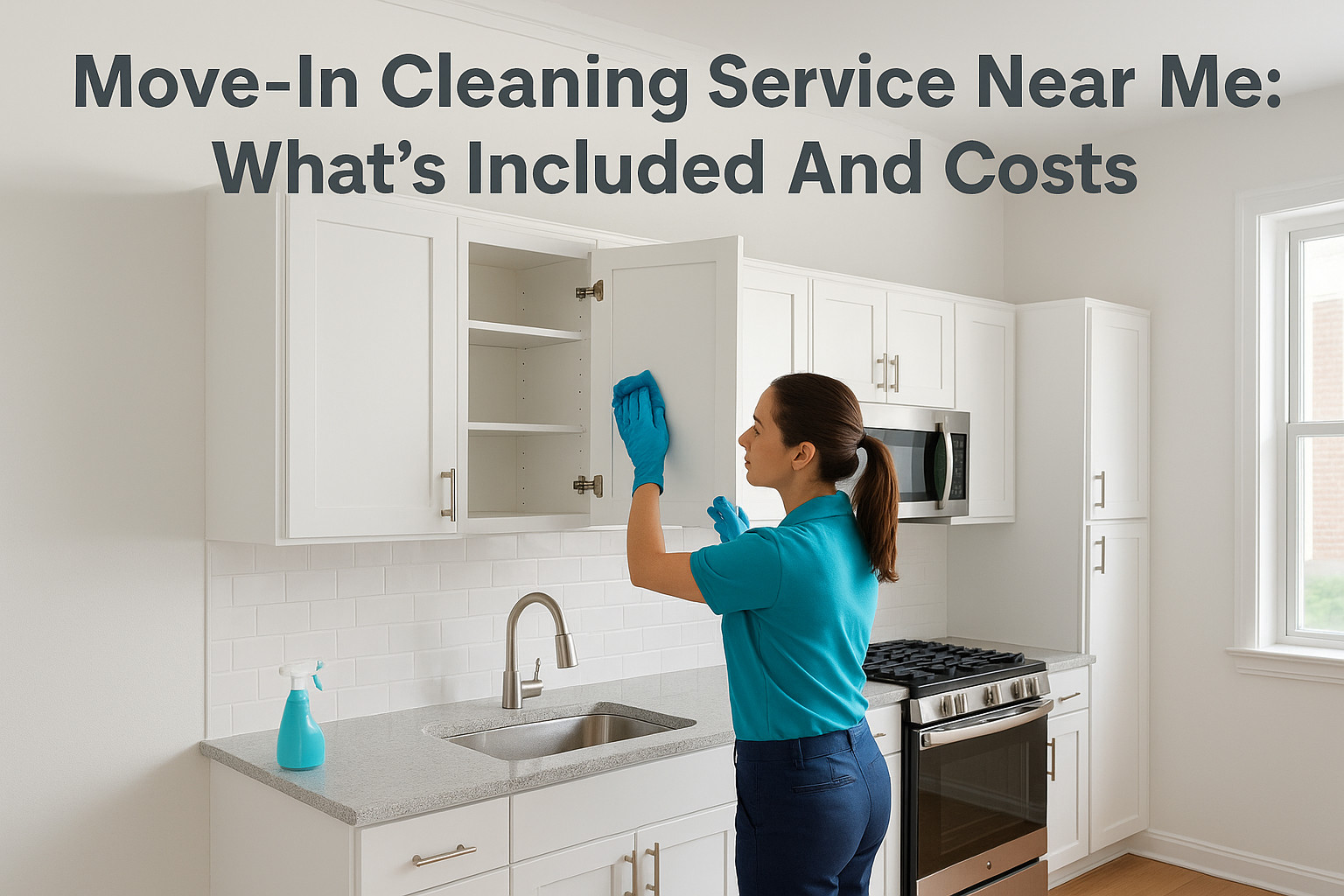
You’ve got keys to a new place, a moving truck scheduled, and a checklist that already feels too long. Searching for a move in cleaning service near me usually means you’re down to the wire and need real answers fast: what actually gets cleaned, who’s trustworthy, and how much it’s going to cost you. A proper move-in cleaning covers far more than a quick wipe-down. It means inside cabinets and drawers, baseboards, light fixtures, appliance interiors, and every corner a previous tenant’s cleaning routine likely skipped. Pricing typically runs by square footage or a flat rate depending on the home’s condition, and getting a clear quote upfront matters more than chasing the lowest number online. In this guide, we break down exactly what’s included in a standard move-in cleaning checklist, what separates it from a regular clean or move-out service, and what New York homeowners can expect to pay. We’ll also cover how to vet a local company, what questions to ask before booking, and why AlphaLux Cleaning’s insured, background-checked teams and eco-friendly products make the transition into your new home easier from day one. Why hiring a local move-in cleaning service matters Moving into a new home in New York means dealing with whatever the last occupant left behind, and that’s rarely a spotless slate. Dust builds up behind appliances, grime cakes onto stovetops, and grout lines hold onto stains you won’t notice until you’re unpacking boxes in bad lighting. A local move-in cleaning service knows the housing stock in your area, whether it’s a prewar co-op in Queens or a newer build on Long Island, and adjusts their approach accordingly. Local crews know what New York homes actually need Apartments in older New York buildings often have radiator covers, window units, and layered paint that trap decades of dust in ways a national chain’s standard checklist won’t anticipate. A regional cleaning company has already cleaned dozens of similar units nearby and knows exactly where buildup hides. That local familiarity translates into a faster, more thorough job than a generic service that treats every property the same. You skip the guesswork on what’s already clean Relying on a landlord’s promise that a unit was "professionally cleaned" before move-in is a gamble most renters lose. Cabinet interiors, closet shelving, and behind-the-fridge spaces are the areas most often skipped, and they’re exactly where allergens and pests can already be settling in. Hiring your own team means someone with fresh eyes and accountability goes through every surface, rather than trusting a checklist you never saw. A clean move-in isn’t about appearances, it’s about not inheriting someone else’s mess. The real cost of doing it yourself Many people try to save money by cleaning the new place themselves over a weekend, squeezed between packing and unloading boxes. The problem isn’t willingness, it’s time and equipment. A professional move-in cleaning typically takes a trained two-person team 3 to 5 hours for an average apartment, using commercial-grade tools you likely don’t own. Task DIY (solo) Professional Team Time required 8-12 hours 3-5 hours Equipment cost $50-150 (one-time purchase) Included in service Cleaning products Standard retail, often not eco-friendly Non-toxic, eco-friendly Missed spots (avg.) High (cabinets, vents, appliances) Low (checklist-driven) Physical exhaustion High, right before unpacking None Booking a background-checked and insured team also removes the liability question entirely. If something gets damaged during a deep clean of an unfamiliar space, an insured company covers it. If you’re doing it yourself, any accident, from a broken light fixture to a cracked tile, comes out of your own pocket. Health matters more than most people realize Dust, mold spores, and leftover cleaning chemicals from a previous tenant can aggravate allergies and respiratory issues, especially for kids or anyone with asthma. The CDC recommends thorough cleaning of surfaces before settling into a new living space, particularly in kitchens and bathrooms where bacteria accumulates fastest (cdc.gov). A professional service using non-toxic products addresses this without adding harsh chemical residue to a space you’re about to spend every day in. Getting this right before you move in also means you’re not cleaning around furniture, boxes, and a family trying to settle in. Timing a professional clean for the day before your move, or the morning of, gives you a genuinely fresh start instead of retroactively scrubbing a lived-in home. What’s included in a move-in cleaning service A standard move-in cleaning service goes well beyond a light dusting. Most companies, including AlphaLux, build their checklist around the areas a previous cleaning crew or landlord typically skips: cabinet interiors, baseboards, light switches, and appliance guts. Knowing exactly what’s covered before you book helps you compare quotes accurately instead of guessing why one estimate is $80 cheaper than another. The core checklist every service should cover Before signing off on any quote, confirm the following tasks are included, since some companies quietly treat these as add-ons: Interior of cabinets and drawers in the kitchen and bathrooms Inside the refrigerator, oven, and microwave Baseboards, door frames, and window sills wiped down Light fixtures, ceiling fans, and switch plates dusted Bathroom deep clean, including grout, tile, and behind the toilet Floors vacuumed and mopped throughout, closets included Interior windows and window tracks wiped Trash removal and final walkthrough If a quote doesn’t mention cabinet interiors and appliance guts, it’s not a real move-in clean, it’s a touch-up. What usually costs extra Certain tasks fall outside the standard scope because they take significantly longer or require specialized equipment. Knowing these upfront prevents surprise charges on the final invoice. Add-on service Why it’s separate Carpet shampooing Requires separate machine and drying time Exterior window washing Needs ladders or professional squeegee tools Wall washing or scuff removal Time-intensive, depends on paint type Garage or basement cleaning Often excluded from square footage pricing Post-construction dust removal Requires heavier-duty equipment Eco-friendly products matter more than people assume Asking what products a company uses isn’t a minor detail. Harsh commercial cleaners can leave chemical residue on countertops and floors right
The Premier Housekeeping Services NYC: Elevating Urban Living in 2026

Imagine it’s Friday afternoon and your weekend plans depend on a pristine apartment, but your cleaner just canceled at the last minute. Or perhaps…
Tile And Grout Cleaning Cost: Average Rates Per Square Foot
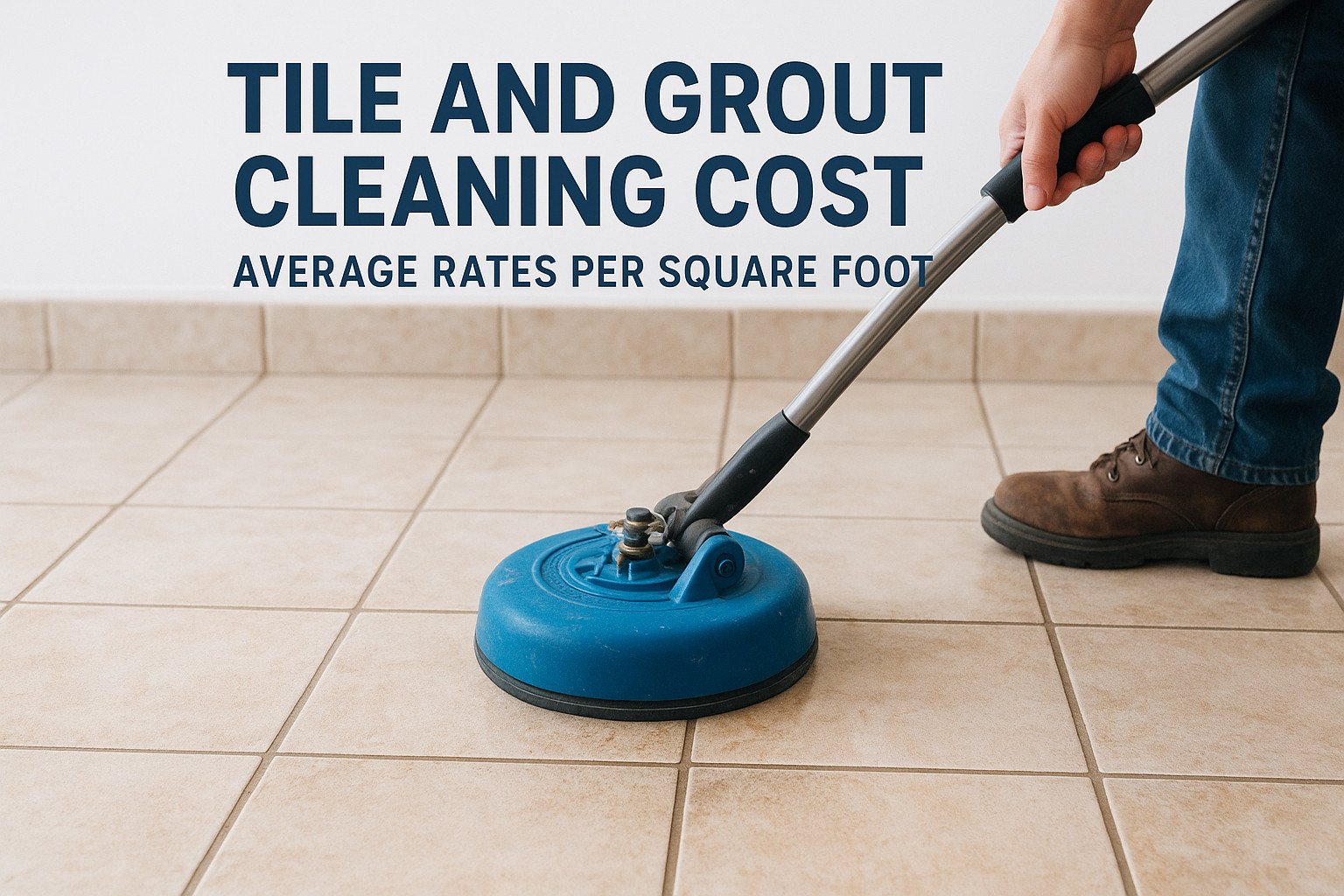
Grout lines trap dirt fast, and once that quote lands in your inbox, you need to know if the number makes sense. Tile and grout cleaning cost typically runs between $0.50 and $3.00 per square foot, depending on the size of the job, how dirty the grout is, and whether sealing is included. If a quote seems way outside that range, something is off, either the scope is bigger than you think or the price is inflated. Most homeowners and businesses want a straight answer before they commit, not a sales pitch. That’s what this guide gives you: real per-square-foot rates, what drives them up or down, and how flat-rate pricing compares to square-footage pricing for larger commercial floors. We’ve cleaned enough kitchens, bathrooms, and office lobbies across New York to know where the pricing tricks hide and where the fair rates actually land. Below, you’ll find a breakdown by room type, factors like grout condition and stain buildup that change your price, and tips for spotting a quote that’s priced fairly versus one that’s padded. Why tile and grout cleaning costs vary so much Ask five cleaning companies for a quote and you’ll likely get five different numbers. That’s normal. Tile and grout cleaning cost shifts based on square footage, grout condition, tile material, and whether the job includes sealing. A 200-square-foot kitchen with light grime costs far less to clean than a 200-square-foot bathroom with years of mildew ground into the lines. Understanding these variables helps you read a quote instead of just reacting to the total. Room size and layout Bigger rooms cost more overall, but the per-square-foot rate often drops as the job scales up. A small powder room might run closer to $3.00 per square foot because the minimum service fee gets spread over so little space. A 1,000-square-foot commercial lobby might land closer to $0.75 per square foot since the crew can move efficiently without constant setup and teardown. Room type Typical size Estimated cost range Bathroom 40-80 sq ft $60-$180 Kitchen 150-300 sq ft $100-$500 Entryway/hallway 50-150 sq ft $50-$250 Commercial lobby 500-1,500 sq ft $400-$2,000 Grout condition and buildup Grime doesn’t clean the same everywhere. Grout that hasn’t been scrubbed in two years takes more time, more product, and often a machine scrubber instead of a hand brush. Heavily stained grout, especially in kitchens with grease or bathrooms with mold, pushes the price toward the top of the range because the crew has to work each line more than once. The dirtier the grout, the higher the labor cost, since time on the floor is what you’re really paying for. Tile material and finish Natural stone tile, like travertine or slate, needs gentler cleaning methods and pH-balanced products to avoid etching the surface. That care takes longer and costs more than cleaning standard ceramic or porcelain tile. Textured tile also traps more dirt in its surface, not just the grout lines, which adds cleaning time beyond what square footage alone suggests. Sealing as an add-on Many quotes separate cleaning from sealing, and that split matters. Sealing protects grout from future staining, but it typically adds $0.50 to $1.00 per square foot on top of the cleaning cost. If a quote already includes sealing, compare it against cleaning-only quotes before assuming it’s overpriced. How to estimate your own tile and grout cleaning cost You don’t need a professional walkthrough to get a ballpark number. Grab a tape measure, multiply length by width for each tiled room, and add the totals together. That square footage is the foundation every cleaning company uses to build a quote, so knowing it before you call puts you in a stronger position to judge what you’re offered. Measure first, then multiply Start room by room instead of guessing a whole-house number. Kitchens, bathrooms, mudrooms, and hallways each have different grout conditions, so separating them gives you a more accurate picture. Measure length and width in feet for each tiled area Multiply to get square footage per room Add up all rooms getting cleaned in the same visit Note which rooms have heavier staining or mildew Apply the rate range to your total Once you have total square footage, multiply it by the low end and high end of the typical range, $0.50 to $3.00 per square foot. That gives you a realistic cost window instead of a single guessed figure. A five-minute measurement turns a vague quote into a number you can actually evaluate. For example, 300 square feet of tile lands between $150 and $900 depending on grout condition, tile material, and whether sealing is included. If your quote falls near the middle of that range and your grout is moderately dirty, it’s probably fair. If it sits above $900 for a straightforward residential job with no stone tile or heavy mold, ask what’s driving the higher rate before you agree to it. A good company will explain the number without hesitation. What drives the price beyond square footage Square footage sets the baseline, but other factors push the final number up or down. Two rooms with identical dimensions can cost differently once you factor in access, minimum fees, and location. Knowing these variables helps you understand why your quote doesn’t match a flat per-square-foot calculator. Furniture and obstacle removal Crews move faster in an empty room than one packed with dining chairs, appliances, or office furniture. If your crew has to shift a refrigerator or clear a conference room before starting, that labor gets added to the bill. Clearing the space yourself before the appointment often shaves cost off the final total, since it removes prep time from the job. Minimum service fees Most companies set a minimum charge regardless of square footage, usually between $75 and $150. This covers travel, setup, and equipment loading, so a tiny 30-square-foot bathroom won’t actually cost $15 even at $0.50 per square foot. Small jobs almost always land at the minimum fee rather than the calculated rate. A
Eco-Friendly Commercial Cleaning NYC: The Definitive 2026 Guide for Businesses

What if the sharp, chemical scent you’ve always associated with a clean office is actually a sign that your workspace is compromised? For many NYC…
Professional Move Out Cleaning Services: What’s Included And Costs
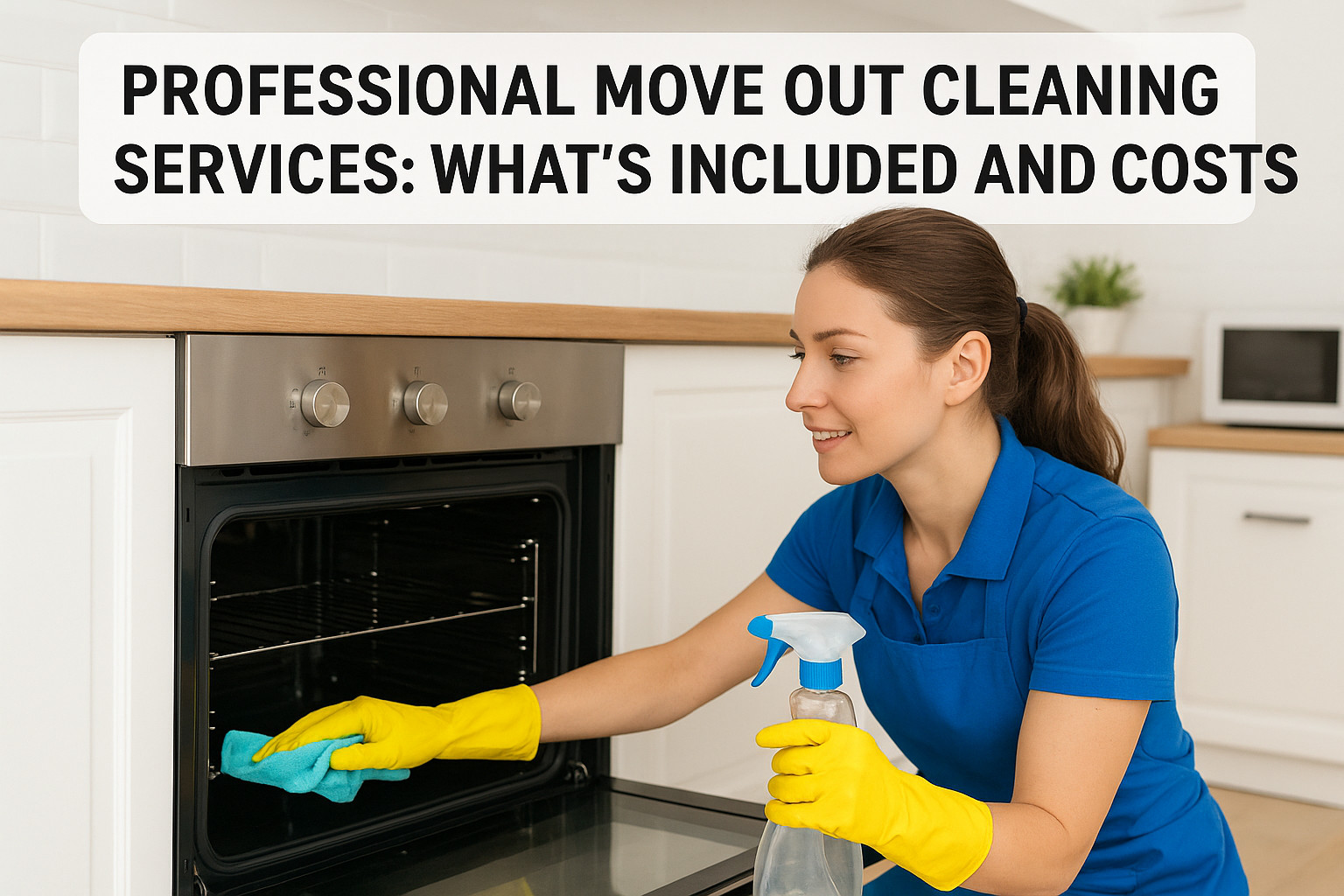
Moving out is chaotic enough without scrubbing baseboards and chasing down security deposit checklists at midnight. If you’re weighing professional move out cleaning services against doing it yourself, you’re probably trying to figure out what you actually get for the price and whether it’s worth handing off the last item on your moving list. Here’s the short answer: a legitimate move-out cleaning covers everything from inside cabinets and appliances to baseboards, light fixtures, and bathroom grout, and pricing in New York typically runs by square footage and property condition rather than a flat rate. Landlords and property managers look for specific things during a walkthrough, and knowing what’s included before you book saves you from paying for a service that skips the details that actually get your deposit back. This guide breaks down exactly what’s covered in a standard move-out cleaning checklist, how pricing works across different home sizes, and what separates a thorough job from a rushed one. You’ll also see how to compare quotes so you’re not surprised by add-on fees once the crew shows up. Why professional move-out cleaning matters for your move Moving out triggers a legal and financial checkpoint that most renters underestimate. Your security deposit sits on the line the moment you hand over the keys, and how clean you leave the unit often decides whether that money comes back to you or gets deducted for "cleaning fees." Landlords aren’t being petty when they scrutinize grout lines and oven interiors during a walkthrough. Most lease agreements spell out a cleanliness standard, and failing to meet it gives property managers a legitimate reason to hold back part or all of your deposit. Your deposit depends on cleanliness, not just condition New York treats security deposits as tenant property that landlords must return within 14 days of move-out, minus itemized deductions for damage or excessive dirt beyond normal wear. That distinction matters. Normal wear covers faded paint or worn carpet paths. It doesn’t cover grease-caked stovetops, moldy grout, or dust-caked vents, and those are exactly the details a professional crew targets. You can read the specifics on tenant rights and deposit rules directly from the New York State Attorney General’s office. Skipping a thorough clean isn’t just risky, it’s often the single biggest reason renters lose deposit money they were otherwise entitled to. A spotless walkthrough is the cheapest insurance you’ll ever buy for your security deposit. What a walkthrough actually checks for Property managers and landlords tend to follow a fairly consistent inspection pattern, even if they never hand you a written checklist. Knowing what they’re looking for helps you understand why a full move-out cleaning checklist goes so far beyond a quick wipe-down: Interior of ovens, refrigerators, and microwaves Cabinet and drawer interiors, including kitchen and bathroom Baseboards, window sills, and light fixtures Grout, tile, and bathroom fixtures for mineral buildup Floors vacuumed and mopped, including closets Windows and mirrors free of streaks Vents and ceiling fans dusted Miss even two or three of these, and you’re handing the landlord a reason to charge you for a cleaning crew after you’ve already left. The time and physical toll of moving Between packing boxes, coordinating movers, transferring utilities, and juggling work or kids, cleaning is usually the task that gets rushed or skipped entirely. Scrubbing baseboards and degreasing an oven takes hours you probably don’t have on your last day in a unit, and doing it while exhausted from lifting furniture rarely produces the deep clean a landlord expects. Physically, deep cleaning involves bending, reaching, and repeated exposure to harsh chemicals in poorly ventilated spaces, which is a rough way to spend your final hours in a home you’re trying to leave behind. Hiring out this last task means you walk away with your energy intact for the actual move. Peace of mind for the next tenant and your reputation Finally, a clean handoff matters beyond your own deposit. If you’re a business vacating a commercial space, a spotless exit protects your company’s standing with the property manager and makes it easier to negotiate future leases or get positive references. Residential tenants benefit the same way. Landlords remember renters who leave a unit ready for the next occupant without a fight over cleaning charges, and that goodwill can matter if you ever need a reference or want to rent from the same landlord again. Treating the final clean as a professional obligation, not an afterthought, protects both your money and your reputation. How to hire a professional move-out cleaning service Hiring the right crew takes more than a quick Google search and a phone call. You want a company that shows up with the right insurance, trained staff, and a clear scope of work before you hand over your keys or your credit card. Skipping this vetting step is how renters end up with a rushed job that fails the landlord’s walkthrough anyway, defeating the entire purpose of paying for help. Vet credentials before you book Start by confirming the company carries general liability insurance and runs background checks on every employee who enters your home. A legitimate cleaning company will tell you this without hesitation, often listing it right on their website. Ask how long they’ve operated in your area and whether they specialize in move-out jobs specifically, since a crew used to weekly maintenance cleans may not know what a landlord’s final inspection actually demands. If a company won’t confirm insurance and background checks upfront, that’s your answer before you even ask for a quote. Run through this quick checklist before booking anyone: Proof of insurance and bonding Background-checked, trained staff Written, itemized quote (not a vague estimate) Clear cancellation and rescheduling policy Satisfaction guarantee or re-clean policy Availability that matches your move-out date Compare quotes line by line Request quotes from at least two or three companies and compare what’s actually included, not just the bottom-line price. A cheaper quote that skips inside-appliance cleaning or baseboards isn’t cheaper once you factor
Professional Apartment Cleaning Services NYC: The 2026 Guide to a Spotless Home

Imagine walking through your front door after a grueling ten-hour day in Midtown, only to be greeted by the scent of fresh lavender and the sight of…
ServiceMaster Carpet Cleaning: Services, Cost, And How It Works
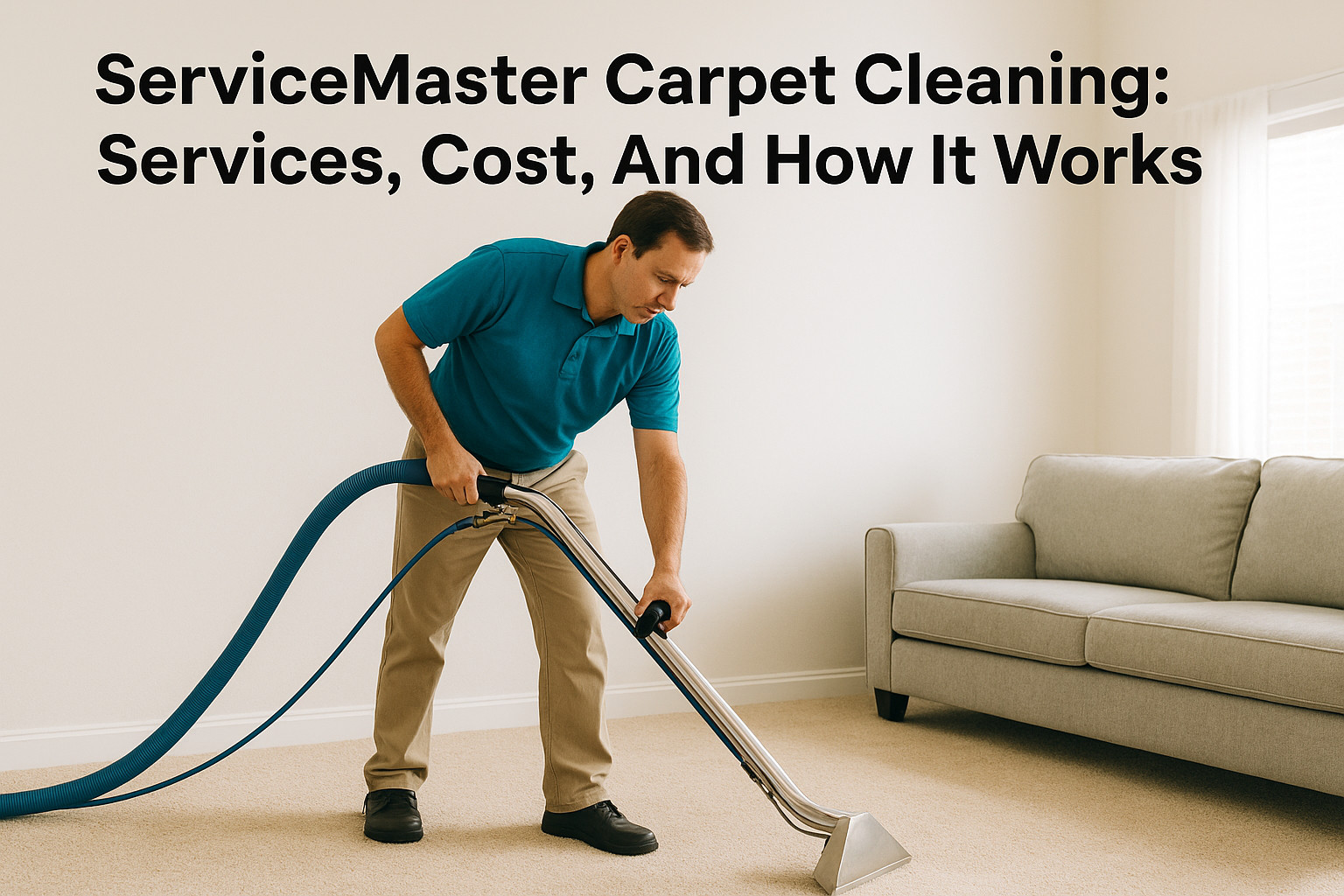
If you searched ServiceMaster carpet cleaning, you’re probably trying to figure out what a visit actually costs and whether it fits your schedule. ServiceMaster is one of the biggest names in the industry, with franchises spread across the country, but pricing, availability, and service quality can shift depending on which local branch picks up your call. That inconsistency is exactly what sends people looking for clear answers before they book anything. This guide breaks down what ServiceMaster’s carpet cleaning actually includes, from stain treatment and deodorizing to the equipment they typically use on-site. You’ll also get realistic cost ranges based on room size and carpet condition, plus a walkthrough of how the booking and service process works from first call to final inspection. We put this together because homeowners and businesses across New York ask us the same questions when comparing cleaning providers. At AlphaLux Cleaning, we see firsthand what separates a rushed job from thorough, detail-focused work, and we want you to know what to expect no matter who ends up on your floors. By the end, you’ll know exactly what questions to ask and what a fair quote looks like. Why professional carpet cleaning matters for your home Carpets trap more than dust. Dead skin cells, pet dander, and ground-in soil work their way past the fibers and settle into the padding underneath, where a household vacuum can’t reach them. Over months, that buildup packs down and turns your carpet into a filter that’s been running nonstop without ever getting cleaned itself. This is why searches for services like ServiceMaster carpet cleaning spike every spring: people notice the dullness and odor long before they can pinpoint the cause. The hidden buildup vacuuming can’t remove Regular vacuuming pulls up surface debris, but it does almost nothing for the oils, allergens, and bacteria that bind to carpet fibers over time. Hot water extraction, the method most professional companies rely on, forces heated water and cleaning solution deep into the pile, then pulls it back out along with the grime it loosens. That process is what separates a genuine deep clean from a quick once-over with a rental machine. A carpet that looks clean on the surface can still be holding months of trapped allergens underneath. Health and air quality benefits Untreated carpets contribute to poor indoor air quality, especially in homes with pets, kids, or anyone dealing with allergies or asthma. The Environmental Protection Agency notes that indoor air can carry pollutant levels several times higher than outdoor air, and soft surfaces like carpet are part of that equation. Removing the buildup that vacuums miss directly reduces the particles circulating through your rooms. Protecting your investment Carpet isn’t cheap to replace, and skipping professional cleaning shortens its lifespan considerably. Grit sitting in the fibers acts like sandpaper every time someone walks across the room, wearing down the backing faster than normal foot traffic alone would. Scheduling a deep clean once or twice a year protects that investment and keeps your home looking cared for instead of tired. How ServiceMaster carpet cleaning works step by step Booking a ServiceMaster carpet cleaning visit follows a fairly predictable sequence, though the exact steps can vary slightly by franchise. Most appointments start with a phone call or online request, followed by an on-site walkthrough where the technician checks carpet type, traffic patterns, and any problem stains before quoting a final price. What happens during the visit Once the technician arrives, the process typically moves through these stages: Pre-treatment of heavily soiled areas and visible stains Furniture moving for accessible spots (heavier pieces usually stay in place) Hot water extraction to lift embedded dirt and cleaning residue Spot treatment for pet stains, grease, or ink marks Grooming the pile so fibers dry evenly and upright Final walkthrough to confirm you’re satisfied before they pack up The real value in professional carpet cleaning isn’t the visit itself, it’s the consistency of the process behind it. Drying time and aftercare Afterward, expect carpets to feel damp for several hours. Most technicians recommend staying off freshly cleaned areas for 6 to 12 hours, using fans or open windows to speed up drying. Some crews leave behind protective foam blocks under furniture legs to prevent staining while everything sets. What affects ServiceMaster carpet cleaning cost Pricing for ServiceMaster carpet cleaning rarely comes from a flat rate card. Franchises typically quote per room or per square foot, then adjust based on what they find during the walkthrough. A one-bedroom apartment with light traffic costs far less than a five-bedroom house with pets and old stains, even though both fall under the same brand name. Room size, soil level, and stain type Square footage sets the baseline, but soil level and stain type move the number up or down fast. Pet urine, red wine, and grease require extra pre-treatment chemicals and labor time, which shows up as an add-on charge. Factor Typical Impact on Price Room size Larger rooms cost more per visit Pet stains/odor Adds treatment fee Heavy traffic areas May need repeat passes Furniture moving Extra labor charge Carpet material Delicate fibers cost more The final price almost always reflects what the technician finds on-site, not just the square footage you booked. Regional pricing differences Geography matters too. Franchises in New York City or Long Island often charge more than rural branches because of labor costs and overhead, so getting a local quote beats trusting a national average you saw online. How to book a ServiceMaster carpet cleaning appointment Getting on the schedule starts with locating the franchise nearest you, since ServiceMaster operates as a network of independently owned branches rather than one centralized dispatch center. Searching the brand name plus your city usually surfaces the right local number or booking form, and most branches respond within a business day. Finding your local franchise Once you’ve found the branch, you’ll typically request a quote by phone or through an online form, then get asked a few basic questions:
The Ultimate End of Tenancy Cleaning Checklist: Secure Your Deposit in 2026
Did you know that cleaning issues are flagged in over 50% of all security deposit disputes? In the high-stakes New York rental market, where a…
5 Signs It Is Time To Upgrade Your Janitorial Service On Long Island
Beyond the Surface: Why Professional House Cleaning is an Investment in Your Health