Window Cleaning Service Cost: 2026 Prices & Factors
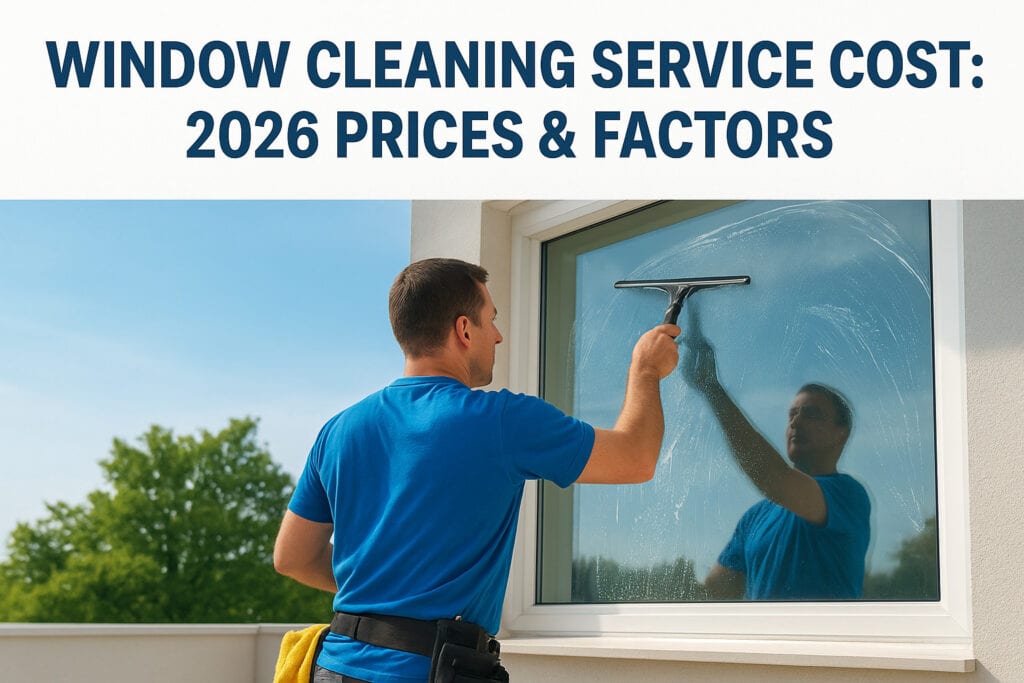
Whether you’re a homeowner with hard-to-reach second-story windows or a business owner keeping your storefront spotless, understanding window cleaning service cost is the first step toward making a smart hiring decision. Prices vary more than most people expect, and without a clear picture of what drives those numbers, it’s easy to overpay or underestimate your budget. Most professionals charge anywhere from $4 to $15 per pane, but the final bill depends on several factors, window type, accessibility, how dirty they are, and where you’re located. In New York especially, pricing can shift significantly from one provider to the next, which is why knowing the breakdown matters before you book. At AlphaLux Cleaning, we handle window cleaning as part of our broader residential and commercial cleaning services across New York state, so we see these pricing questions come up constantly. This guide covers 2026 average costs, per-window and per-project pricing, and the specific factors that push your total up or down, so you can plan with confidence and get exactly what you’re paying for. Why window cleaning pricing varies so much The window cleaning service cost you receive from one company might be double what another quotes you, and that gap is not always about profit margins or quality. Multiple legitimate factors drive those differences, and understanding them puts you in a stronger position when comparing bids or planning your budget. Before you dismiss a higher quote as overpriced or accept a low one without question, it helps to know what goes into each number. Window type and count Your total window count and the type of glass in your home or business is the most direct driver of cost. Standard single-pane windows are straightforward to clean, but double-hung, casement, or specialty windows like skylights, bay windows, or divided-light styles with multiple small panes take longer and require more care. Each additional pane or panel adds labor time, and that time adds up fast across a larger property. A home with 20 basic windows will cost noticeably less than one with 20 skylights or arched frames. When counting your windows for an estimate, count each pane separately rather than each window unit, most professionals price per pane, not per frame. Building height and accessibility How easily a cleaner can reach your windows has a significant impact on your final price. Ground-floor windows are quick to access with basic tools, but second-story and above windows require ladders, extension equipment, or in some commercial cases, scaffolding and safety harnesses. Each step up in height adds both time and equipment cost, which the provider factors into your quote. If your home has windows tucked behind landscaping, above a garage, or at an awkward angle, those access challenges push the price higher as well. Window condition and cleaning frequency A window that has not been cleaned in two or more years takes significantly longer to clean than one maintained on a regular schedule. Hard water stains, oxidation, paint overspray, and heavy dirt buildup all require extra product and labor to clear away. First-time cleanings almost always cost more than recurring visits because of this extra effort. If you set up a routine schedule, whether monthly, quarterly, or seasonal, many providers offer lower rates per visit because the maintenance work stays lighter each time. Geographic location and local market rates Where you live shapes the baseline rate for almost every service, and window cleaning is no different. In New York, rates tend to run higher than national averages because of higher operating costs, insurance requirements, and local wages. Urban areas like New York City typically carry a premium compared to suburban or rural parts of the state, so your specific location within New York plays a real role in what you will pay. 2026 window cleaning service cost ranges Getting a realistic sense of what you will pay before reaching out to providers saves you time and prevents sticker shock. The numbers below reflect current market rates across New York state and align with national 2026 averages, giving you a solid baseline to measure any quote against. Per-pane and per-window pricing Most residential window cleaners base their window cleaning service cost on a per-pane model. A standard interior and exterior cleaning runs between $4 and $8 per pane for basic, ground-level windows. Windows on upper floors or those requiring special equipment typically fall in the $8 to $15 per pane range. The table below gives you a quick reference for common scenarios. Window type Typical cost per pane Ground-floor, standard pane $4 to $8 Second-story window $8 to $12 Skylight or specialty glass $10 to $15 Commercial storefront pane $5 to $10 If a provider quotes you a flat per-project rate without breaking it down by pane or window, ask for that breakdown so you can verify the math. Full-project pricing by home or building size For residential properties, most homeowners pay between $150 and $400 for a full-house cleaning. A smaller home with 15 to 20 standard windows often lands around $150 to $250, while a larger home with 30 or more windows, upper floors, or specialty glass can reach $350 to $400 or beyond. Commercial properties follow a wider range depending on building size and window count. A small retail storefront might run $75 to $150 per visit, while a mid-size office building with multiple floors can run $300 to $700 or more. Frequency discounts are common at the commercial level, so recurring contracts generally bring the per-visit cost down compared to one-time cleanings. Cost factors that change your final price Beyond window count and building height, several specific variables can shift your window cleaning service cost in ways that catch people off guard. Knowing these factors ahead of time helps you ask better questions when requesting a quote and avoid unexpected charges on your final invoice. Interior vs. exterior cleaning Most providers quote both interior and exterior cleaning as a combined service, but some offer exterior-only at a lower rate. Interior cleaning
The Ultimate Post Construction Final Clean Checklist for 2026
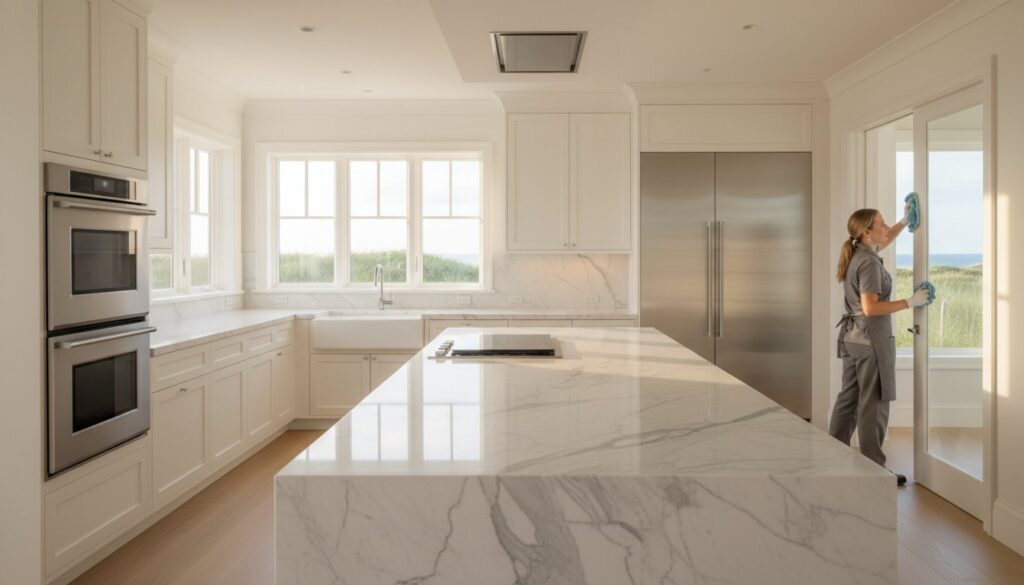
Imagine walking into your newly renovated Manhattan loft after 18 months of meticulous planning, only to find that every surface is coated in a…
How To Clean A Microwave Inside: Fast, No-Scrub Steps
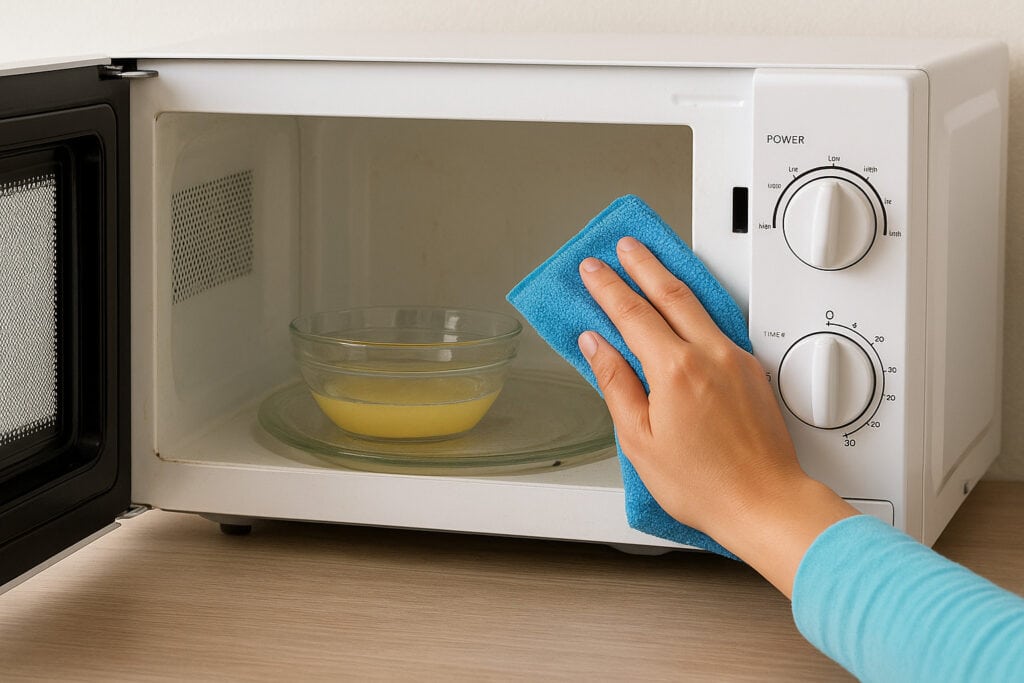
That crusty, splattered mess coating the inside of your microwave didn’t happen overnight, and it’s not going to wipe away with a dry paper towel. If you’ve been wondering how to clean a microwave inside without spending twenty minutes scrubbing hardened tomato sauce off the ceiling, you’re in the right place. The good news: you probably already have everything you need in your kitchen pantry. At AlphaLux Cleaning, we handle deep cleaning for homes and businesses across New York State, and microwaves are one of those spots we see neglected constantly. Our team knows firsthand that stuck-on grease and food splatters come off far easier when you use the right method, not more elbow grease. That’s exactly what we’re sharing here: the same practical approach our professionals rely on, adapted so you can do it yourself between cleanings. Below, you’ll find fast, no-scrub steps using common household items like vinegar, lemon, and baking soda. We’ll walk you through removing caked-on grime, cutting through grease, and getting rid of those lingering odors that hit you every time you open the door. Each method takes just a few minutes of actual hands-on effort, steam does the heavy lifting for you. Before you start: supplies, safety, and what to avoid Running through your supplies and a few safety basics before you start will save you time and prevent damage. Knowing what actually works and what can ruin your microwave takes about sixty seconds to learn and protects an appliance you likely use every single day. What you’ll need You don’t need specialty products to clean a microwave effectively. Most of what you need is already sitting in your kitchen, and the rest costs next to nothing at any grocery store. Here’s a straightforward list of supplies that cover every method in this guide: White distilled vinegar Fresh lemon (or bottled lemon juice) Baking soda Dish soap A microwave-safe bowl or measuring cup Water Microfiber cloths or clean, non-abrasive sponges A soft brush or wooden toothpick for vents Paper towels for quick wipe-downs Microfiber cloths outperform paper towels on the interior walls because they grab grease instead of just pushing it around. If you only stock up on one item, make it white distilled vinegar. It’s the most versatile cleaner in this whole process and pulls double duty as a deodorizer. Safety steps before you begin Before you figure out how to clean a microwave inside, run through a few non-negotiable basics. Never run your microwave empty during the steam step, and always confirm that the bowl or container you plan to use is labeled microwave-safe. Glass and ceramic work well; thin plastic containers can warp or release unwanted chemicals when heated. Always unplug the microwave or let it cool for at least two minutes before you put your hands inside and start wiping. Keep the door open while you work so steam can escape and the cavity cools down faster. If your unit has a built-in exhaust fan, this is also a smart moment to wipe down the filter housing with a damp cloth before it gets overlooked again. What to avoid Some cleaning products people instinctively grab will damage the interior coating or leave behind residue that’s unsafe to heat near food later. Bleach-based sprays can corrode the microwave walls and leave a chemical odor that transfers directly to whatever you cook next. Steel wool and rough scrubbing pads scratch the interior lining and create tiny grooves where bacteria can build up over time. Avoid spraying any liquid directly onto the walls of the microwave. Instead, apply your cleaning solution to a cloth first, then wipe. This keeps moisture away from the vents, control buttons, and door seal, all of which can deteriorate quickly if soaked repeatedly. Step 1. Steam-loosen the mess with water, vinegar, or lemon Steam is the core technique behind how to clean a microwave inside without scrubbing. You heat liquid inside the microwave to generate steam that softens hardened food and grease, so everything lifts off with almost no effort when you go in with a cloth. This single step cuts your cleaning time dramatically compared to attacking a cold, dry interior with force. Choose your method All three options below work well. Your choice comes down to what you have on hand and whether odor removal is a priority for you right now. Method What you need Best for Water only 1 cup of water Light splatters, quick refresh Vinegar 1/2 cup water + 1/2 cup white vinegar Heavy grease, strong odors Lemon 1/2 lemon squeezed into 1 cup water Mild grime, fresh scent Vinegar is the strongest deodorizer of the three, so if your microwave smells stale or burnt, the vinegar method gives you the best results. Run the steam step Pour your chosen liquid into a microwave-safe bowl and place it in the center of the turntable. Set the microwave to high power for three to five minutes, long enough for the liquid to boil and coat the walls with steam. For the lemon method, drop the squeezed half directly into the bowl before heating, which releases more citrus oil into the steam. Once the timer goes off, leave the door shut for an additional three minutes. That trapped steam keeps working on stubborn residue while you wait. Skipping this rest period is the most common mistake people make, and it forces them into unnecessary scrubbing later. Step 2. Wipe the interior clean the right way Once the steam has done its job, open the door and remove the bowl carefully using oven mitts or a towel since it will still be hot. The walls should look wet and the grime should appear soft. Take your damp microfiber cloth and start wiping immediately while the interior is still warm, because the residue hardens again as the temperature drops. Work in the right order Most people wipe randomly and end up redistributing grease instead of removing it. A top-to-bottom, side-to-side sequence keeps you from re-dirtying
Move Out Cleaning Guarantee: Securing Your Deposit in 2026

Imagine standing in your empty Queens apartment after twelve hours of hauling boxes, staring at the grime in the oven that could cost you a $4,200…
Deep Cleaning Hardwood Floors: The Ultimate Guide to Professional Care in 2026
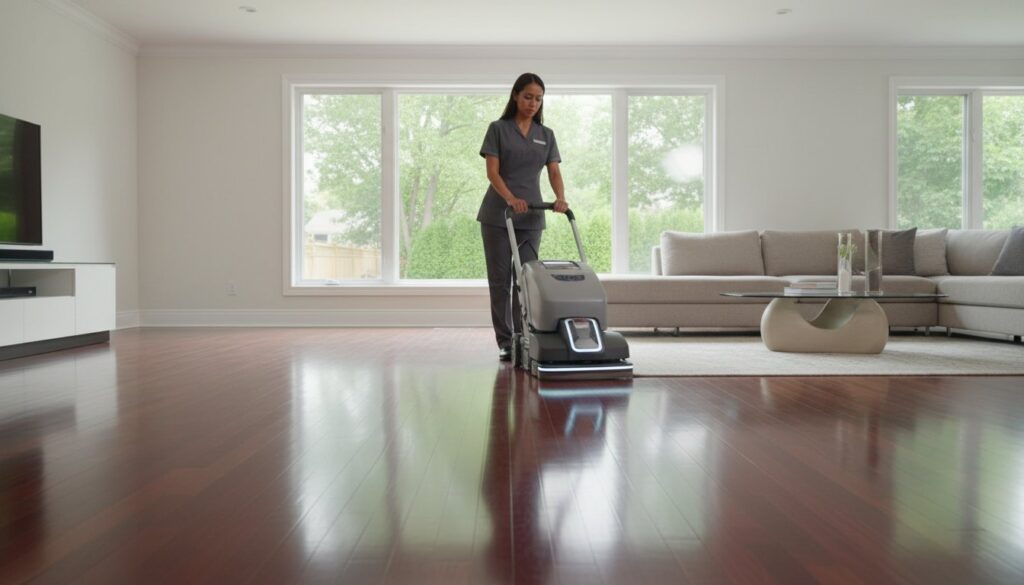
Last February, a Brooklyn homeowner watched as the salt and sand from a single New York snowstorm left their once-vibrant cherry wood floors looking…
Commercial Kitchen Cleaning Service: What’s Included & Cost
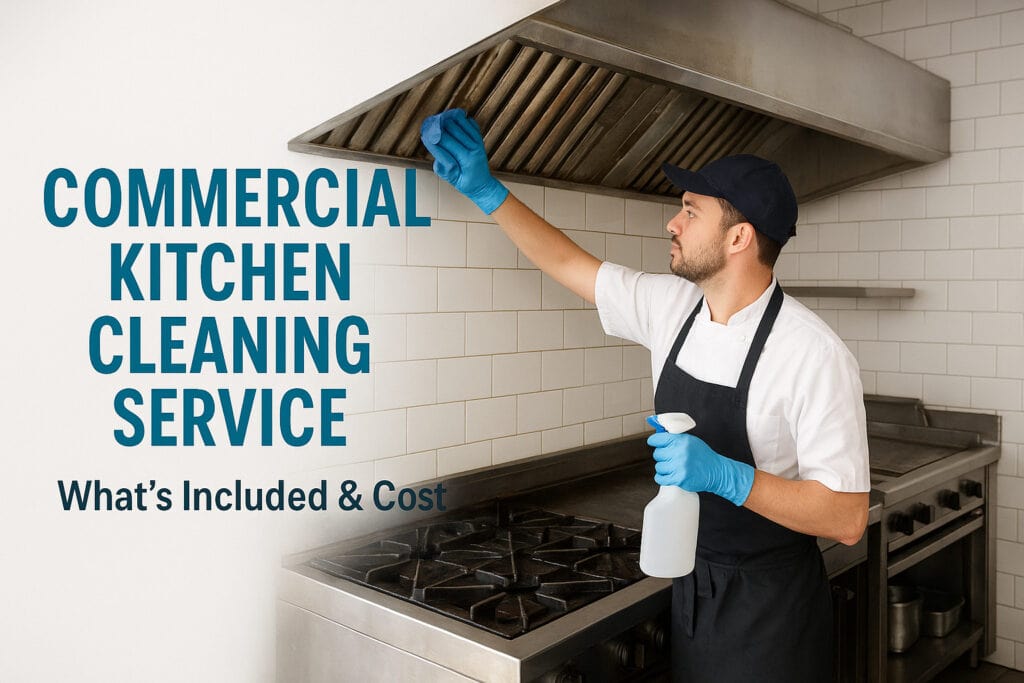
A grease-coated hood, sticky floors, and buildup behind heavy equipment, that’s the reality of any busy kitchen that doesn’t have a solid cleaning routine in place. Hiring a commercial kitchen cleaning service isn’t just about appearances. It’s about passing health inspections, preventing fire hazards, and keeping your kitchen safe for the people who work in it every day. But what does a professional service actually do once they walk through the door? And more importantly, how much should you expect to pay for it? These are fair questions, especially if you’re comparing providers or booking this type of service for the first time. The answers depend on your kitchen’s size, condition, and the specific tasks you need covered, from exhaust hood degreasing to floor-to-ceiling deep cleans. At AlphaLux Cleaning, we provide commercial cleaning services across New York with trained, insured professionals and eco-friendly products that get the job done without cutting corners. Below, we break down exactly what’s included in a commercial kitchen cleaning service, what drives the cost, and how to choose a provider you can trust. Why commercial kitchen cleaning matters Running a commercial kitchen means working under strict health codes and safety regulations that don’t leave much room for error. Regular cleaning isn’t optional for any food service operation; it’s a legal requirement in New York and across the country. If your kitchen fails a health inspection because of grease buildup, pest activity, or unsanitary surfaces, you risk fines, temporary closure, or losing your operating license entirely. Health code compliance and inspections The FDA Food Code sets baseline sanitation standards that state and local agencies enforce through regular inspections. In New York, the Department of Health conducts unannounced visits and grades your facility based on cleanliness, equipment condition, and food handling practices. A professional commercial kitchen cleaning service covers the areas inspectors look at most closely, including grease traps, ventilation hoods, prep surfaces, and floor drains. Failing a single inspection can cost you thousands in fines and damage your reputation far beyond what any deep clean would have cost in the first place. Inspectors also look at documentation and cleaning logs. Some cleaning companies provide written records of what was cleaned and when, which gives you evidence of due diligence if questions arise during a visit. Fire safety and equipment lifespan Grease is the leading cause of commercial kitchen fires, and the National Fire Protection Association’s NFPA 96 standard outlines how often exhaust systems need to be cleaned based on cooking volume. Skipping that schedule doesn’t just put your kitchen at risk; it can also void your insurance coverage if a fire occurs and records show the system wasn’t maintained on schedule. Regular cleaning also extends the life of your equipment. Ovens, fryers, and ventilation systems that collect grease and grime work harder, wear out faster, and cost significantly more to repair or replace. What’s included in a commercial kitchen cleaning A commercial kitchen cleaning service covers far more than wiping down counters at the end of a shift. Providers work through a structured list of high-risk areas that accumulate grease, bacteria, and debris over time, areas your staff’s nightly cleaning won’t fully address. Surface and Equipment Degreasing Professional cleaners break down built-up grease on cooking equipment, including ovens, fryers, flat-tops, and grills. They also sanitize prep surfaces, cutting boards, and countertops using food-safe methods that eliminate bacteria your standard cleaning products typically miss. Equipment that gets degreased on a consistent schedule runs more efficiently and breaks down far less often, which directly lowers your repair and replacement costs. Hood, Ventilation, and Drain Cleaning Your exhaust hood and ventilation system collect grease faster than any other area in the kitchen. Crews remove and degrease hood filters, clean accessible ductwork, and clear floor drains and grease traps to prevent blockages and odors. Beyond the primary surfaces, most services also cover: Walls and backsplashes behind cooking equipment Floor surfaces beneath and around heavy appliances Cold storage units and walk-in cooler interiors These areas stay untouched during daily cleaning but carry real risk during inspections if they’re neglected. Commercial kitchen cleaning cost and pricing factors Pricing for a commercial kitchen cleaning service varies based on several factors, and getting a clear estimate upfront saves you from unexpected costs. Most providers charge between $150 and $1,000 or more per visit, depending on the scope of work and the condition of your kitchen. Key factors that affect your quote The size of your kitchen is the biggest driver. A small café costs less to clean than a large restaurant or hotel kitchen with multiple cooking stations and heavy equipment. Beyond size, these factors push your price up or down: Frequency of service: Regularly scheduled cleanings cost less per visit than one-time deep cleans Level of buildup: Heavy grease accumulation takes more time and labor to remove Hood and duct cleaning: Exhaust system work is often priced separately from general kitchen cleaning Location: Urban areas in New York typically carry higher service rates than suburban ones Getting a detailed, written quote that breaks down each service line prevents billing surprises and helps you compare providers accurately. Your best move is to request itemized estimates from at least two providers before committing, so you know exactly what each one covers and can hold them to it. How often to schedule commercial kitchen cleaning Cleaning frequency depends on how heavily your kitchen operates and what type of cooking you do. A high-volume restaurant running two shifts daily needs far more frequent professional attention than a small café with limited fry cooking. The NFPA 96 standard provides a baseline for hood cleaning intervals, but your overall cleaning schedule should cover much more than just the exhaust system. Daily, Weekly, and Monthly Tasks Your staff should handle basic sanitation every day, including wiping down surfaces, cleaning equipment exteriors, and clearing floor drains. A professional service steps in for the deeper work your team can’t realistically complete during a shift. Most food service operations benefit from scheduling
Commercial Cleaning Contracts NYC: The 2026 Business Owner’s Guide

On a Tuesday morning in January 2025, a Midtown office manager discovered that their “comprehensive” service agreement didn’t actually cover…
10 Best Maid Service Near Me Options In New York (2026)
Finding a reliable maid service near me is one of those searches that looks simple until you actually start comparing options. New York has no shortage of cleaning companies, but the difference between a good one and a great one comes down to trust, consistency, and real attention to detail, things you can’t always judge from a website alone. We put this list together because, as the team behind AlphaLux Cleaning, we know what separates professional cleaning services from the rest. We’ve built our own reputation across New York by focusing on vetted, insured staff and eco-friendly products, so we understand exactly what you should be looking for when hiring someone to clean your home or office. That perspective shaped every recommendation on this list. Below, you’ll find 10 of the best maid service options available in New York right now, broken down by what they do well, where they operate, and what they charge. Whether you need a one-time deep clean or recurring weekly service, this guide will help you compare your options quickly and book with confidence. 1. AlphaLux Cleaning AlphaLux Cleaning ranks first on this list because it’s built specifically around what New York residents and businesses actually need: reliable, customized cleaning from professionals you can trust in your space. This is not a national franchise where your home is just another ticket in the queue. What AlphaLux Cleaning offers AlphaLux provides professional residential and commercial cleaning with plans tailored to your space and schedule. The focus is on consistency and attention to detail, so every visit meets the same high standard whether it’s your first clean or your fiftieth. Where AlphaLux Cleaning operates in New York The company serves Long Island and the broader New York area, covering both homes and offices. If you’re unsure whether your address falls inside the service zone, you can check directly on the AlphaLux website or request a free estimate to confirm. How booking and scheduling works You can book online or request a free estimate through the AlphaLux website in a few minutes. They offer flexible scheduling, including one-time appointments, weekly service, and bi-weekly cleans, so you choose the frequency that fits your life. Cleaning options and add-ons AlphaLux offers standard recurring cleans, deep cleans, and move-in/move-out cleaning. You can also customize any visit with add-ons that target specific rooms or tasks requiring extra time. This flexibility makes it easy to adjust your plan as your needs change. A move-in or move-out clean is especially practical if you’re on a tight handover timeline and need the property spotless before a landlord walkthrough. Staff screening, insurance, and supplies Every cleaner is background-checked, fully insured, and professionally trained before they enter your home. AlphaLux also uses eco-friendly, non-toxic cleaning products, which is a real advantage if you have children, pets, or anyone in your household sensitive to harsh chemicals. Pricing and estimates AlphaLux provides free estimates rather than quoting a flat rate before understanding your space. Your final price depends on the property size, clean type, and any add-ons you select. You can request your estimate directly through their website with no obligation to book. 2. Molly Maid Molly Maid is one of the most recognized franchise cleaning brands in the country, with a long operating history and locations spread across multiple states including New York. If you’re searching for a maid service near me through a name you already recognize, Molly Maid is a common first stop for many homeowners. What Molly Maid offers Molly Maid focuses on residential cleaning services built around recurring visits. Their teams follow a consistent cleaning process designed to cover the standard areas of your home on each appointment. Availability across New York The company runs through franchise locations, so coverage depends entirely on which franchise serves your zip code. New York City, Long Island, and surrounding metro areas tend to have coverage, but you’ll need to verify your specific address on their website before expecting service. How booking and scheduling works You can request an in-home estimate before committing to any plan. Scheduling is managed through your local franchise office, so response times and booking processes can vary from one location to the next. Cleaning options and add-ons Molly Maid centers its business on recurring home cleaning, though many locations also offer one-time visits and seasonal cleans. Specific add-ons depend on the franchise, so confirm what your local office provides before you book. If you need a move-out clean or any specialty service, call the local franchise directly since offerings differ by location. Staff screening, insurance, and supplies Teams arrive insured and trained through the Molly Maid system. Cleaners bring their own supplies and equipment, so you don’t need to prepare anything before they show up. Pricing and estimates Molly Maid does not list flat-rate pricing online. Your quote depends on your home size and cleaning frequency and gets delivered after an initial consultation with the local franchise. 3. Merry Maids Merry Maids is another nationally recognized cleaning franchise that often shows up when you search for a maid service near me in New York. The brand has been operating for decades and positions itself around consistent, professional home cleaning through a structured team-based model. What Merry Maids offers Merry Maids focuses on residential cleaning with a room-by-room approach that covers standard living spaces. Their teams follow a set cleaning process to deliver predictable results across each visit. Availability across New York Coverage depends on which franchise location serves your zip code. You will find locations across several parts of New York, but service availability varies, so confirm your address on their website before expecting an appointment. How booking and scheduling works You can request a free in-home estimate before committing to any schedule. From there, your local franchise handles all booking, scheduling, and communication directly. Cleaning options and add-ons Merry Maids centers its core offering on recurring house cleaning, but many franchise locations also provide one-time or seasonal services. Specialty tasks and
How to Save Time with a Cleaning Service: Reclaiming Your Life in 2026

What if the secret to gaining an extra 520 hours of freedom in 2026 wasn’t a new productivity app, but a professional vacuum? You likely spend your…
How Much Does a House Cleaning Service Cost in 2026?
Before you hire a cleaning crew, you probably want a straight answer to one question: how much does a house cleaning service cost? The honest answer is that it depends, on the size of your home, the type of cleaning you need, where you live, and the company you choose. A quick session for a studio apartment and a full deep clean of a four-bedroom house are two very different jobs with very different price tags. At AlphaLux Cleaning, we get this question all the time from homeowners and business managers across New York. We believe transparent pricing builds trust, which is exactly why we put together this guide. You shouldn’t have to request a dozen quotes just to understand what’s reasonable. Knowing the typical cost ranges ahead of time helps you budget smarter and spot red flags faster. This article breaks down current 2026 pricing by home size, cleaning type, and pay structure, hourly rates versus flat fees. We’ll also cover what separates a standard maintenance clean from a professional deep clean and explain the factors that push costs up or bring them down. By the end, you’ll have a clear picture of what to expect before you ever pick up the phone. What drives house cleaning prices in 2026 Several variables work together to determine how much a house cleaning service costs for your specific situation. Understanding these factors upfront puts you in a stronger position when comparing quotes, because you’ll know exactly which variables are moving the price in either direction rather than guessing at a random number. Home Size and Current Condition The most direct price driver is square footage. A 600-square-foot studio takes far less time and product than a 2,500-square-foot four-bedroom home, and cleaning companies price accordingly. Many services charge by the room or total square footage, which is why two homes with the same bedroom count can carry very different price tags if one has larger common areas or an additional bathroom. Current condition matters just as much as size. A home that gets cleaned every two weeks requires far less effort per visit than one that hasn’t been touched in months. If your space has heavy grease buildup in the kitchen, pet hair throughout, or bathroom fixtures with stubborn mineral deposits, expect your initial quote to reflect the extra labor involved. A home in poor condition can cost 50% to 100% more to clean on the first visit compared to a well-maintained property of the same size. Cleaning Type and Visit Frequency Standard maintenance cleans cover routine tasks: vacuuming, mopping, wiping surfaces, cleaning bathrooms, and tidying kitchens. A deep clean goes further, scrubbing grout, cleaning inside appliances, washing baseboards, and addressing buildup that regular visits skip. Deep cleans cost more because they take significantly longer and require more product. Frequency also shapes your per-visit price. Weekly or biweekly clients almost always pay less per session than someone who books a one-time clean. Cleaning companies reward consistent scheduling because repeat clients keep homes in a manageable state, which reduces time and effort on every return visit. Location and the Company You Choose Where you live directly affects labor costs and overhead. New York has higher wages and operating costs than most states, so rates reflect that reality. Within New York, pricing can also vary between regions, with Long Island and New York City typically running higher than upstate areas. The type of provider you choose changes the price too. Independent cleaners often charge less per hour, but they may not carry liability insurance or conduct background checks on their staff. Professional cleaning companies factor in vetted employees, insurance coverage, eco-friendly products, and consistent training. Those elements add real value even when the rate looks higher on paper, because you’re not just paying for a clean space, you’re paying for reliability and peace of mind every time someone enters your home. Average house cleaning costs in New York New York ranks among the more expensive states for cleaning services, so knowing the going rates helps you judge whether a quote is fair. Professional cleaning companies in New York typically charge between $100 and $300 for a standard clean, depending on home size and condition. One-time cleans and deep cleans push toward the higher end of that range. Pricing by Home Size Your square footage and bedroom count are the fastest way to estimate your cost. Below are typical price ranges for standard maintenance cleans from professional companies operating in New York. Home Size Estimated Cost Studio or 1-bedroom $100 – $150 2-bedroom apartment or house $130 – $190 3-bedroom house $175 – $240 4-bedroom house $220 – $300+ These figures reflect standard recurring cleans. First-time visits and deep cleans typically add $50 to $100 or more on top of these baselines, because more labor is involved in getting the space to a maintainable standard. If your home hasn’t been professionally cleaned in over three months, budget for a deep clean on the first visit rather than a standard rate. Recurring vs. One-Time Rates Booking a recurring cleaning schedule almost always lowers your per-visit cost. Many New York cleaning services offer 10% to 20% discounts for weekly or biweekly clients compared to one-time bookings. That discount reflects a real operational difference. A consistently maintained home requires less time and fewer products per visit, which works in your favor financially. So if you’re asking how much does a house cleaning service cost for a single appointment, expect to pay closer to the top of those ranges listed above. Recurring clients capture genuine savings over time while keeping their space in better condition between visits. Hourly vs flat rate pricing explained When you ask how much does a house cleaning service cost, the answer often depends on whether a company charges by the hour or by a flat fee. Both structures are common in New York, and each has advantages depending on your situation. Understanding the difference helps you compare quotes accurately and avoid surprises when