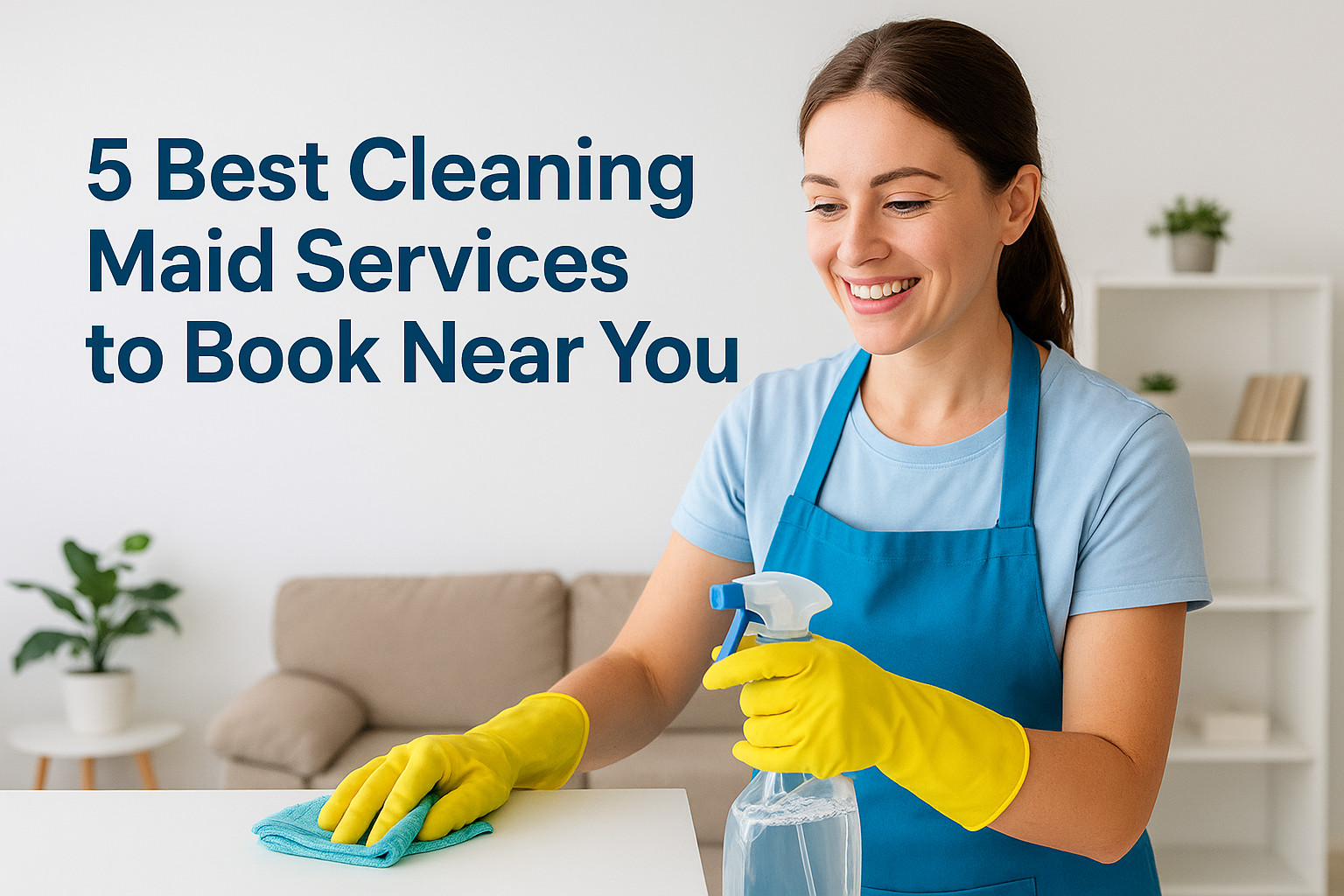
5 Best Cleaning Maid Services to Book Near You
Finding a cleaning maid service you can actually trust shouldn’t take hours of scrolling through mixed reviews and vague pricing pages. Whether your house needs a deep scrub before guests arrive or your office is overdue for a real cleanup, you want a company that shows up on time, does thorough work, and doesn’t cut corners on the details that matter. This guide gets straight to it. We’ve narrowed down the top house cleaning services in New York, including options that work well for families searching for senior house cleaning services near me, where safety, gentle products, and dependable scheduling matter most. You’ll see what each service specializes in, how their pricing typically breaks down, and what real customers say about the results. We put together this list based on service range, staff vetting, use of eco-friendly products, and flexibility for weekly, one-time, or move-in/move-out cleanings. By the end, you’ll know exactly which service fits your home, your office, and your budget, so you can book with confidence instead of guessing. 1. AlphaLux Cleaning AlphaLux Cleaning tops this list because it treats every job, whether it’s a Long Island townhouse or a Manhattan office suite, with the same level of care you’d expect from a service built for your specific space. Homeowners across New York State turn to them when they want a cleaning maid service that actually customizes the visit instead of running a generic checklist and calling it done. What they offer AlphaLux runs a full menu of residential and commercial cleaning, including recurring weekly or biweekly visits, one-time deep cleans, and move-out cleaning packages for anyone transitioning between homes. Every crew member is background-checked, fully insured, and trained to use eco-friendly, non-toxic products, which matters if you have kids, pets, or anyone with sensitivities at home. A cleaning service is only as good as the trust you place in the people who walk through your door. Who it’s best for This service suits busy families, dual-income households, and small business owners who want a dependable crew on a set schedule rather than a rotating cast of unknown cleaners. It’s also a strong match for people researching senior house cleaning services near me, since the gentle products and consistent, vetted staff give adult children peace of mind about an aging parent’s home. Pricing AlphaLux offers free, no-obligation estimates based on square footage, cleaning frequency, and the scope of work, so you never get a surprise invoice. Recurring plans typically cost less per visit than one-time deep cleans, which reflects the extra time needed to tackle buildup on the first pass. How to book Booking takes a few minutes when you book house cleaning online, where you pick a date, describe your space, and get a quote before confirming anything. 2. National franchise cleaning companies Brands like Merry Maids or Molly Maid operate through local franchise owners who follow a standardized playbook for training, supplies, and quality checks. If you’ve moved across state lines before, you’ve probably seen these names on moving trucks or yard signs, since national coverage is their biggest selling point. What they offer Most franchises stick to a standardized cleaning checklist that covers kitchens, bathrooms, and common living areas, with add-ons for ovens, windows, or laundry. You’ll get the same general process at every location, though the actual crew and quality can shift depending on which franchise owner runs your local branch. Consistency in branding doesn’t always mean consistency in the crew that shows up at your door. Who it’s best for These work well for people who relocate often and want a recognizable name rather than researching a new cleaning maid service in every city. Pricing Expect flat-rate packages based on home size, often running higher than local independents for comparable work, so it helps to know average maid service rates by home size first. How to book Most franchises take bookings online or by phone through a corporate scheduling system. 3. Local independent maid services Small, family-run cleaning businesses still dominate many New York neighborhoods, especially in suburbs and smaller towns where a local independent maid service knows the area’s housing stock inside out. Owners often clean alongside their own crews, which can mean a more hands-on relationship than you’d get from a bigger operation. What they offer Services typically include standard house cleaning, occasional deep cleans, and sometimes laundry or dish duty as an add-on. Supplies and product quality vary widely from one owner to the next, so ask directly if eco-friendly options matter to you. The smaller the company, the more the owner’s standards become your standards. Who it’s best for Homeowners who value a personal relationship with their cleaner, and who don’t mind doing the extra vetting themselves, tend to do best here, especially if they know what to look for when hiring a reliable maid service. Pricing Rates run lower than franchises on average, often negotiable hourly pricing rather than fixed packages, but expect wide swings between providers. How to book Booking usually happens by phone, text, or a simple contact form, with fewer online scheduling tools than larger companies offer. 4. On-demand cleaning apps and marketplaces Apps like TaskRabbit or Handy connect you with independent cleaners through a marketplace platform, letting you book a single visit from your phone in minutes. This model works differently from a traditional cleaning maid service because you’re hiring an individual contractor vetted by the platform, not a dedicated company crew. What they offer Most marketplaces offer one-time or recurring bookings, with the cleaner bringing their own supplies unless you specify otherwise. You pick a time slot, add notes about your space, and the app matches you with an available worker nearby. Convenience shouldn’t come at the cost of knowing who’s actually cleaning your home. Who it’s best for Renters, young professionals, and anyone needing a last-minute booking before guests arrive tend to gravitate toward these apps. Pricing Rates run per hour, often with platform fees added on top, and can spike
Professional Home Cleaning Services in Long Island: The 2026 Homeowner’s Guide

Nearly 80% of dual-income households in the U.S. now rely on professional support to manage their living spaces. For many residents, finding reliable…
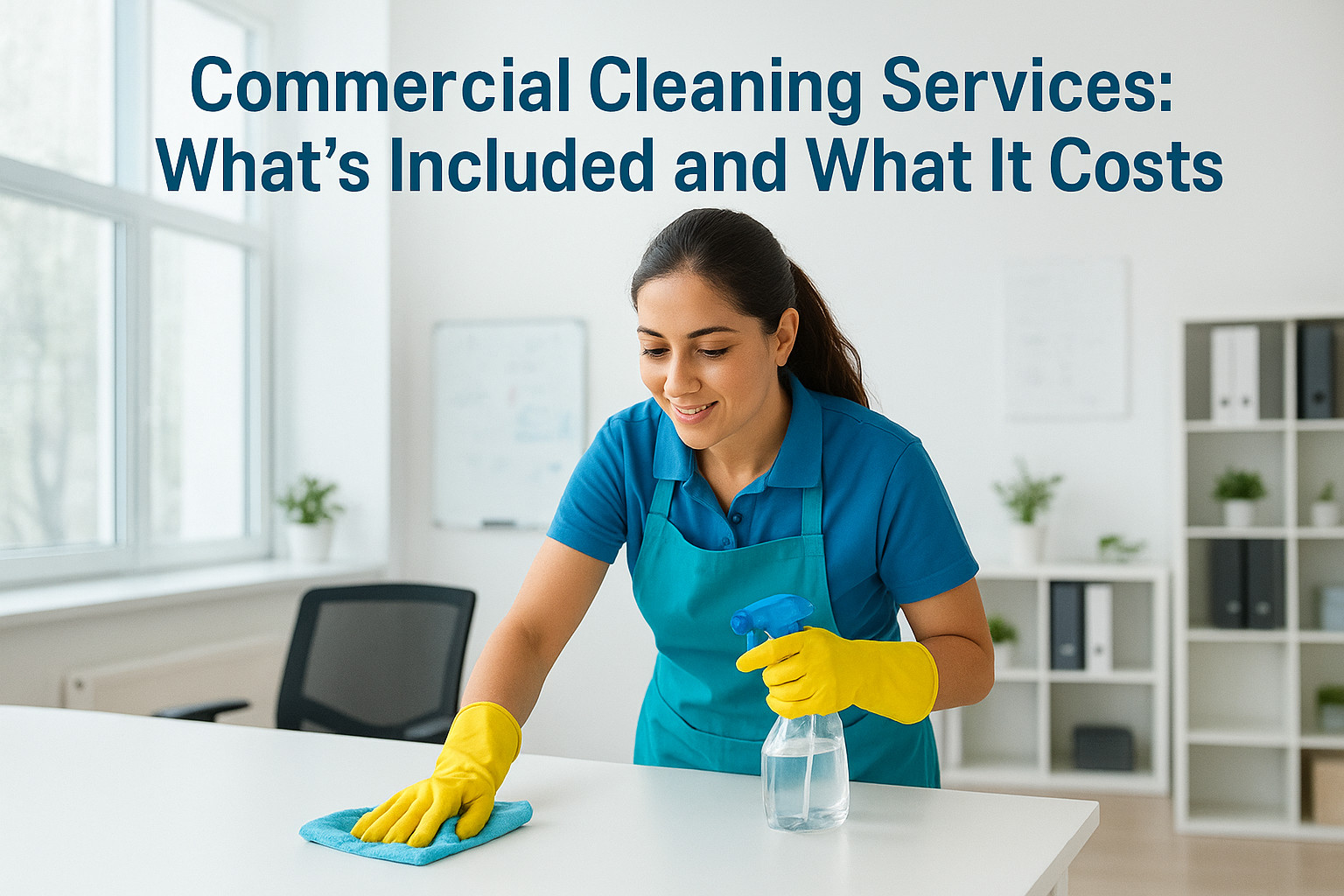
Commercial Cleaning Services: What’s Included and What It Costs
Your office looks fine on a Tuesday morning, but by Friday afternoon the trash cans are overflowing, the break room smells like last week’s lunch, and someone’s asked why the bathrooms haven’t been restocked. If you’re searching for cleaning services commercial providers, you’re probably past the point of wondering whether you need help and onto the harder question: what do you actually get for your money. Most business owners hit the same wall when they start calling around. Quotes vary by hundreds of dollars, service lists read differently from one company to the next, and nobody explains what’s standard versus what costs extra. This article breaks down exactly what’s typically included in a commercial cleaning contract, from daily trash removal to periodic deep cleans, so you know what to expect before you sign anything. We’ll also walk through realistic pricing ranges based on square footage, cleaning frequency, and property type, plus the factors that push costs up or down. Whether you manage a small office, a retail space, or a larger commercial building in New York, you’ll leave with a clear picture of what a professional cleaning plan should cover and how to evaluate the estimate sitting in your inbox right now. Why commercial cleaning matters for your business A dirty workplace costs you more than embarrassment. Studies from the Centers for Disease Control and Prevention link poor indoor cleanliness to higher rates of illness transmission, which means more sick days and the hidden cost of a dirty workspace on employee productivity across your team. When you invest in regular commercial cleaning, you’re not just tidying up, you’re protecting the health of everyone who walks through your door, from employees to customers to vendors. First impressions still decide deals Clients judge your business before you say a word. Sticky counters, dusty vents, and grimy carpets tell visitors you don’t sweat the details, and that impression follows you into every negotiation, which is exactly how commercial cleaning elevates your business image. A consistent cleaning schedule keeps your space looking sharp without you having to think about it, which matters most on the days you can’t predict who’s walking in. Clean spaces don’t just look better, they change how people feel about doing business with you. Protecting your investment and your team Neglected floors, HVAC systems, and upholstery wear out faster and cost more to replace. Routine maintenance from a professional crew catches problems early, whether that’s a spill soaking into carpet fibers or grease buildup in a kitchen area. Businesses that skip this step often end up paying for emergency deep cleans or premature replacements down the road. Beyond the physical space, cleanliness affects morale. Teams working in a fresh, organized environment report feeling more valued and focused, according to workplace studies from the Occupational Safety and Health Administration. That translates into fewer complaints, better retention, and a workplace people actually want to show up to. For any business weighing the decision, the math is simple: preventative cleaning costs less than the alternative, whether that alternative is lost productivity, damaged property, or a client who never calls back. How to choose the right commercial cleaning service Picking a vendor comes down to trust and verification, not just the lowest quote. Ask for proof of insurance and bonding, check how long they’ve operated in your area, and request references from businesses similar in size to yours. A company that hesitates to share this information is telling you something important before you’ve signed anything, so it helps to know how to choose a commercial cleaning company in the first place. Questions worth asking before you sign Run through this checklist with any provider you’re considering: Are staff background-checked and trained, not just hired off a temp list? Do they use eco-friendly, non-toxic products, especially if you have staff with allergies or sensitivities? Can they offer a customized cleaning plan based on your hours and traffic patterns? Is pricing transparent, with no vague add-on fees buried in the contract? Do they carry general liability insurance you can verify directly? The right cleaning partner answers every question above without hesitation, because they’ve already proven it to other clients. Local experience matters more than you’d think Companies familiar with New York commercial properties understand building access rules, freight elevator schedules, and after-hours security protocols that out-of-state chains often miss. That local knowledge saves you headaches nobody warns you about upfront. What’s typically included in a commercial cleaning plan Most contracts split work into two buckets: daily upkeep and periodic deep cleaning. Daily tasks cover trash removal, restroom sanitizing, break room wipe-downs, and vacuuming high-traffic areas. Periodic work, usually scheduled weekly or monthly, handles floor stripping and waxing, window washing, and detailed dusting of vents, blinds, and baseboards that daily service skips. Ask your provider for a written office cleaning scope of work before you compare quotes, since office cleaning services vary widely in what counts as standard. Service Category Typical Frequency What’s Covered General upkeep Daily or nightly Trash removal, restrooms, break rooms, surface dusting Floor care Weekly or monthly Vacuuming, mopping, stripping and waxing hard floors Deep cleaning Monthly or quarterly Vents, blinds, baseboards, upholstery, high-touch disinfecting Windows Monthly or as needed Interior and exterior glass, sills, frames Specialty add-ons As requested Carpet shampooing, post-construction cleanup, event turnover A solid cleaning plan spells out exactly what happens daily versus monthly, so nothing falls through the cracks. Specialty services like carpet shampooing or post-construction cleanup usually cost extra, and post construction cleaning pricing works on its own set of rates, so confirm whether your quote includes them or treats them as add-ons before your first invoice arrives. What commercial cleaning services cost Pricing depends on square footage, cleaning frequency, and property type, so two businesses on the same street can pay very different rates. Most estimates land between $0.10 and $0.20 per square foot for standard daily service, and our full breakdown of office cleaning rates per square foot shows how deep cleaning or specialty
Professional Housekeeping Services: The Ultimate Guide to Reclaiming Your Time

Recent data indicates that 41% of U.S. households now rely on professional housekeeping services to maintain their quality of life in an increasingly…
Flooded Carpet Cleaning: 5 Steps to Save Your Home
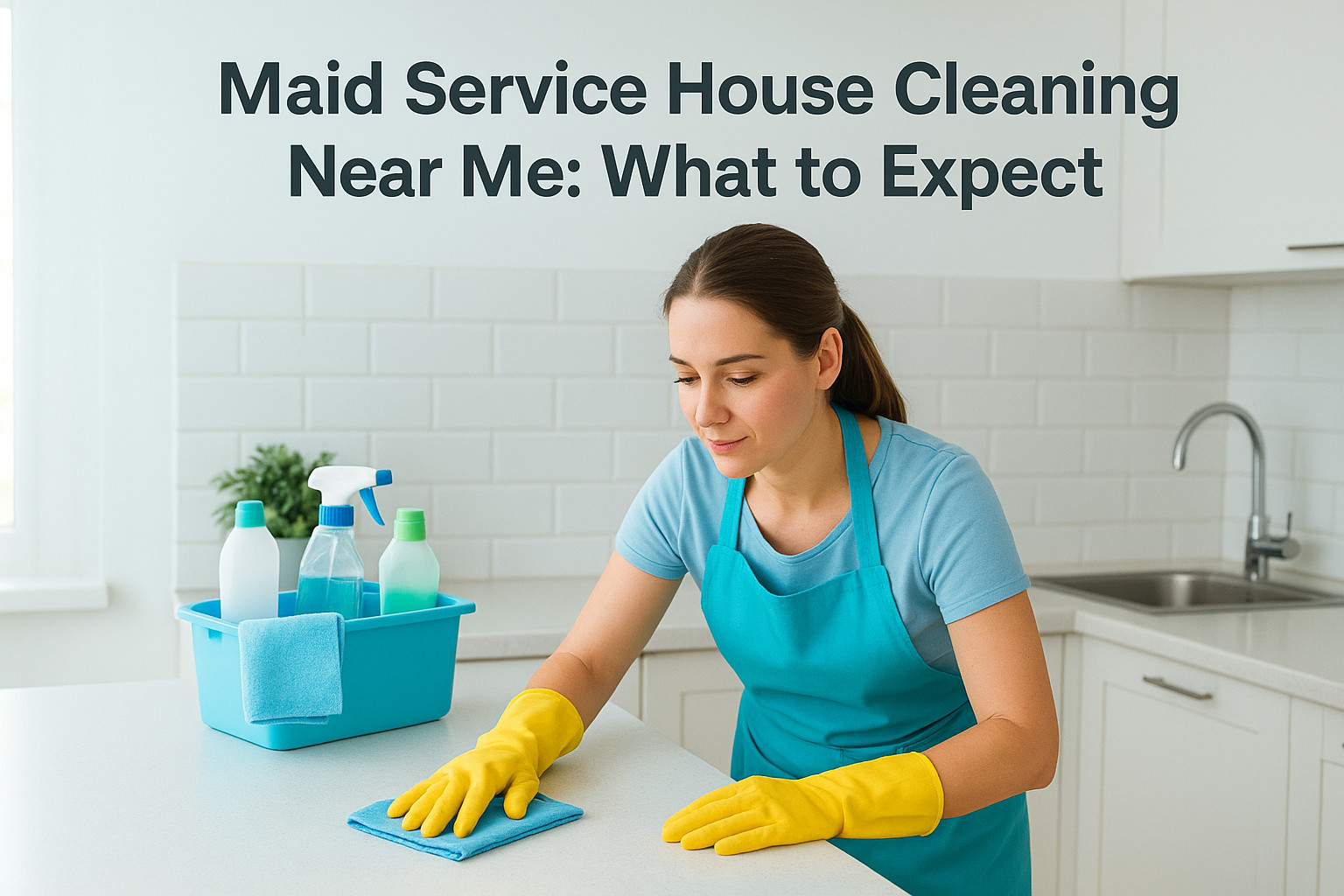
Maid Service House Cleaning Near Me: What to Expect
You typed maid service house cleaning near me because your place needs help and you don’t have hours to spend scrubbing it yourself. Maybe it’s been a few weeks since the bathroom saw real attention, or you’re staring down a busy season and know the dust isn’t going to disappear on its own. Searching online gets you a dozen options fast, but figuring out which one actually shows up on time, does thorough work, and won’t leave chemical residue on your counters is a different problem entirely. Here’s what you need to know: a real maid service brings trained, background-checked cleaners, follows a checklist tailored to your home, and gives you a clear price before anyone touches a mop. Whether you want a weekly cleaning plan or a one-time visit, the good ones make booking simple and the results consistent every time. This article walks through what separates a solid local service from a gamble, what typical cleaning services deep clean actually cover, how pricing works, and the questions worth asking before you hand over your house keys. By the end, you’ll know exactly what to expect and how to book with confidence. Why hire a professional maid service near you Hiring a local cleaning crew isn’t about laziness. It’s about trading a few hours of your weekend for something you actually want more: time with your kids, a finished project, or just a night where you’re not scrubbing a stove at 9 pm. Professional cleaners work faster and more thoroughly than most homeowners because they do it every day, with the right tools and a system that doesn’t waste motion, which is one of the bigger benefits of hiring a professional cleaning service for your home. What takes you three hours might take a trained team forty-five minutes, and the results usually look better too. You get your time back, every week Think about what a recurring cleaning schedule actually buys you. A weekly cleaning plan means you never walk into a messy kitchen after a long shift, and recurring house cleaning plans and costs are built exactly for that rhythm. Skip a week and nothing falls apart, because someone else is holding the line on dust, grime, and clutter. For families juggling work and kids’ schedules, that consistency matters more than almost any other factor. A good maid service doesn’t just clean your house, it gives you back the hours you’d otherwise spend doing it yourself. Trained eyes catch what you’d miss A background-checked, trained cleaner knows to check baseboards, light switches, and the tops of door frames, spots most people forget until guests point them out. This isn’t guesswork. Reputable companies train staff on room-by-room checklists so nothing gets skipped between visits. That level of attention to detail is hard to replicate on your own, especially after a long day when you just want the surfaces to look decent, not perfect. Health and safety come standard Nontoxic, eco-friendly products matter if you have kids, pets, or anyone with allergies or asthma in the house. Harsh chemical cleaners can leave residue and fumes that linger long after the bottle’s capped. A professional service that commits to safer products protects your home without sacrificing results, and it’s worth confirming this upfront rather than assuming every company does it the same way. The case for hiring, at a glance Reason What it means for you Time savings Hours back each week for family, work, or rest Trained staff Consistent, checklist-driven results every visit Insured and vetted Peace of mind with someone in your home Eco-friendly products Safer air quality for kids and pets Flexible scheduling Weekly, biweekly, or one-time visits fit your life Beyond convenience, there’s a real safety argument too. Letting a stranger into your home should never feel like a gamble. Companies that background-check and insure their staff, like AlphaLux Cleaning, remove that anxiety entirely. You’re not hoping for the best, you’re working with people who’ve been vetted specifically because homeowners need that reassurance. That combination of trust, consistency, and genuine time savings is why so many households and small offices across New York have made professional cleaning a regular part of how they run their space, not an occasional luxury. How to choose the right cleaning service for your home Not every company that shows up in a maid service house cleaning near me search deserves your business. Some skip background checks, some sub out labor to whoever’s available that day, and some quote a price that balloons once they’re standing in your kitchen. Knowing how to choose a cleaning company takes a few minutes of research, but it saves you from a bad experience later. Verify credentials before you book Start by confirming the basics, the same checks in any guide to finding a trustworthy cleaner: is the staff insured, bonded, and background-checked? A legitimate company will answer this without hesitation and often lists it right on their site. Reviews matter too, but read past the star rating and look for comments about punctuality, thoroughness, and how the crew handled specific requests. Reliable service shows up in patterns across dozens of reviews, not just one glowing testimonial. If a company can’t clearly explain who’s cleaning your home and how they’re vetted, keep looking. Match the plan to your actual needs Customization matters more than most people realize going in. A service that only offers one rigid package won’t fit a household with pets, a home office, or a nursery that needs extra attention. Look for companies offering: Flexible scheduling (weekly, biweekly, one-time) Customizable checklists for specific rooms or concerns Clear, upfront pricing with no hidden fees Free estimates before you commit Eco-friendly product options Getting a free estimate before committing lets you compare real numbers instead of guessing. It also gives you a chance to gauge how the company communicates. If they’re vague about pricing or slow to respond, that’s often a preview of how the actual service will go. A company confident in its
Professional Apartment Cleaning Services NYC: The 2026 Guide to a Pristine Home

Last Tuesday, a busy professional in Chelsea returned home to find their space transformed into a sanctuary of stillness and scent-free clarity…
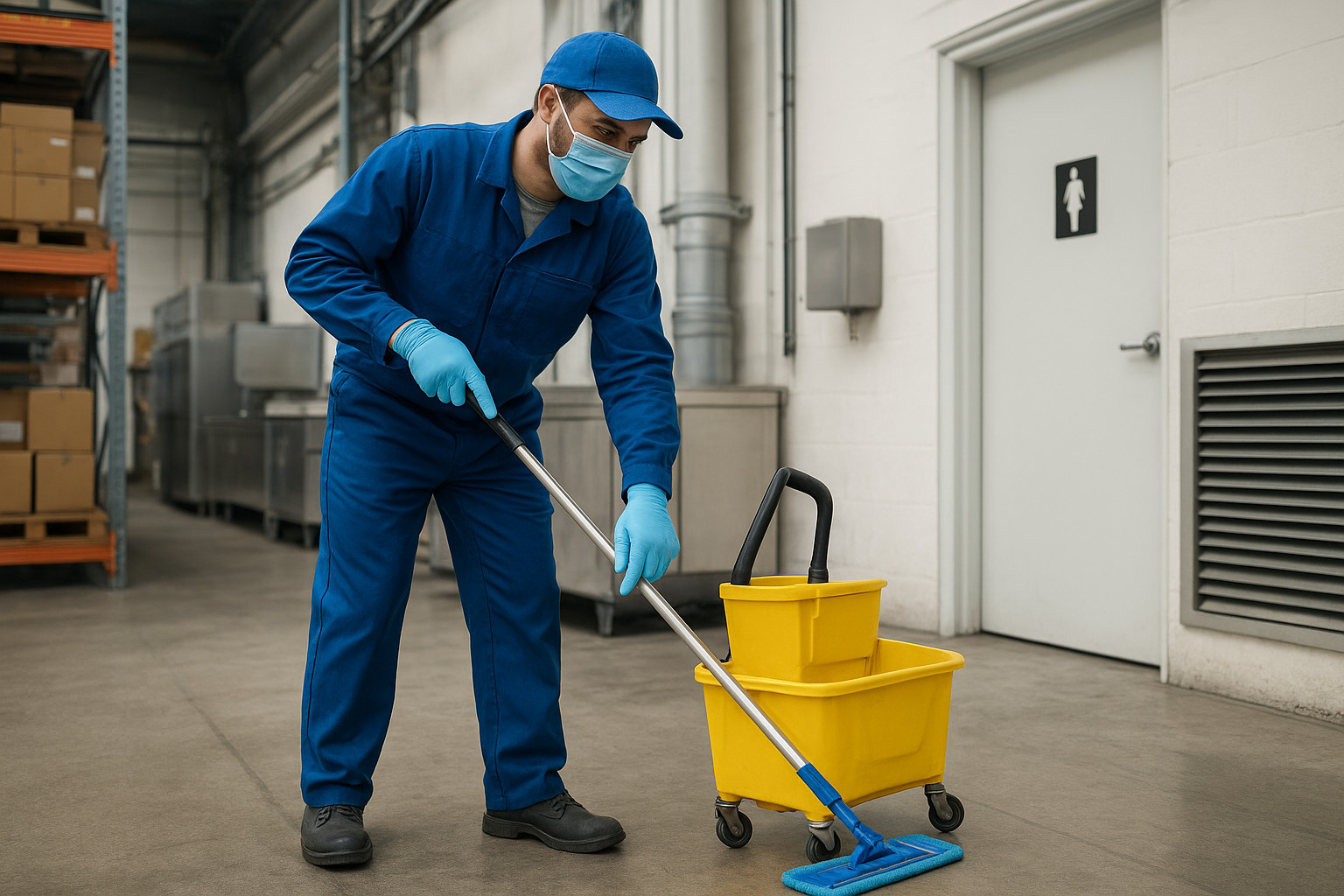
Industrial and Commercial Cleaning Services: What to Know
Your facility looks fine until someone points out the dust on the vents, the grime in the break room, or the buildup on the warehouse floor that regular staff never has time to touch. That gap between Why industrial and commercial cleaning matters The gap between how clean a building looks and how clean it actually is can cost you real money. Commercial and industrial cleaning services exist because dust, grease, and bacteria build up in places routine tidying never reaches: HVAC intakes, loading dock floors, break room appliances, restroom grout. Left alone, that buildup turns into a liability, not just an eyesore. Health, safety, and compliance risks Facilities that skip deep, scheduled cleaning run into problems that go well past appearance. Grease on a warehouse floor becomes a slip hazard. Dust in an industrial space can clog machinery or, in the worst cases, feed a combustible dust incident. Offices with poor cleaning protocols see higher rates of colds and flu spreading through shared surfaces, which translates directly into sick days. OSHA holds employers responsible for maintaining safe working conditions, and a documented cleaning schedule is part of how you demonstrate that responsibility if an inspector or an insurance adjuster ever asks. A facility that looks clean but isn’t properly sanitized is a liability wearing a nice coat of paint. Protecting your brand image and client trust Businesses that let cleanliness slide send an unintended message to everyone who walks through the door. Clients touring a facility notice smudged glass and overflowing trash before they hear a single word of your pitch. Employees notice too, and a neglected workspace tells them the company doesn’t invest in the details, which quietly erodes morale and retention. Consistent, professional cleaning is one of the cheapest ways to reinforce that your business takes standards seriously, whether you run a medical office, a retail storefront, or a manufacturing plant. The real cost of neglect Putting off cleaning doesn’t save money, it just moves the cost somewhere less visible. Here’s how that plays out over time: Neglected area Short-term appearance Long-term consequence HVAC vents and filters Slightly dusty Higher energy bills, poor air quality, employee complaints Warehouse floors Minor grime Slip-and-fall claims, equipment wear Restrooms and break rooms Mildly unpleasant Illness spread, staff dissatisfaction Windows and entryways Cosmetic issue only Lower client confidence, weaker first impressions Industrial equipment surfaces Cosmetic buildup Mechanical failure, costly downtime Each row starts small and ends up costing more than a regular cleaning contract ever would. Productivity and peace of mind Finally, clean spaces change how people work in them. Employees in a well-maintained office report fewer distractions and less time lost to searching for supplies in cluttered storage rooms, which is the hidden cost of a dirty workspace most managers never measure. Managers who outsource this responsibility to a trained crew free up internal staff to focus on their actual jobs instead of pulling double duty as janitors between tasks. Whether the goal is passing a health inspection, impressing a client, or simply keeping a factory floor safe, the importance of regular cleaning shows up in savings many times over. How to choose the right cleaning provider Finding a provider you can trust takes more than a quick online search and a low quote. The cheapest bid often skips insurance, background checks, or proper training, and you find that out the hard way after something breaks or someone gets hurt on your property. Choosing a cleaning company should feel less like picking a vendor and more like hiring a long-term partner for your facility. Credentials, insurance, and vetting Start by confirming the basics that protect you if something goes wrong. When you vet a cleaning company, ask for proof of liability insurance, workers’ compensation coverage, and evidence that staff go through background checks before they’re allowed near your building. A provider that hesitates to share this documentation is telling you something important before you sign anything. If a cleaning company can’t produce proof of insurance on request, that’s your answer. Matching experience to your facility type Cleaning a dental office is nothing like cleaning a warehouse floor covered in machine grease, so ask potential providers about their track record with facilities like yours. Companies that specialize in industrial and commercial cleaning contracts should be able to describe the equipment they use, how they handle hazardous materials if relevant, and what their crew training actually covers. Questions worth asking before you sign Before committing to any commercial cleaning service agreement, run through a short list of questions that reveal how the company actually operates: Do you offer customized cleaning plans, or only fixed packages? What cleaning products do you use, and are eco-friendly options available? How do you handle a missed cleaning or a quality complaint? Can you provide references from clients in a similar industry? Is a walkthrough or free estimate included before the contract starts? Gathering answers to these upfront saves you from surprises three months into a contract. A provider willing to walk your space, listen to your priorities, and build a plan around them, rather than pushing a one-size-fits-all package, is usually the one that sticks around. AlphaLux Cleaning, for example, builds every plan around a free on-site estimate so you know exactly what you’re paying for before you commit. Industrial vs commercial cleaning: key differences People often use "industrial" and "commercial" interchangeably, but the two jobs look nothing alike once you’re on site. Industrial cleaning deals with manufacturing plants, production facilities, and warehouses that need specialized cleaning, where heavy machinery, hazardous residue, and large open floors define the work. Commercial cleaning covers offices, retail stores, medical suites, and other spaces built for people to work in and visit every day. Knowing which category your facility falls into shapes everything from the equipment a crew brings to the certifications you should require. Hiring a commercial cleaning crew for an industrial floor is like sending a house painter to repaint a bridge. A side-by-side comparison Looking at
What is Included in a Standard House Cleaning? The AlphaLux Guide to a Professional Reset

41% of US households now book recurring professional cleaning services, yet many homeowners still feel a lingering hesitation before their first…
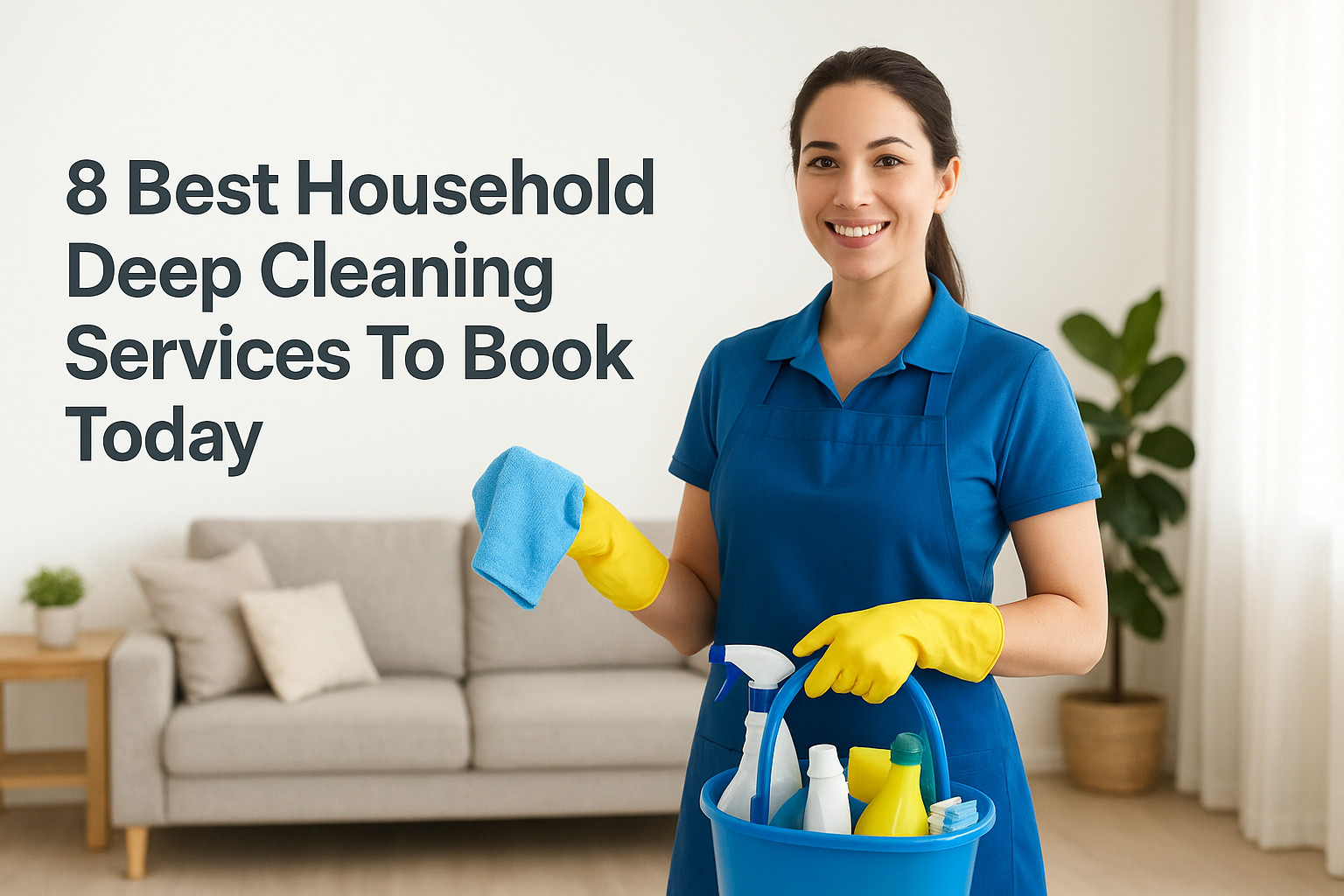
8 Best Household Deep Cleaning Services To Book Today
Your house looks fine on the surface, but you know what’s lurking behind the fridge, inside the baseboards, and under the couch cushions. That’s the gap household deep cleaning services exist to close, and it’s exactly why you’re here instead of scrubbing grout at midnight. Whether you’re prepping for guests, recovering from a renovation, or just haven’t had a real reset in months, a one-time cleaning service for a professional home reset handles what your regular routine can’t touch. If you’ve typed "one time deep cleaning services near me" into a search bar, you want specifics: who actually shows up on time, what’s included in the price, and whether the reviews hold up. This article skips the vague marketing language and gets straight to that information. Below, you’ll find eight providers worth booking, including what each one covers, rough pricing, and where they operate across New York. We’ve also included AlphaLux Cleaning, known for eco-friendly products and fully vetted, insured staff, alongside other reputable names so you can compare options and pick the right fit for your home and budget. 1. AlphaLux Cleaning AlphaLux Cleaning tops this list because it’s built specifically around New York homes and offices, not a national franchise stretched thin across states. The company runs a household deep cleaning services operation that focuses on the spots regular cleaners skip: baseboards, window tracks, inside appliances, and behind furniture. Every technician is background-checked and insured, so you’re not handing your keys or your schedule to a stranger with no vetting behind them. What’s included A deep clean from AlphaLux covers far more ground than a standard tidy-up, following a full deep house cleaning checklist. Here’s what’s typically part of the visit: Baseboards, door frames, and light switches wiped down Interior of oven, fridge, and microwave (on request) Grout scrubbing and tile detailing in bathrooms and kitchens Dusting of ceiling fans, vents, and hard-to-reach corners Window sills and tracks Full move-in or move-out cleaning packages for empty units All of it uses eco-friendly, non-toxic cleaning products, which matters if you have kids, pets, or anyone in the house sensitive to harsh chemicals. A one-time deep clean should reach the spots your weekly routine never touches, and that’s the whole point of hiring one. Pricing AlphaLux doesn’t post a flat rate because home size, condition, and add-ons like inside-cabinet cleaning all shift the final number. Instead, you get a free estimate based on your specific space, so you know the cost before anyone shows up. That transparency beats guessing from a generic deep cleaning cost calculator that doesn’t account for your actual square footage or clutter level. Best for This service suits homeowners and renters across New York State who want a customized cleaning plan rather than a one-size-fits-all package. It’s a strong match if you need move-in and move-out cleaning in New York to leave the place spotless for a final walkthrough, you’re recovering from renovation dust, or you simply haven’t had a deep clean in over a year. Businesses looking to keep an office presentable for clients also fall squarely into AlphaLux’s client base, since the team handles both residential jobs and office deep cleaning in Manhattan. How to book Booking takes a few minutes through the AlphaLux Cleaning website, where you can request your free estimate and pick a schedule that fits, whether that’s a single one-time visit or a recurring plan afterward. There’s no need to call around for quotes; the online form walks you through the details and a team member follows up to confirm scope and pricing before your appointment date. 2. Merry Maids Merry Maids is one of the most recognized names in residential cleaning, operating through a franchise network that stretches across most of the country, including several New York locations. Franchised operations mean service quality can vary slightly by location, but the brand’s standardized checklists keep most visits consistent regardless of which local team shows up. What’s included Their deep cleaning package typically covers baseboards, window sills, ceiling fans, and detailed bathroom and kitchen scrubbing, similar to what you’d expect from a thorough one-time visit. Add-on services like inside-oven cleaning or wall washing usually cost extra and need to be requested when booking. A franchise brand can deliver consistency, but the actual crew and quality still depend heavily on your local branch. Pricing Expect a custom quote rather than a published rate, since Merry Maids prices jobs based on home size, condition, and location. Most homeowners report deep cleaning visits running higher than standard maintenance cleanings, and it helps to know how a deep clean differs from a regular house cleaning before comparing prices, since a few hundred dollars for an average-sized home is common though your local franchise sets the final number. Best for This service fits people who want a familiar national name and don’t mind paying a bit more for that brand recognition. It also works well if you’re relocating and want a consistent process you can request again at a new address served by another Merry Maids franchise. How to book Booking happens through their website or by phone, where you’ll enter your zip code to get routed to the nearest franchise. That local office then calls to confirm scope, schedule a walkthrough or estimate, and set your appointment date. 3. Molly Maid Molly Maid runs on a similar franchise model to Merry Maids, with local teams operating under a shared brand and training system across New York. What sets them apart is their color-coded microfiber system, where separate cloths handle bathrooms, kitchens, and general surfaces to avoid cross-contamination between rooms. That detail matters more than it sounds like if you’re specifically searching for household deep cleaning services with a documented hygiene process. What’s included A typical deep clean includes baseboards, door frames, light fixtures, and detailed kitchen and bathroom scrubbing. Their process also covers: Dusting of blinds, shelves, and picture frames Vacuuming under furniture where possible Interior appliance cleaning as an add-on Trash removal and